 Skip to content
What is Face Milling? Process, Tools, And Applications
Face milling is a process used in the manufacturing of precise and flat surfaces. It efficiently removes material while providing high accuracy and quality of surface finish. In this article, we’ll look at what face milling is and how it works. You’ll get to know its types, advantages, and disadvantages.
What is Face Milling?
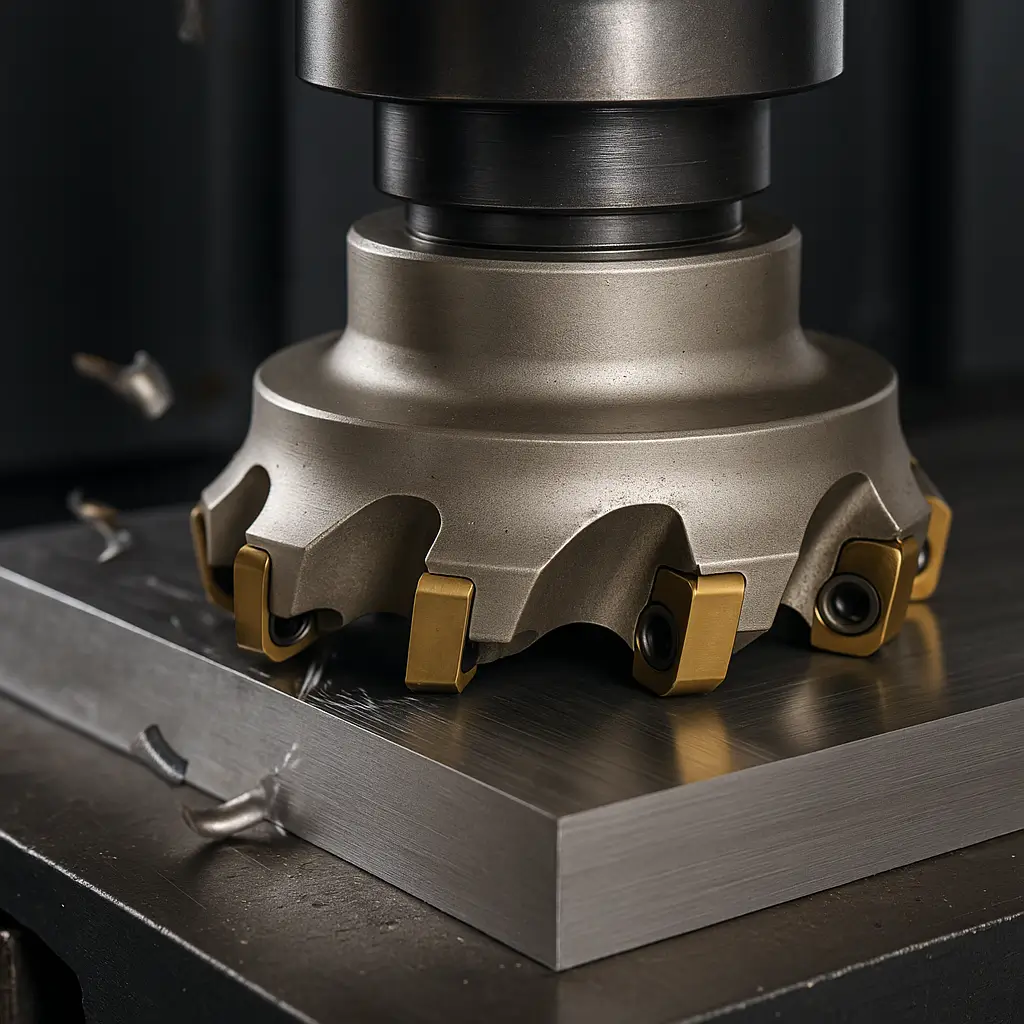
Face milling is a machining technique used in CNC for creating smooth and flat workpieces. This is the most common method for efficiently removing large amounts of material from metal sheets. In face milling, a cutting tool rotates perpendicular to the surface of the workpiece. This is the main difference between face milling and other techniques that cut along the edges.
Mainly, this technique is used to produce a flat surface over the top face of the workpiece. Numerous industries like automotive, aerospace, mold, and the manufacturing industry require smooth surfaces for making critical components. Without milling, the accuracy of these components is compromised.
How Face Milling Works
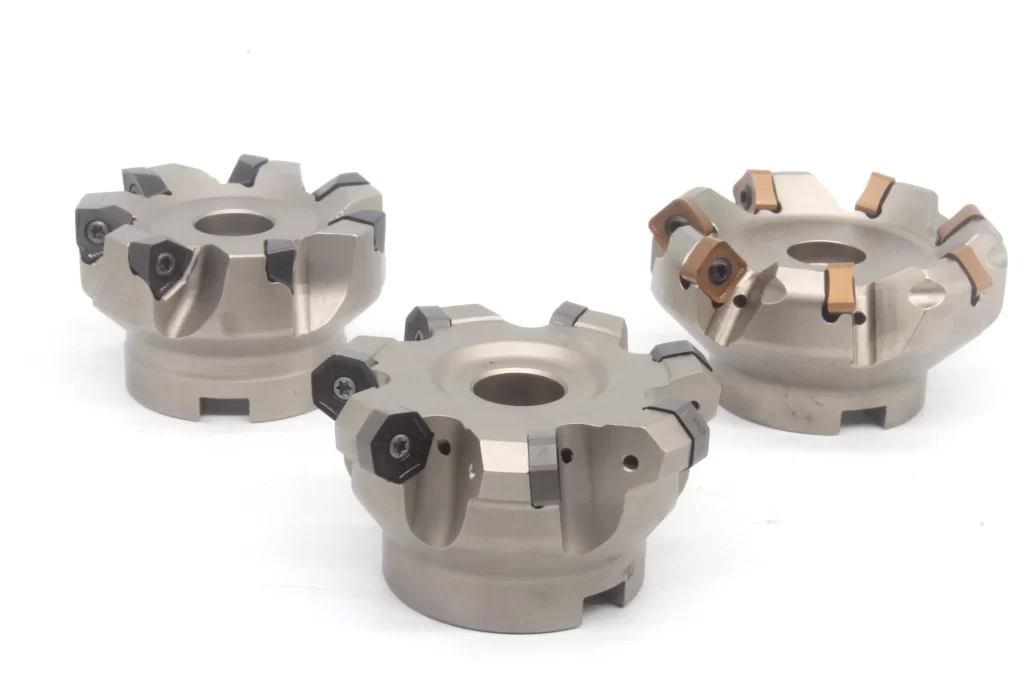
Here are the steps machinists follow to face mill the workpiece. These steps ensure the accuracy of the process.
Preparing the Workpiece
Just like other techniques, the first step is to securely place the workpiece. This step is very important for ensuring accuracy. Otherwise, if the workpiece vibrates or shifts during the process, we’ll end up with an uneven surface.
Clamps, vises, or fixtures are used to secure the workpiece on the milling table.
Position the Milling Machine
After securing the workpiece, the next step is to position the milling machine. The machine is adjusted so it contacts the workpiece perpendicularly. In the CNC system, the machine positioning is automatic through programmed instructions.
Adjusting the Parameters
Two important parameters that need to be adjusted during the milling are feed rate and spindle speed. If these are not adjusted correctly, it causes a poor surface finish. The proper parameters depend on the material being used, the required width, and the depth of the cut. Let’s look at both these factors:
- Feed Rate: Feed rate is the speed of the workpiece under the cutter. Slow feed rate provides a smooth surface finish. On the other hand, high speed results in faster processing but can compromise the finish quality.
- Spindle Speed: The speed of the rotating cutter is called spindle speed. In general, softer materials require high speed. To avoid tool damage, the spindle speed for hard materials is kept slow.
CNC Machining
After the above-mentioned steps face milling operation begins. In CNC machining, this step is automated. The code is inserted into the computer, and it handles everything. This automation results in higher accuracy and consistent results.
Tips for Choosing the Right Tool For Face Milling
For achieving your desired outcomes in CNC machining, it’s very important to choose the right tools. The right tools will help you in achieving the desired accuracy, efficiency, and smooth surface finish.
How to Choose the Right Tools
Let’s look at some factors you should consider when choosing the face milling cutter for milling operations:
Material of Workpiece
It is very important to choose the cutter that is compatible with the workpiece material. For softer materials like aluminum, you should choose hard tools with high spindle rates. Likewise, for harder materials, it is recommended to go with carbide or PCD inserts.
Tool Coating and Geometry
These tools often have a coating like TiN. You should choose an appropriate type of coating considering the machining process to ensure that the results of milling operations are efficient and accurate. For example, use diamond or PCD coating if tool wear is important. Tool geometry refers to the shape of the insert and cutting edge.
Classification of Cutters Based on Tool Geometry
- Square Inserts: Square inserts have 90° corners and are used for general milling operations.
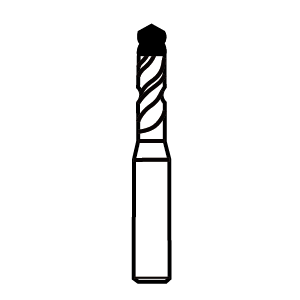
- Ball Head Inserts: These inserts have a rounded tip, especially used for contour milling and finishing curved surfaces.
- Wiper Inserts: These inserts have a flat edge that wipes the surface as it cuts. Wiper inserts provide a polished surface.
Classification of Cutters Based on Tool Design
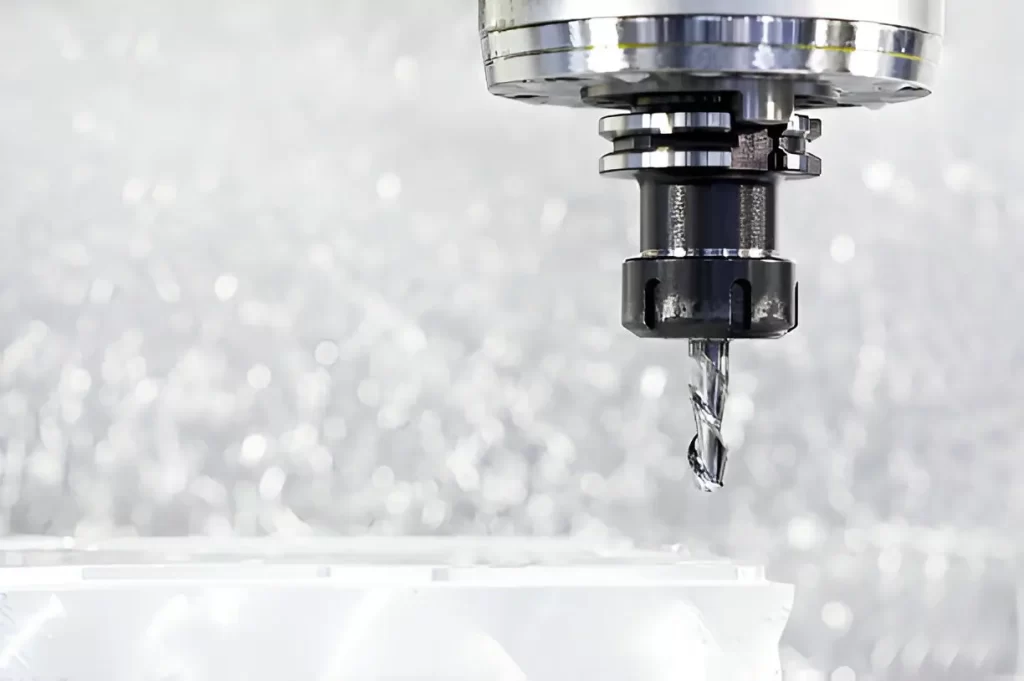
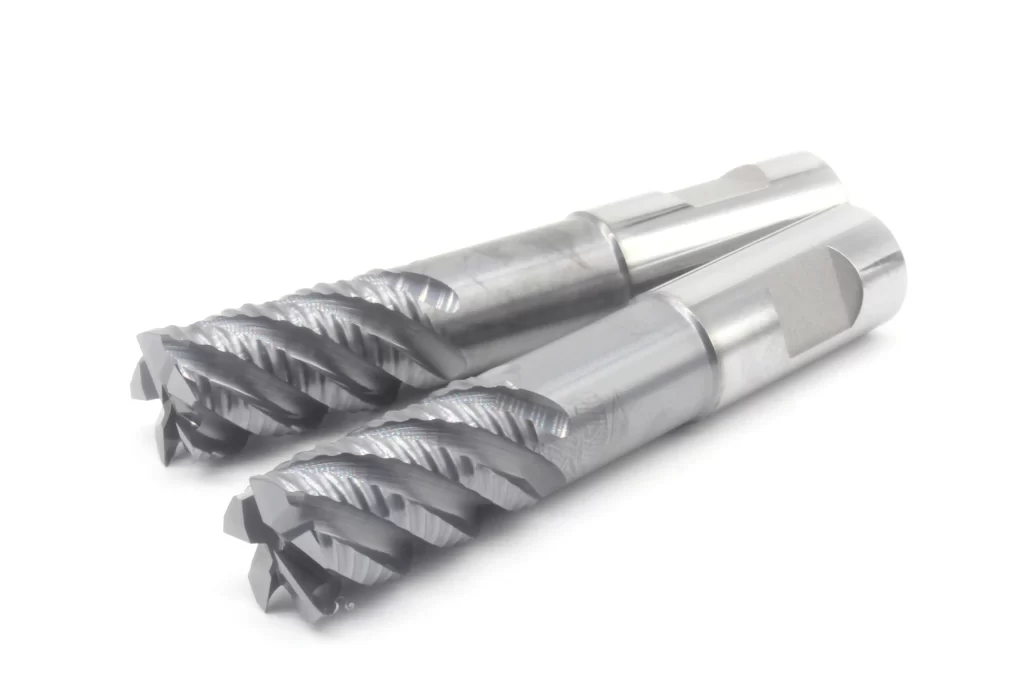
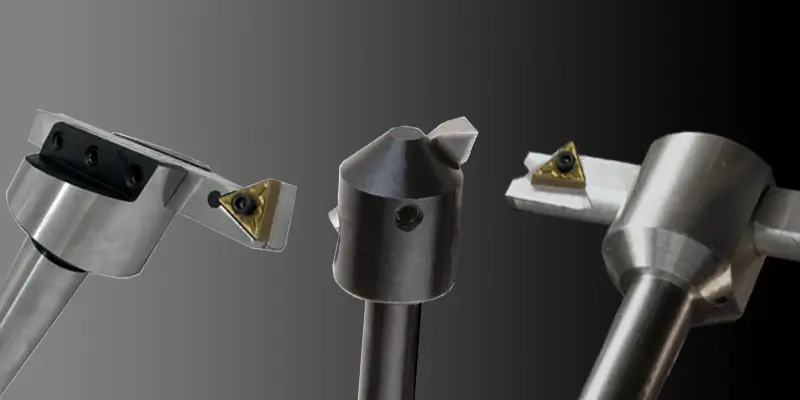
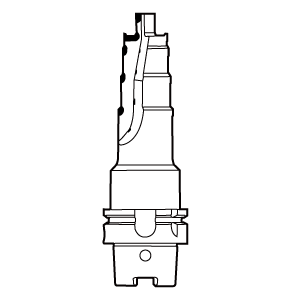
- End Mills: End mills are utilized when dealing with small and precise work. These are used for detailed, intricate parts.
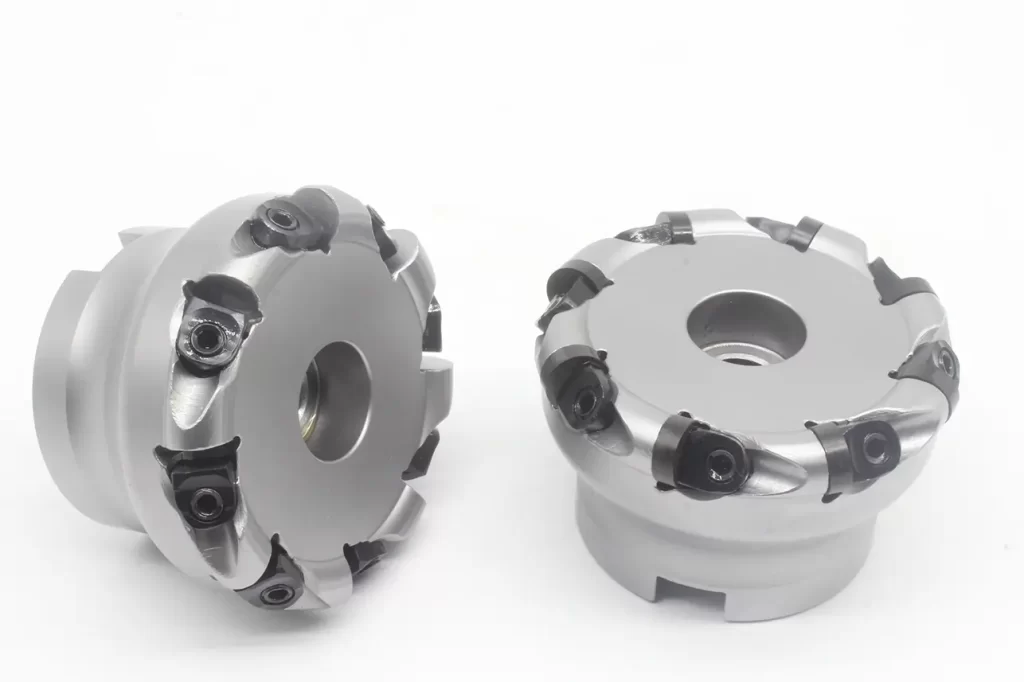
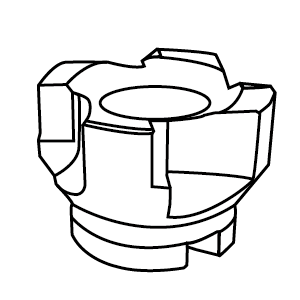
- Shell Mills: Sell mills are suitable for heavy material removal. Their large diameter design makes them ideal for flattening large surfaces. They are used for roughing operations.
- Fly Cutters: These cutters are used for the precise finishing of large workpieces.
Cutting Speed
The cutting speed needs to match the material of the tool and the material of the workpiece. For example, if you use high speed for hard materials, it will cause overheating and wear the tool. As a rule of thumb, you should choose high speed for soft materials.
Surface Finish Required
Every milling operation requires a specific surface finish, either smooth or rough. Rough milling is used when the goal is to remove a large amount of material, and surface finish is not very important. For a precise, polished surface finish, mills are used.
Machine Capabilities
It’s crucial to consider the power of your machine when selecting the tool. For heavy-duty milling, you need a machine with high spindle power.
Types of Face Milling Operations
There are 4 types of milling operations, each used for a different purpose. You can select the appropriate type based on the material being milled, required surface quality, and production speed. Below is the description of the commonly used operations.
General Face Milling
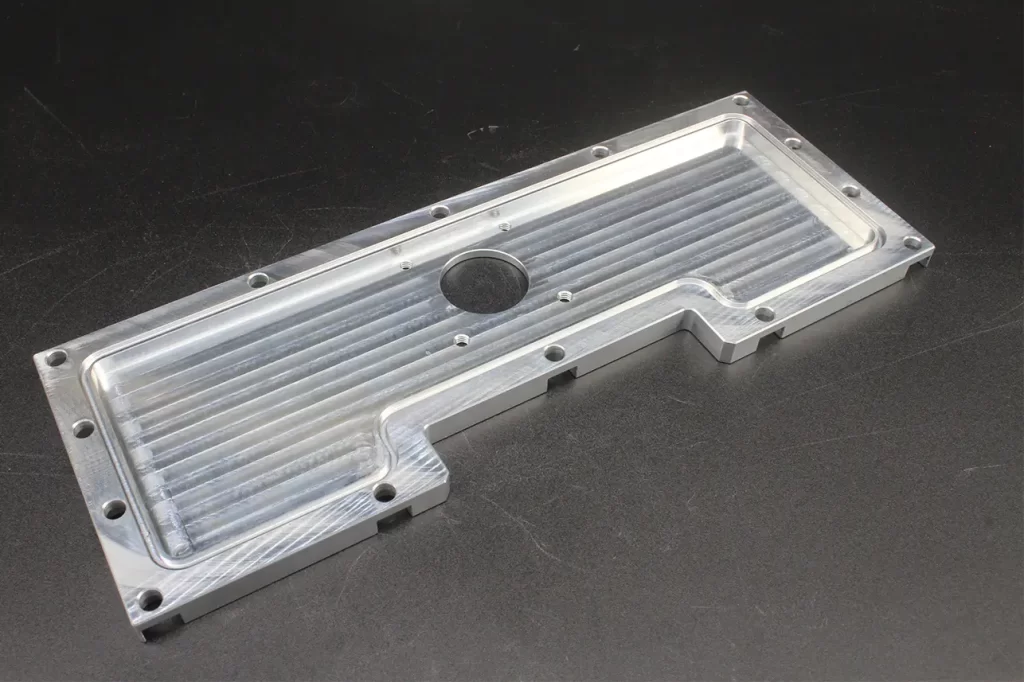
General milling creates a flat and even surface. As the name suggests, this process does not have any specifications. However, the angle and cutting tools are very important. You should go for general face milling when speed and accuracy are both important. It is commonly used for flattening the surfaces of large components.
Heavy Face Milling
Heavy face milling is utilized when you need to remove large amounts of material quickly. To handle deeper cuts, larger cutters are used in this process. Since the main goal is speed and material removal, the surface finish is rougher.
High Feed Milling
High feed milling removes material at a greater speed without causing tool wear. In this process, cutting forces are kept low. Hence surface finish is smooth. It is used in industries where efficiency and time management are important. Lightweight and tough materials are milled using this process.
Finishing With Wiper Inserts
This specialized operation results in exceptionally smooth and flat surfaces. Wiper inserts used in this process result in a polished surface with reduced tool marks. This process eliminates the need for additional procedures such as grinding or polishing.
Advantages Of Face Milling
Face milling is a common operation used in a variety of industries for the purpose of producing smooth and flat surfaces. The following are some advantages of face milling:
- High Material Removal Rate
Face milling removes large quantities of material quickly using multiple cutting edges. Hence, it is highly beneficial for roughing operations.
- Versatility
You can use face milling for a wide range of materials and operations. From roughing to finishing operations, face milling is utilized widely.
- Smooth Surface Finish
If you use the right tools and parameters, you can get a consistent and smooth finish. Face milling can achieve a superior finish due to perpendicular rotation.
- Excellent Flatness
During the process, the cutter contacts the workpiece evenly, which results in an excellent flat surface.
Disadvantages of Face Milling
Just like any other process, face milling also has some limitations. Here are a few of them:
- High Tool and Setup Cost
The initial setup cost of face milling is high, which increases the overall cost of production. As compared to simple machining processes, it requires specialized tools and equipment.
- Limited to Flat Surfaces
Face milling is specifically used for flat surfaces. It cannot be used for complex geometries or deep cavities.
Applications of Face Milling
Face milling is commonly used in a variety of industries where flatness and efficiency are critical. The following are some of the common applications of face milling in different industries:
Automotive Industry
In automotive applications, face milling is used to manufacture flat surfaces within performance-critical parts. Engine blocks, transmission housings, and brake components are examples of automotive parts that are manufactured using face milling.
Electronics Industry
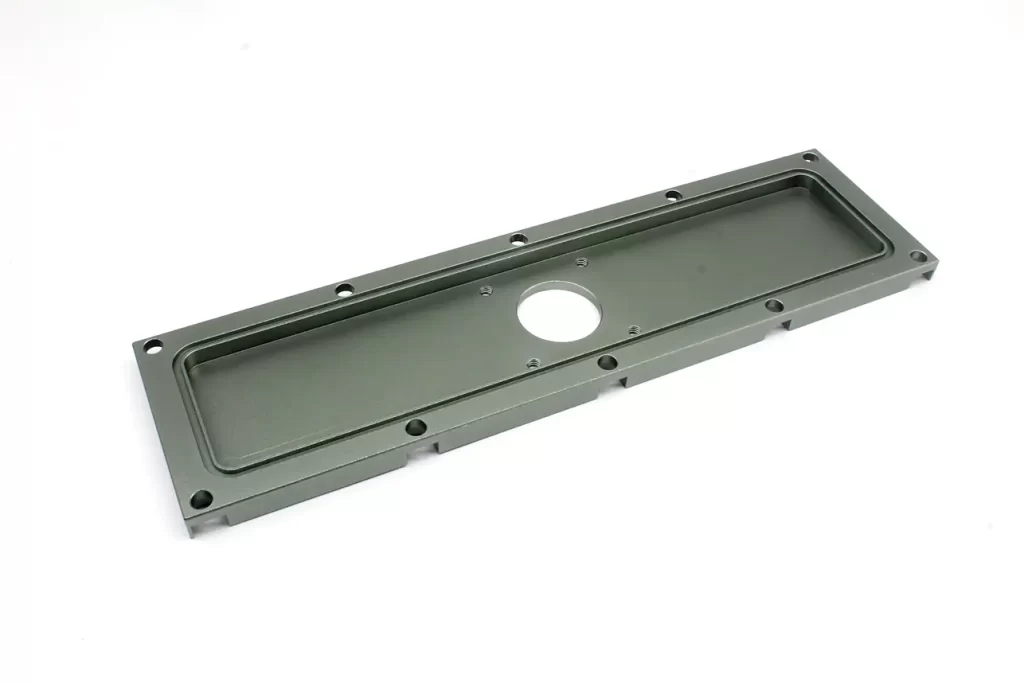
Face milling is also employed to produce heat sinks, casings, and substrates that require flatness and uniformity.
Aerospace
In aerospace, face milling produces turbine parts, structural aircraft components, and composite panels. The components used in these applications require very tight tolerances and flatness, due to safety and performance specifications. Face milling is an ideal machining operation to make these components flat and within tolerance.
Mold & Die Industry
In the mold and die industry, face milling is the operation used to machine mold bases and die inserts. These molds for plastic injection and metal casting need flat surfaces need to be flat.
General Manufacturing
In general manufacturing, face milling is utilized to produce large machinery frames, industrial equipment plates, and other flat components.
Medical Devices
The medical industry uses face milling for surgical tools, orthopedic implants, and other precision medical components.
Sundi Cutting Tools
In milling operations, the quality of tools used directly influences the outcomes of the process. This is where Sundi Cutting Tools excel. They specialize in high-precision PCD (Polycrystalline Diamond) and CBN tools. With years of experience, they deliver high-performing solutions for industries like automotive, aerospace, and electronics.
Among Sundi’s wide range of products, PCD face milling cutters specialize in providing high precision in face milling operations. These cutters have PCD inserts, which make them harder and wear-resistant. Here are some key features of the PCD face milling cutters:
- Designed for high-speed cutting and high feed rate
- Extended tool life
- Compatible with a wide range of workpiece materials
- Can be used for various operations such as roughing, finishing, contouring, profiling, and machining large surface areas.
Contact us for PCD and CBN tools and custom solutions
Conclusion
In a nutshell, face milling can help you achieve flat surfaces and complex geometries. Hence, this process had multiple applications in different industries. For achieving consistent results, you are required to select the proper milling cutters and parameters of milling. The right tools can improve manufacturing time and accuracy.

 English
  Russian
  German
  Spanish
  French
  Portuguese