










Fly Cutter Guide: What It Is, How It Works, and When to Use It
If you’re looking for a simple yet effective way to achieve ultra-smooth finishes on wide surfaces, a fly cutter might be just what you need. This guide shows you how it works, why it matters, and when it’s your best choice for milling jobs.
Contents
What Is a Fly Cutter?
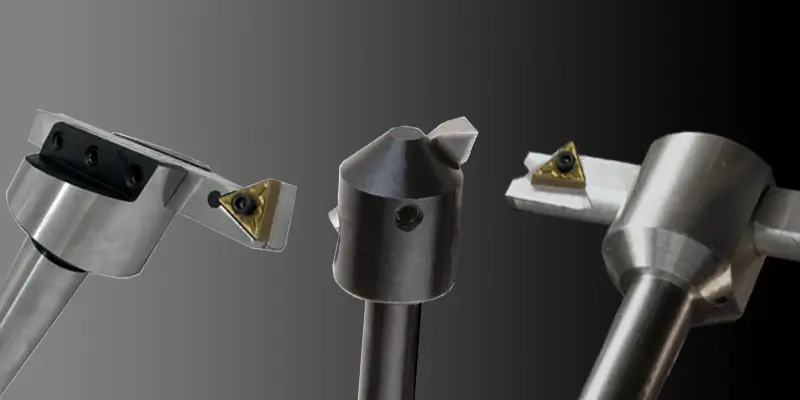
A fly cutter is a rotating surfacing tool, commonly with one cutting bit, used on suitable manual or CNC milling machines. Holder designs vary and do not all use the same angled mounting. Select tooling and cutting conditions for the material, machine, and required finish.
How Does a Fly Cutter Work?
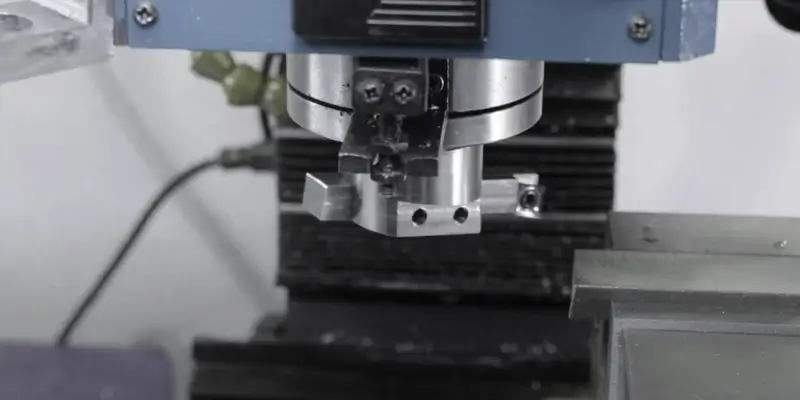
The cutting edge sweeps a circular path as the spindle rotates. Some designs allow adjustment of cutting diameter within specified limits; bit orientation and adjustment methods vary. Stop and secure the machine before changing the setting.
Speed and depth depend on cutting diameter, tool material, workpiece, and machine limits. The following original figures are not validated operating settings:
For aluminium, the original 1,000 RPM and depth below 0.25 mm require a specified cutter and setup; they are not general recommendations.
For mild steel, the original 400 RPM and 0.2–0.3 mm depth are not universal settings. Use the cutter supplier’s limits and application data.
Check balance, tool retention, and the rated speed before cutting. Do not transfer metalworking fly-cutter settings to fabric, films, or other materials requiring dedicated cutting systems.
Types of Fly Cutters
Not all fly cutters are built the same—and honestly, that’s a good thing. Depending on your setup and what kind of material you’re working with, you’ll find different styles out there. Some are made for ultra-fine surface finishes, while others lean toward versatility.
Here are a few of the common types you might come across:
Single-point fly cutter: A common design uses one HSS or carbide cutting bit for suitable surfacing operations. Finish depends on edge geometry, spindle alignment, feed, and stability; rigidity alone does not guarantee a mirror finish.
Two-insert fly cutter: Where the design uses two edges, balance and cutting engagement depend on the complete assembly and edge setting. Two inserts alone do not guarantee higher permitted RPM or faster cutting.
Rotary-style fly cutters: Terminology varies. Dedicated rotary cutters for fabrics or films should not be treated as interchangeable with metalworking fly cutters; use a tool and guarding system approved for the material.
Choose the cutter by its validated finish, productivity, and machine requirements. Edge count alone does not determine which tool is faster or produces the better finish.
Fly Cutter vs. Face Mill: What’s the Difference?
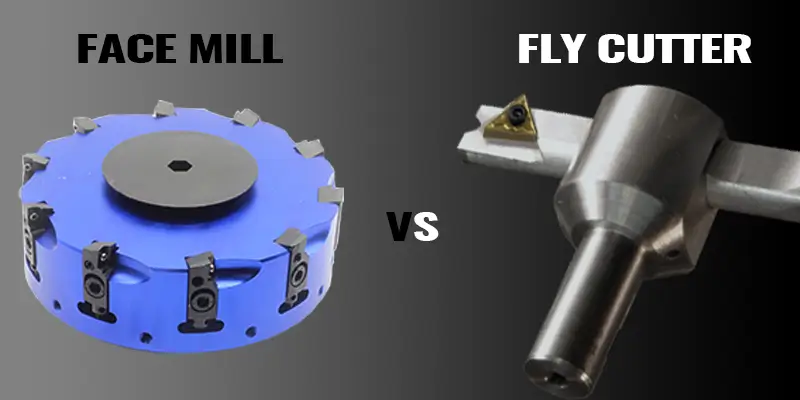
Fly Cutter vs. Face Mill: What’s the Difference?
When choosing between fly cutters and face mills, key differences impact both performance and operational economics:
1. Tool Design & Cost
- Fly Cutters: Designs and costs vary. A simple single-bit tool may have a lower initial price, but retention, inspection, replacement, and permitted regrinding affect its total cost.
- Face Mills: Insert count, geometry, and cost vary with diameter and application; 4–8+ inserts is not a universal design requirement.
2. Surface Finish & Precision
- Fly cutters can produce a fine finish in suitable applications, but single-point contact does not guarantee a mirror finish.
- Face mills can combine productivity with fine finishing, including suitable wiper designs. Insert setting and process conditions affect the result; tool marks are not inevitable.
3. Machine Compatibility
- Fly cutters require compatible spindle, retention, rigidity, guarding, and speed limits. An older or lower-power mill is not automatically suitable.
- Face-mill power and rigidity requirements depend on diameter, engagement, insert count, and cutting data; suitable options exist for different machine capacities.
4. Application Flexibility
- Fly cutters may suit some low-volume surfacing operations. Warped stock requires secure, non-distorting workholding and a plan for material removal; the tool does not automatically correct distortion.
- Face mills suit: High-volume production runs; Aggressive stock removal; Stable, flat workpieces
5. Operational Nuance
- Fly cutter adjustment: Regrind or reposition a cutting bit only where the tool design permits it, maintaining the required geometry and secure clamping.
- Face mill maintenance: Follow the supplier’s insert-change and offset-check procedures. Every insert change does not necessarily require a full recalibration.
When to Use a Fly Cutter
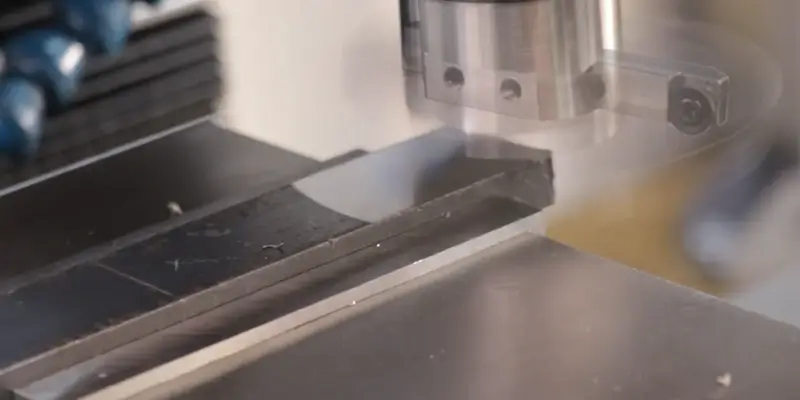
So, when does a fly cutter actually make sense? In short—it’s your go-to when you need a flat surface and you care about the finish more than the speed.
For small batches, compare a fly cutter with suitable face mills using the required finish, material, setup, and cost. A well-set fly cutter may be useful, but it does not universally leave fewer marks.
A suitable fly cutter may be used on some lower-power machines within their limits. Power demand depends on the actual cut, and flatness within a few microns requires a qualified setup and measurement rather than a particular cutter name.
Tips for Safe and Efficient Operations
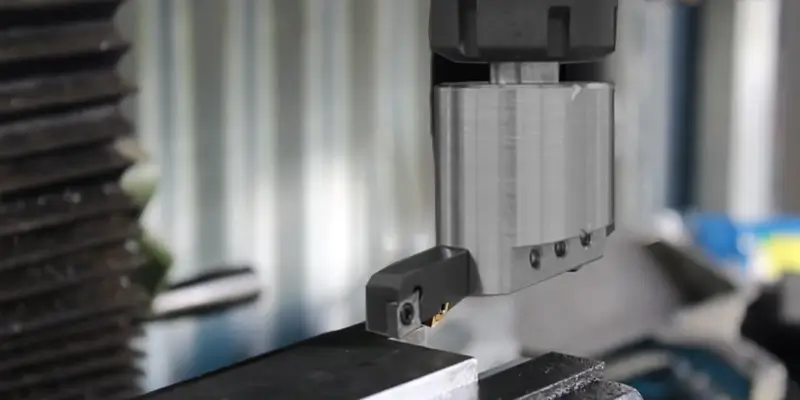
Using a fly cutter might seem straightforward—but if you’ve ever heard one chatter across a steel plate, you know there’s more to it than just spinning and cutting.
Here are a few real-world tips to keep things smooth and safe:
Keep the bit sharp. A dull edge doesn’t just ruin surface finish—it can also cause vibrations, increased cutting pressure, and premature wear on your spindle bearings.
Balance matters. If your cutter has more than one bit (or even just one sticking way out), make sure it’s balanced before hitting higher RPMs. An unbalanced fly cutter at speed isn’t just noisy—it’s dangerous.
Go easy on depth: Set depth of cut from the actual cutter and machine instructions. Under 0.3 mm is not a universal optimum or safety limit.
Listen to the cut. Often, you’ll hear when something’s off before you see it. A clean, steady tone is what you want—anything squealing or rattling means it’s time to stop and check alignment, speed, or sharpness.
Efficiency comes from patience and setup. With the right speeds, feeds, and rigidity, even a simple fly cutter can produce mirror-like finishes that rival high-end tooling.
Conclusion: Strategic Tool Selection with SUNDI
Let’s face it—fly cutters aren’t the flashiest tools in the shop. But when it comes to getting a flat, clean finish without needing a dozen inserts or a fancy face mill, they quietly get the job done.
We’ve seen all kinds of setups—small bench-top mills, big CNC beds, even hybrid machines. And no matter the scale, a good fly cutter still holds up. It’s not about cutting fast. It’s about cutting right.
At SUNDI, tool selection starts with the workpiece, machine, and finish specification. Discuss your requirements with our team; a fly cutter does not automatically eliminate subsequent finishing operations.
FAQ: Fly Cutters
Q: Can I use a fly cutter on steel?
Use a cutter and cutting material approved for the particular steel and machine. Select speed, feed, and depth from application data; carbide, low RPM, and a 0.3 mm depth are not universal requirements.
Q: What’s a good speed for cutting aluminum with it?
Determine RPM from the recommended cutting speed and actual cutting diameter, within the cutter and spindle limits. The original 1,000 RPM is not a general setting.
Q: Why am I getting chatter every time I use it?
Could be a few things. Dull insert? Tool sticking out too far? Machine not rigid enough? Fly cutters like everything tight and sharp. Try lowering the speed or adjusting how far the bit sticks out. Sometimes even just re-clamping the part helps.
Q: Can I change how wide it cuts?
Some designs allow diameter adjustment within specified limits. Stop and secure the machine, follow the retention procedure, and verify clearance and the permitted speed after adjustment.
Q: Safe for beginners?
Use the machine only with appropriate training, guards, secure workholding, and a properly retained cutter operated within its rating. Low speed and shallow cuts alone do not establish safe operation.