 Skip to content
Custom Carbide Step Reamers
Carbide Step Reamers Engineered Around Your Bore and Process
SUNDI develops custom carbide step reamers from the part drawing and actual cutting conditions. We confirm each finished diameter, cutting allowance, material, machine setup, fixture clearance and coolant before releasing the tool specification.
The finished bore depends on the cutting stock, machine setup and coolant—not only the dimensions on the drawing.
- Drawing
- Material
- Pre-hole
- Ø & tolerance
- Machine setup
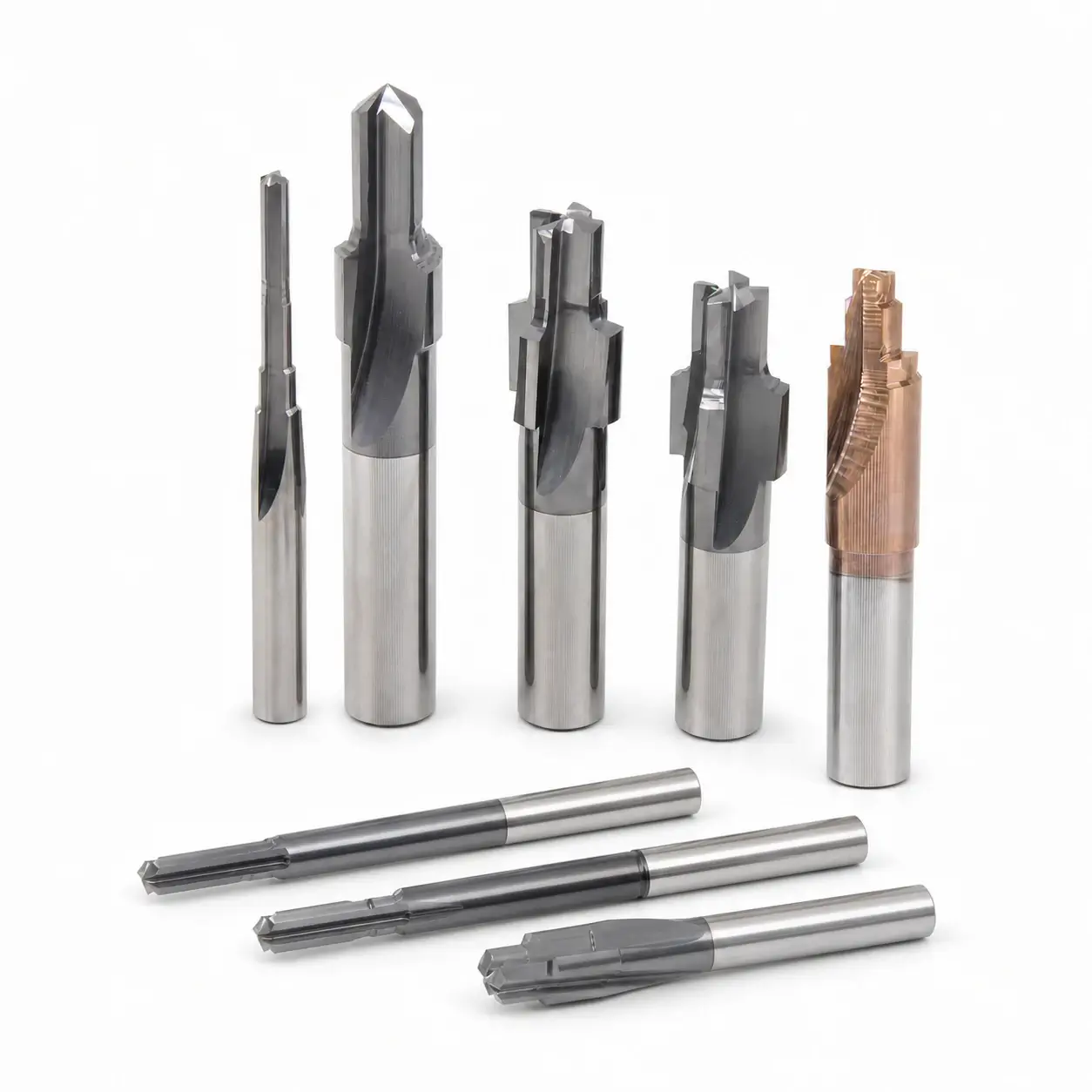
Confidential drawing review
Specification approved before grinding
Walter grinding & Zoller inspection
Inspection report supplied
Engineering Review Before Production
We check six conditions before grinding starts
These checks prevent avoidable size, finish, clearance and tool-life problems.
Lock the finished-bore requirements
Confirm every diameter, tolerance, surface finish and chamfer.
Set stock for every cutting edge
Match each cutting edge to the pre-hole and stock allowance.
Check the machine and holder
Check the spindle interface, reach, runout and available clearance.
Check fixture support
Check clamping, wall thickness and support around the bore.
Plan coolant and chip flow
Match flute direction and coolant outlets to hole depth and pressure.
Set the trial and inspection plan
Agree the starting parameters, inspection method and acceptance target.
Production and Quality Control
From released specification to ground geometry
We check the grinding setup, then produce the critical step geometry on Walter equipment.
Prepare the grinding job
Check the carbide blank, program, wheel setup and dimensional references.
Grind the critical geometry
Grind the step diameters, guide sections, flutes and cutting edges.
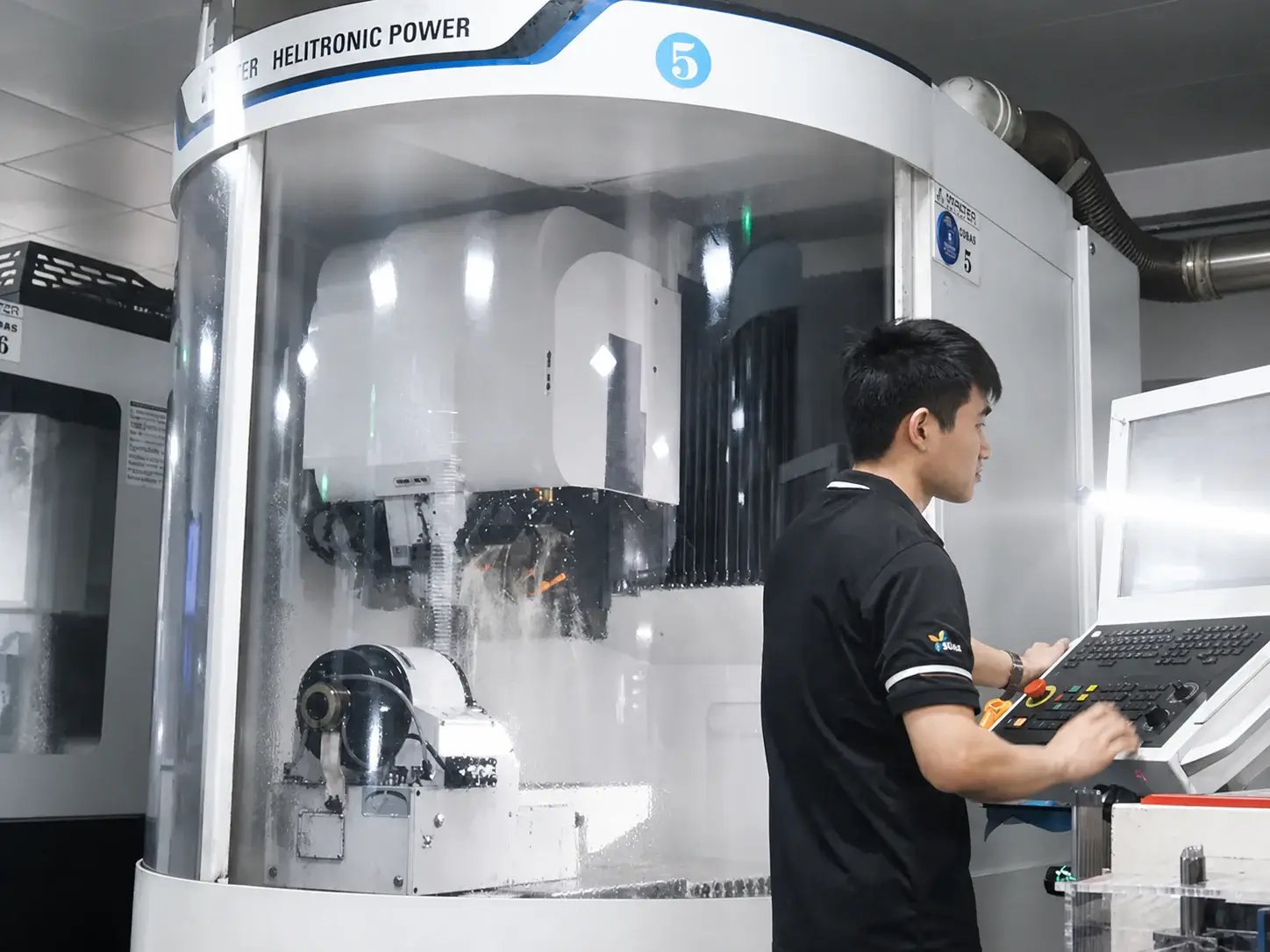
Walter 5-axis grinding
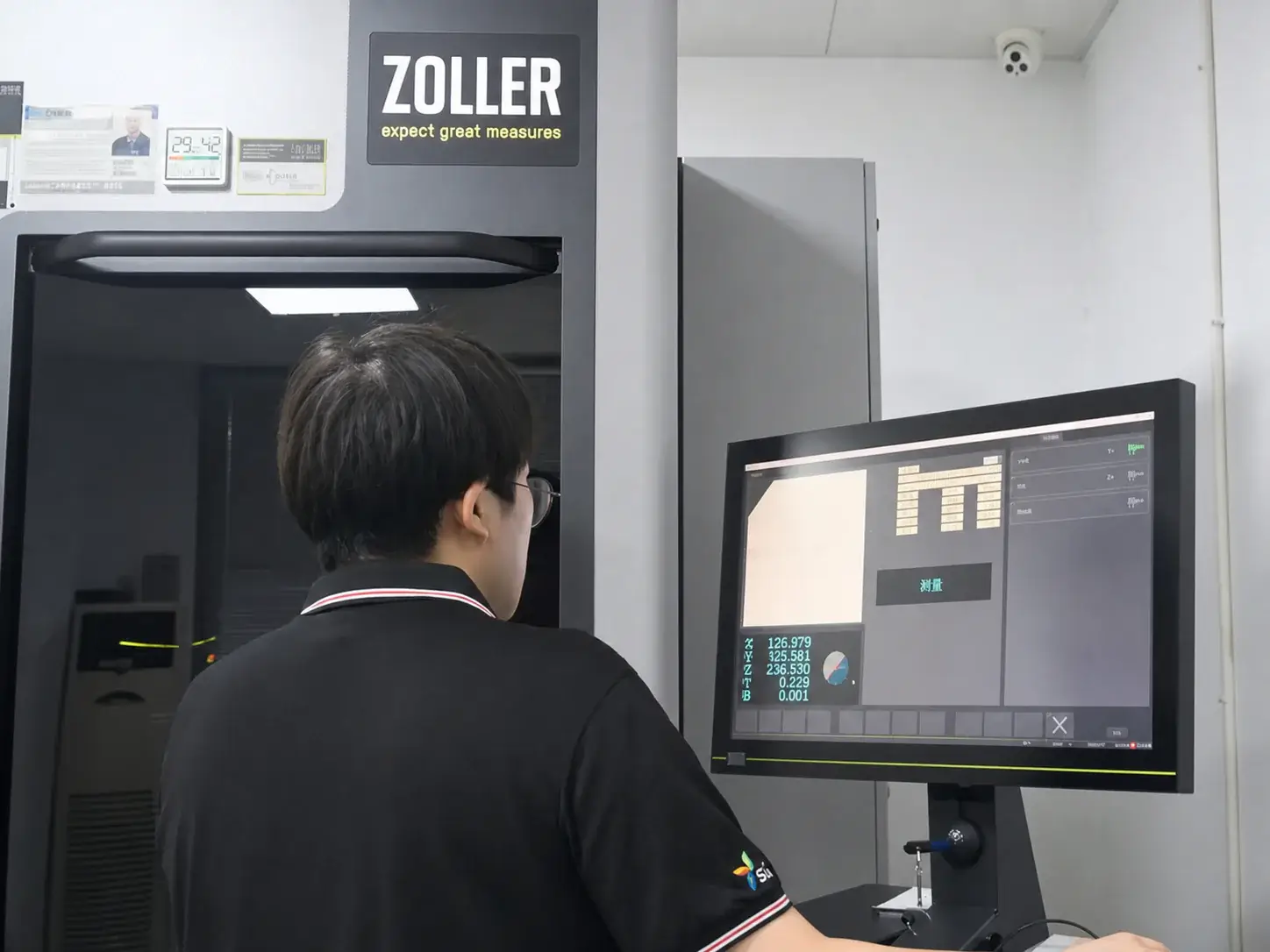
Zoller dimensional inspection
Quality Control During and After Grinding
Measure during production. Release after final inspection.
We measure during grinding, correct measurable deviation and inspect again before release.
Measure and correct during production
Check diameters, step lengths, runout and specified geometry before completion.
Final inspection and release
Record the specified results and release the tool only after inspection passes.
Custom Step Reamer Quotation
Start with your part drawing
Send the drawing, material, tolerance and production target. We will review the step geometry and machine conditions before quoting.
Drawings and uploads are treated as confidential project information.
Application Support and Verified Value
We support the first trial and stable production
We check the bore result, tool life and process when performance changes.
Qualify the bore result
Check diameters, step relationships and surface finish.
Measure accepted tool life
Count accepted parts before the agreed wear or regrind limit.
Diagnose and correct
Check the edge, runout, holder, fixture, coolant and parameters.
Confirm production value
Compare bore quality, accepted tool life and cost per accepted part.
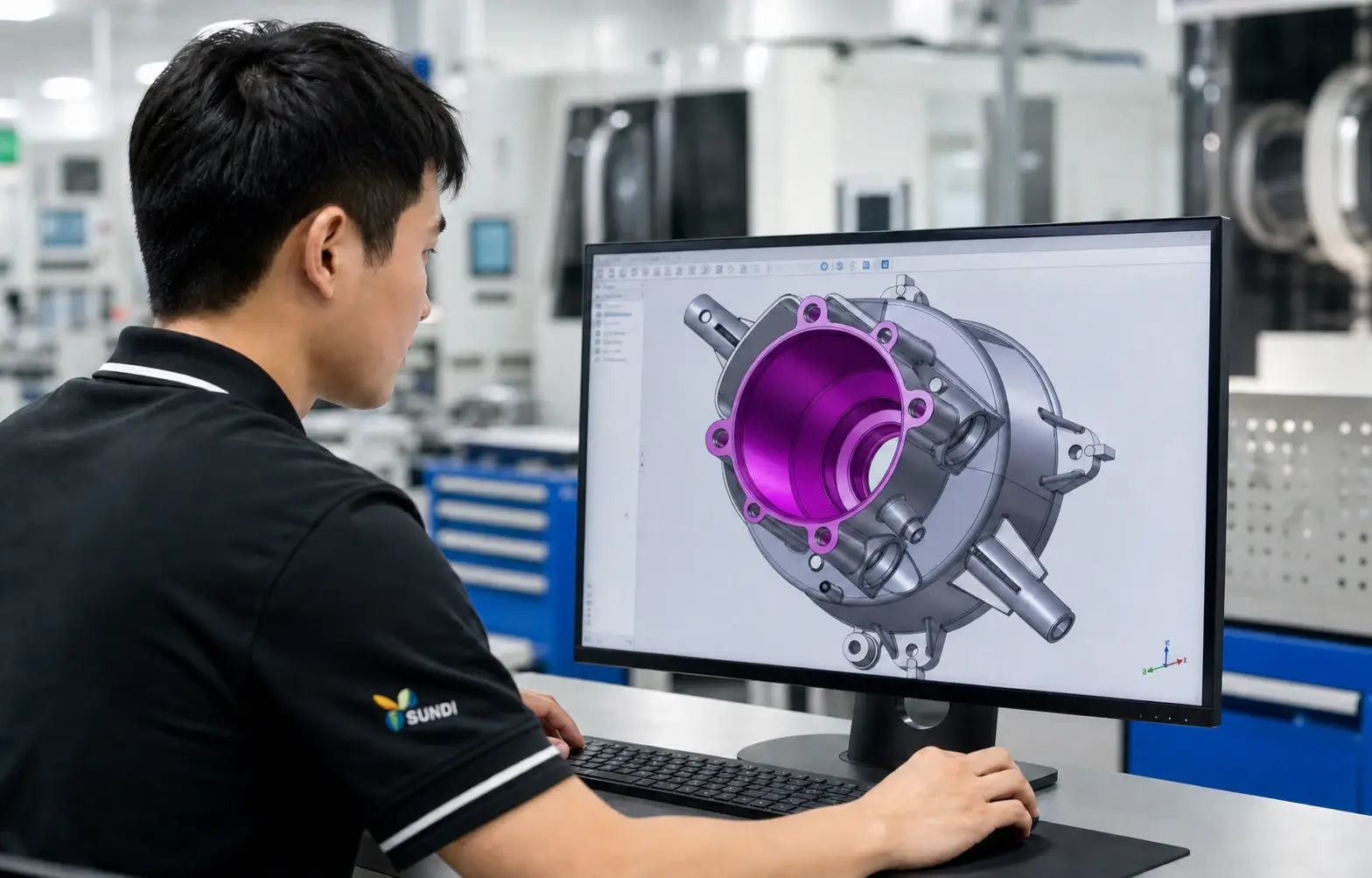
Material Application Range
Match the carbide, coating and coolant to the material and cutting conditions.
K
Cast iron
Engine, pump, hydraulic and industrial component bores.
P
Steel
Match grade, coating and coolant to hardness and stock.
N
Selected aluminum
Use carbide selectively; evaluate PCD for abrasive or high-silicon grades.
APPLICATION SUPPORT · VERIFIED IN PRODUCTION
From first trial to stable production
We support tool qualification on the machine, review the production result and agree the next adjustment when required. This hydraulic pump application is one verified example.
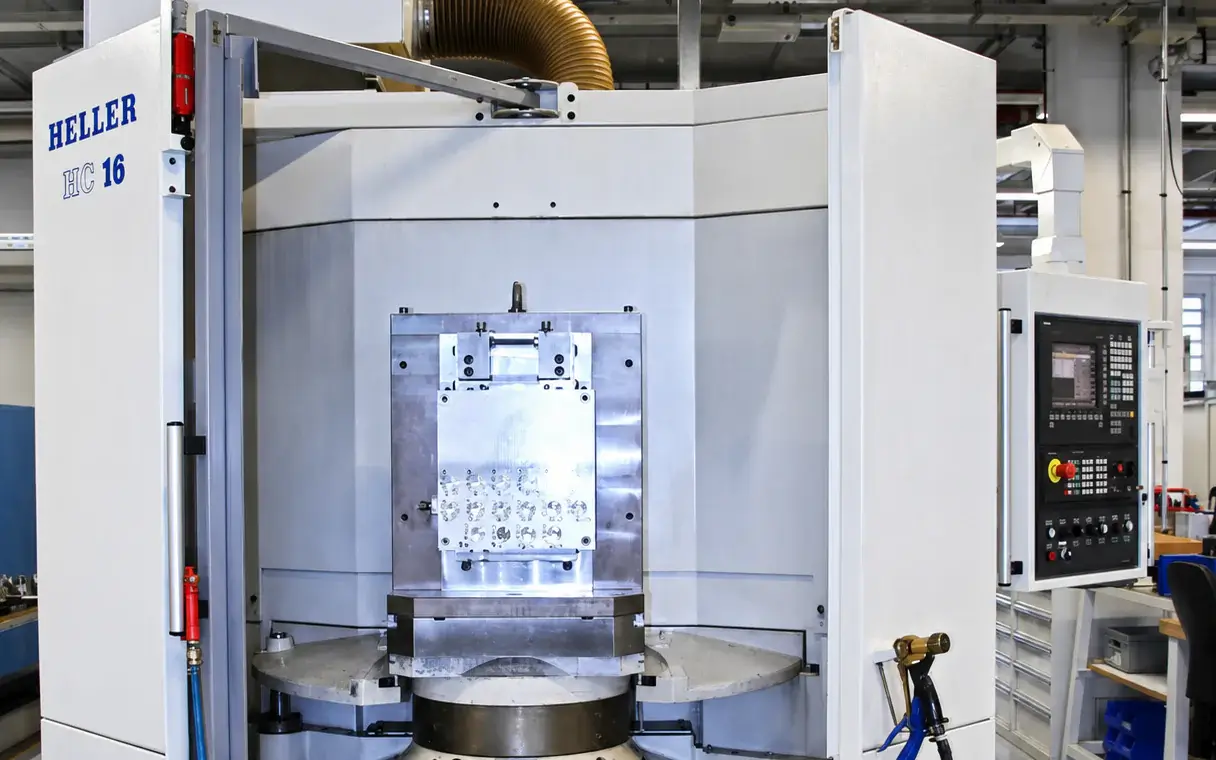
MACHINING ENVIRONMENT
HELLER HC16 · HSK-A63 · emulsion coolant
The tool was qualified under the customer’s actual machine and fixture conditions.
Start Your Project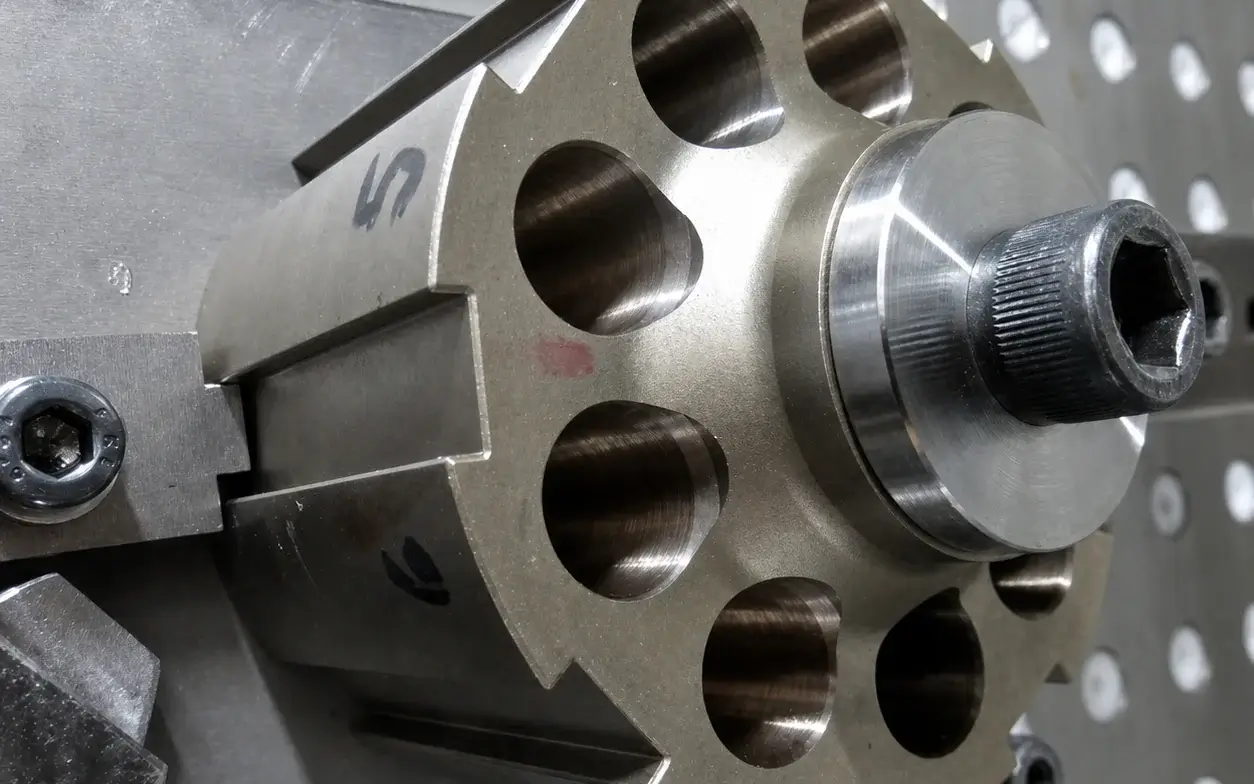
BORE APPLICATION
Ø17 mm finished bore · 47 mm cutting depth
The reamer was matched to a Ø16.7 mm pre-hole and the actual component setup.
Start Your Project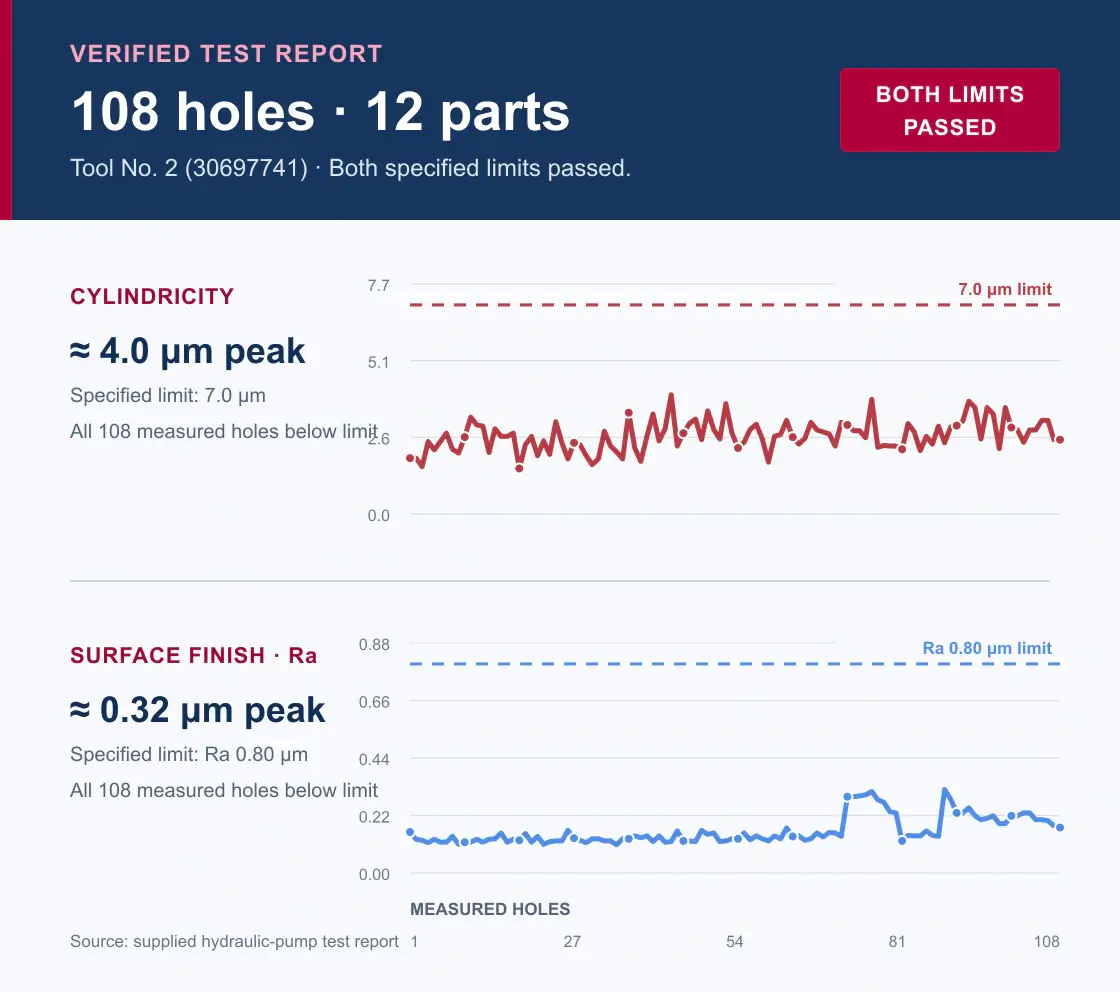 Start Your Project
Start the Engineering Review
Send the drawing and production conditions
Include the material, finished dimensions, allowance at each step, tolerance, machine, fixture, coolant and target cycle.
Drawings and uploads are treated as confidential project information.