

Carbide Drill for Hard Materials
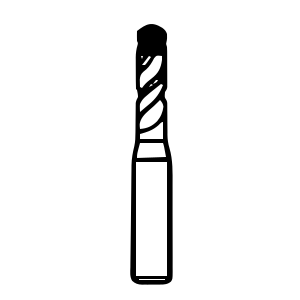
We provide solid carbide twist drills for hardened steel, cast iron, and other difficult-to-machine materials.
View Details
SOLID CARBIDE DRILLS
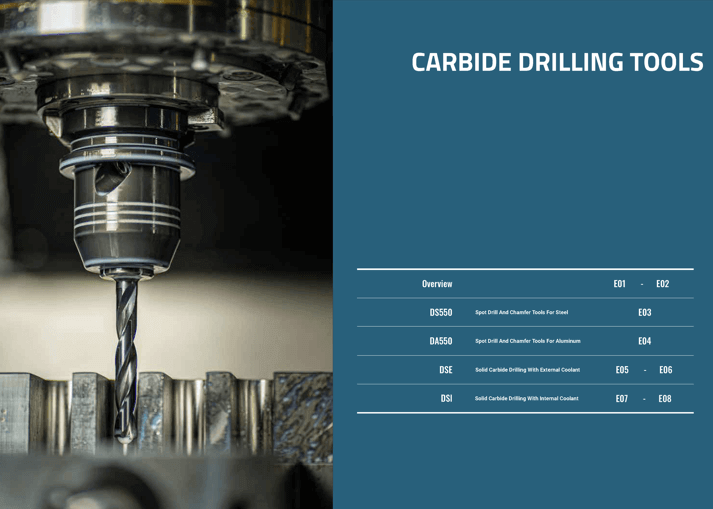
Standard and custom drills for hard materials, aluminium and copper, CFRP and deep-hole applications. Explore the drill range or share your requirements for application review.
Material, hole geometry and machining requirements guide the choice of drill.


To Get Started:Share your drawing or tell us the material, diameter and hole depth.
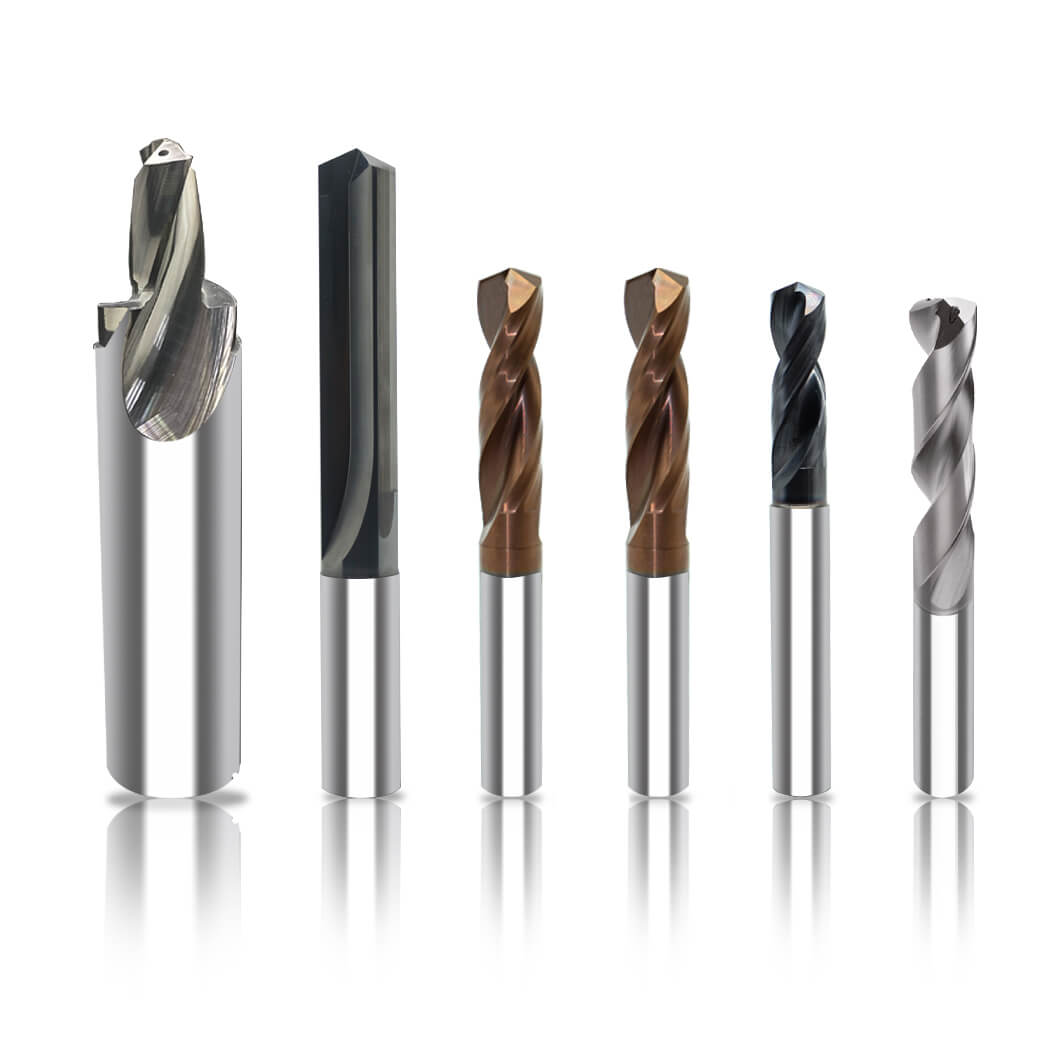
Sundi offers a wide range of carbide drill bits tailored for specific materials or applications. Whether you need versatile, high-volume, or micro-machining solutions, or deep-hole drilling tools, we provide both standard and custom carbide drill bits at competitive prices.
We provide solid carbide twist drills for hardened steel, cast iron, and other difficult-to-machine materials.
View DetailsFor softer materials like aluminum and copper, our General-Purpose Carbide Twist Drill is an ideal choice for efficient machining.
View DetailsCVD diamond-coated twist drills are ideal for machining composite materials, including aerospace carbon fiber.
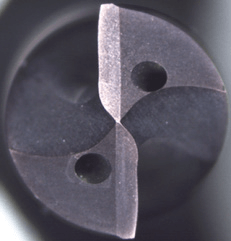
View DetailsFor higher efficiency with good precision and surface finish, 3-flute drills can achieve results comparable to reamers in finishing.
View DetailsCarbide straight flute carbide drills ensure precise straight-hole positioning and meet the demands of high-precision hole machining.
View DetailsStep drills are designed to drill multiple hole sizes with one tool, ideal for applications requiring versatility and consistent results.
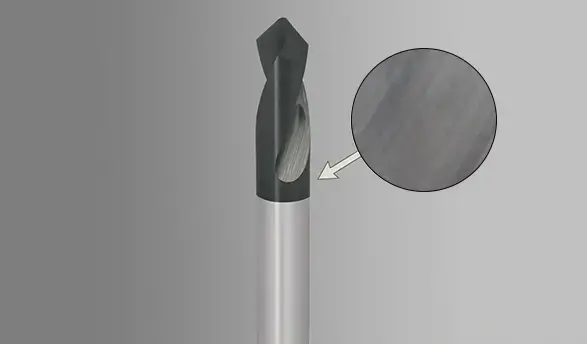
View DetailsSpot drills are designed for precise hole location and are ideal for applications requiring accurate positioning
View DetailsCenter drills are used to create precise starting points on shafts, ensuring accurate alignment for further machining.
View DetailsCarbide flat-bottom drills are perfect for drilling on angled and curved surfaces, with a 180° point angle ensuring a flat-bottom hole.
View DetailsDeep hole twist drills are designed for drilling deep, precise holes, ensuring smooth chip removal and stable performance in deep-hole applications.
View DetailsCarbide micro drills are designed for high-precision drilling in small holes, ideal for aerospace, medical, automotive, and electronics industries.
View Details
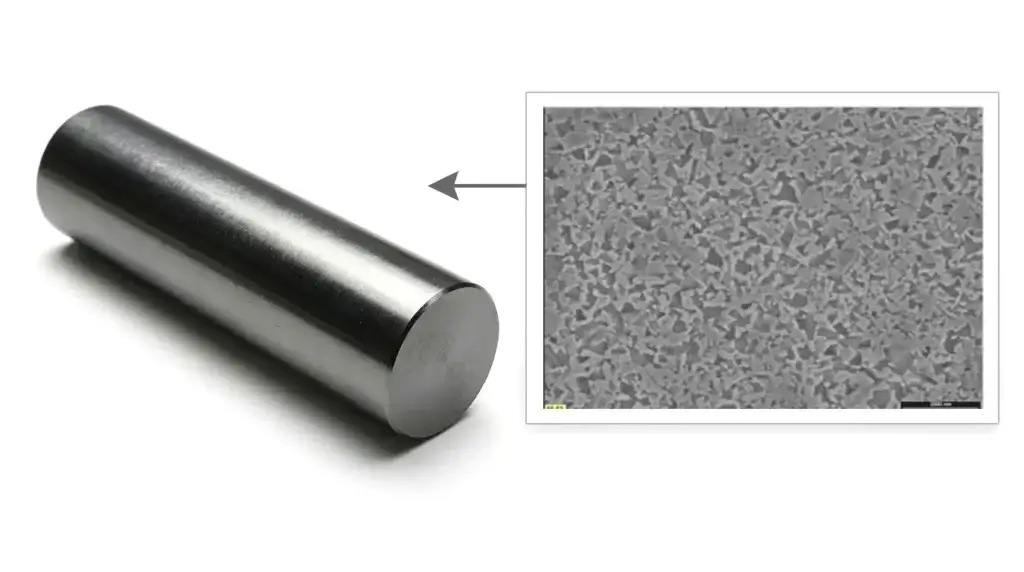
We select premium tungsten carbide materials tailored for machining steel, cast iron, non-ferrous metals such as aluminum and copper, as well as high-temperature alloys, offering superior wear resistance and exceptional stability.
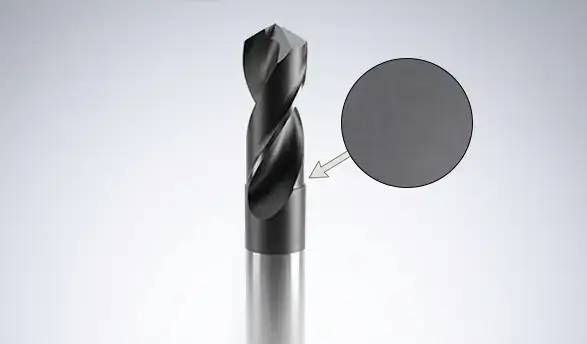
| Coating | Color | Coating hardness HIT [GPa] | Max temperature | Friction Coefficient | Optimal Applications | compatibility |
|---|---|---|---|---|---|---|
| DLC | Black/iridescence | 65 | 450° | < 0.10 | Non-ferrous metals | ★ |
| CVD Diamond-Coated | dark gray | 80 - 100 | 600° | - | Composite materials,Graphite, ceramics | ★ |
| AlTiN | gray | 35 +/-3 | 1000° | - | General-Purpose | ★★★ |
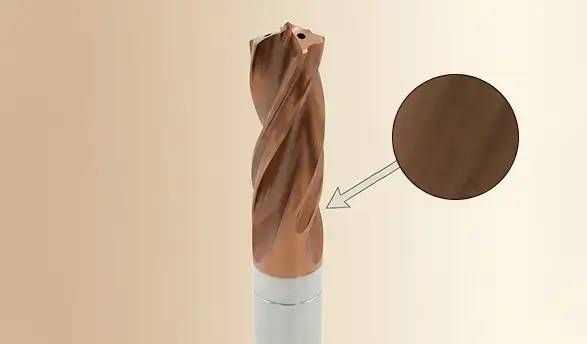
| AlTiSiN | bronze | 38 +/-1 | 1000° | - | Hard Materials | ★★ |

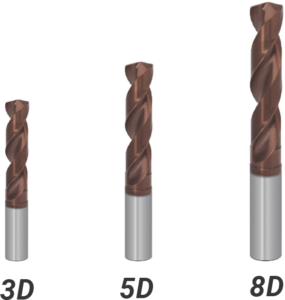

| Coolant | Work piece material | Diameter | Length of flute |
|---|---|---|---|
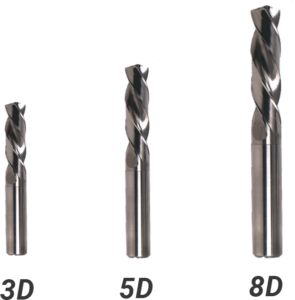
 | for steel / cost iron/ special Alloys | D3.0-D20 | 3D |
| D3.0-D20 | 5D | ||
| D3.0-D20 | 8D | ||
 | for steel / cost iron | D3.0-D20 | 3D |
| D3.0-D20 | 5D | ||
| D3.0-D20 | 8D |

| Coolant | Work piece material | Diameter | Length of flute |
|---|---|---|---|
| for aluminum/ cooper/ nonferrous metal | D3.0-D20 | 3D |
| D3.0-D20 | 5D | ||
| D3.0-D20 | 8D | ||
| for aluminum/ cooper/ nonferrous metal | D3.0-D20 | 3D |
| D3.0-D20 | 5D | ||
| D3.0-D20 | 8D |
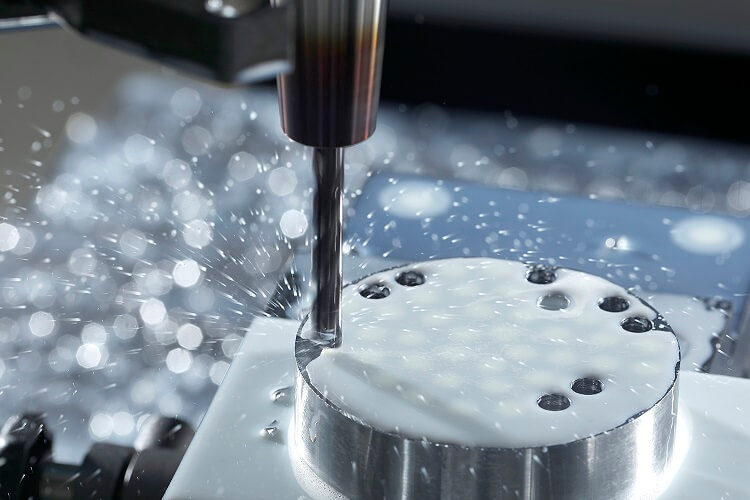
Machining Process
Drilling in 42CrMo with emulsion coolant on a HAAS machine, at a cutting speed of 80 m/min and a feed rate of 980 mm/min.
Application
14 mm-deep drilling in 42CrMo.
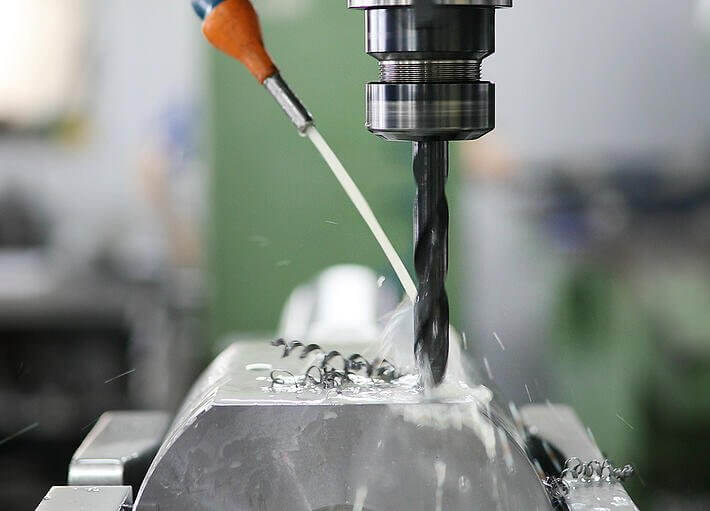
Machining Process
Drilling in SUS304 with emulsion coolant using a BT50 tooling interface, at a cutting speed of 70 m/min and a feed rate of 943 mm/min.
Application
24 mm-deep drilling in SUS304.
HSS (High-Speed Steel) drills are versatile and commonly used for drilling a variety of materials, such as steel, wood, and plastics. They are more affordable compared to carbide drills and are suitable for less demanding applications. On the other hand, carbide drills are made of a tougher material that can withstand higher temperatures, making them ideal for drilling hard materials such as stainless steel, titanium, and other alloys. Carbide drills offer superior performance and longer tool life, but they come at a higher cost.
For more details, you can visit Choosing Between HSS and Carbide Drill Bits.
Yes, carbide drills are capable of drilling through hardened steel. Due to their hardness and heat resistance, carbide drills can effectively cut through tough materials like hardened steel without losing their edge. However, it’s essential to ensure proper drilling parameters (e.g., speed, feed rate, and coolant) to prevent excessive wear or breakage.
While carbide tools are known for their durability and performance, they come with some drawbacks. The main disadvantage is their brittleness — carbide tools are more prone to chipping or breaking if not handled correctly or if they encounter shock loads. They also tend to be more expensive than their HSS counterparts. Furthermore, carbide tools require precise machining conditions and careful handling during installation and operation.