
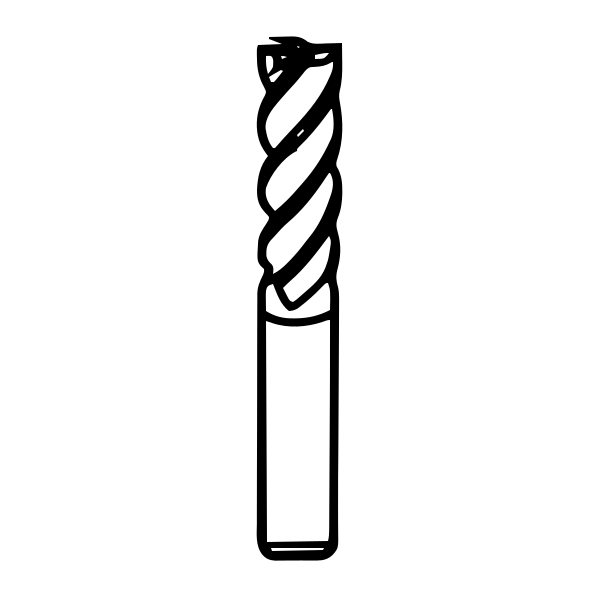
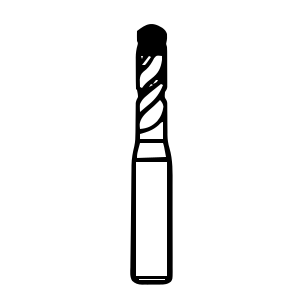


Straight Flute Reamer
Straight flute reamers are used for general hole finishing, providing better surface finish.
View Details
ENGINEERED SOLID CARBIDE REAMERS
Standard and custom solid carbide reamers for straight-flute, spiral-flute, blind-hole and through-hole applications—developed around the required diameter, tolerance and production conditions.
The nominal diameter is only the starting point. We configure the reamer around the actual hole and production conditions.


To Get Started:Share your drawing, workpiece material, pre-hole size and finished diameter with tolerance.

Sundi offers a comprehensive range of reamers, including solid reamers, long reamers, and custom step drills or drill reamers, designed to meet all your precision hole finishing needs. Whether you’re looking for standard or custom solutions, our tools ensure high-quality results and precision for a variety of applications.
Straight flute reamers are used for general hole finishing, providing better surface finish.
View DetailsSolid carbide spiral-flute machine reamers for precision H7 hole finishing.
View DetailsCarbide drill reamers complete drilling and reaming in one operation, providing high efficiency and precision.
View DetailsCarbide taper reamers are used for precision finishing of tapered holes, ensuring a perfect fit for taper pins.
View DetailsCarbide tipped reamers feature a steel body with carbide tipped, ensuring precision while reducing cost.
View DetailsStep reamers can machine multiple diameters in one operation, achieving integrated shaping of multi-size holes.
View Detailslong reamer can precisely machine deep holes or long workpieces, balancing rigidity and accuracy.
View DetailsWe also offer a wide range of custom chucking reamers, tailored to meet specific machining needs.
View DetailsMade from high-purity tungsten carbide (WC-Co) fine-grain material for superior durability.
Efficiently processes difficult-to-machine materials such as titanium alloys, Inconel, and HRC45-60 hardened steels.
Suitable for machining common materials like cast iron, aluminum alloys, and stainless steel.
Precision-ground cutting edges with optimized flute design ensure H5-H7 tolerance control and low surface roughness.
No burrs or residue left, even in high-speed or intermittent cutting applications.
Stable performance under high cutting speeds, meeting batch production requirements.
Strong consistency in machining quality, reducing tool changes and improving production efficiency.
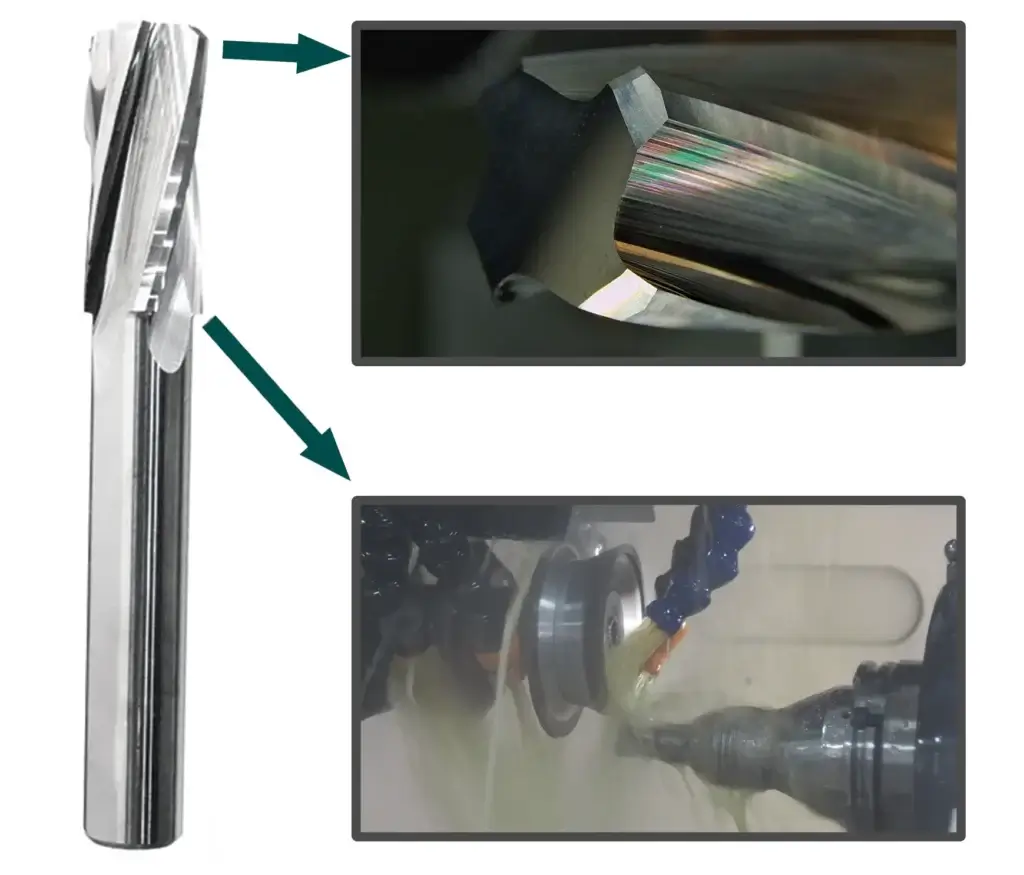
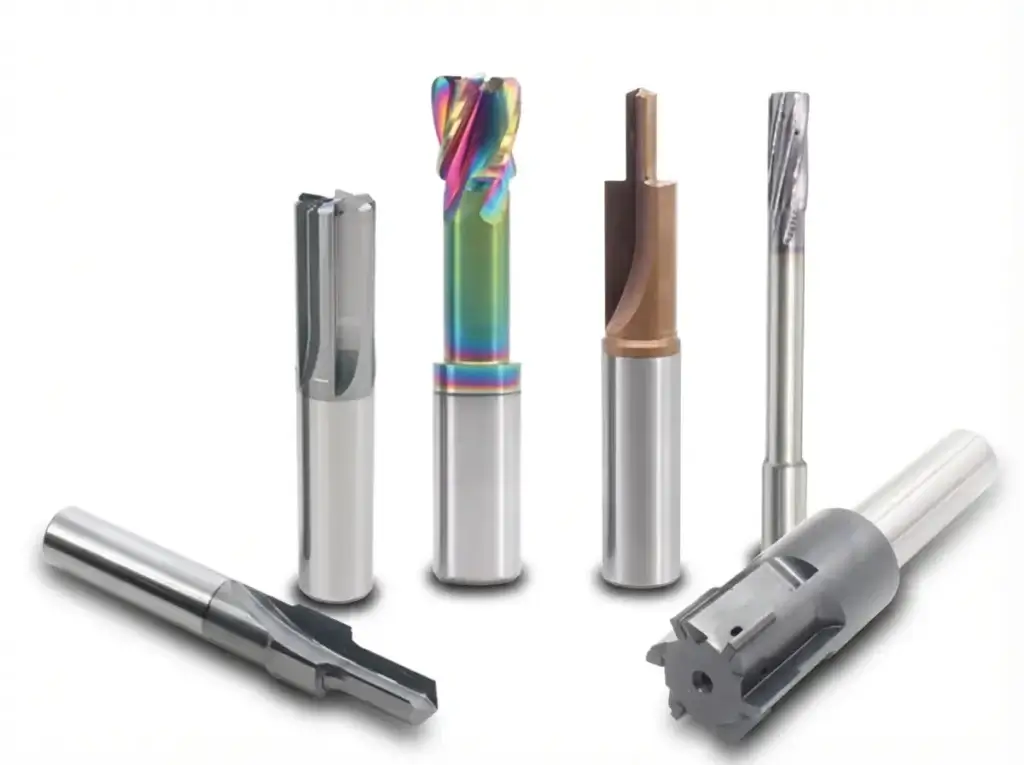
Multiple high-performance coating options to precisely match different machining scenarios:
TiAlN coating (high temperature, oxidation resistance) for high-speed cutting of steels and alloys.
DLC coating (low friction, wear resistance) for machining non-ferrous metals and sticky materials.
AlTiN coating (high hardness, corrosion resistance) for extreme machining conditions.
Coatings form a protective barrier on the tool surface, significantly reducing cutting friction.
Coated tools offer 3-5 times longer lifespan compared to uncoated reamers, ensuring stable performance during long-term, continuous operations.
Sundi, in partnership with Oerlikon, uses the most advanced and precise coating technologies available to recommend the best coating solution for your machining conditions.
Our carbide reamers feature application-specific cooling designs to optimize chip removal and heat dissipation:
Adopt external coolant delivery (paired with standard flood/oil mist systems). Coolant flows around the reamer to flush chips through the hole while cooling the cutting zone, ideal for open, through-hole machining.

Equip center coolant holes that direct coolant straight to the cutting edge. This flushes chips upward (out of the blind hole) and prevents heat buildup, solving the clogging issue in closed-hole machining.

We also offer multiple coolant hole configurations (double straight, double spiral, single-side straight, etc.) to match your machining setup, ensuring efficient cooling in high-speed, precision reaming processes.


The main purpose of a reamer is to provide precision finishing to an existing hole, improving its size, shape, and surface finish. Reamers are typically used to achieve tight tolerances and smooth surfaces, ensuring that holes are accurate and consistent.
The three types of reamers are:
Solid Reamer: Made from a single piece of material (usually high-speed steel or carbide), solid reamers are used for general precision hole finishing. They offer durability and high precision but are best suited for softer materials.
Carbide-Tipped Reamer: These reamers feature carbide tips brazed onto the cutting edges, providing enhanced hardness and wear resistance. They are ideal for machining harder materials, such as steel, and offer longer tool life and superior cutting performance.
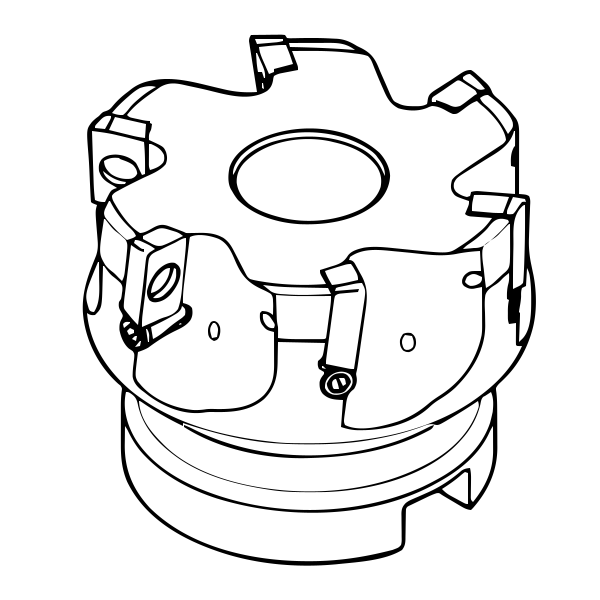
Inserted Blade Reamers: Inserted blade reamers use replaceable carbide or other hard material inserts for cutting. These reamers are designed for high-volume or heavy-duty operations, as the inserts can be replaced when worn out, extending tool life and reducing downtime.
While a drill bit can be used to create a hole, it is not designed to achieve the high level of precision that a reamer provides. A drill bit will leave a rougher surface and may not achieve the tight tolerances that a reamer can. For precise hole finishing, a reamer is preferred.
