




Choosing Between HSS and Carbide Drill Bits: A Complete Guide
Drilling as a crucial process in industrial projects, choosing the right drill bit is crucial in everyone’s daily drilling process, HSS drills and carbide drills are the two most common types and they have their own advantages and disadvantages. They have their own advantages and disadvantages. Read this guide to help you choose the most suitable drill for different machining scenarios, and avoid the loss of time and money due to poor results caused by using the wrong tool.
Drilling is when a drill makes a hole in a workpiece, and while the substrate (what material you use for your drill) may not sound that important, it can affect a lot of aspects of drilling, such as the cost, what the machine can carry, how it needs to be clamped, and what materials it can work with, to name a few.
Contents
When to Choose HSS Drill Bits
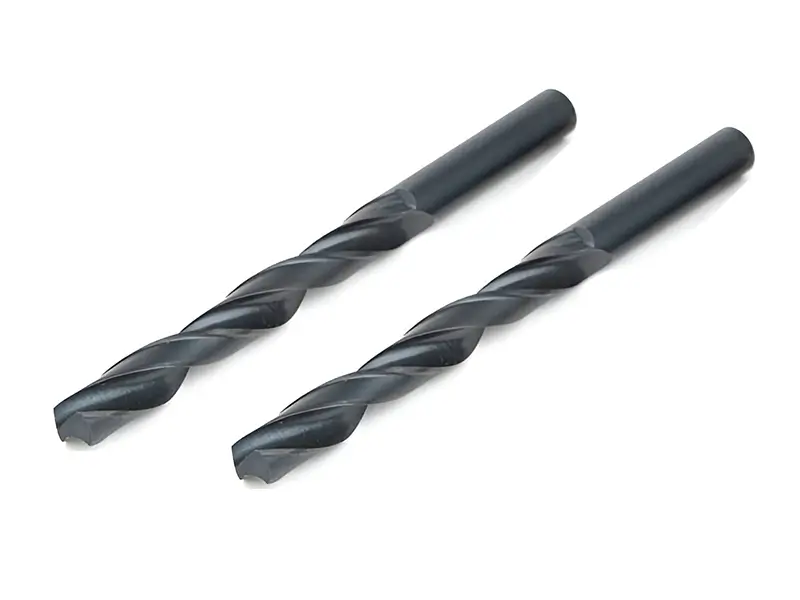
What Are HSS Drill Bits?
HSS drill bits are made from high-speed tool steel. Typical grades contain carbon and alloying elements such as chromium, tungsten and/or molybdenum, and vanadium; some also contain cobalt. Titanium-based coatings are distinct from the HSS substrate. With a suitable grade and geometry, HSS drills offer a useful balance of toughness and cost for general-purpose drilling.
Advantages of Using HSS Drill Bits
Wide applicability:
HSS drill bits can be used to drill a variety of materials, including steel, stainless steel, cast iron, aluminum, wood, and plastics. Their broad range of applications makes them a reliable choice across many industries.
Cost-effective:
HSS drill bits are more economical than carbide bits. They are easier to resharpen, have a lower initial cost, and offer decent tool life — all of which contribute to their overall value, making them a practical solution for general-purpose drilling.
High impact resistance:
HSS is generally tougher and more tolerant of shock than cemented carbide. Suitable HSS drills can be useful in handheld drilling, but the workpiece and tool must still be securely controlled. Correct looseness, excessive runout, and vibration rather than relying on HSS to compensate for an unstable setup.
Disadvantages of Using HSS Drill Bits
Durability:
HSS may wear faster than a suitable carbide drill in demanding production work, but tool life depends on the material, drill geometry, coating, cutting conditions, and setup. Compare holes produced within tolerance before resharpening or replacement.
Moderate machining efficiency:
HSS generally operates at lower cutting speeds than carbide in comparable applications. This can limit production rate, but actual cycle time and tool life also depend on feed, hole depth, chip evacuation, and the stability of the process.
Precision:
HSS drill accuracy is not determined by an inherently larger tip. Suitable HSS micro drills are available. Hole size and accuracy depend on the drill design, diameter, runout, guidance, work material, and cutting conditions; choose the tool against the actual hole requirement.
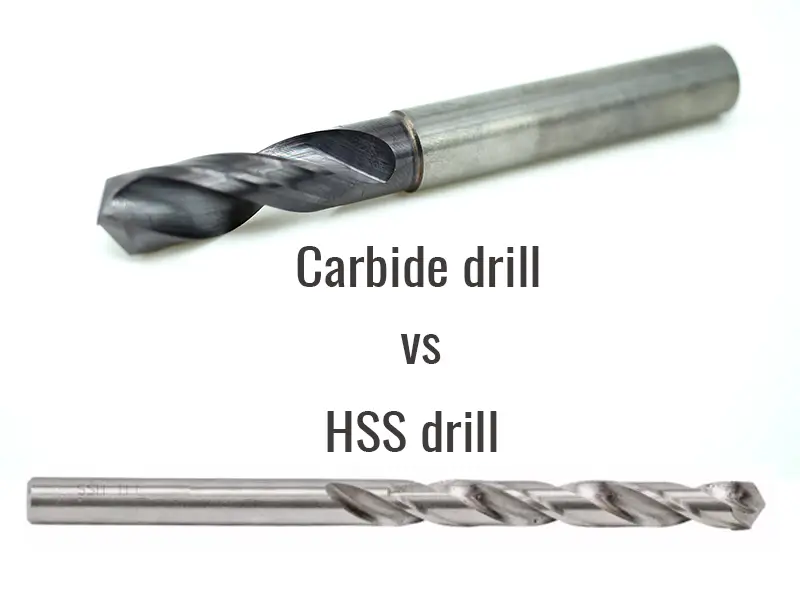
When to Choose Carbide Drill Bits
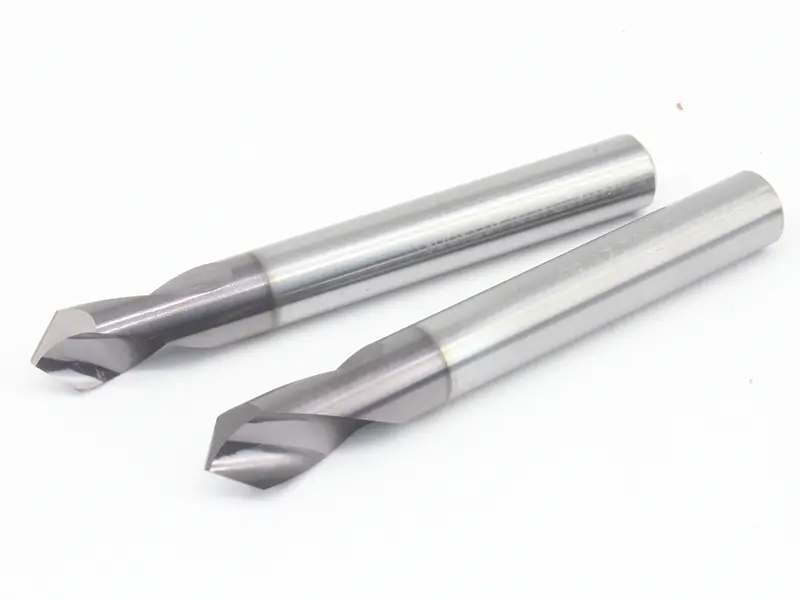
What Are Carbide Drill Bits?
Carbide drill bits commonly use cemented tungsten carbide, with hard carbide grains held by a metallic binder, often cobalt. Suitable carbide grades provide high stiffness and wear resistance for productive drilling when the tool design and setup match the application.
Advantages of Using Carbide Drill Bits
High hardness and wear resistance:
Suitable carbide drills can provide strong wear resistance in production drilling. Steel, stainless steel, cast iron, and fibre composites require appropriate grades, geometries, and cutting conditions. Hardness alone does not guarantee longer life than HSS; compare performance under conditions appropriate for each tool.
Heat resistance:
Carbide generally retains useful hardness at higher cutting temperatures than HSS, supporting higher cutting speeds in suitable applications. There is no single operating-temperature limit that applies to all drills. Use grade- and material-specific cutting data, and account for coating, coolant delivery, and heat generated in the actual hole.
Higher precision:
Carbide stiffness can help control deflection in suitable precision-drilling applications. However, micro drills are available in both carbide and high-speed steel grades, so small diameter alone does not rule out HSS. Select the drill for the work material and hole tolerance, and control runout, support, feed, and chip evacuation.
Versatility:
Carbide drills are available for a wide range of materials, including steels and aluminum. This does not mean one drill suits every material: select the grade, geometry, coating, and cutting data for the application. Verify cycle time and hole quality before claiming an efficiency benefit.
Disadvantages of Using Carbide Drill Bits
Higher tool cost: Carbide drills often have a higher purchase price than comparable HSS drills. Whether they reduce total cost depends on cycle time, acceptable holes per tool, reconditioning options, and rejection risk. Compare cost per acceptable hole for the actual production volume.
Greater brittleness: Cemented carbide is generally less tolerant of shock and bending than HSS. Excessive runout, vibration, poor alignment, or interrupted engagement can cause chipping or breakage. Correct these conditions and use the drill within its recommended operating limits.
Higher equipment requirements: Solid carbide metalworking drills generally require rigid workholding, accurate alignment, and low runout. Use them in equipment approved for the specific drill; do not assume a drill intended for a machining centre is suitable for a handheld drill.
Advanced Choice: The Benefits of PCD Drill Bits
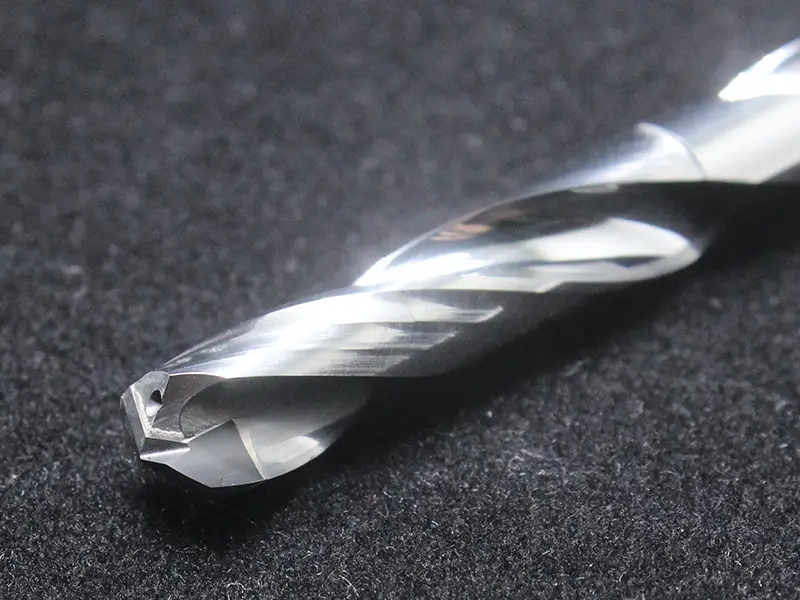
PCD drills use polycrystalline diamond cutting edges in a purpose-designed tool. They can be useful for abrasive non-ferrous materials and suitable composites. Tool life and economic benefit depend on the work material, edge design, process, and production volume; a universal 50–100-fold life improvement over HSS or carbide should not be assumed. Confirm application suitability and cost per acceptable hole before selecting PCD.
Conclusion
HSS and carbide drills serve different needs. HSS can be a practical choice for general-purpose work, suitable handheld applications, and jobs where initial tool cost matters. Secure the workpiece and correct an unstable setup before drilling, regardless of the tool material.
Carbide can offer productive drilling in a rigid, well-controlled setup with an appropriate grade and geometry. Consider PCD for suitable abrasive non-ferrous or composite applications, rather than as a universal upgrade. Compare hole quality, cycle time, usable tool life, and total cost for the actual job.
If you are still confused, you can contact our technical team and we will advise you free of charge.