Skip to content
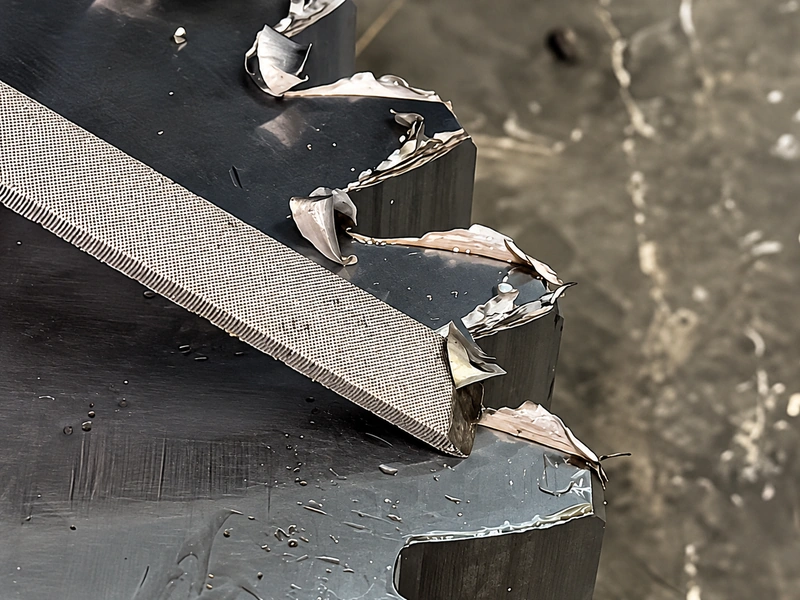
Cutting tool failure: causes and a practical troubleshooting guide
Troubleshoot cutting tool failure: inspect damage, then check material, machine, holding, tool geometry, coolant and actual cutting parameters in sequence.
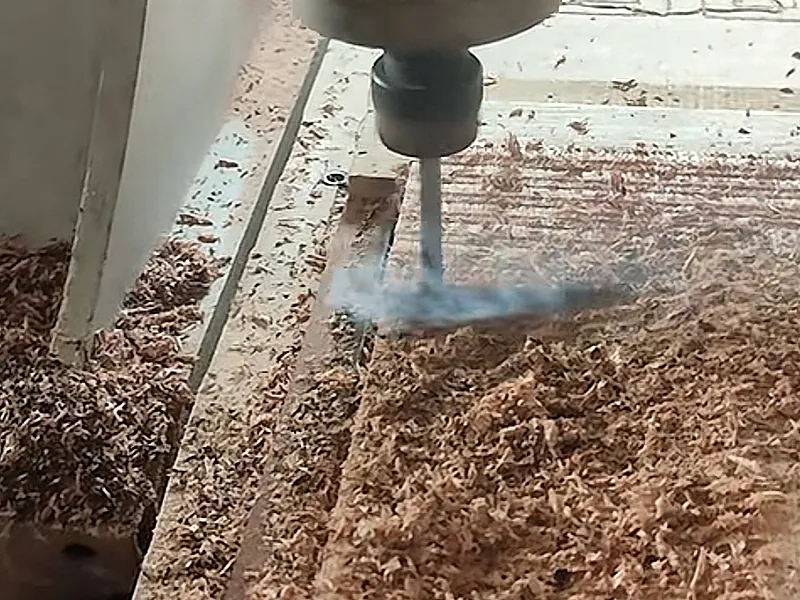
Router Bit Burning: Find the Cause from the Burn Pattern
Diagnose router bit burning from burn location, chips, sound, edge condition and toolpath. Verify one cause and change one variable at a time.
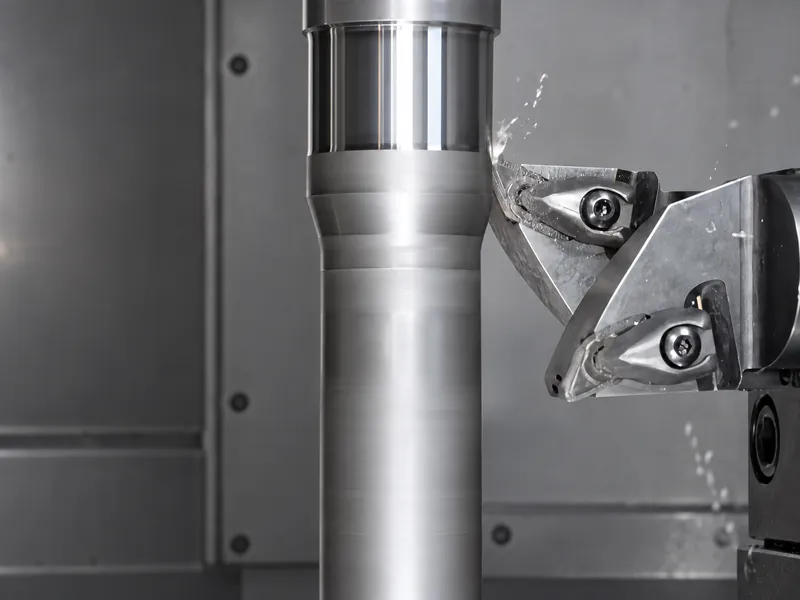
Taylor Equation for Tool Life: Calculate n and C, Then Test the Result
Calculate n and C from a worked Taylor tool life example, predict life at a new speed, and plan controlled trials before choosing production settings.
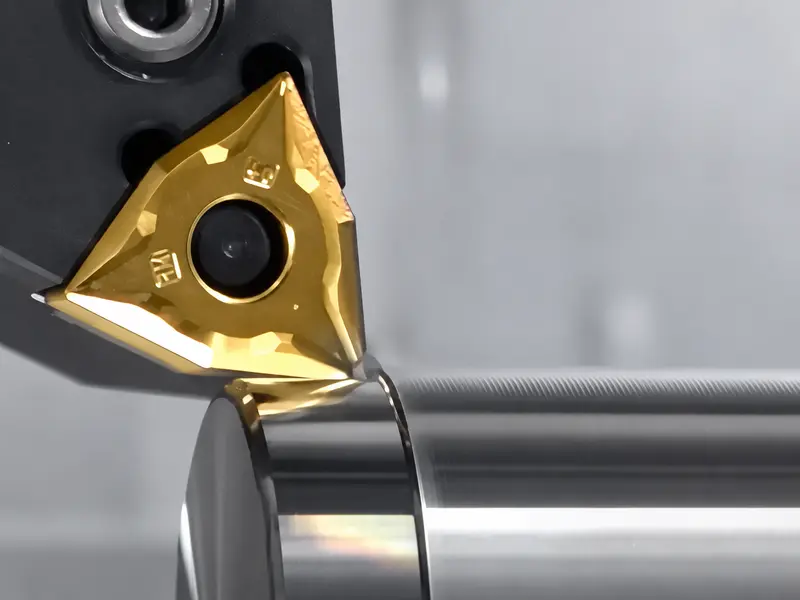
Small Insert Nose Radius: When It Helps and What It Trades Away
Decide when a small insert nose radius can reduce radial-force risk, how it trades corner strength and theoretical finish, and when to check the setup first.
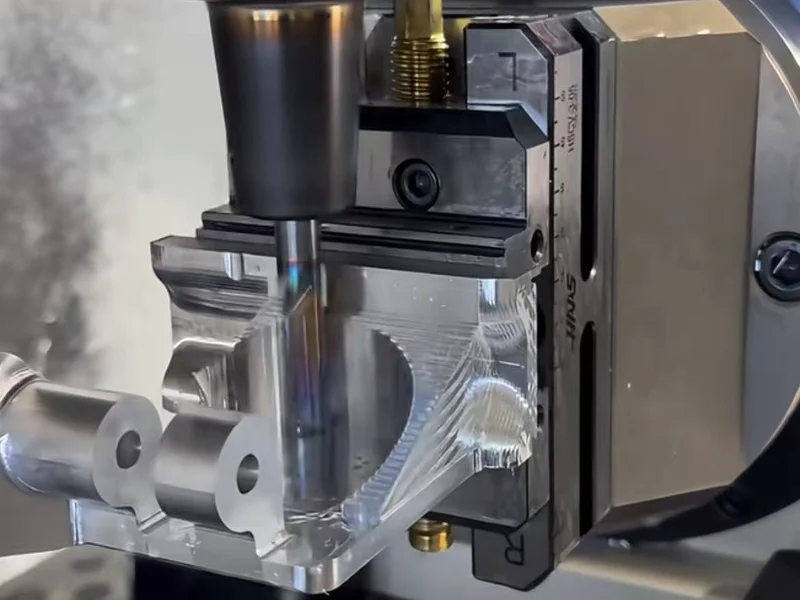
Cutting Speed Formula: Convert Surface Speed to RPM Without Mixing Units or Operations
Use the cutting speed formula to convert Vc or SFM to RPM, choose the correct active diameter, separate feed models, and check machine limits.
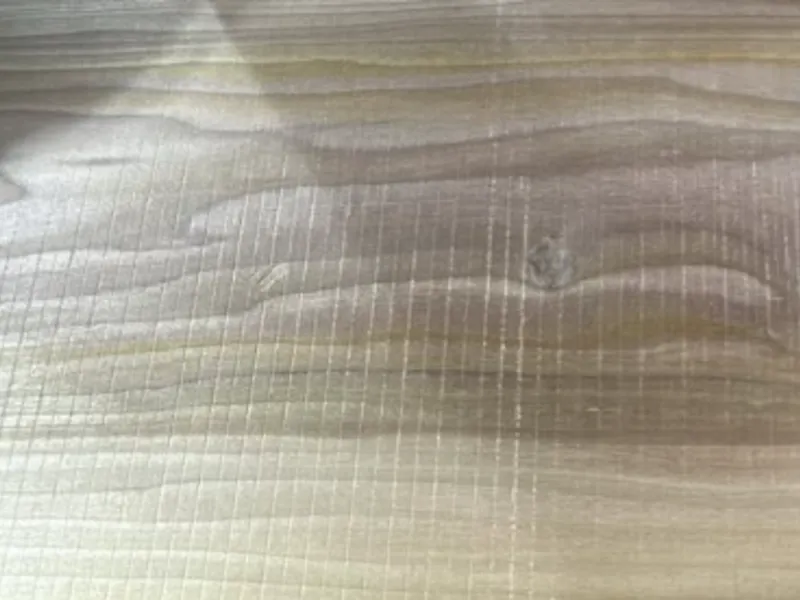
Planer Marks: Diagnose Surface Patterns Before Replacing Knives
Match planer marks to likely causes, confirm the pattern safely, and decide whether to clean, adjust, inspect or replace planer knives.
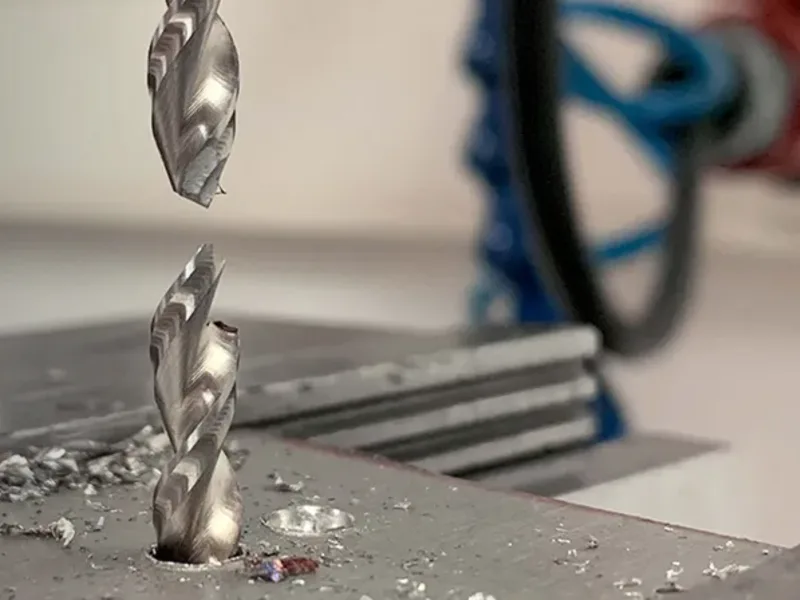
Drill Breakage: Find the Cause of Repeated CNC Drill Failures
Diagnose drill breakage by where and when it happens. Check chips, coolant, runout, entry, breakthrough and workholding before changing parameters.
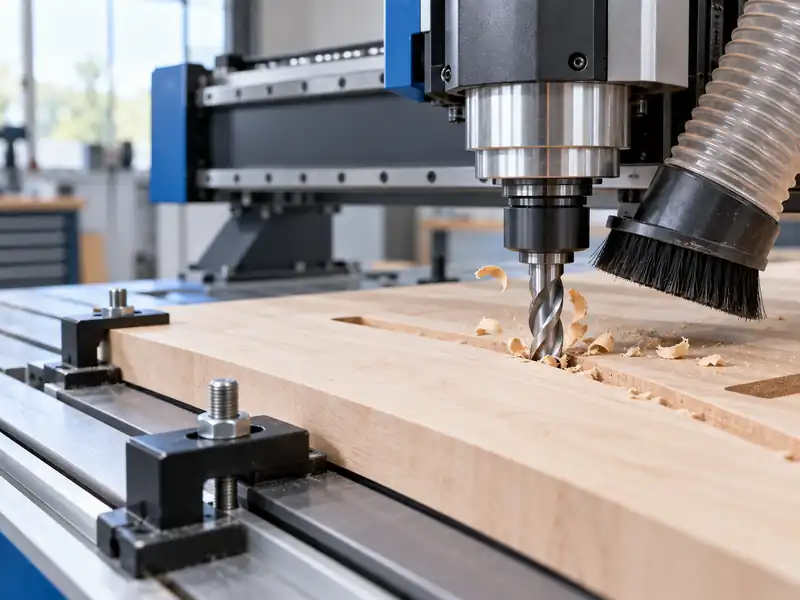
CNC Router Feed Rate: Calculate Feed, RPM and Depth-of-Cut Trade-offs
Calculate CNC router feed rate from RPM, cutting edges and chip load. Check machine feed limits, router bit depth of cut and a controlled test sequence.
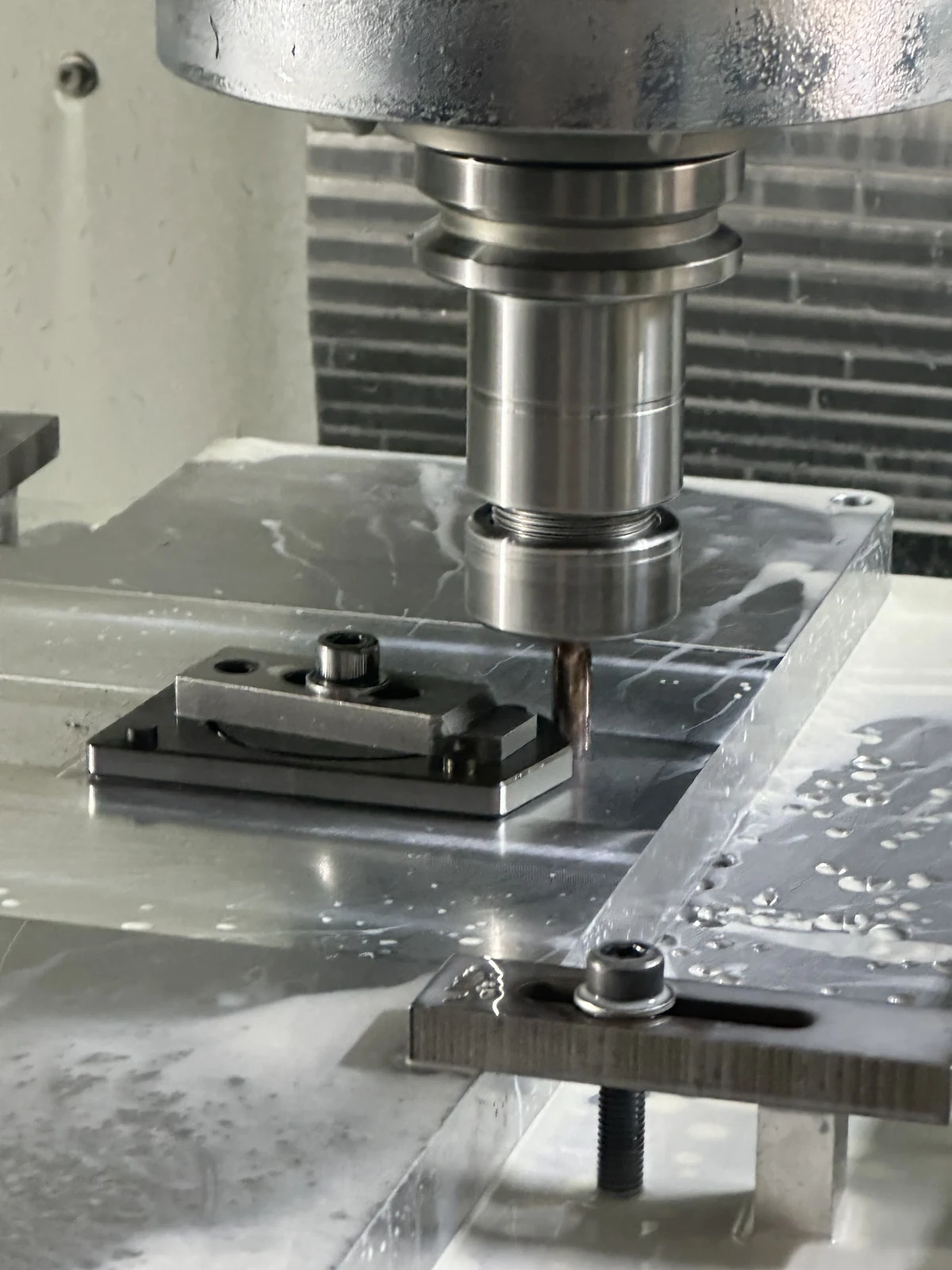
Hard Milling Speeds and Feeds: A Practical Starting-Point and Troubleshooting Guide
Set hard-milling speeds and feeds by matching material, tool, engagement and setup conditions, then diagnose runout, reach and chip recutting before changing the program.
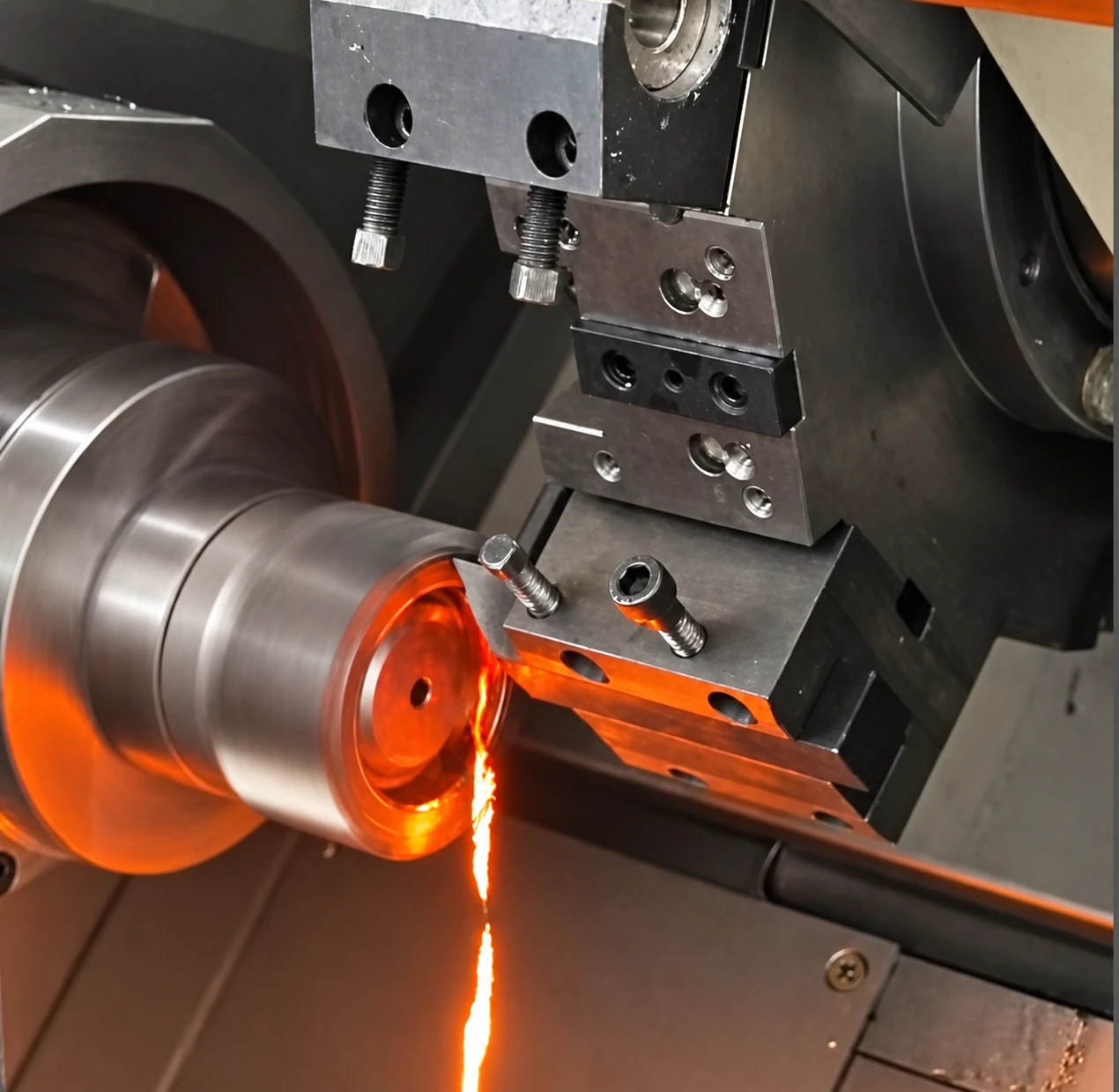
How to Select CBN for Interrupted Hard Turning
Select PCBN for interrupted hard turning by profiling impact severity, matching grade and edge direction, then checking setup and thermal causes before changing the insert.