

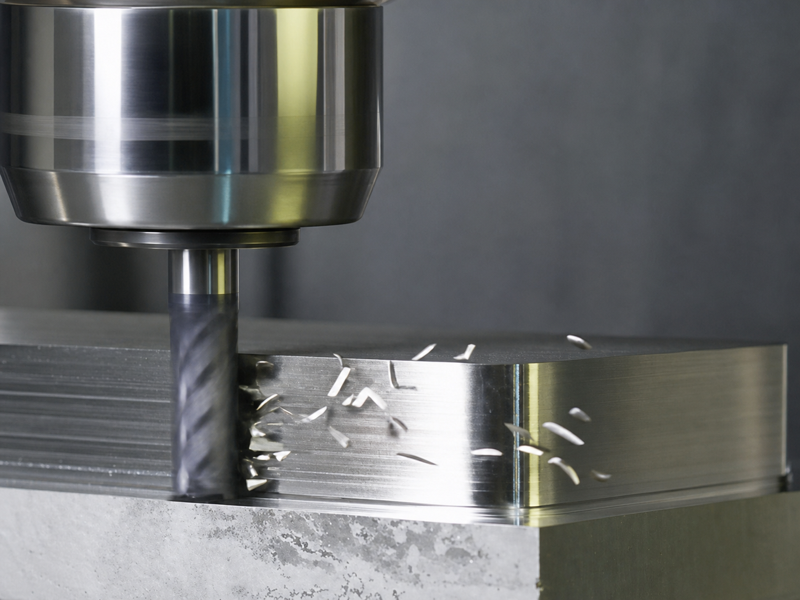
Side Milling with an End Mill: How to Machine and Verify a Wall
Set up side milling with an end mill, plan radial and axial engagement, run a proof cut, and diagnose wall taper, deflection and finish problems.
Read More

Set up side milling with an end mill, plan radial and axial engagement, run a proof cut, and diagnose wall taper, deflection and finish problems.
Read More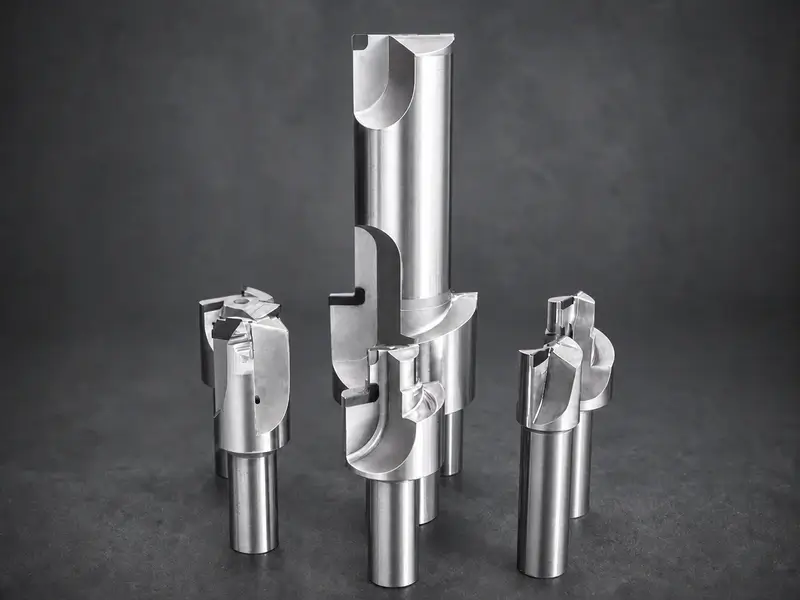
Diagnose an oversize reamed hole by checking measurement, bore shape, pre-hole quality, runout, tool wear, chips, coolant, and cutting conditions.
Read More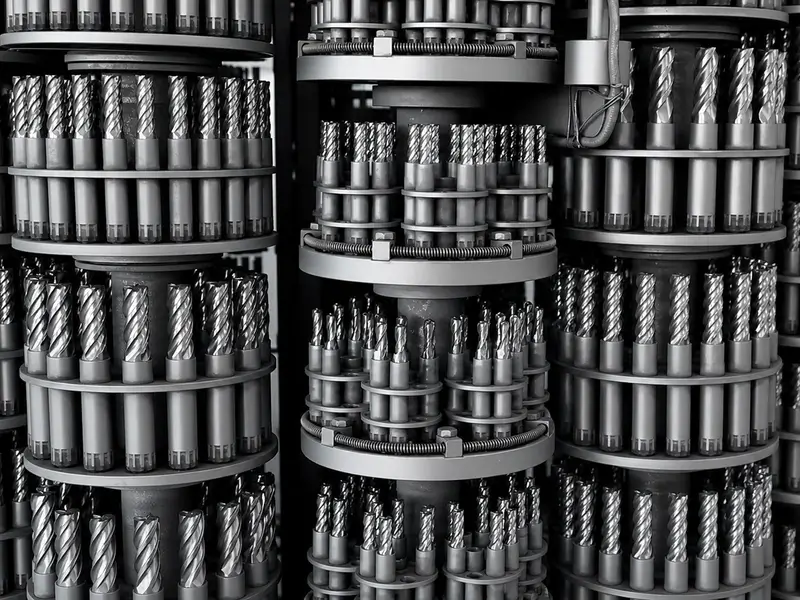
Compare TiN, TiCN, AlTiN, TiAlN, AlCrN, ZrN, TiB2, DLC and diamond coatings by properties, material fit, color limits and process conditions.
Read More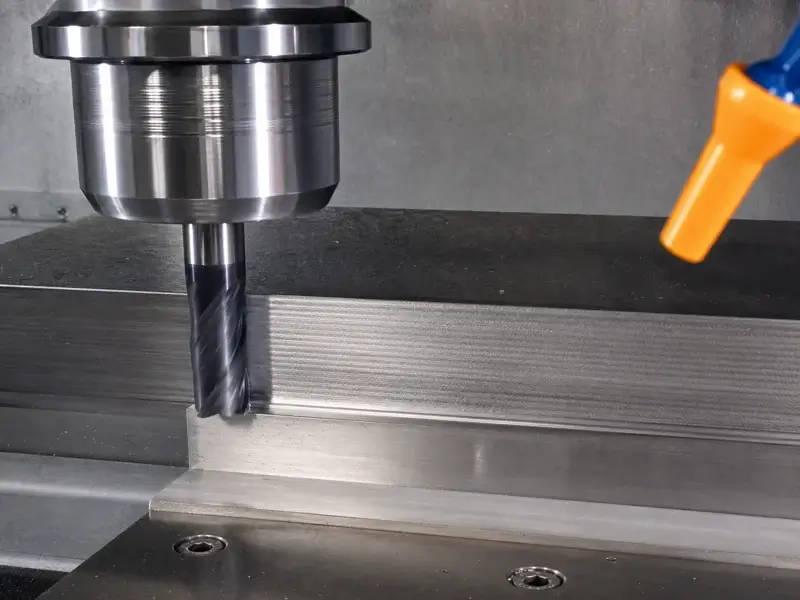
Diagnose milling chatter by checking the machine, holder, tool, workholding and engagement, then test one parameter change and verify the same cut.
Read More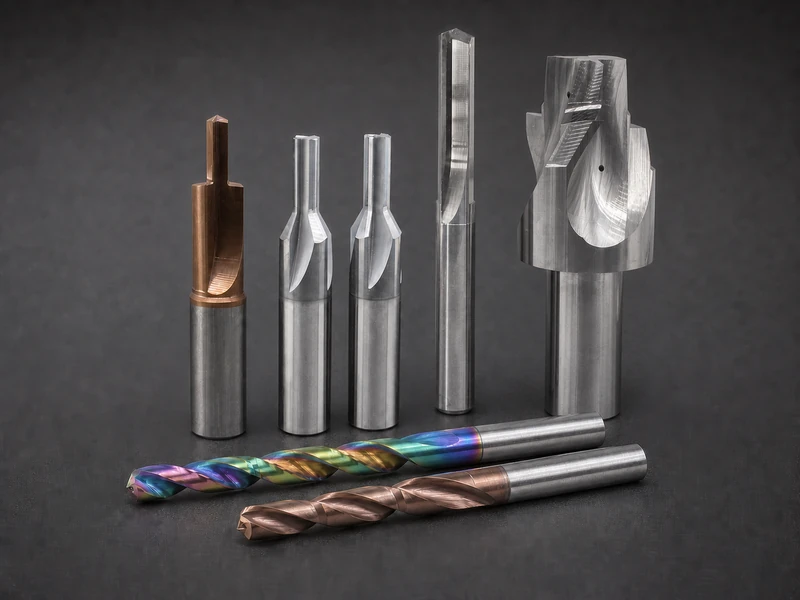
Compare a drill bit and reamer by process stage, pre-hole, stock allowance, hole size, finish, location limits, chip flow, and inspection.
Read More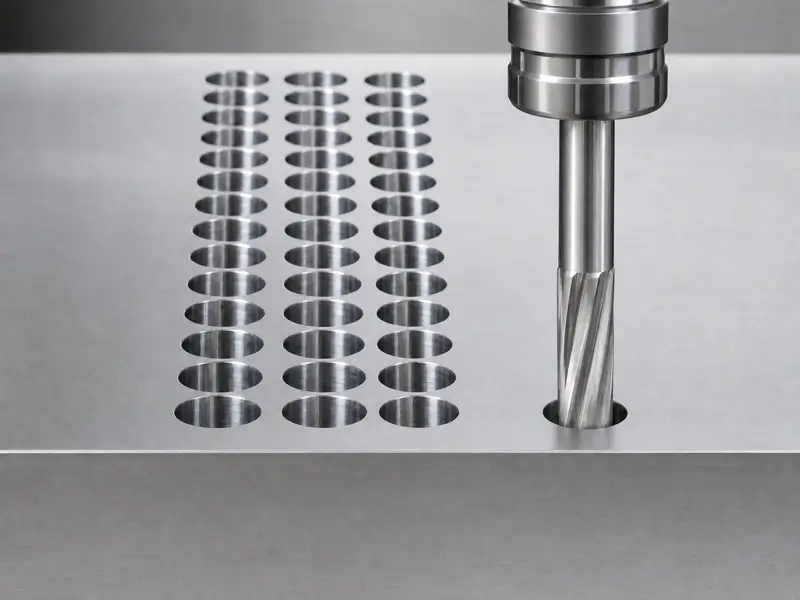
Calculate reamer RPM and feed from surface speed and feed per revolution, check units and machine limits, then qualify the cut from hole and tool evidence.
Read More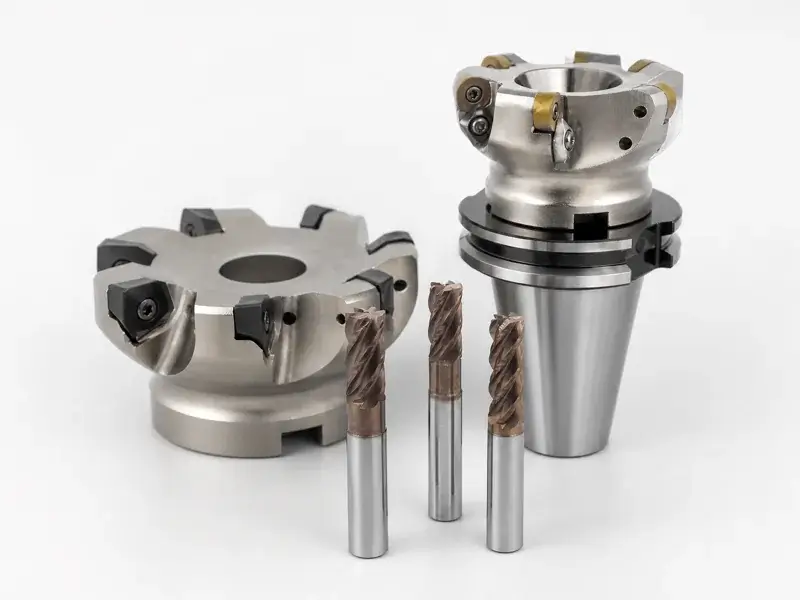
Compare indexable and solid-carbide end mills by diameter, rigidity, machine limits, roughing, finish, edge cost, runout, and cost per part.
Read More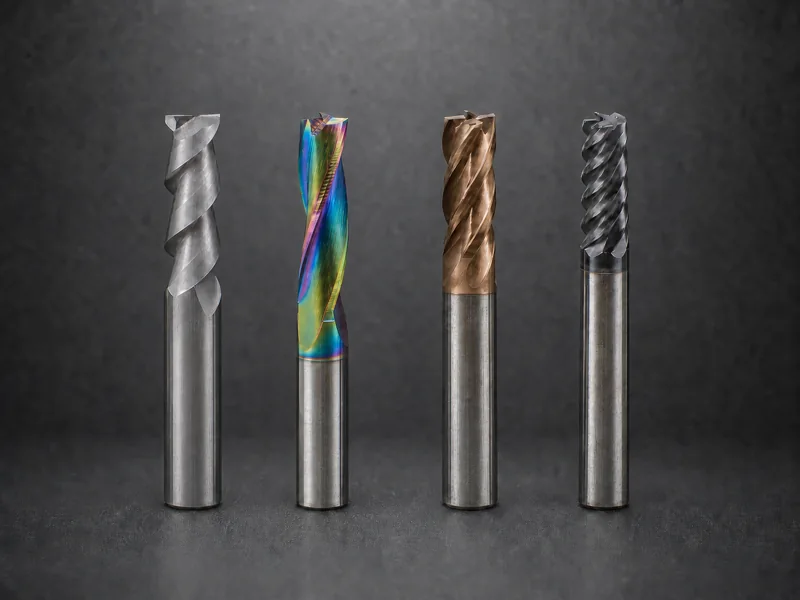
Choose 2, 3, 4, or high-flute end mills by chip evacuation, core strength, material, slotting, radial engagement, finishing and feed per tooth.
Read More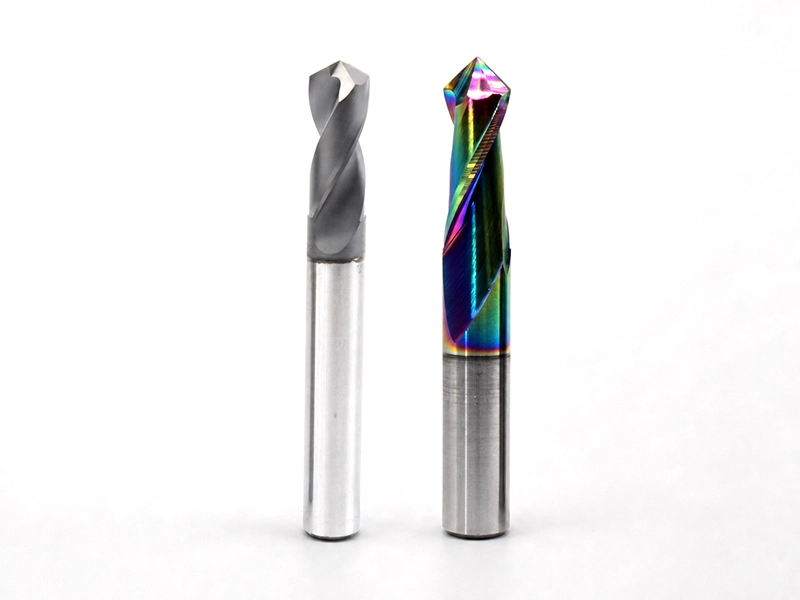
Compare 118° and 135° drill points, see conditional starting points by material, and calculate point depth for more reliable drill selection.
Read More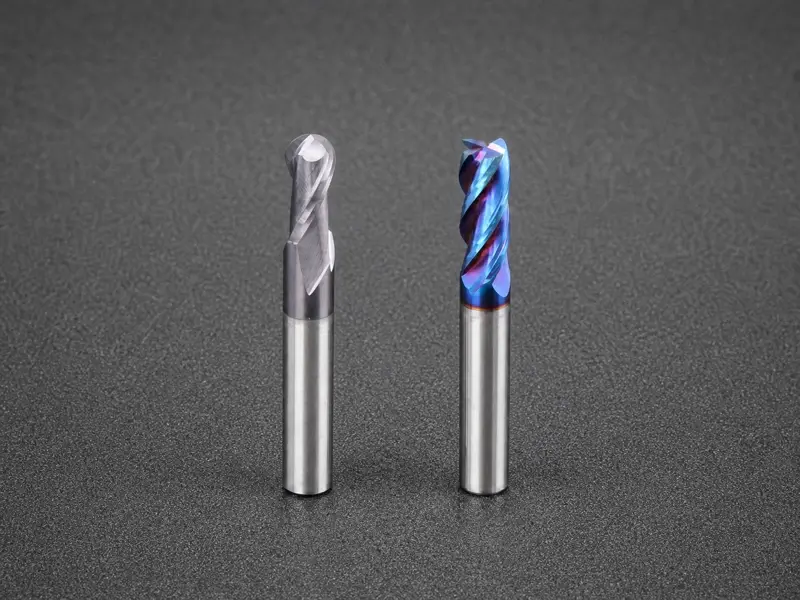
Compare ball nose and flat end mills by generated surface, contact point, roughing load, stepover, rigidity, finish strategy, and failure signs.
Read More