









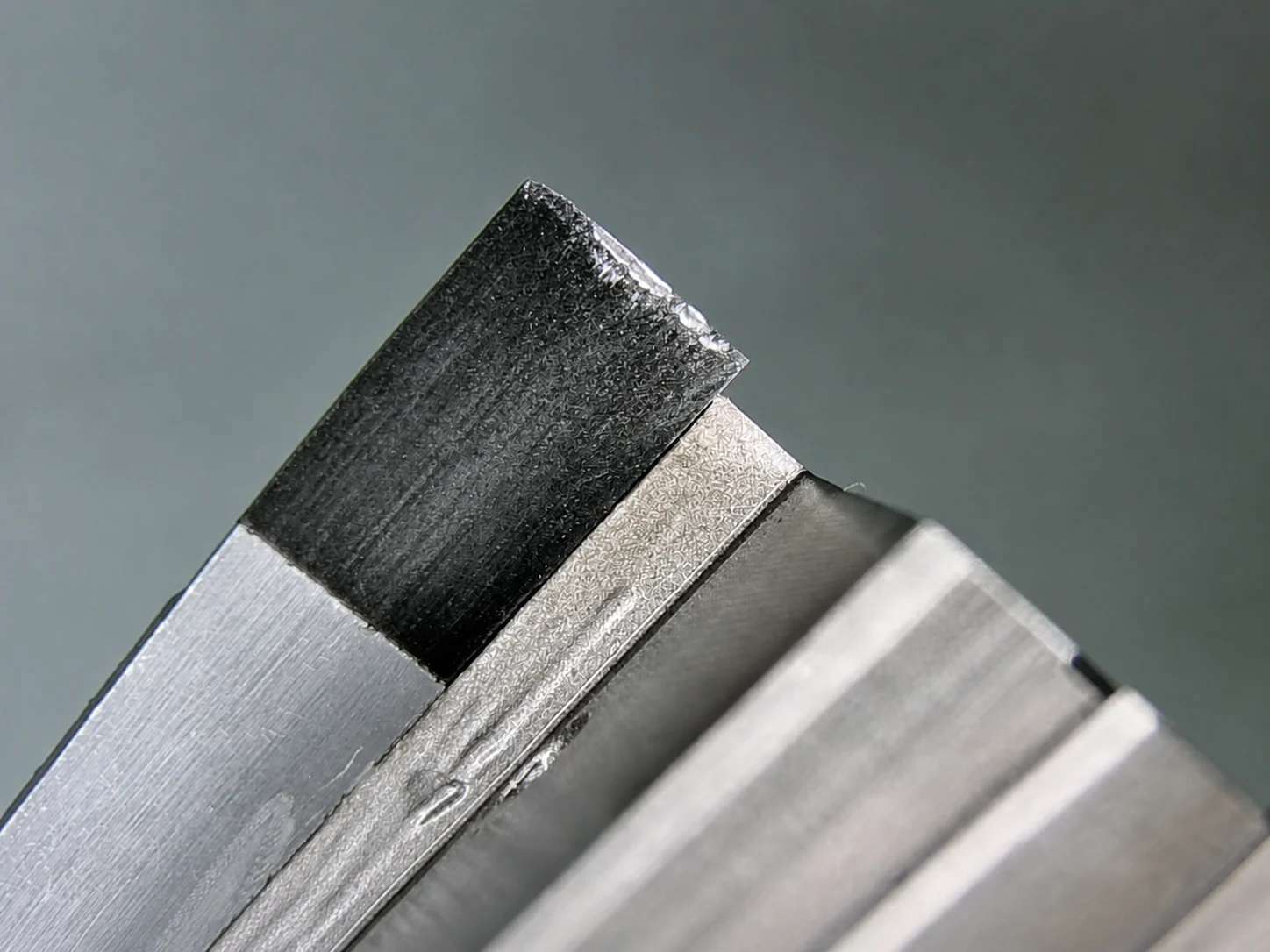
Types of Tool Wear: Identify the Mechanism Before Changing the Process
Use a text-first tool-wear diagnostic to separate flank wear, crater wear, built-up edge, chipping and thermal cracking before changing a machining process.
Read More

Use a text-first tool-wear diagnostic to separate flank wear, crater wear, built-up edge, chipping and thermal cracking before changing a machining process.
Read More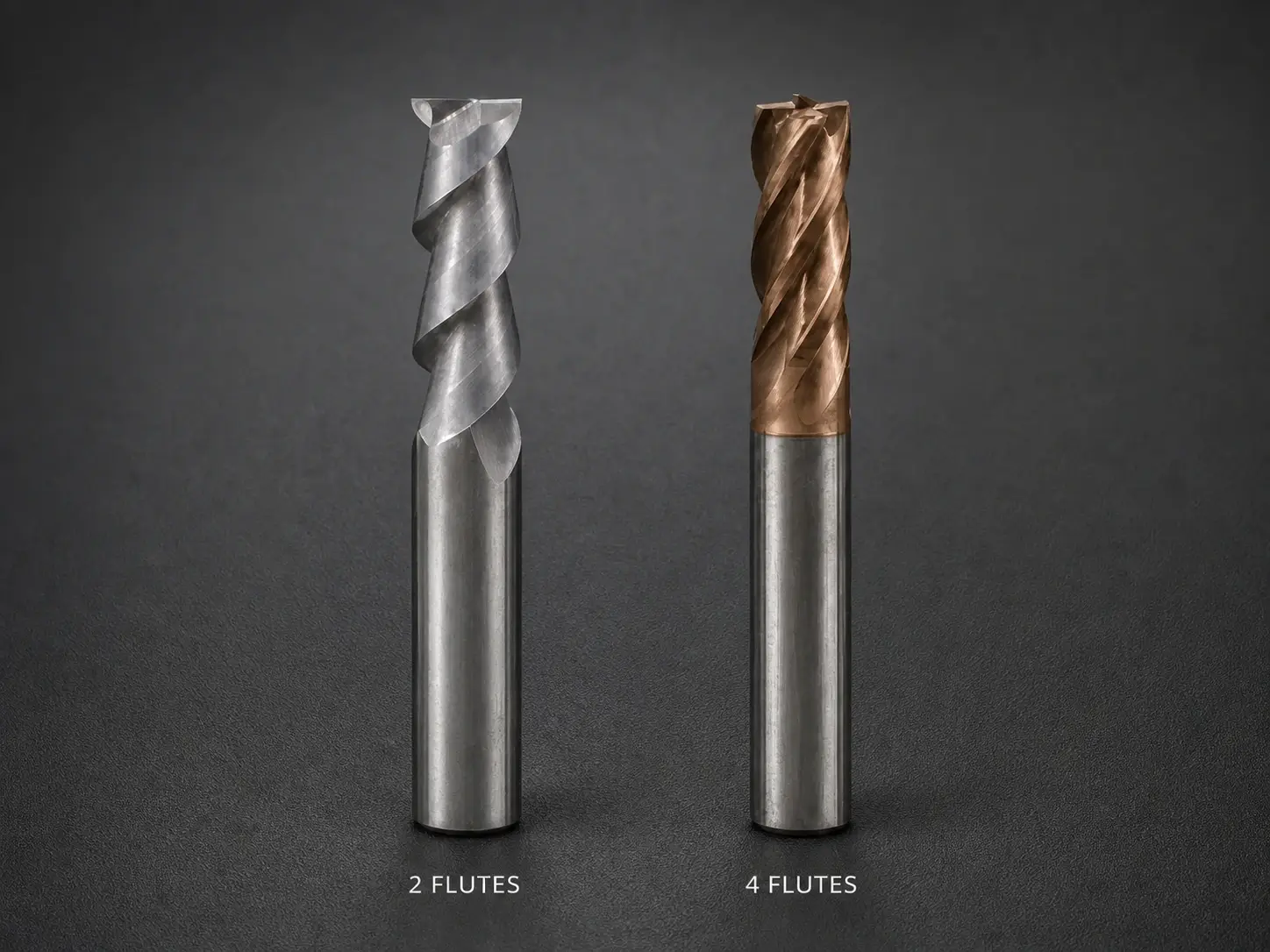
Compare 2-flute and 4-flute end mills by chip space, table feed, rigidity, material, engagement, runout and machine limits before choosing.
Read More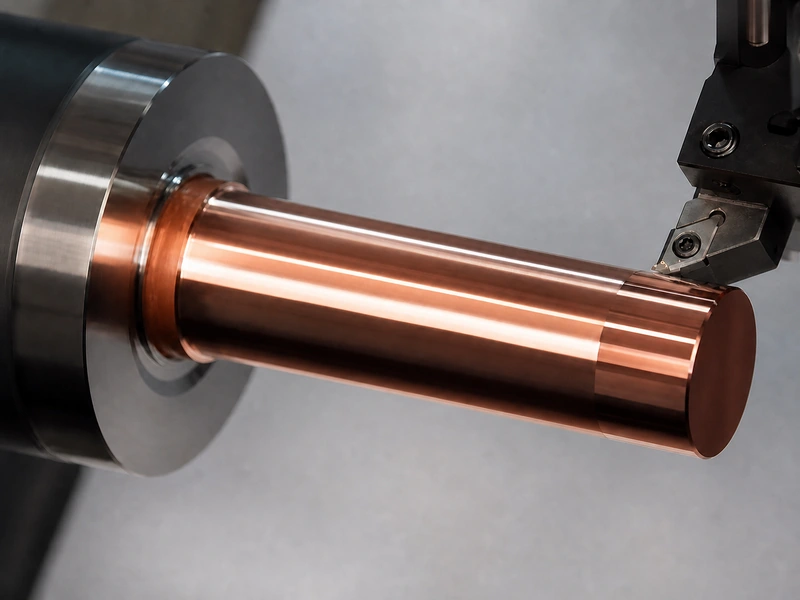
Choose a machining direction for verified pure copper, preserve parameter conditions, and diagnose built-up edge, burrs, poor finish and chip-evacuation problems.
Read More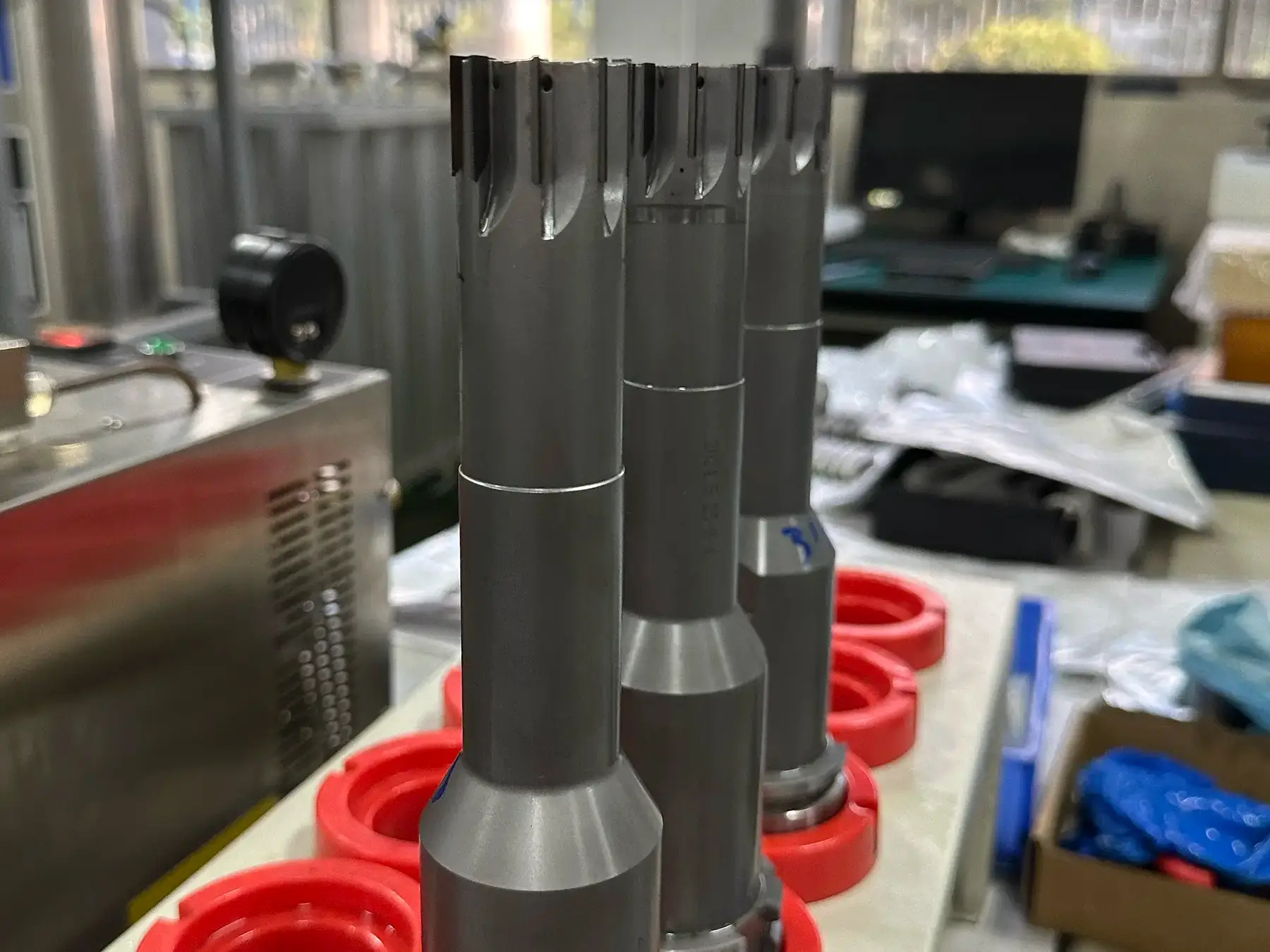
Calculate PCD reamer RPM and feed rate only from qualified inputs. Check material, diameter, tolerance, finish, and rigidity before changing speed or feed.
Read More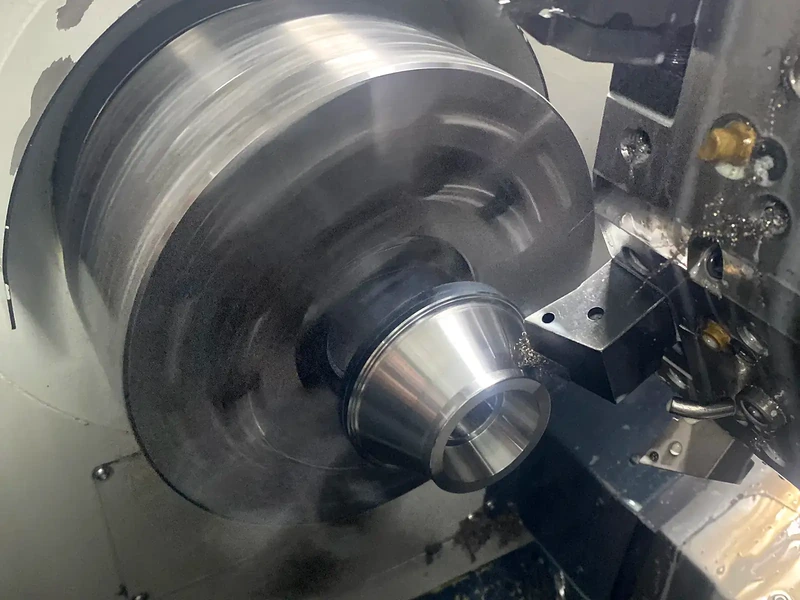
Choose a source-specific CBN hard-turning start by cut continuity and finish target, calculate RPM from actual diameter, and diagnose wear, chipping, heat, and poor finish.
Read More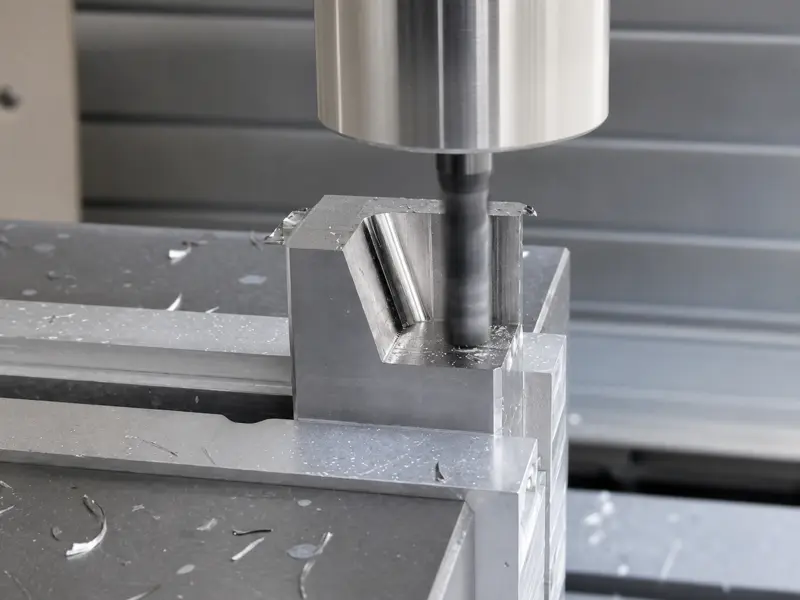
Compare end mills and slot drills by terminology, center cutting, plunge entry, chip evacuation, reach, deflection, and finished slot control.
Read More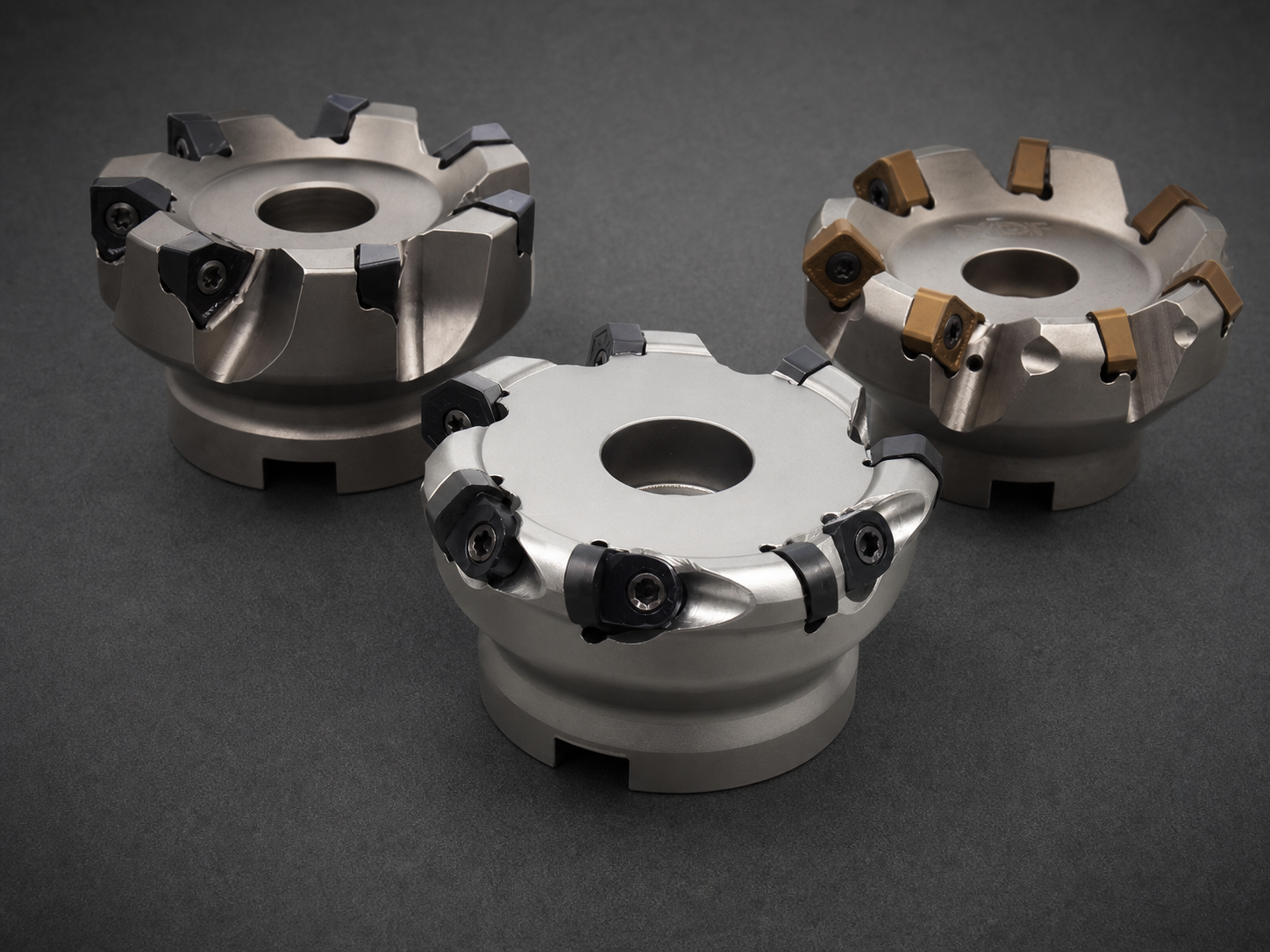
Learn where radial rake is measured on a milling cutter, how solid and indexable geometry create it, and how it affects force, chip flow and edge support.
Read More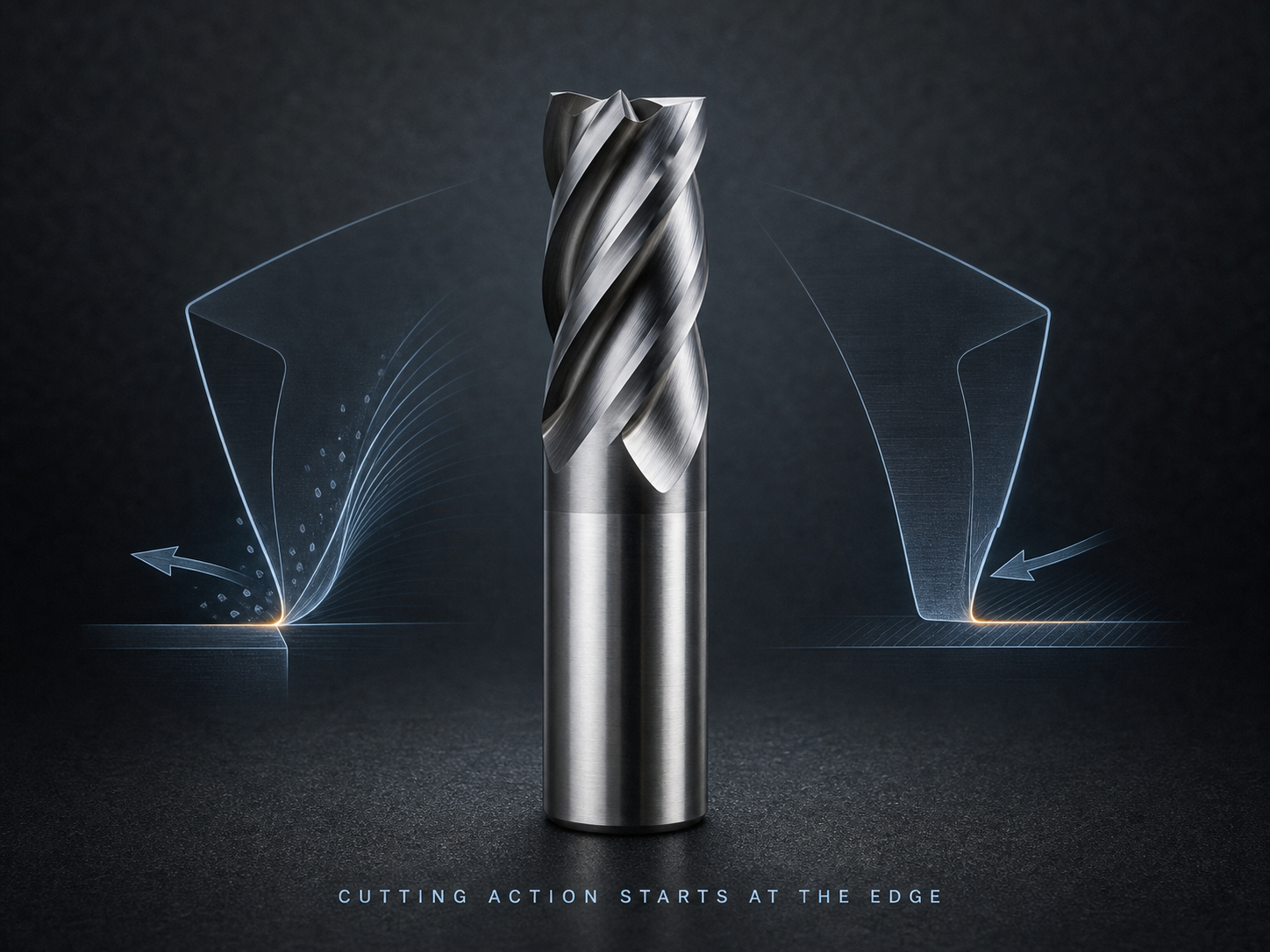
Compare positive and negative rake in end mills by cutting force, chip flow, edge support and rigidity, then choose from actual cutter geometry and setup limits.
Read More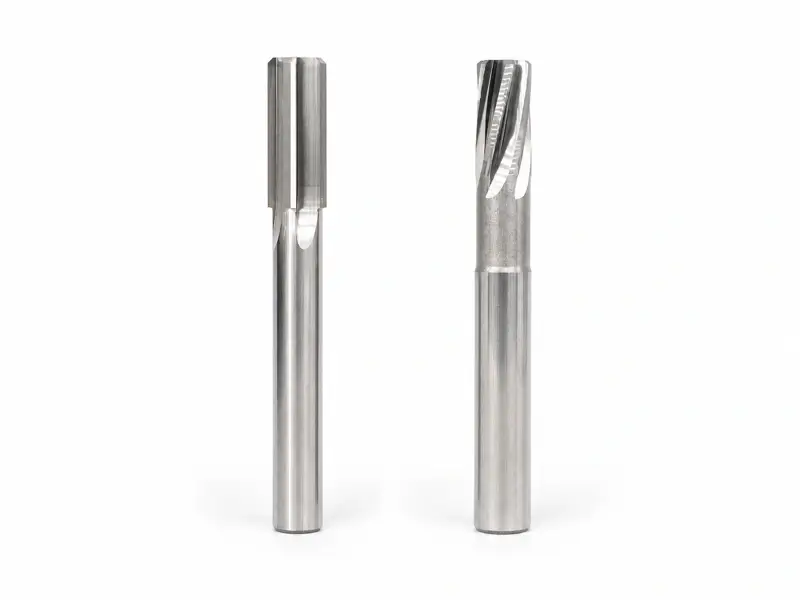
Compare straight and spiral flute reamers by chip direction, through or blind holes, interruptions, material behavior, finish, and setup conditions.
Read More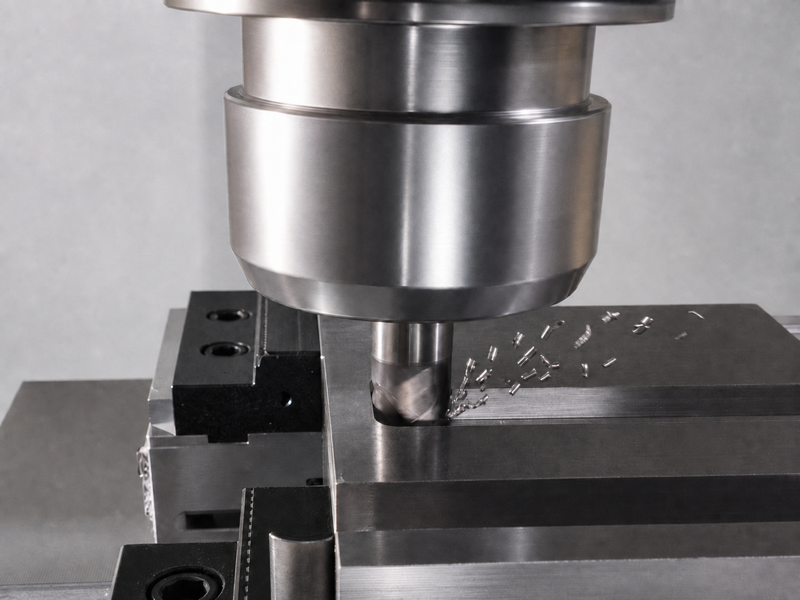
Plan slot milling with an end mill by mapping slot geometry, full-width engagement, entry, chip evacuation, width control and deep-slot alternatives.
Read More