Перейти к содержимому
Какой размер сверла для метчика 5/16
Какой размер сверла необходим для метчиков? Например, чтобы просверлить отверстие под метчик 5/16″, необходимо проверить шаг резьбы. Для грубой 18 используйте сверло с буквой F или 17/64″. Для тонкой 24 используйте сверло с буквой I. Всегда проверяйте номер, выбитый на метчике. Кроме того, используйте смазочно-охлаждающую жидкость и сверяйтесь с таблицей для идеальной посадки!
В этой статье вы узнаете об основах сверления Метчики и сверла, а также о том, как правильно выбрать сверло для метчика 5/16.
Если обрабатываемый элемент представляет собой отверстие с закрытым дном, оставьте дополнительный зазор и ознакомьтесь с нашими рекомендациями по размер сверла для нарезания резьбы в глухое отверстие.
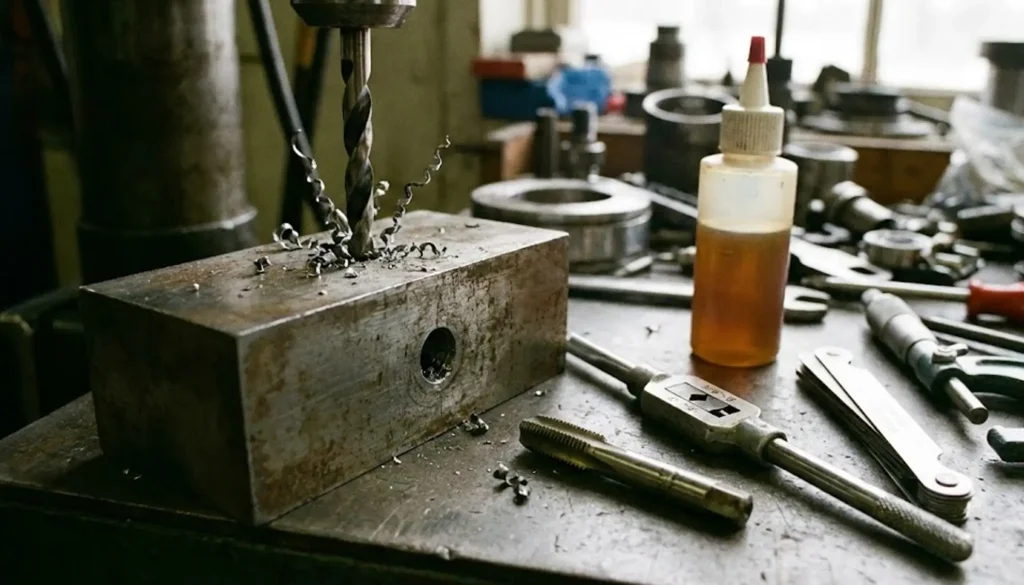
Понимание основ метчиков и сверл
Что такое краны?
Метчик - это инструмент из закаленной стали, предназначенный для нарезания внутренней резьбы в предварительно просверленном отверстии. Его назначение - обеспечить резьбу болта или винта в металлическом или пластиковом изделии. Для начала метчик оснащается острыми режущими кромками, которые при вращении инструмента прорезают канавки в стенках отверстия.
Что такое размер резьбового сверла?
Размер сверла для метчика означает конкретный диаметр отверстия, которое необходимо создать, прежде чем использовать метчик. Изначально инженеры рассчитывали эти размеры для того, чтобы метчик оставлял достаточно материала для формирования полной резьбы без дополнительного сопротивления.
Вам понадобится сверло, диаметр которого меньше внешнего диаметра метчика. Это поможет обеспечить зубьям метчика металл, в который они будут упираться во время процесса.
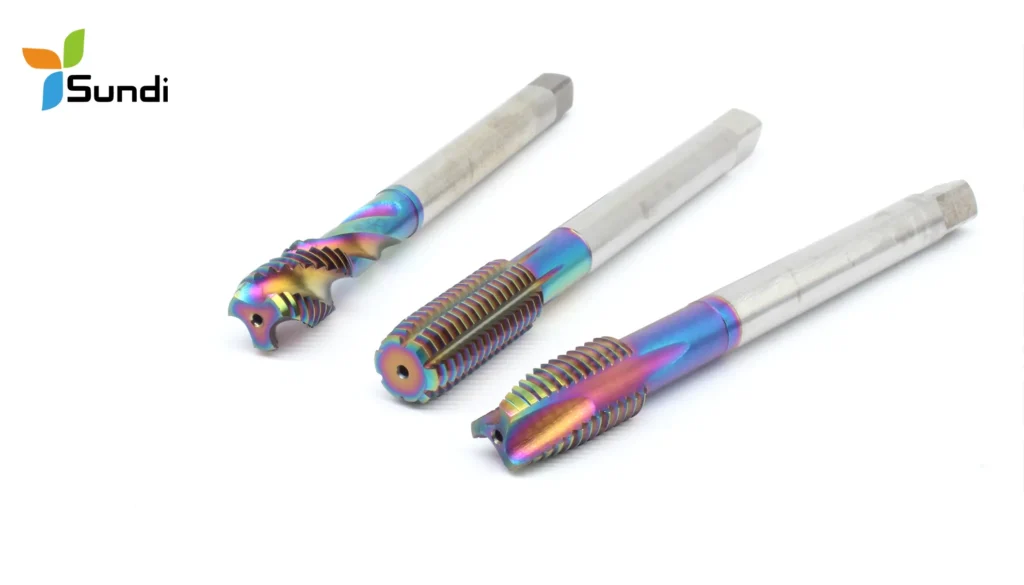
Типы резьбы 5/16 и размеры сверл
Обзор распространенных разновидностей метчиков 5/16
В большинстве хозяйственных магазинов вы увидите два основных типа метчиков 5/16 дюйма. 5/16-18 UNC - это разновидность с крупной резьбой, предназначенная для крепежа общего назначения. А вот 5/16-24 UNF - это вариант с мелкой резьбой, используемый в автомобильной промышленности.
Рекомендуемые размеры сверл
При работе с метчиком 5/16-18 UNC, как правило, следует избегать стандартных дробных бит и использовать Письмо F сверло. Размер этого сверла составляет примерно 0,2570 дюйма. С другой стороны, для тонкого сверла 5/16-24 UNF резьбовой метчик, Вам понадобится Письмо I сверло. Его размер составляет 0,2720 дюйма.
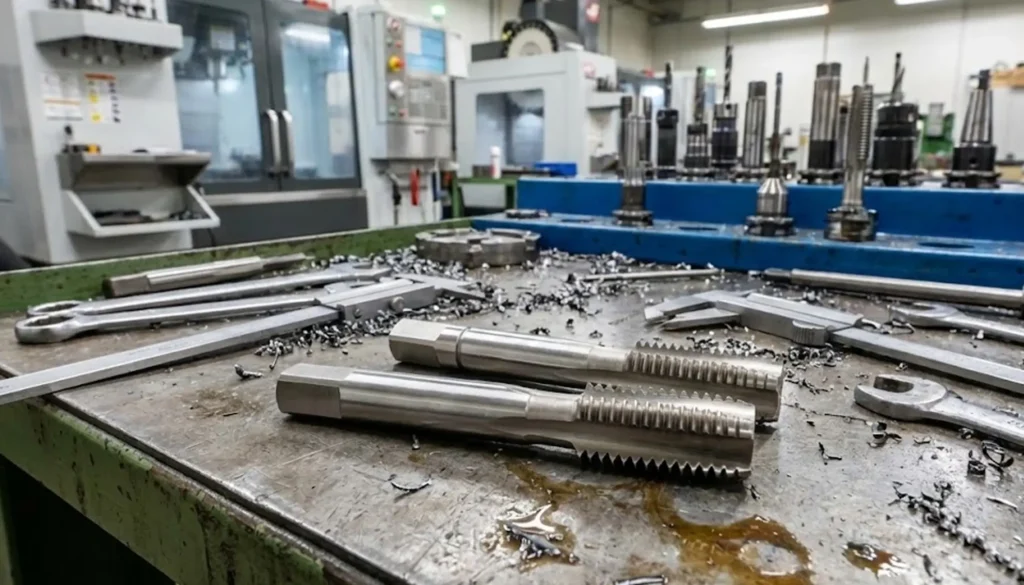
Таблица размеров сверл для резьбы 5/16
Назначение крана | Тип резьбы | Буквенное сверло | Десятичный эквивалент дюйма |
5/16 - 18 | Грубая | F | 0.2570″ |
5/16 - 24 | Fine | I | 0.2720″ |
Как выбрать подходящее сверло для вашего проекта
Почему шаг резьбы имеет значение
Шаг резьбы определяет, сколько материала должен снять метчик. Поскольку мелкая резьба имеет более мелкие канавки, вам потребуется большее пилотное отверстие. Если отверстие слишком маленькое, крутящий момент, необходимый для вращения метчика, будет увеличиваться, пока инструмент не сломается.
Материальные соображения
Сталь требует точного подбора размера, чтобы предотвратить износ инструмента. Что касается более мягких материалов, таких как алюминий и пластик, то иногда можно использовать немного большее сверло, если вам нужно более легкое нарезание резьбы. Только убедитесь, что при этом не нарушается структурная целостность резьбы.
Использование метрических и буквенно-цифровых бит
В большинстве профессиональных наборов можно найти биты с точными буквами. Если у вас есть только метрические инструменты, то 6,5 мм бит является ближайшим эквивалентом для буквы F. Для буквы I, бит 6,9 мм бит служит подходящей заменой.
Пошаговая процедура сверления и нарезания резьбы
Подготовка заготовки
Сначала нужно четко разметить местоположение отверстия с помощью жидкости для разметки или перманентного маркера. Поместите заготовку в прочные тиски, чтобы предотвратить ее смещение. Затем с помощью молотка и центрального пуансона сделайте глубокую выемку в месте отметки. Часто это просто предотвращает сверло от “гуляния” по поверхности при запуске двигателя.
Просверлите правильное отверстие
Для начала закрепите сверло Letter F или Letter I в патроне сверлильного станка или ручной дрели. Нанесите каплю режущего масла на кончик сверла. Установите дрель на среднюю скорость для стали или на более высокую для алюминия.
Сохраняйте сильное давление вниз, удерживая сверло в строго вертикальном положении. После нескольких секунд резания слегка приподнимите сверло, чтобы убрать стружку. Обратите внимание, что нужно всегда держать отверстие прямо, чтобы избежать косой резьбы.
Нарезание отверстий
Теперь, когда все сказано, вы готовы нарезать резьбу. Установите метчик 5/16 в Т-образную рукоятку гаечного ключа. Нанесите на метчик хорошее количество жидкости для нарезания резьбы. Вставьте наконечник метчика в отверстие и медленно поверните его по часовой стрелке.
После первых двух полных оборотов вы должны почувствовать сопротивление. В этот момент поверните кран против часовой стрелки на пол-оборота, чтобы выбить металлическую стружку. Это будет происходить на протяжении всего процесса. Продолжайте эти движения вперед-назад, пока не достигнете необходимой глубины.
Снятие заусенцев и финишная обработка
Затем возьмите сверло большего размера или специальный инструмент для снятия заусенцев и быстро обработайте верхнюю часть отверстия. Это удалит острые “заусенцы”, образовавшиеся в процессе нарезания резьбы. Наконец, не забудьте очистить внутреннюю резьбу. С помощью баллончика со сжатым воздухом или тонкой проволочной щетки удалите все остатки мусора с новой резьбы.
Распространенные ошибки и как их избежать
Неправильный размер сверла
Многие пытаются использовать 1/4-дюймовое сверло в качестве замены. Это ошибка, потому что 1/4-дюймовое сверло имеет размер всего 0,250 дюйма. Поскольку Буква F составляет 0,257 дюйма, то отверстие 1/4 дюйма слишком тугое. Поскольку последнее, что вы хотите сделать, - это защелкнуть метчик из закаленной стали в заготовке, всегда следует использовать метчик правильного размера.
Неправильное определение шага резьбы
Можно подумать, что все болты 5/16 одинаковы, но это не так. Используйте измеритель шага резьбы, чтобы определить, 18 или 24 витка на дюйм. Если вы используете неправильный метчик для болта, резьба немедленно сорвется.
Неправильная техника сверления/нарезания резьбы
Если сверлить под углом, болт не будет сидеть заподлицо. Кроме того, пропуск жидкости для нарезания резьбы приводит к нагреву от трения, что приводит к затуплению инструмента. Обратите внимание, что метчик всегда нужно держать вертикально на протяжении всего времени сверления.
Практические советы и Pro Tools
Держите под рукой таблицу метчиков и сверл
Таблицы являются важнейшими справочными материалами для мастерской, поскольку они исключают догадки и предотвращают дорогостоящие ошибки. Вы увидите, что даже опытные машинисты полагаются на эти таблицы для обеспечения зацепления резьбы 75%.
Лучший способ сделать это - держать ламинированную таблицу рядом с вашим сверлильным станком. Вы также можете загрузить мобильные приложения, такие как “Drill & Tap”, или посетить веб-сайты производителей для получения цифровых PDF-версий.
Использование калибров для сверл
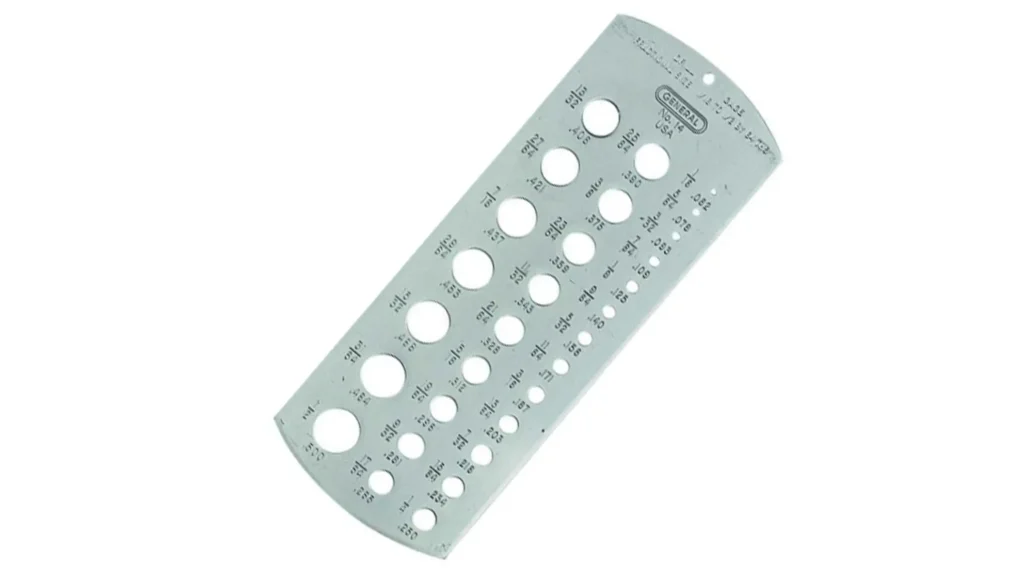
В процессе использования инструментов маркировка размера на хвостовиках часто стирается или заслоняется сверлильным патроном. Для проверки размера вам понадобится калибр для сверл. Это металлическая пластина с точно просверленными отверстиями.
Если сверло плотно входит в отверстие, обозначенное буквой “F”, можно смело приступать к работе. Это гарантирует, что вы случайно не используете слишком большое или маленькое сверло.
Наборы метчиков и сверл
Вам следует приобрести набор сверл с большим количеством цифр и букв. Ведь с его помощью можно подготовиться к любому проекту. Стандартные дробные наборы имеют шаг 1/64 дюйма. Часто это слишком большой промежуток для точного нарезания резьбы. Одновременно наборы с буквами и цифрами обеспечивают конкретные диаметры, необходимые для наилучшей посадки резьбы.
Поэтому, имея под рукой точные биты Letter F или Letter I, вам никогда не придется довольствоваться “достаточно близкой” заменой.
Заключение
Использование правильного сверла для метчика 5/16 означает снижение вероятности поломки инструмента и слабой резьбы. Для крупной резьбы вам понадобится сверло с буквой F, а для мелкой - с буквой I. Соблюдение этих правил гарантирует, что ваши механические проекты останутся долговечными и профессиональными.
Вопросы и ответы
Можно ли использовать сверло 1/4" для крана 5/16?
Нет, этого следует избегать. Сверло 1/4 дюйма слишком мало для метчика 5/16-18. Оно оставляет слишком много материала, что может привести к поломке метчика.
Что делать, если у меня нет сверл F или I?
В крайнем случае можно использовать 17/64-дюймовое сверло для крупной резьбы или 17/64-дюймовое сверло для мелкой резьбы. Однако буквенные сверла обеспечивают наиболее точную посадку.
Почему мой метчик не нарезает резьбу ровно?
Часто это происходит потому, что вы не используете смазочно-охлаждающую жидкость или не очищаете стружку.
На какую глубину нужно просверлить отверстие перед нарезанием резьбы?
Сверло должно быть как минимум на 1/4 дюйма глубже, чем длина болта, который вы планируете использовать. Это даст место для конического конца метчика и любых случайных металлических опилок.