 Skip to content
A Comprehensive Guide To Types of Grooving Tools
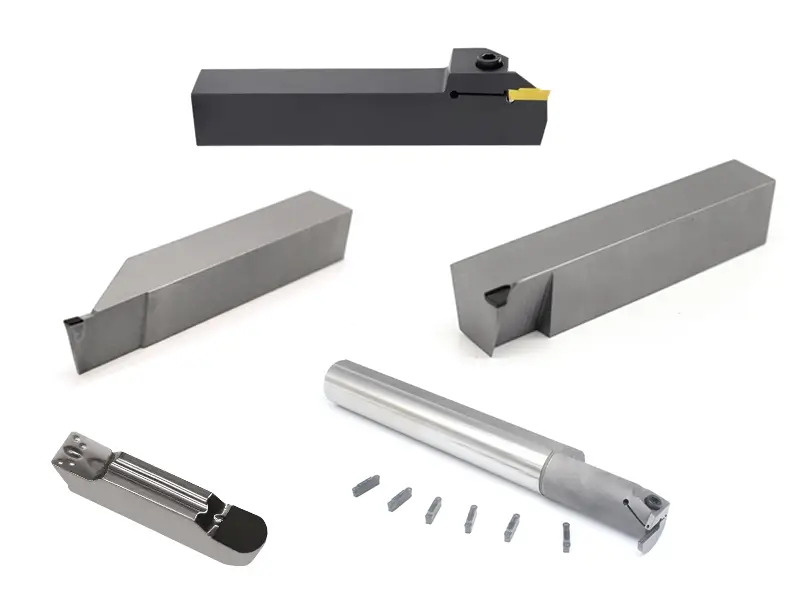
Grooving is a precise manufacturing process that is performed on a CNC lathe. Grooving tools are a key part of this process, used to create narrow channels on the surface of the workpiece. Whether you’re manufacturing seats for O-rings or channels for retaining clips, you need the right type of grooving tools.
What is Grooving
Grooving is a machining process used to make narrow, precise cuts or channels into the surface of the workpiece. Depending on your requirements, these cuts can be internal, external, or on the face part of the workpiece. This entirely automated process is carried out on a CNC lathe machine.
In grooving, the workpiece rotates, and a cutting tool that is sometimes stationary or rotating. It removes material from the workpiece, creating precise channels.
Here are some of the purposes of grooving:
- Creating pathways for seals, O-rings, or other similar elements for assembly or sealing purposes
- In hydraulic and pneumatic systems , grooves create channels for fluids or seals
- To enhance the fit of the part, provide ease of assembly, and thus the overall operation of the parts.
Types of Grooving Tools
As mentioned before, there are different types of grooves that demand for specific tools. These tools differ in their design, function, and material composition. Having an understanding of these types will assist you in selecting the right tool for your application.
External Grooving Tools
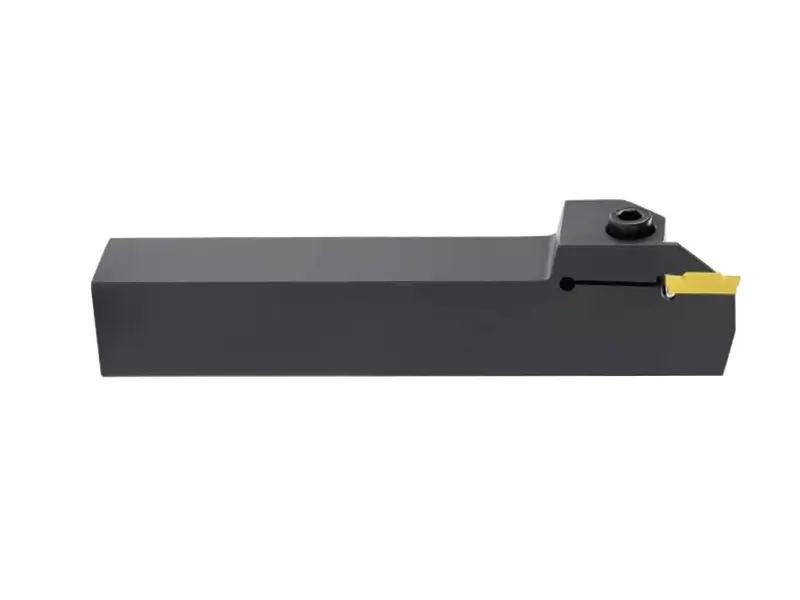
External grooving tools are used to make grooves on the outer surface of a rotating workpiece. Since these tools are designed in different shapes and sizes, select your tool based on the groove size and material of the workpiece being machined.
Internal Grooving Tools
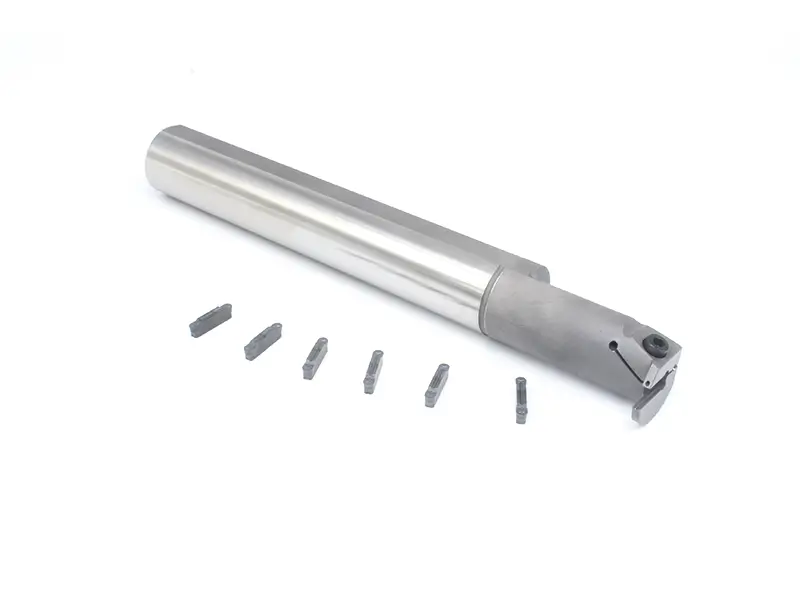
Internal grooving tools are designed for cutting grooves internally in bores or cylinders. Internal grooving work in confined spaces and limited tool access, so attention to detail is required for tool selection. For ID grooving cuts, choose long-reach cutting tools.
Face Grooving Tools
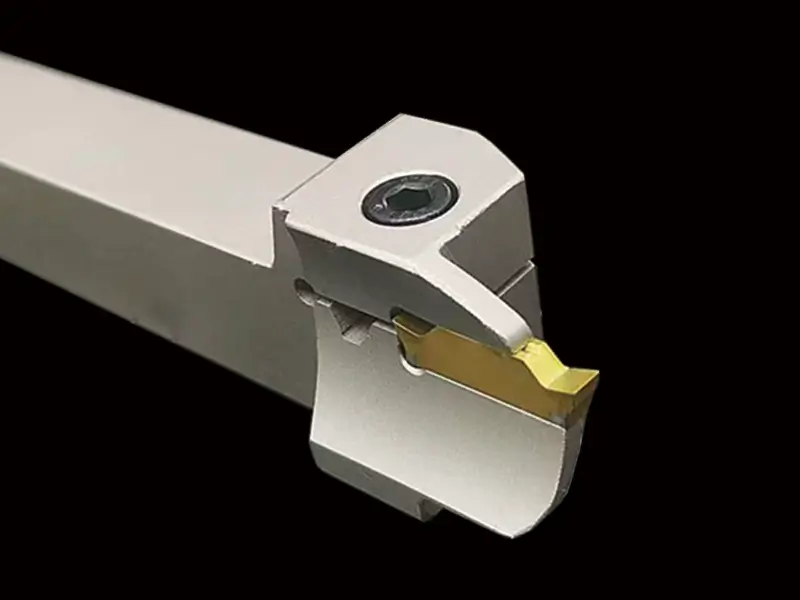
Face grooving tools cut grooves in a direction perpendicular to the axis of rotation of the workpiece. These are utilized in O-ring seats, especially in valves and hydraulic components.
Parting Tools
Parting creates grooves that are deep. Parting tools are narrow, blade-like grooving tools specifically designed to cut completely through the diameter of a rotating workpiece.
Single-point Grooving Tools
In single-point grooving, a single cutting edge removes material at one time, using a single-point grooving tool. These tools have one sharp insert on the rigid toolholder.
Multi-point Grooving Tools
Multi-point tools have multiple cutting edges engaging simultaneously, which removes material at a faster rate.
Threading Tools
Threading produces a helical groove along a spiral path. Threading tools have a specific design for thread relief or undercut.
High-speed steel (HSS) Grooving Tools
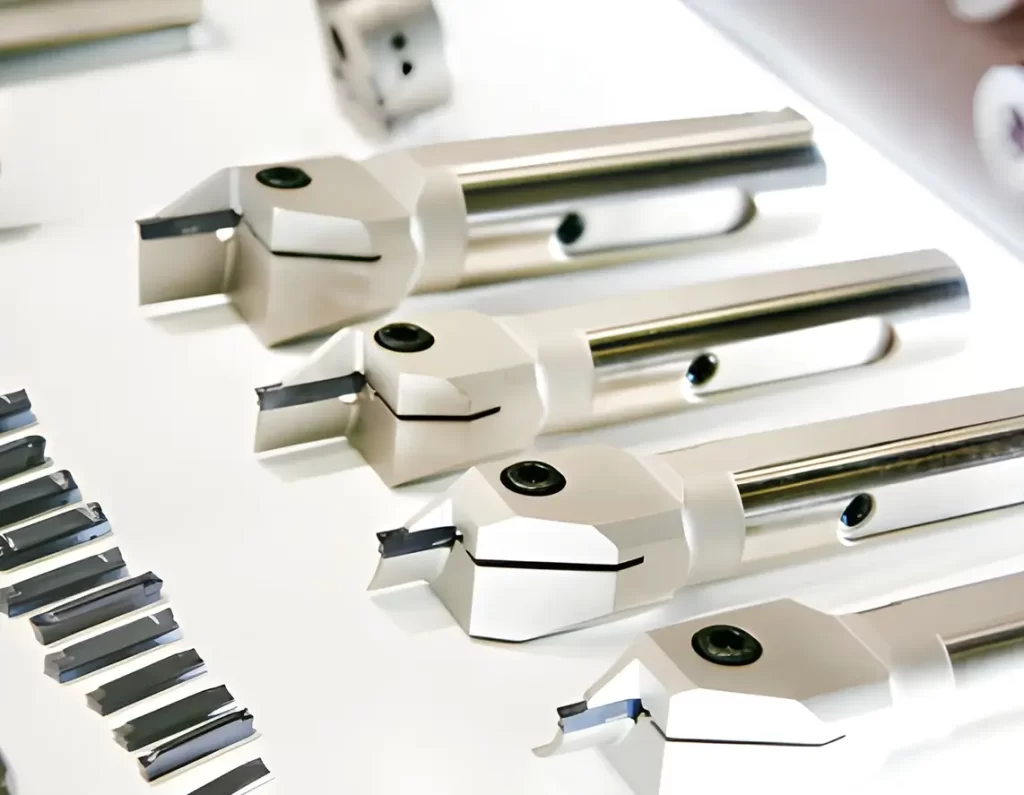
High-speed steel is a steel alloy. HSS is the classic choice for general-purpose grooving. These tools are ideal for low to medium-speed grooving in mild steel, aluminum, and plastics.
Carbide Grooving Tools

Carbide tools are made of tungsten carbide particles bonded to cobalt. Carbide tools are popular because of their balance of strength, speed, and life span. Carbide tools are recommended for high-speed CNC applications. But carbide is prone to chipping and has higher initial price tags.
PCD Grooving Tools
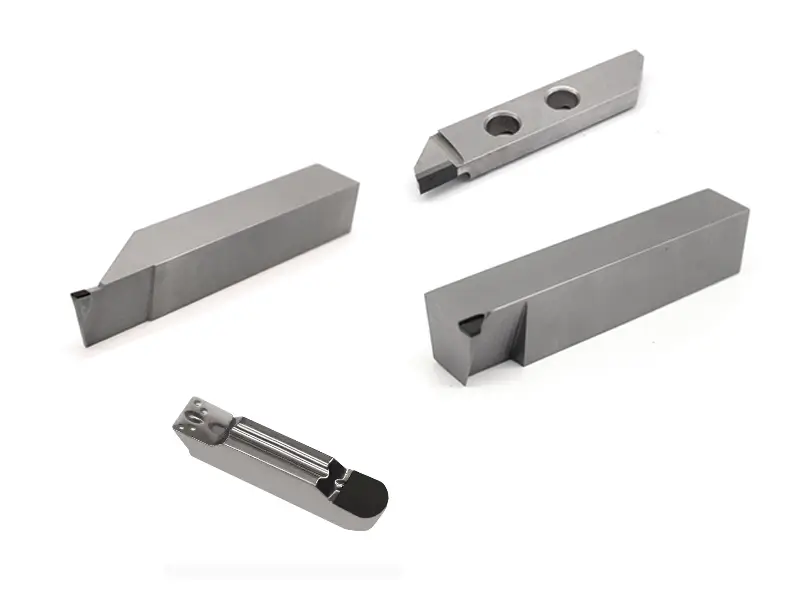
Polycrystalline Diamond offers the best hardness and wear resistance. PCD is an excellent choice for cutting abrasive nonferrous materials. PCD tools are extremely expensive and cannot be used on ferrous metals (iron, steel).
Factors to Consider When Choosing Grooving Tools
For achieving the desired outcomes of grooving, it’s crucial to choose the right type of grooving tool. The wrong tool can lead to poor surface finish, damaged machines, and wastage of resources. Here’s what you need to consider when selecting tools for grooving:
Grooving Operation
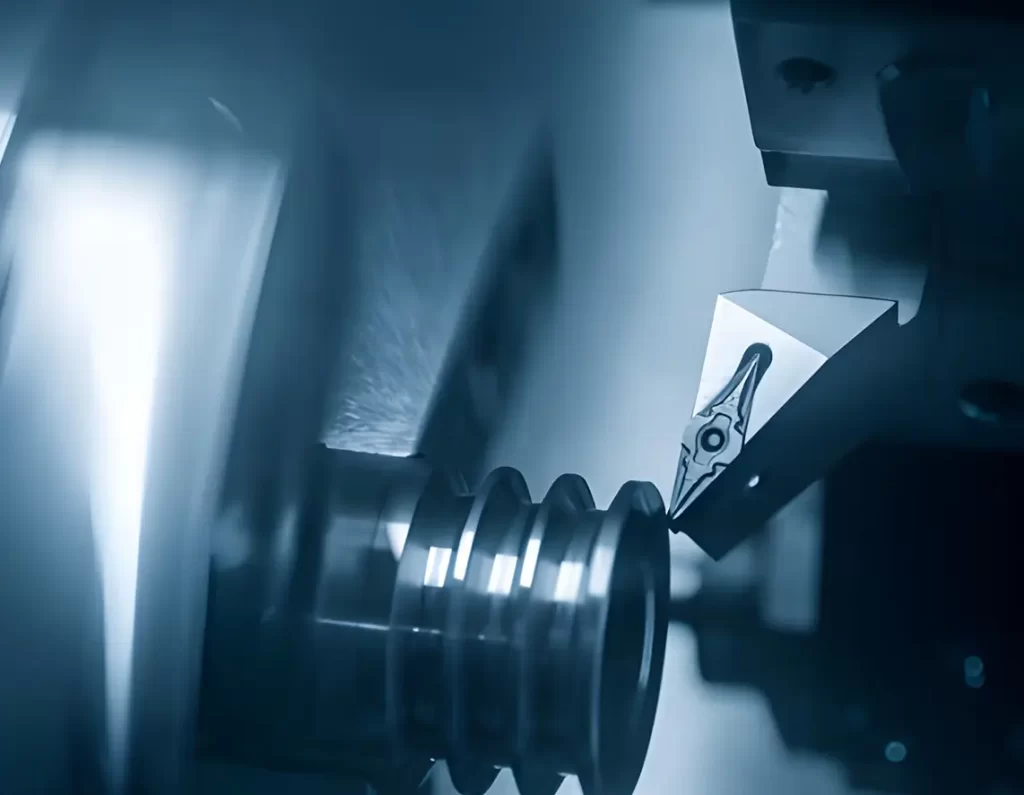
Start with understanding what kind of grooving you will be doing. Is it external grooving on a shaft, or internal grooving on a bore, or face grooving? Each application requires a different tool geometry and holder design.
Workpiece Material
The material you will be cutting determines everything from your insert grade to your cutting parameters. Softer materials, including aluminum and brass, will benefit from inserted tools with a sharp edge. Harder or abrasive materials, like stainless, titanium, or cast iron, should be used with your carbide tools, potentially heat-resistant.
Groove Dimensions
The width of the groove, the depth of the groove, and the shape of the groove are vital for choosing the right tool. Narrow and shallow grooves will require fine inserts with high-level precision. Deep or wide grooving will require stronger and more rigid tools that have chip evacuation factors.
Machine Type
The power, rigidity, and tool-holder interface of the machine spindle can limit the grooving process. While choosing a grooving tool, consider the parameters of the machine (feed rate, rotation speed). Just ensure that the machining powers match the tool’s specification.
Applications of Grooving Tools
Grooving tools are popularly used in various manufacturing industries. From your car’s engine to the surgical instruments used in an operating room, grooving applications are everywhere.
Automotive
In the automotive industry, grooving tools are often used to machine critical engine components. Examples of these include gears, shafts, and transmission components. The use of grooves provides the precise placement of parts such as seals, bearings, and snap rings. The engine will not operate as effectively (or last as long) without the use of grooves.
Aerospace
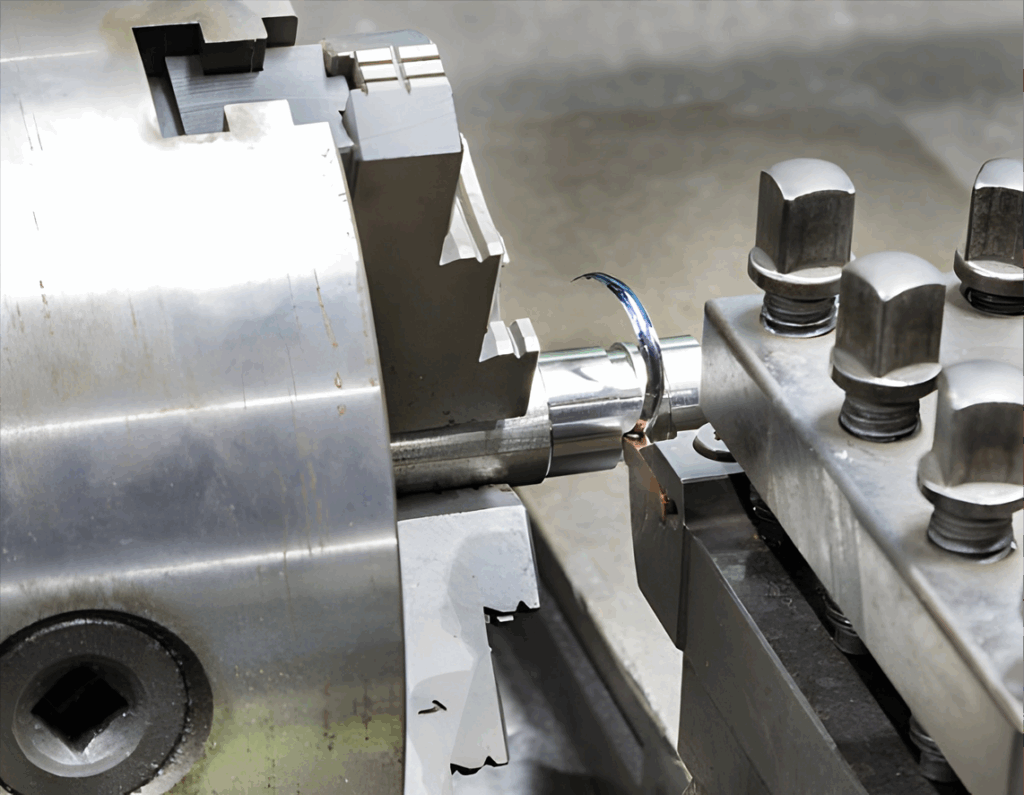
In aerospace, grooving tools are used to machine tolerance-sensitive components with specific features. Turbine blades have grooves where cooling air passes through, which is essential for engine operation.
General Manufacturing
Groove features can be found in components made out of various metals across various industries. They are either utilized for sealing, assembly, or distributing stress through a part or component. Groove machining is particularly important in hydraulic components, automotive parts, molding forms, etc
Medical Device Manufacturing
The medical device industry utilizes grooving tools for making grooves in medical device components. For example, surgical instruments, implants, or housings have grooving features. Some of these grooves serve functional purposes in holding two components together or securely in sealing during use.
Conclusion
In grooving applications, choosing the right tools is very important. The selection of the right grooving tool depends on understanding the workpiece materials and the specifications of the groove. Selecting the wrong tool can cost you time and material from tool breakage and scrapped parts. For technical expertise in tools, contact Sundi Tools.


 English
  Russian
  German
  Spanish
  French
  Portuguese