Skip to content
HSS Drill Bit: Complete Guide to High-Speed Steel Drilling
HSS drill bits are made from high-speed steel. Its alloy composition is carbon steel with additives such as chromium, vanadium, molybdenum, and tungsten. HSS bits heat resistance is 650°C. There are two main types of HSS; M2 for general purpose and M35 which contains cobalt. Both professionals and DIY users can use drill bits into materials like wood, plastic, soft to medium metals.
What is an HSS Drill Bit?
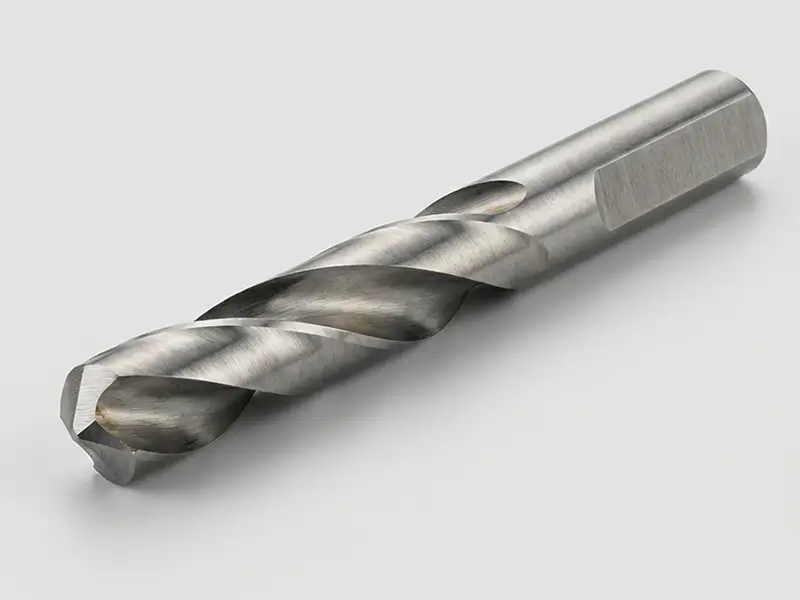
An hss drill bit is a steel cutting tool. This steel contains carbon mixed with tungsten, molybdenum, chromium, and vanadium. The hss drill bit meaning refers to its ability to stay hard even when it gets hot. This lets you drill faster than regular carbon steel bits. These drill bits have steel variants that can handle temperatures up to 650°C without losing their cutting edge.
How HSS Differs from Standard Steel Drill Bits
Standard carbon steel bits get soft quickly when they heat up during drilling. In contrast, hss steel drill bits stay hard at high temperatures. This heat resistance lets you work at higher speeds without damaging the cutting edge. Furthermore, hss drill bits for metal last longer and you can sharpen them multiple times. This makes them more economical in the long run.
HSS Drill Bits Types and Variations
M1 vs M2 HSS Drill Bits
M1 drill bits contain less tungsten and bend more easily. This makes them good for general work. M2 is the most common HSS grade. It gives you excellent wear resistance for drilling standard steels, and aluminum. Most drill bit has set options you find contain M2 steel.
Molybdenum HSS
The “M” prefix means molybdenum is the main ingredient. These bits offer balanced performance for general drilling work. Molybdenum improves heat resistance and keeps the cutting edge sharp longer than basic carbon steel options.
Tungsten HSS
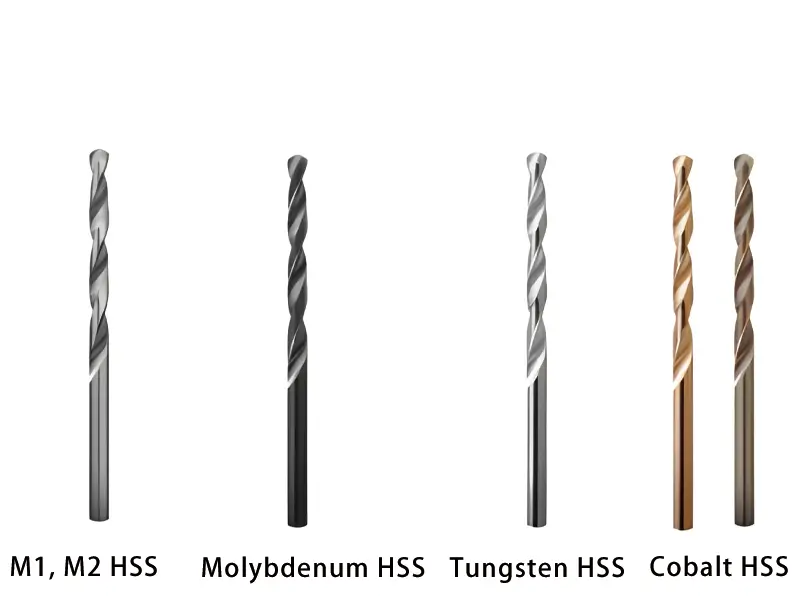
Tungsten-based HSS stays hard at extremely high temperatures. This bits work great for high-speed cutting on aluminum and other sticky materials. However, these bits break more easily and do not handle interrupted cuts well.
Cobalt HSS
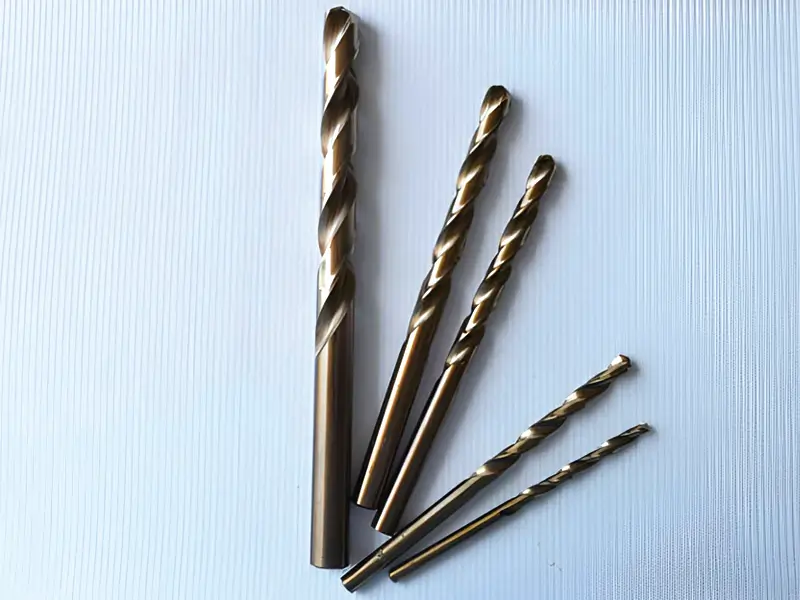
M35 contains 5% cobalt while M42 has 8% cobalt. These hss drill bits for stainless steel handle hardened materials that regular HSS cannot cut. The cobalt addition greatly improves heat resistance. This lets the bits keep their cutting edge when drilling tough alloys, cast iron, and titanium.
Standard HSS vs HSS-Co
When comparing cobalt vs hss drill bits, you will find that standard HSS works perfectly for softer materials. These include aluminum, brass, mild steel, wood, and plastic. Cobalt enhanced versions become necessary for hardened steels, stainless steel, and rough materials.
HSS Drill Bit Coatings and Surface Treatments
Bright Finish HSS Bits
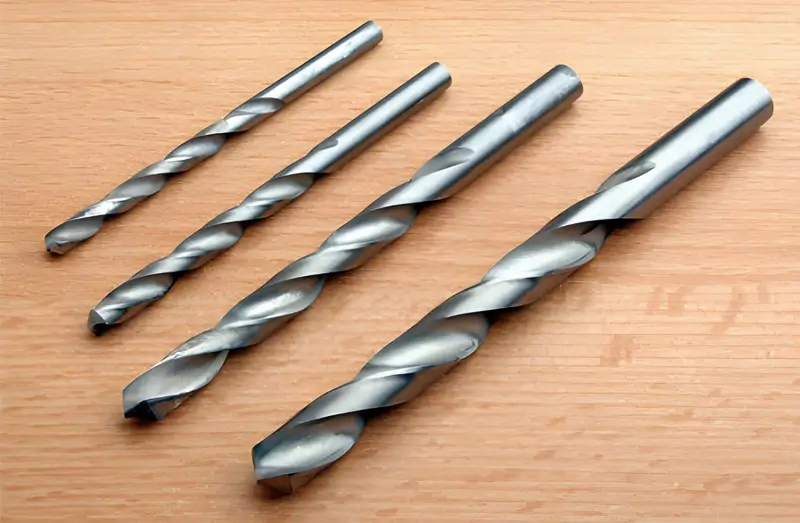
Bright finish bits have no coating and cost the least. You can easily resharpen these bits without worrying about coating removal. They work well for general drilling where extreme heat is not a problem.
Black Oxide Coating
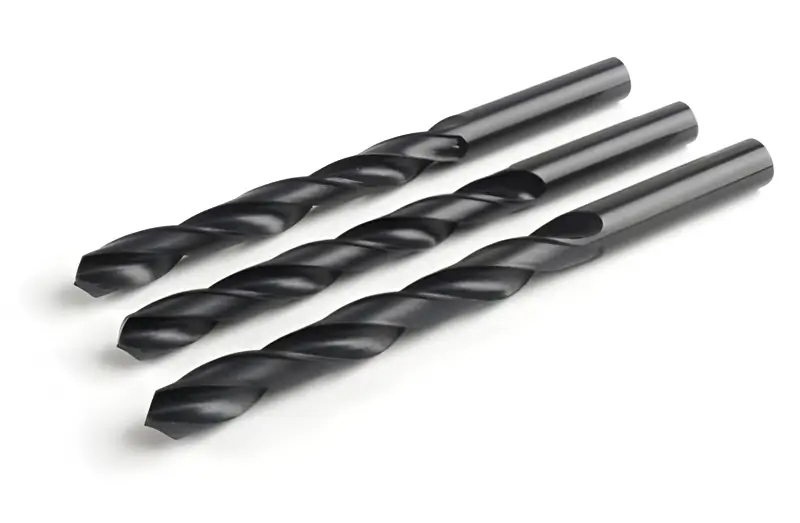
Black oxide coating forms when makers heat the drill bit to about 950°F. This treatment reduces friction, prevents rust, and increases wear resistance. The coating helps bits stay sharp longer when drilling composite materials.
Titanium Nitride Coating
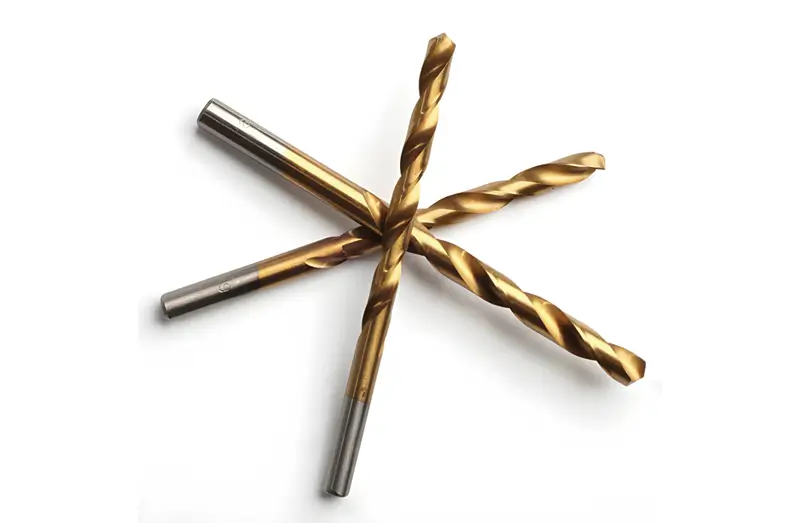
The gold color of TiN coated bits shows better heat resistance and less friction. This coating extends tool life by 30-100% compared to uncoated bits. A coated hss step drill bit with TiN finish works great when drilling sheet metal at various sizes.
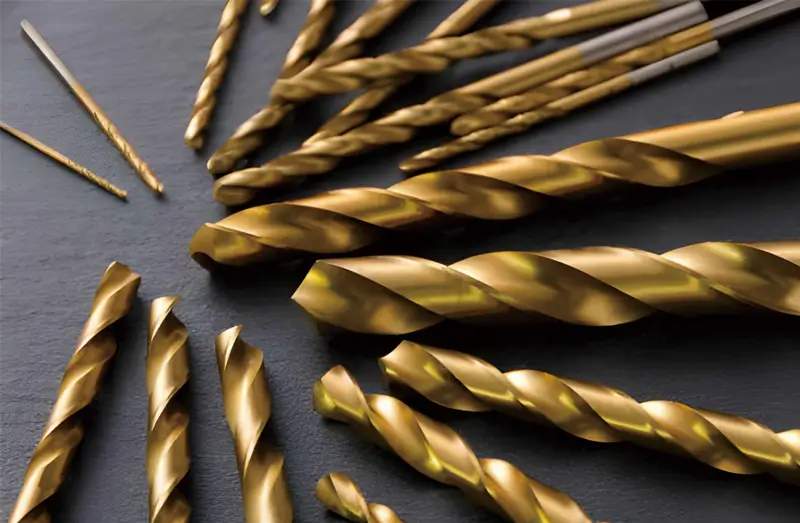
TiAlN performs better than TiN at higher temperatures. This coating works great for dry machining and provides excellent rust resistance. You can run these bits at higher speeds with less coolant.
Titanium Carbonitride Coating
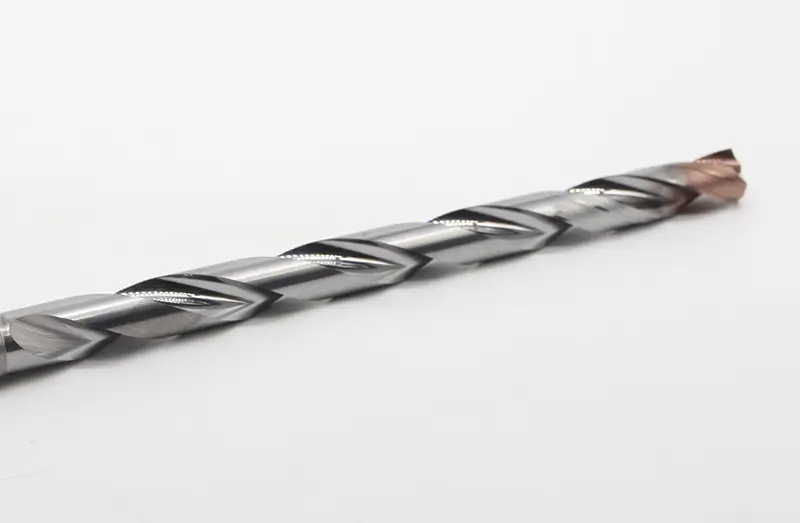
TiCN is harder than TiN while staying tough. This is a violet gray coating which works well for drilling harder steels where tool wear is a problem. The coating increases surface hardness significantly.
Bronze Oxide Finish
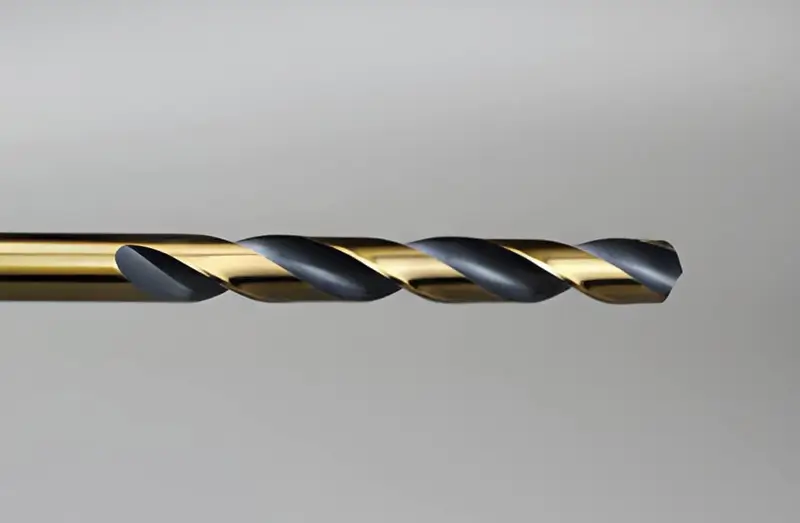
Bronze oxide coating provides moderate heat resistance and rust protection. This finish performs better than uncoated bits while costing less than TiN-coated options. You will find this coating on many mid-range hss drill bit set choices.
Best Applications for HSS Drill Bits
Drywall and Masonry
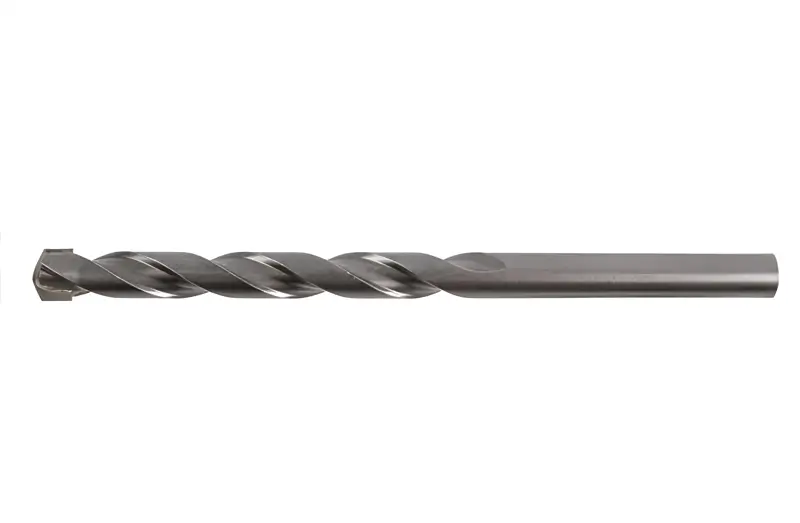
You can incorporate drill bits for occasional drywall use. However, they are not designed for concrete. The reason is construction work requires carbide tipped bits. They are designed to handle the tough hammering needed to break the hard surfaces. Using standard HSS on concrete will quickly destroy the cutting edge.
Removing Broken Screws and Bolts
HSS cobalt bits are a good option for drilling out broken fasteners in hardened steel. So you can start with a small pilot hole, then slowly increase size. Apply the slow pressure and use cutting oil to prevent hardening the material around the broken fastener.
Professional vs DIY Applications
Professional machinists prefer fully ground M2 bits. M2 bits are good for consistent performance. DIY users like the standard HSS-R bits that meet most home workshop needs. If you buy a quality hss steel drill bit, it will provide a better value than repeatedly replacing cheap bits.
HSS vs Other Drill Bit Materials
HSS vs Cobalt Drill Bits
When evaluating hss drill bits vs cobalt drill bits, remember that cobalt bits are actually HSS with added cobalt. Standard HSS costs less and works perfectly for softer materials. Cobalt bits justify their higher price when drilling stainless steel, hardened steel, and tough alloys.
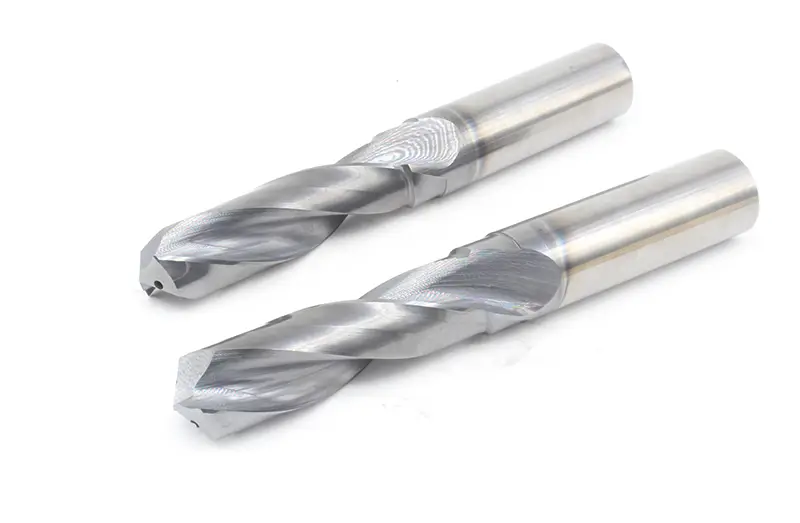
Carbide drill bits offer better hardness and heat resistance but cost much more and break more easily. Carbide is a good option for production factories with rigid setups and coolant systems. For general purpose work, HSS is a good option for hand drilling.
HSS vs Carbon Steel Bits
Carbon steel bits cost less initially but dull quickly and cannot handle high speeds. HSS bits keep their edge longer, can be resharpened more times, and work at higher speeds. The investment in HSS means improved tool life.
HSS vs Masonry Bits
Masonry bits have carbide tips designed for hammer drill impact forces. You cannot substitute HSS bits for masonry work. Each bit type is engineered for specific materials and drilling methods.
Common Problems and Troubleshooting
Drill Bit Walking
Drill bit walking is the result of bits lacking a split point or when you fail to create a center punch dimple. You will apply a firm pressure initially to help the bit bite into the material. Use a slower speed and ensure your drill is straight to the work surface.
Bits Getting Dull Quickly
Early dulling shows excessive speed, poor lubrication, or drilling materials too hard for standard HSS. Reduce speed, apply cutting fluid, and consider upgrading to cobalt bits for harder materials. Sharpen bits before they become completely dull.
Overheating Issues
Overheating damages the temper and causes rapid wear. To fix this issue, you will reduce drilling speed, use cutting oil, and drill in short bursts to allow cooling. Excessive heat is often the result of dull bits that need sharpening. It can even be the wrong bit selection for the material hardness.
Broken or Chipped Bits
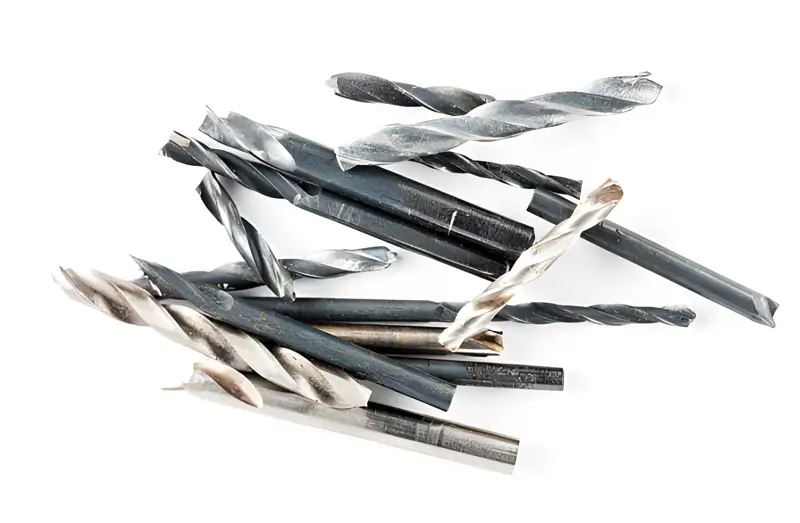
Chipped bits come from excessive pressure, bit binding in deep holes, and drilling at wrong angles. The best thing is to incorporate pilot holes for large sizes. Subsequently, you will clear chips regularly when drilling deep. Also, maintain proper straight alignment. Cobalt bits are more brittle than standard HSS and require careful handling.
Uneven and Off Center Holes
Unbalanced grinding causes bits to drill oversized holes. Simultaneously, bent bits will also lead to accuracy problems. Verify bit sharpness and balance, check chuck alignment, and ensure bits are straight.
Bit Slipping in Chuck
Tighten the chuck firmly using all three holes in the chuck key. Clean oil and debris from both bit shank and chuck jaws. Replace worn chucks that no longer grip securely. Hex shank bits provide better grip in quick-change chucks.
Conclusion
Your investment in quality hss drill bits provides flexible, economical drilling solutions for multiple materials. Understanding bit types, coatings, and proper usage techniques maximizes performance and tool life for professional work and DIY projects.
FAQs
What is an HSS drill bit?
HSS means high speed steel. It is a tool steel mix containing tungsten, molybdenum, chromium, and vanadium. These bits can drill at higher speeds than carbon steel bits. The reason is that they stay hard at high temperatures created during drilling operations.
Are cobalt drill bits better than HSS?
Cobalt drill bits are HSS with added cobalt for better heat resistance. They perform better than standard HSS when drilling hardened steel, stainless steel, and tough alloys. However, standard HSS is a good option for general purposes and costs much less.
Are HSS drill bits for metal?
HSS drill bits are good for drilling various metals including steel, aluminum, brass, and copper. They also work well on wood, and plastic. These features make hss drill bits highly flexible for the general purpose drilling tools.
Can HSS drill bits be used for concrete?
You should not use HSS drill bits for concrete and construction. These materials require carbide tipped masonry bits designed for hammer drill impact forces. Using HSS on concrete quickly destroys the cutting edge and ruins the bit.