










50 Tool-Coating Entries: Materials and Selection
Tool coatings modify the surfaces of drills, milling cutters, and other tools. This list preserves 50 coating entries, including overlapping names and specialist designations; it is not a list of 50 distinct, interchangeable commercial products. Start with the work material and operation, then verify the actual coating grade, substrate, edge preparation, and cutting data. A chemical label alone does not establish suitability.
Tool Coating Materials and Their Properties
-1. Titanium Nitride (TiN)
TiN is an established hard coating used in qualified cutting-tool grades. PVD and CVD versions exist. Its familiar gold appearance does not specify thickness, structure, adhesion, or application range; select the complete tool grade. Application checks:
Steel: consider only tool grades qualified for the actual material, hardness or reinforcement, operation, and cutting conditions.
Cast iron: consider only tool grades qualified for the actual material, hardness or reinforcement, operation, and cutting conditions.
Stainless steels: consider only tool grades qualified for the actual material, hardness or reinforcement, operation, and cutting conditions.
Non-ferrous metals: consider only tool grades qualified for the actual material, hardness or reinforcement, operation, and cutting conditions.
Plastics and composites: consider only tool grades qualified for the actual material, hardness or reinforcement, operation, and cutting conditions.
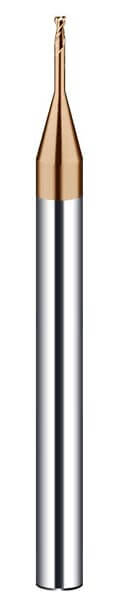
-2. Titanium aluminium nitride (TiAlN)
TiAlN is an established nitride coating family, commonly deposited by PVD. Formulation and layer design affect performance at elevated cutting temperatures. Do not infer a universal dry-cutting window or aluminium-machining suitability from the name. Application checks:
Steel: consider only tool grades qualified for the actual material, hardness or reinforcement, operation, and cutting conditions.
Stainless steels: consider only tool grades qualified for the actual material, hardness or reinforcement, operation, and cutting conditions.
High-temperature alloys: consider only tool grades qualified for the actual material, hardness or reinforcement, operation, and cutting conditions.
Non-ferrous metals: TiAlN is not an automatic choice for aluminium or copper alloys; compare grades specifically qualified for adhesion control.
-3. Aluminium nitride (AlN)
AlN is a ceramic compound; its bulk thermal properties do not establish the performance of an AlN-coated cutting edge. Treat this as a specialist coating designation and require a defined coating system and machining evidence before selection. Application checks:
High temperature alloys: no generic cutting recommendation follows from this label; verify the exact coating, tool, and process before use.
Ceramic materials: no generic cutting recommendation follows from this label; verify the exact coating, tool, and process before use.
-4. Aluminium Titanium Nitride (AlTiN)
AlTiN and TiAlN describe related aluminium-titanium nitride systems. The naming order may indicate composition conventions, but it is not a complete grade specification. Use the supplier’s composition, structure, and application data. Application checks:
Steel: consider only tool grades qualified for the actual material, hardness or reinforcement, operation, and cutting conditions.
Stainless steels: consider only tool grades qualified for the actual material, hardness or reinforcement, operation, and cutting conditions.
High temperature alloys: consider only tool grades qualified for the actual material, hardness or reinforcement, operation, and cutting conditions.
Cast iron: consider only tool grades qualified for the actual material, hardness or reinforcement, operation, and cutting conditions.
-5. Chromium nitride (CrN)
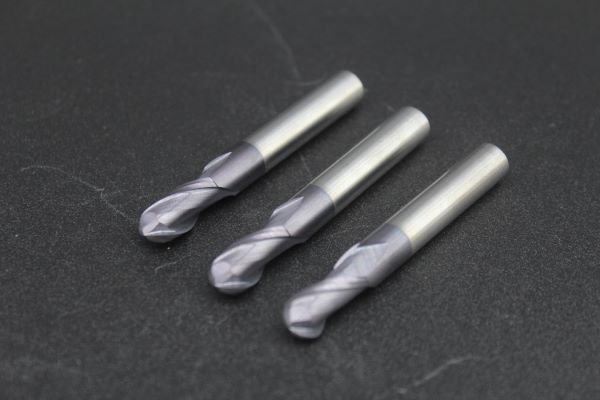
CrN coatings are used in qualified tooling and component applications where wear or adhesion behavior matters. A forming-tool or component coating specification cannot automatically be transferred to a cutting tool. Application checks:
Non-ferrous metals: consider only tool grades qualified for the actual material, hardness or reinforcement, operation, and cutting conditions.
Plastics and composites: consider only tool grades qualified for the actual material, hardness or reinforcement, operation, and cutting conditions.
Steel: consider only tool grades qualified for the actual material, hardness or reinforcement, operation, and cutting conditions.
-6. Titanium carbide (TiC)
TiC is an established constituent of CVD cutting-tool coatings. The carbide substrate being coated is not necessarily the workpiece being machined. Select the complete coated grade for the cutting operation. Application checks:
Steel: consider only tool grades qualified for the actual material, hardness or reinforcement, operation, and cutting conditions.
Cast iron: consider only tool grades qualified for the actual material, hardness or reinforcement, operation, and cutting conditions.
Cemented carbide: require a process qualified for machining cemented carbide moulds. A carbide tool substrate does not establish suitability for cutting this work material.
-7. Titanium Carbonitride (TiCN)
TiCN means titanium carbonitride, not separate titanium carbide and nitride layers by definition. PVD and CVD-related systems exist. Composition, deposition route, and layer architecture determine the actual grade properties. Application checks:
Steel: consider only tool grades qualified for the actual material, hardness or reinforcement, operation, and cutting conditions.
Cast iron: consider only tool grades qualified for the actual material, hardness or reinforcement, operation, and cutting conditions.
Stainless steels: consider only tool grades qualified for the actual material, hardness or reinforcement, operation, and cutting conditions.
Non-ferrous metals: consider only tool grades qualified for the actual material, hardness or reinforcement, operation, and cutting conditions.
-8. Aluminium oxide (Al2O3)
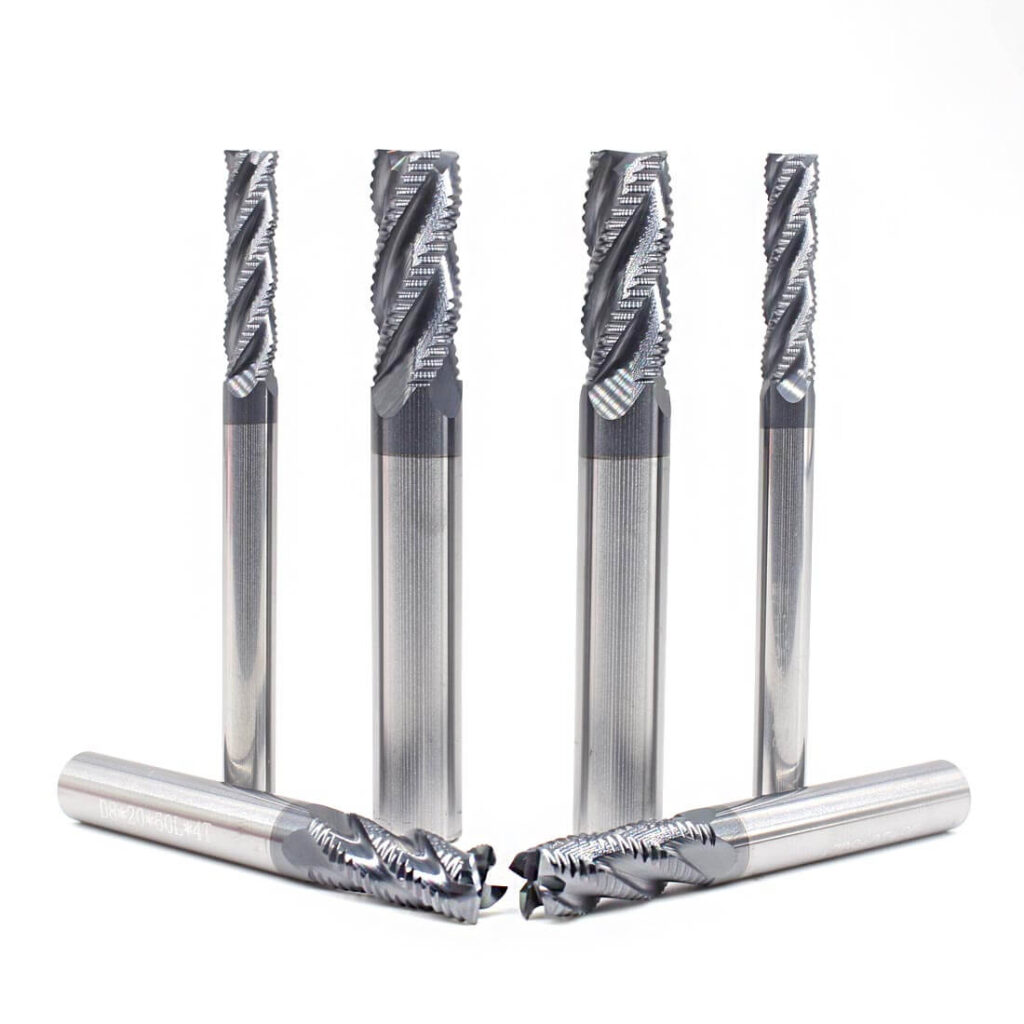
Al2O3 is used in established CVD-coated carbide systems, often with other layers. It can act as a thermal and chemical barrier. This does not imply that the resulting tool is intended to machine alumina ceramics or cemented-carbide moulds. Application checks:
High temperature alloys: consider only tool grades qualified for the actual material, hardness or reinforcement, operation, and cutting conditions.
Cemented carbide: do not confuse the coated tool substrate with the work material. Require a process specifically qualified for this hard material.
Ceramic materials: do not confuse the coated tool substrate with the work material. Require a process specifically qualified for this hard material.
-9. Diamond Like Carbon coating (DLC)
DLC is a family of diamond-like carbon coatings, distinct from crystalline diamond coatings. Depending on the system, deposition can use PVD or plasma-assisted CVD. Hardness, hydrogen content, friction, and temperature limits vary; specify the actual coating. Application checks:
Non-ferrous metals: consider only tool grades qualified for the actual material, hardness or reinforcement, operation, and cutting conditions.
Composite materials: consider only tool grades qualified for the actual material, hardness or reinforcement, operation, and cutting conditions.
Plastics: consider only tool grades qualified for the actual material, hardness or reinforcement, operation, and cutting conditions.
-10.Hard Chrome
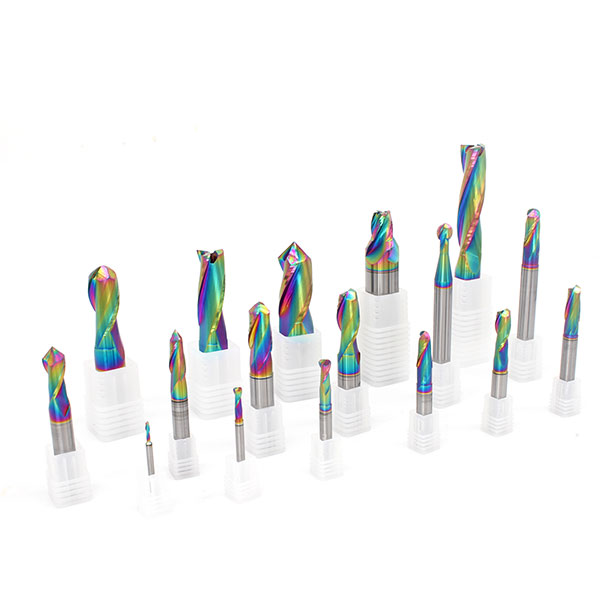
Hard chrome is an electroplated surface treatment used on suitable components and tooling. It is not a default cutting-edge coating for all work materials. Verify edge geometry, adhesion, thickness, and the intended service. Application checks:
Steel: suitability must be established by the defined coating system and relevant machining tests, not the abbreviated composition alone.
Cast iron: suitability must be established by the defined coating system and relevant machining tests, not the abbreviated composition alone.
Non-ferrous metals: suitability must be established by the defined coating system and relevant machining tests, not the abbreviated composition alone.
Plastics and composites: suitability must be established by the defined coating system and relevant machining tests, not the abbreviated composition alone.
-11. Titanium oxide (TiO2)
TiO2 denotes titanium dioxide. Its use in surface engineering does not establish a universal cutting-tool coating recommendation. Require a named commercial or experimental coating system and relevant machining evidence. Application checks:
Steels: suitability must be established by the defined coating system and relevant machining tests, not the abbreviated composition alone.
Non-ferrous metals: suitability must be established by the defined coating system and relevant machining tests, not the abbreviated composition alone.
Plastics and Composites: suitability must be established by the defined coating system and relevant machining tests, not the abbreviated composition alone.
-12. Titanium aluminium cobalt nitride (TiAlCoN)
TiAlCoN denotes a titanium-aluminium-cobalt-nitrogen coating designation. The original name omitted titanium. Confirm composition, phases, deposition method, and demonstrated cutting conditions; the formula alone does not prove high-speed capability. Application checks:
High temperature alloys: suitability must be established by the defined coating system and relevant machining tests, not the abbreviated composition alone.
Stainless steel: suitability must be established by the defined coating system and relevant machining tests, not the abbreviated composition alone.
Steels: suitability must be established by the defined coating system and relevant machining tests, not the abbreviated composition alone.
-13. Silicon Carbide (SiC)
SiC is silicon carbide. Bulk SiC ceramics, SiC reinforcement, and deposited SiC layers are different tool-material concepts. Do not transfer bulk hardness or heat-resistance claims directly to a coating application. Application checks:
Ceramic materials: do not confuse the coated tool substrate with the work material. Require a process specifically qualified for this hard material.
Cemented Carbide: do not confuse the coated tool substrate with the work material. Require a process specifically qualified for this hard material.
Steel: suitability must be established by the defined coating system and relevant machining tests, not the abbreviated composition alone.
-14. Silicon nitride (Si3N4)
Si3N4 is silicon nitride, also used as a bulk cutting-ceramic material. A silicon-nitride insert and a deposited coating are not interchangeable. Require specific coating and substrate data before applying this entry to cutting tools. Application checks:
High-temperature alloys: no generic cutting recommendation follows from this label; verify the exact coating, tool, and process before use.
Ceramic materials: no generic cutting recommendation follows from this label; verify the exact coating, tool, and process before use.
Steels: no generic cutting recommendation follows from this label; verify the exact coating, tool, and process before use.
-15. Zirconium oxide (ZrO2)
ZrO2 is zirconium dioxide. Bulk zirconia or its role in toughening ceramics does not by itself establish a useful cutting-edge coating. Confirm the deposited layer structure and the actual machining application. Application checks:
High-temperature alloys: no generic cutting recommendation follows from this label; verify the exact coating, tool, and process before use.
Ceramic materials: no generic cutting recommendation follows from this label; verify the exact coating, tool, and process before use.
Steels: no generic cutting recommendation follows from this label; verify the exact coating, tool, and process before use.
-16. Molybdenum disulphide (MoS2)
MoS2 is molybdenum disulphide, a solid-lubricant material used in suitable surface systems. A low-friction top layer is not a substitute for the underlying tool’s load capacity. Temperature, humidity, adhesion, and service conditions must match the qualified system. Application checks:
Steel: suitability must be established by the defined coating system and relevant machining tests, not the abbreviated composition alone.
Non-ferrous metals: suitability must be established by the defined coating system and relevant machining tests, not the abbreviated composition alone.
Plastics and Composites: suitability must be established by the defined coating system and relevant machining tests, not the abbreviated composition alone.
-17. Titanium zirconium nitride (TiZrN)
TiZrN identifies a titanium-zirconium nitride system. The elemental label does not specify composition, layer structure, or deposition conditions. Select only a defined grade with data for the intended cut. Application checks:
Steel: suitability must be established by the defined coating system and relevant machining tests, not the abbreviated composition alone.
Stainless steels: suitability must be established by the defined coating system and relevant machining tests, not the abbreviated composition alone.
Cast iron: suitability must be established by the defined coating system and relevant machining tests, not the abbreviated composition alone.
-18. Titanium aluminium silicon nitride (TiAlSiN)
TiAlSiN identifies a titanium-aluminium-silicon nitride system. Silicon-containing coating designs can differ substantially in phase structure and layers. Confirm the actual product and application data rather than assuming all formulations behave alike. Application checks:
High temperature alloys: consider only tool grades qualified for the actual material, hardness or reinforcement, operation, and cutting conditions.
Stainless steels: consider only tool grades qualified for the actual material, hardness or reinforcement, operation, and cutting conditions.
Steels: consider only tool grades qualified for the actual material, hardness or reinforcement, operation, and cutting conditions.
-19. Titanium silicon nitride (TiSiN)
TiSiN identifies a titanium-silicon nitride system. Performance depends on composition, phase structure, thickness, and the tool substrate. This family also appears later in the list; the repeated name is not a separate qualified grade. Application checks:
High temperature alloys: consider only tool grades qualified for the actual material, hardness or reinforcement, operation, and cutting conditions.
Stainless steels: consider only tool grades qualified for the actual material, hardness or reinforcement, operation, and cutting conditions.
Steels: consider only tool grades qualified for the actual material, hardness or reinforcement, operation, and cutting conditions.
-20. Aluminium titanium carbonitride (AlTiCN)
AlTiCN denotes an aluminium-titanium carbonitride system. It is not automatically a simple combination of all properties of TiAlN and TiCN. Composition and architecture must be specified; this designation is repeated later in the list. Application checks:
Steels: suitability must be established by the defined coating system and relevant machining tests, not the abbreviated composition alone.
Stainless steels: suitability must be established by the defined coating system and relevant machining tests, not the abbreviated composition alone.
Cast iron: suitability must be established by the defined coating system and relevant machining tests, not the abbreviated composition alone.
Non-ferrous metals: suitability must be established by the defined coating system and relevant machining tests, not the abbreviated composition alone.
-21. Aluminium chromium nitride (AlCrN)
AlCrN is an established aluminium-chromium nitride coating family used in qualified cutting-tool systems. Its performance still depends on the specific grade, substrate, edge preparation, and machining conditions. Application checks:
Steels: consider only tool grades qualified for the actual material, hardness or reinforcement, operation, and cutting conditions.
High temperature alloys: consider only tool grades qualified for the actual material, hardness or reinforcement, operation, and cutting conditions.
Cast iron: consider only tool grades qualified for the actual material, hardness or reinforcement, operation, and cutting conditions.
-22. Titanium chromium nitride (TiCrN)
TiCrN denotes a titanium-chromium nitride system. Compare its actual composition and layer design with CrTiN entries rather than assuming a different order of letters proves a distinct coating family. Application checks:
Steel: suitability must be established by the defined coating system and relevant machining tests, not the abbreviated composition alone.
Stainless steels: suitability must be established by the defined coating system and relevant machining tests, not the abbreviated composition alone.
Non-ferrous metals: suitability must be established by the defined coating system and relevant machining tests, not the abbreviated composition alone.
-23. Titanium aluminium oxide (TiAl2O3)
The label TiAl2O3 does not provide an unambiguous specification for a titanium-aluminium oxide coating. Obtain the supplier’s actual composition, phase structure, and deposition process before assigning properties or work-material recommendations. Application checks:
High-temperature alloys: no generic cutting recommendation follows from this label; verify the exact coating, tool, and process before use.
Steels: no generic cutting recommendation follows from this label; verify the exact coating, tool, and process before use.
Ceramic materials: no generic cutting recommendation follows from this label; verify the exact coating, tool, and process before use.
-24. Titanium nickel nitride (TiNiN)
TiNiN denotes a titanium-nickel-nitrogen system. Nickel content and phase structure are not specified by this label. Require coating characterization and application tests rather than assuming broad cutting suitability. Application checks:
Steels: suitability must be established by the defined coating system and relevant machining tests, not the abbreviated composition alone.
Non-ferrous metals: suitability must be established by the defined coating system and relevant machining tests, not the abbreviated composition alone.
Plastics and composites: suitability must be established by the defined coating system and relevant machining tests, not the abbreviated composition alone.
-25. Silicon carbonitride (SiCN)
SiCN means silicon carbonitride. Composition, bonding, and deposition route affect its behavior. It is not equivalent to bulk silicon carbide, and the label alone does not establish a cutting-tool application. Application checks:
Ceramic materials: do not confuse the coated tool substrate with the work material. Require a process specifically qualified for this hard material.
Cemented carbide: do not confuse the coated tool substrate with the work material. Require a process specifically qualified for this hard material.
Steel: suitability must be established by the defined coating system and relevant machining tests, not the abbreviated composition alone.
-26. Titanium tungsten nitride (TiWN)
TiWN denotes a titanium-tungsten-nitrogen system. Confirm the actual coating composition, architecture, adhesion, and tested cutting range. The presence of tungsten alone does not establish high-temperature performance. Application checks:
High-temperature alloys: suitability must be established by the defined coating system and relevant machining tests, not the abbreviated composition alone.
Stainless steel: suitability must be established by the defined coating system and relevant machining tests, not the abbreviated composition alone.
Steels: suitability must be established by the defined coating system and relevant machining tests, not the abbreviated composition alone.
-27. Aluminium titanium carbonitride (AlTiCN)
This AlTiCN entry overlaps the earlier aluminium-titanium carbonitride entry. A separate supplier grade may have different composition or architecture, but the repeated designation alone does not define another coating.
-28. Aluminium chromium titanium nitride (AlCrTiN)
AlCrTiN denotes an aluminium-chromium-titanium nitride system; chromium must not be omitted from its name. Match a defined coating grade to the substrate, operation, and work material. Application checks:
High-temperature alloys: suitability must be established by the defined coating system and relevant machining tests, not the abbreviated composition alone.
Steel: suitability must be established by the defined coating system and relevant machining tests, not the abbreviated composition alone.
Cast iron: suitability must be established by the defined coating system and relevant machining tests, not the abbreviated composition alone.
-29. Titanium zirconium oxide (TiZrO2)
The label TiZrO2 is not a complete specification of a titanium-zirconium oxide system. Verify stoichiometry, phases, deposition route, and adhesion before drawing conclusions about heat resistance or cutting performance.
-30. Tungsten disulphide (WS2)
WS2 is tungsten disulphide, a solid-lubricant material used in suitable surface systems. A low-friction result under one test does not establish cutting-edge life or a universal operating-temperature range. Application checks:
Suitable materials: suitability must be established by the defined coating system and relevant machining tests, not the abbreviated composition alone.
Steel: suitability must be established by the defined coating system and relevant machining tests, not the abbreviated composition alone.
Non-ferrous metals: suitability must be established by the defined coating system and relevant machining tests, not the abbreviated composition alone.
Plastics and Composites: suitability must be established by the defined coating system and relevant machining tests, not the abbreviated composition alone.
-31. Titanium cobalt nitride (TiCoN)
TiCoN denotes a titanium-cobalt-nitrogen system. Require the actual composition and phase information; do not infer a general high-speed cutting capability from the presence of cobalt. Application checks:
Steel: suitability must be established by the defined coating system and relevant machining tests, not the abbreviated composition alone.
Non-ferrous metals: suitability must be established by the defined coating system and relevant machining tests, not the abbreviated composition alone.
Stainless steels: suitability must be established by the defined coating system and relevant machining tests, not the abbreviated composition alone.
-32. Aluminium silicon carbonitride (AlSiCN)
AlSiCN denotes an aluminium-silicon carbonitride system. The abbreviated name does not specify carbon and nitrogen content or bonding structure. Verify the coating and relevant machining tests before selecting it. Application checks:
Steels: suitability must be established by the defined coating system and relevant machining tests, not the abbreviated composition alone.
Ceramic materials: suitability must be established by the defined coating system and relevant machining tests, not the abbreviated composition alone.
Cast iron: suitability must be established by the defined coating system and relevant machining tests, not the abbreviated composition alone.
-33. Titanium silicon nitride (TiSiN)
This TiSiN entry repeats the titanium-silicon nitride family above. Treat separately named products as distinct only when their grade specifications or validated performance differ. Application checks:
High temperature alloys: consider only tool grades qualified for the actual material, hardness or reinforcement, operation, and cutting conditions.
Stainless steels: consider only tool grades qualified for the actual material, hardness or reinforcement, operation, and cutting conditions.
Steels: consider only tool grades qualified for the actual material, hardness or reinforcement, operation, and cutting conditions.
-34. Aluminium titanium chromium oxide (AlTiCrO)
AlTiCrO is a shorthand label for an aluminium-titanium-chromium oxide system, not a full stoichiometric specification. Obtain the actual composition and layer structure before assigning application limits. Application checks:
High-temperature alloys: suitability must be established by the defined coating system and relevant machining tests, not the abbreviated composition alone.
Steels: suitability must be established by the defined coating system and relevant machining tests, not the abbreviated composition alone.
Ceramic materials: suitability must be established by the defined coating system and relevant machining tests, not the abbreviated composition alone.
-35. Aluminium titanium silicon nitride (AlTiSiN)
AlTiSiN belongs to the same elemental system as TiAlSiN. Different ratios and layer designs may produce different grades, but the order of letters does not establish performance by itself. Application checks:
High temperature alloys: consider only tool grades qualified for the actual material, hardness or reinforcement, operation, and cutting conditions.
Stainless steels: consider only tool grades qualified for the actual material, hardness or reinforcement, operation, and cutting conditions.
Steels: consider only tool grades qualified for the actual material, hardness or reinforcement, operation, and cutting conditions.
-36. Nickel sulphide (NiS)
NiS identifies a nickel-sulphide composition. This label alone does not establish a lubricating PVD cutting-tool coating. Do not assign a work-material range without a defined product and supporting machining data. Application checks:
Steel: no generic cutting recommendation follows from this label; verify the exact coating, tool, and process before use.
Non-ferrous metals: no generic cutting recommendation follows from this label; verify the exact coating, tool, and process before use.
Plastics and Composites: no generic cutting recommendation follows from this label; verify the exact coating, tool, and process before use.
-37. Titanium-vanadium nitride (TiVN)
TiVN denotes a titanium-vanadium nitride system. Its composition and surface behavior depend on the specific coating. Require a named grade and validated cutting conditions rather than assuming universal heat resistance. Application checks:
High temperature alloys: suitability must be established by the defined coating system and relevant machining tests, not the abbreviated composition alone.
Stainless steels: suitability must be established by the defined coating system and relevant machining tests, not the abbreviated composition alone.
Steels: suitability must be established by the defined coating system and relevant machining tests, not the abbreviated composition alone.
High speed steel (HSS) or carbide is the tool substrate, not the work-material recommendation. Confirm that the coating process preserves the substrate properties and cutting edge.
-38. Titanium boron nitride (TiBN)
TiBN denotes a titanium-boron-nitrogen system. Specify its composition and phases rather than reading the abbreviation as a guaranteed single compound. Cutting performance must be demonstrated for the actual coating and tool. Application checks:
High temperature alloys: suitability must be established by the defined coating system and relevant machining tests, not the abbreviated composition alone.
Stainless steels: suitability must be established by the defined coating system and relevant machining tests, not the abbreviated composition alone.
Steels: suitability must be established by the defined coating system and relevant machining tests, not the abbreviated composition alone.
-39. Chromium Titanium Nitride (CrTiN)
CrTiN overlaps the chromium-titanium nitride elemental system described as TiCrN above. Compare supplier grade specifications, composition, and layer architecture; a reversed name is not proof of a separate family. Application checks:
Steel: suitability must be established by the defined coating system and relevant machining tests, not the abbreviated composition alone.
Stainless steels: suitability must be established by the defined coating system and relevant machining tests, not the abbreviated composition alone.
Non-ferrous metals: suitability must be established by the defined coating system and relevant machining tests, not the abbreviated composition alone.
-40. Aluminium titanium tungsten nitride (AlTiWN)
AlTiWN denotes an aluminium-titanium-tungsten nitride system. Confirm the composition, layer structure, adhesion, and tested operating conditions. High-speed suitability cannot be inferred from the elemental list. Application checks:
High temperature alloys: suitability must be established by the defined coating system and relevant machining tests, not the abbreviated composition alone.
Steel: suitability must be established by the defined coating system and relevant machining tests, not the abbreviated composition alone.
Cast iron: suitability must be established by the defined coating system and relevant machining tests, not the abbreviated composition alone.
-41. Chromium Titanium Aluminium Nitride (CrTiAlN)
CrTiAlN describes a chromium-titanium-aluminium nitride system and can overlap names such as AlCrTiN. Use the defined product grade, not the ordering of the elements, for selection. Application checks:
High temperature alloys: suitability must be established by the defined coating system and relevant machining tests, not the abbreviated composition alone.
Stainless steels: suitability must be established by the defined coating system and relevant machining tests, not the abbreviated composition alone.
Steels: suitability must be established by the defined coating system and relevant machining tests, not the abbreviated composition alone.
-42. Chromium Titanium Carbonitride (CrTiCN)
CrTiCN means chromium-titanium carbonitride; omitting carbon from the name is misleading. The carbon-to-nitrogen balance and layer structure affect the coating, so verify the actual specification and application data. Application checks:
Steel: suitability must be established by the defined coating system and relevant machining tests, not the abbreviated composition alone.
Stainless steel: suitability must be established by the defined coating system and relevant machining tests, not the abbreviated composition alone.
Cast iron: suitability must be established by the defined coating system and relevant machining tests, not the abbreviated composition alone.
-43. Iron sulphide (FeS)
FeS denotes iron sulphide. A sulphide-containing surface treatment is not automatically a PVD cutting-tool coating. Confirm the actual process, substrate, and service before making a machining recommendation. Application checks:
Steel: no generic cutting recommendation follows from this label; verify the exact coating, tool, and process before use.
Non-ferrous metals: no generic cutting recommendation follows from this label; verify the exact coating, tool, and process before use.
Plastics and Composites: no generic cutting recommendation follows from this label; verify the exact coating, tool, and process before use.
-44. Titanium zirconium carbonitride (TiZrCN)
TiZrCN denotes a titanium-zirconium carbonitride system. Composition, carbon-to-nitrogen balance, and coating architecture must be defined before assigning a work-material or temperature range. Application checks:
High temperature alloys: suitability must be established by the defined coating system and relevant machining tests, not the abbreviated composition alone.
Stainless steels: suitability must be established by the defined coating system and relevant machining tests, not the abbreviated composition alone.
Steels: suitability must be established by the defined coating system and relevant machining tests, not the abbreviated composition alone.
-45. Aluminium titanium nickel nitride (AlTiNiN)
AlTiNiN denotes an aluminium-titanium-nickel-nitrogen system. This designation does not specify phase structure or a commercially qualified cutting grade. Require composition and application evidence. Application checks:
Steels: suitability must be established by the defined coating system and relevant machining tests, not the abbreviated composition alone.
Non-ferrous metals: suitability must be established by the defined coating system and relevant machining tests, not the abbreviated composition alone.
Stainless steels: suitability must be established by the defined coating system and relevant machining tests, not the abbreviated composition alone.
-46. Titanium chromium silicon nitride (TiCrSiN)
TiCrSiN denotes a titanium-chromium-silicon nitride system. Select a defined coating architecture and substrate combination, supported by data for the intended material and operation. Application checks:
High temperature alloys: suitability must be established by the defined coating system and relevant machining tests, not the abbreviated composition alone.
Stainless steels: suitability must be established by the defined coating system and relevant machining tests, not the abbreviated composition alone.
Steels: suitability must be established by the defined coating system and relevant machining tests, not the abbreviated composition alone.
-47. Aluminium titanium vanadium nitride (AlTiVN)
AlTiVN denotes an aluminium-titanium-vanadium nitride system. Confirm the actual composition and tested cutting conditions. A formula alone cannot justify increased speed or temperature. Application checks:
High temperature alloys: suitability must be established by the defined coating system and relevant machining tests, not the abbreviated composition alone.
Stainless steels: suitability must be established by the defined coating system and relevant machining tests, not the abbreviated composition alone.
Steels: suitability must be established by the defined coating system and relevant machining tests, not the abbreviated composition alone.
-48. Titanium cobalt carbonitride (TiCoCN)
TiCoCN denotes a titanium-cobalt carbonitride system. Verify the carbon and nitrogen content, phases, deposition route, and application results before assigning cutting recommendations. Application checks:
Steel: suitability must be established by the defined coating system and relevant machining tests, not the abbreviated composition alone.
Stainless steels: suitability must be established by the defined coating system and relevant machining tests, not the abbreviated composition alone.
Cast iron: suitability must be established by the defined coating system and relevant machining tests, not the abbreviated composition alone.
-49. TiSN — legacy designation requiring clarification
The legacy label TiSN is ambiguous without a coating specification. Do not silently change it to TiSiN or assume a particular titanium-sulphur-nitrogen structure. Obtain the correct product identity before selecting a work-material application. Application checks:
Steel: no generic cutting recommendation follows from this label; verify the exact coating, tool, and process before use.
Non-ferrous metals: no generic cutting recommendation follows from this label; verify the exact coating, tool, and process before use.
Plastics and Composites: no generic cutting recommendation follows from this label; verify the exact coating, tool, and process before use.
-50. Titanium manganese nitride (TiMnN)
TiMnN denotes a titanium-manganese-nitrogen system. Composition and phases must be specified, and cutting performance demonstrated for the actual tool. The label does not establish a general-purpose coating. Application checks:
Steel: suitability must be established by the defined coating system and relevant machining tests, not the abbreviated composition alone.
Stainless steels: suitability must be established by the defined coating system and relevant machining tests, not the abbreviated composition alone.
Non-ferrous metals: suitability must be established by the defined coating system and relevant machining tests, not the abbreviated composition alone.
Applications of Tool Coatings
Tool coatings can support manufacturing across several industries. Selection still depends on the particular work material, tool grade, operation, and required surface quality.
Automotive Industry
Automotive manufacturing uses qualified coated tools for specific engine, transmission, and structural components. Validate the coating with the alloy, cut, production volume, and tool-change strategy.
Aerospace Industry
Aerospace machining can use qualified TiAlN, AlCrN, or other coating systems. Titanium, aluminium, and nickel-based alloys require different tool choices; the industry label alone does not define a coating.
Medical Industry
Medical-component manufacturing uses cutting tools selected for the actual alloy and process. A coating suitable for machining a medical part is not automatically suitable for an implant or surgical instrument; those applications require their own material and product qualification.
Electronics Industry
Electronics manufacturing can benefit from qualified coated tools for precise features and suitable materials. A DLC grade may help in some low-friction applications, but it is not a universal choice for every electronic component.
Woodworking Industry
In the woodworking industry, coating selection depends on the wood species, board composition, abrasiveness, edge geometry, and operation. TiN or ZrN is not a blanket recommendation; compare the actual tool system and validated performance.
Metalworking Industry
In metalworking, coatings such as qualified TiCN or TiAlN systems can improve performance in appropriate applications. Select the complete grade and cutting conditions for the metal and operation.
Benefits of Tool Coatings
The following benefits are potential outcomes of a well-matched coating and cutting process, not automatic results of adding any coating.
Increased Tool Life
A suitable coating may reduce wear and extend usable tool life. The result depends on the substrate, adhesion, edge preparation, work material, and operating conditions; compare measured life and changeover cost.
Enhanced Performance
A qualified coating can improve wear or friction behavior under suitable conditions. It cannot compensate for every incorrect geometry, unstable setup, or unsuitable cutting parameter.
Improved Surface Finish
A suitable coating may help maintain surface finish by limiting wear or adhesion. It does not automatically eliminate grinding, polishing, or other finishing required by the drawing.
Reduced Machining Time
Some qualified coating systems allow higher cutting data, but increases must stay within the tool and process limits. Validate dimensions, surface integrity, chip control, and tool life before changing production settings.
Cost Efficiency
Evaluate coating cost against measured tool life, reconditioning, cycle time, and rejected parts. A coating does not guarantee a net saving in every application.
Conclusion
Use this list to distinguish established coating families from overlapping or insufficiently specified designations. Request a complete grade specification and evidence for the intended work material. Validate performance on the actual operation rather than selecting by colour, chemical abbreviation, or an assumed universal benefit.