Skip to content
Drill Bits for Stainless Steel
Since stainless steel is tough and tends to work-harden, drilling into it is a unique task. Picking the right drill bit isn’t just an idea; it’s necessary for speed, safety, and a clean, professional finish.
This guide will show you the best drill bits for stainless steel, what features to look for, and how to use them correctly so that every hole is drilled properly. Using the right bit will save you time, money, and stress, whether you’re working in a factory or on a small job.
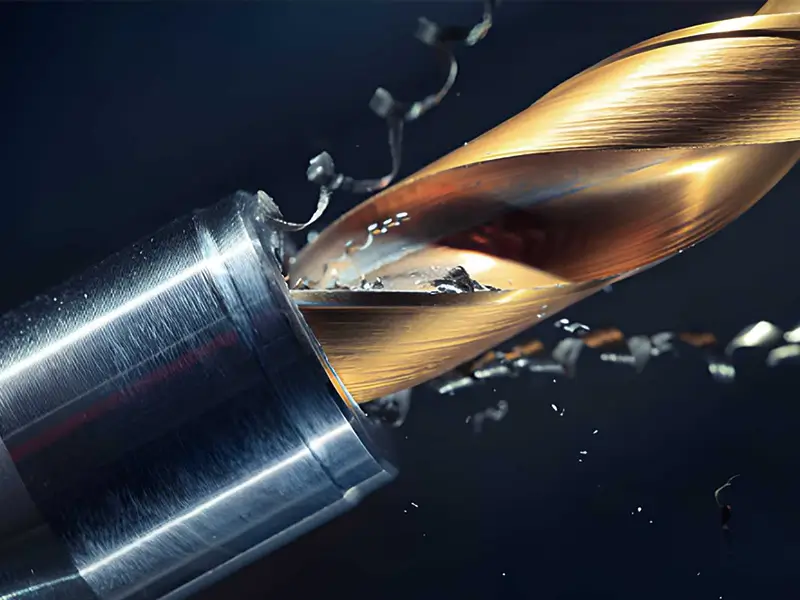
Types of Drill Bits for Stainless Steel
The most important thing for success is the material of your drill bit. For drilling in stainless steel, you need bits that are both harder than the steel and strong enough to handle the high temperatures that develop during the drilling process.
1.Cobalt (M35 & M42): The Top Recommendation
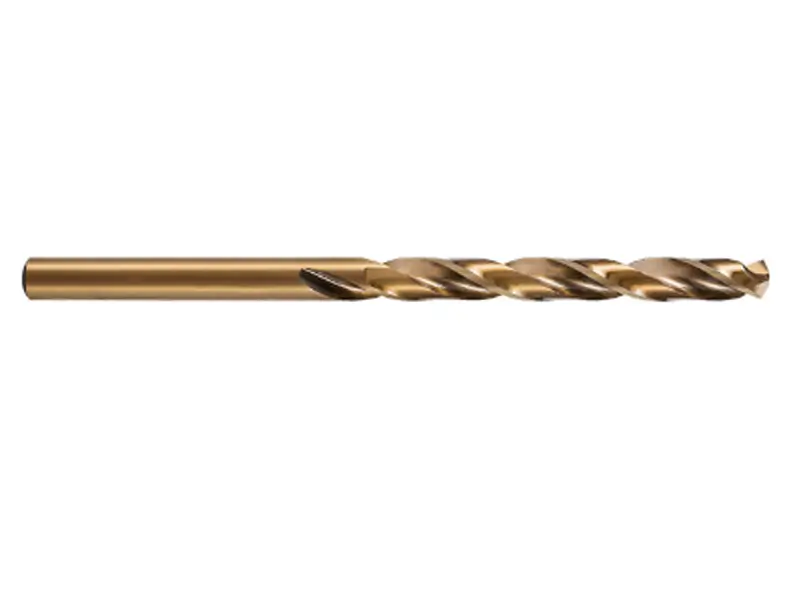
Cobalt drill bits are made from a solid steel blend that has 5–8% cobalt in it. They are not coated.
Cobalt makes steel much harder and more resistant to heat. This helps the bit keep its sharp cutting edge even when it’s heated up to very high temperatures, which happens when drilling through tough materials like stainless steel. Their purpose is to drill into rough and tough metals.
Being part of the steel alloy, the bit’s heat and wear resistance qualities stay the same even after it has been sharpened. They last a lot longer than covered bits when used on hard metals because of this.
2.High-Speed Steel (HSS): The Standard
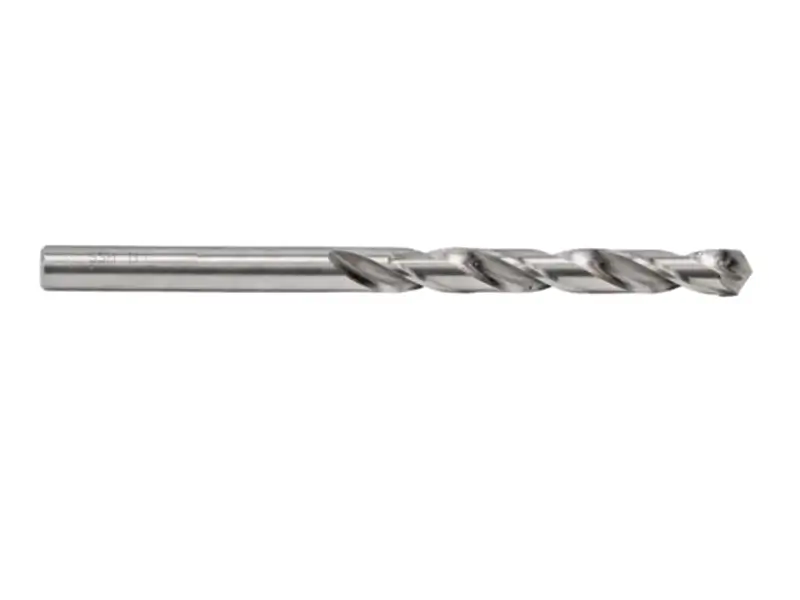
HSS is a popular and cheap material for drill bits. There are things in this kind of tool steel that make it stronger than regular carbon steel against heat and wear.
When drilling stainless steel, regular HSS bits will wear out very quickly. The heat makes the cutting edge weaker, which makes the bit useless. They work best with soft things like mild steel, plastic, and wood.
3.Titanium-Coated HSS: An Improvement, But With Limitations
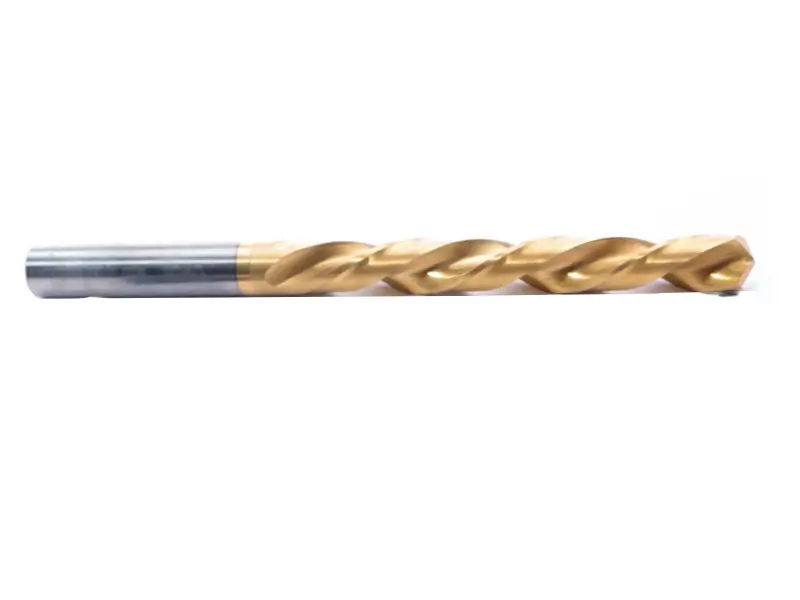
These are standard HSS bits that have a distinctive gold look because they have Titanium Nitride (TiN) on them.
The layer makes the surface harder and smoother, which keeps heat from building up and reduces friction. For short-term or occasional use, this makes them work better on stainless steel than HSS bits that aren’t protected.
One major challenge, however, is that it works like any other HSS bit once the coating on the cutting edge goes off. It also gets dull very quickly. When you sharpen the bit, the material comes off completely.
4.Solid Carbide: For Specialized Industrial Applications
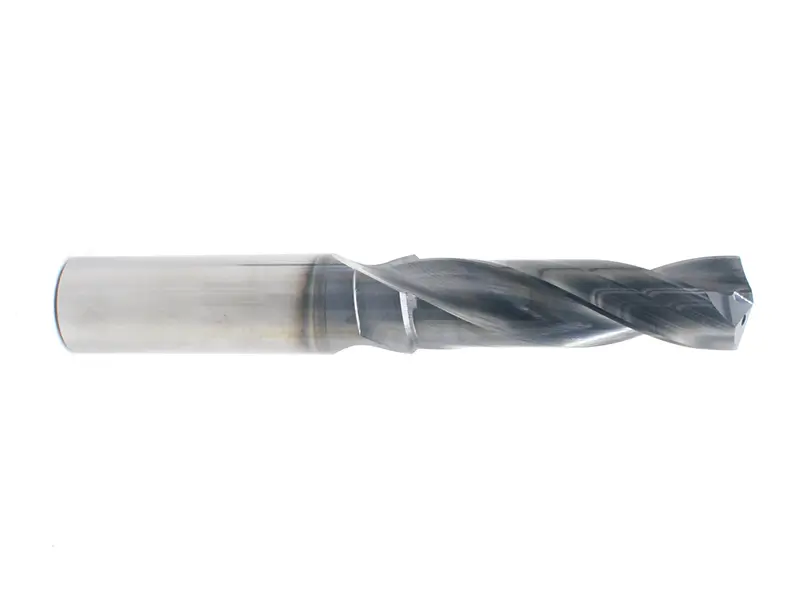
The tungsten carbide in these drill bits makes them the hardest and most wear-resistant. They work best in applications where a lot of precise, high-volume production is going on, like CNC machines or rigid drill presses. Solid carbide drill bit can drill through the hardest materials at very high speeds, be very accurate, and leave a smooth finish.
Choosing Between Cobalt Drill Bits and High-Speed Steel (HSS) Drill Bits for Stainless Steel
High-Speed Steel (HSS) and Cobalt are the two most popular materials talked about when choosing a drill bit for stainless steel. Even though they may appear similar, their core components and how they work are very different.
For your project to go well and your tools to last, it is crucial that you make the right choice of drill bit. Compare these two things side by side to help you decide.
Strength and Heat Resistance
The biggest problem with drilling stainless steel is that it gets very hot. This is the part where the difference between HSS and Cobalt is most visible.
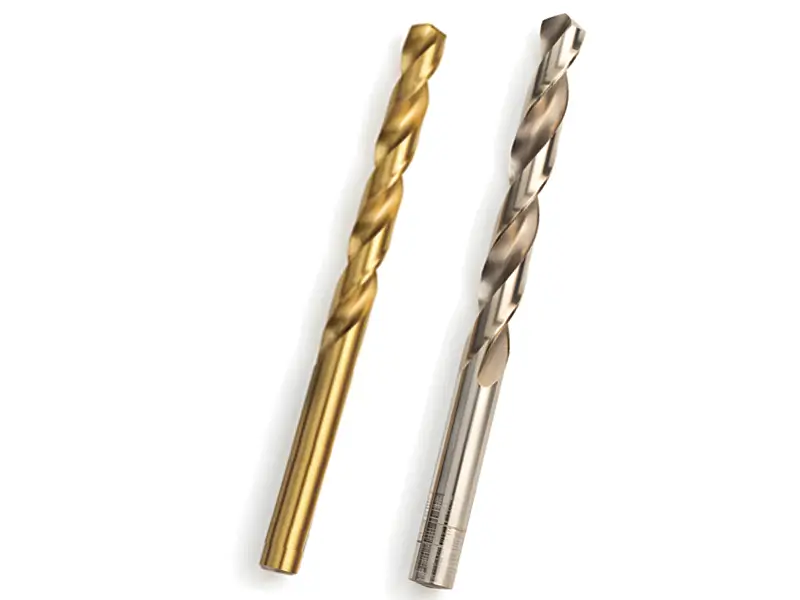
Steel and cobalt are mixed together to make cobalt bits. As a result of this combination, they are very resistant to high temperatures, so the cutting edge stays hard and sharp even when drilling stainless steel, which is a very tough job. Due to their strength, cobalt bits are the best choice for heavy-duty, constant drilling into hard metals.
On the other hand, standard High-Speed Steel bits don’t function well at high temperatures. An hardening process happens quickly when drilling stainless steel, which softens the bit’s cutting edge.This makes it dull and useless almost right away.
Flexibility vs. Brittleness
For cobalt’s exceptional hardness, it is more likely to break. Cobalt bits are not as bendable as HSS bits, they can break or chip more easily if not used correctly, especially with a hand drill where the angle changes. They work best in a stable place, like a drill press.
HSS bits are more flexible and easy to work with, which means they can handle being bent and are less likely to break during operation. Nonetheless, this flexibility doesn’t help when drilling stainless steel because the bit will break from heat before it can even break from stress.
Cost-effectiveness
While affordability is always important, long-term value over initial cost in the long run is even more crucial. The cost of buying cobalt drill bits is higher at first. The reason for their higher price is the cost of the materials used to make them and the process of making them. Cobalt drill bits are usually used by engineers, fabricators, and other related tradespeople who need to work reliably with metals like stainless steel.
HSS bits, on the other hand, are the most common and least expensive drill bits on the market. Their low price and ability to do many different jobs make them ideal for general workshop tasks like cutting into plastic, wood, and soft metals. However, because they need to be changed so often, they are not cost-effective to work with stainless steel.
Suitability of the Material
Using the right tool for the job is what makes the difference in the end. Cobalt is excellent for working with tough materials. It performs incredibly well drilling through titanium, stainless steel, hardened steel, cast iron, and other rough metals. It is however not a good idea to use a cobalt bit on soft materials like wood, that would be an overkill and could damage them.
HSS is an ideal tool for working with soft materials because it efficiently cuts through wood, plastic, aluminum, and mild steel, but performs woefully with stainless steel, compared to cobalt drill bits..
Tips for Drilling Stainless Steel
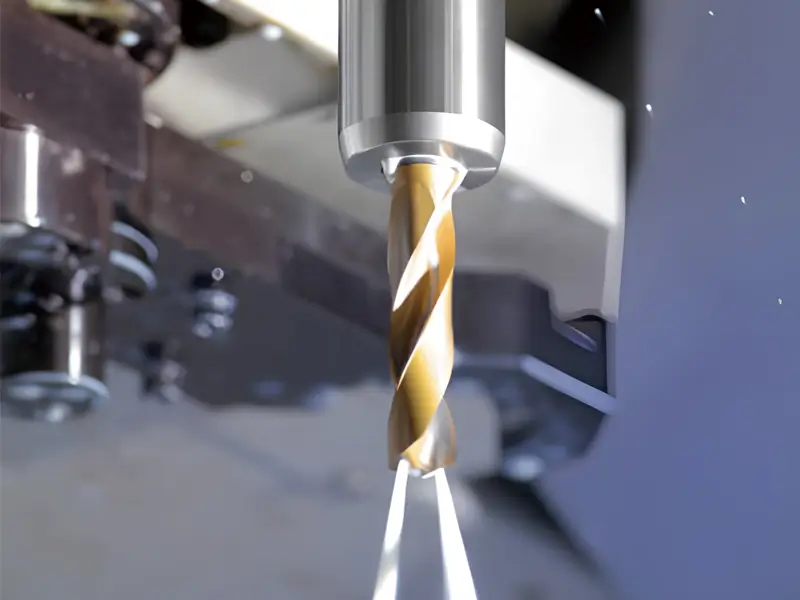
It is not enough to just have the best drill bit, you equally need to employ proper drilling technique. Below are few important tips to guide you:
- Safety first, ensure that you protect your eyes with safety goggles. Drill bits can break under pressure, sending sharp metal pieces flying.
- Preparation is key, always clamp the stainless steel firmly to the surface of your work. If the bit gets stuck as it comes out of the hole, it can spin the material very fast and cause injury.
- Use a center punch to mark the exact spot where your hole will go.
- Start with a Pilot Hole. It is best to drill a smaller “pilot” hole first for holes bigger than 1/4 inch (about 6mm). This makes the final digging easier and more accurate by easing the stress and pressure on the bigger bit.
- When drilling mild steel, you should go much faster than when drilling stainless steel. A slow speed keeps heat from building up, which we don’t need in this case.
- Use cutting fluid; you have to lubricate everything. Before you start drilling, put lube on the bit and the piece you’re drilling, and do it again and again as you drill.
Conclusion
If you have the right tools and know how to use them, drilling stainless steel is as simple as it gets. What we recommend? It is best to use a cobalt drill bit with a 135-degree split point for steady and reliable results. This, along with slow drilling speeds, firm pressure, and constant greasing, will help you make clean, accurate holes and make your tools last longer.
If you are unsure which drill bit is best suited for your project, we are more than happy to help out. Send a message now, and someone from our team of experts will attend to all your concerns immediately.
Are you ready to get the best tools for the job for your workshop? Check out our extensive catalog of drill bits including Cobalt, HSS, and Solid Carbide.
FAQs
Q: Is it alright to use regular HSS drill bits to work on stainless steel?
A: You can try. But do we recommend it? Absolutely not! A standard HSS bit can not handle the heat and will cause your stainless steel material to work-harden.
Q: Is there any difference between a cobalt drill bit and a titanium-coated bit?
A: Yes, they are different. A cobalt bit is hard and heat-resistant due to being made from a solid steel alloy and cobalt. A titanium-coated bit is a regular HSS drill bit with a thin, hard coating.
Q: Is cutting oil necessary?
A: Yes, cutting oil, or lubricant, is necessary for dissipating heat and reducing friction while you cut. Using cutting oil will significantly increase the lifespan of your drill bits.