 Skip to content
Precision Bronze Machining: Complete Guide
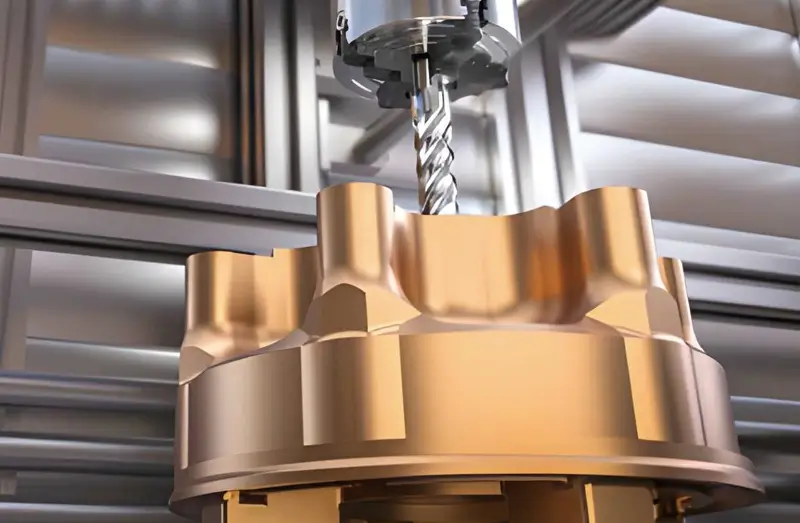
In CNC machining bronze, you clamp a bronze piece tightly. In this process, a computer guides sharp carbide tools to spin and remove the metal very fast. Bronze is a special metal that resists rust and wear so you can easily machine boat parts and engine bearings. To save money and time, you must know how to cut it just right. This guide shows you the best, simplest ways to machine bronze.
Choose the Right Bronze Alloy
First, you need to know that bronze machining changes with the type of bronze. Different bronze types need different tools and speeds.
Free Machining Alloys
If you want to cut fast, choose bronze that is easy to cut. These are called free machining bronzes. They have a little lead added to them. This lead is sharp and helps to cut the metal chips easily. Consequently, the chips are small and flaky. You can cut these types quickly and they come out very smooth.
Aluminum Bronze Machinability
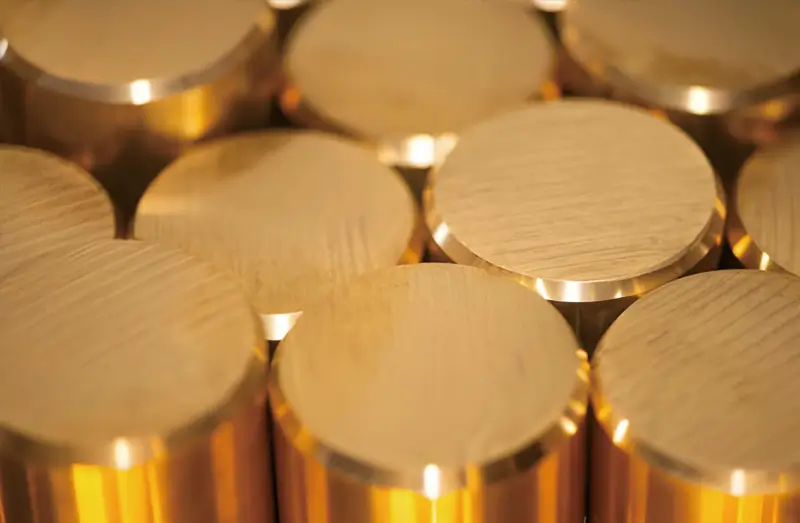
Is aluminum bronze easy to machine? Not really. It is much harder to cut than the easy types. Aluminum bronze such as C95400 is very strong and resists saltwater, which is great for the final part. However, it does not have lead. This means the chips are long and tough. They stick to the cutting tool and make the tool dull fast.
Specialty Bronzes
Phosphor bronze is springy and good for electrical pieces. It is also hard to cut because it is sticky. Therefore, it is important to use very sharp cutting tools and high speeds to remove the chips cleanly.
Important CNC Machining Techniques for Bronze Alloys
Then, you should use the right machine steps to cut the bronze without problems.
CNC Turning
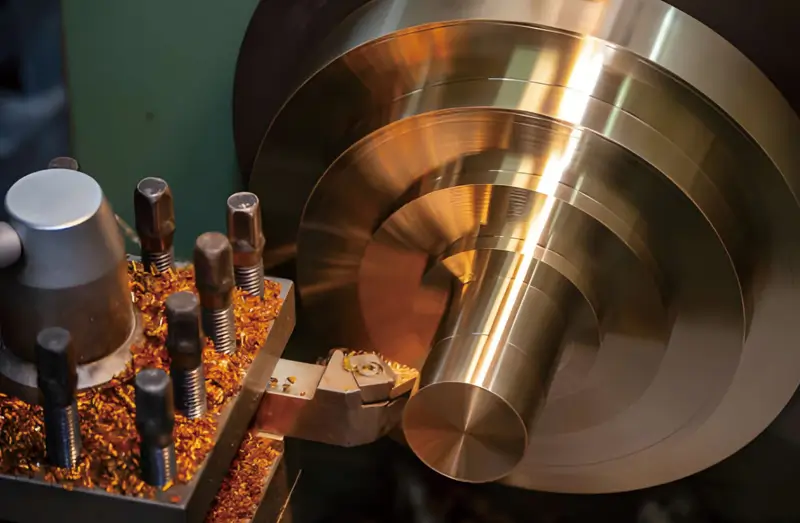
When you make round pieces like bronze bushings, the cut must be very straight. You must use tools with a positive rake angle. This angle helps the tool slice the metal instead of pushing it. This is important because bronze gets hot and grows a little when you cut it. Less heat means your part stays the right size. For example, PCD inserts with a sharp positive geometry are very suitable for this type of turning, as they provide low cutting forces and stable dimensions.
CNC Milling
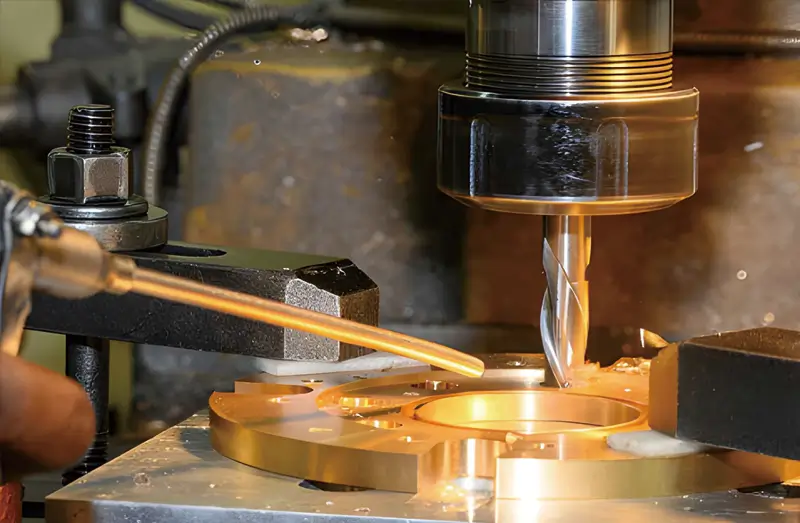
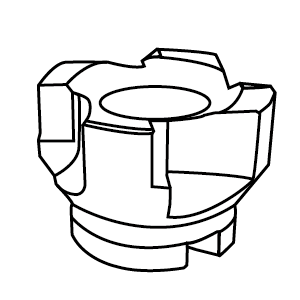
When milling, you should make sure the metal chips get out fast. CNC machining bronze parts benefits from tools that scoop the chips up and away quickly. This stops the chips from being cut again, which can hurt your finished surface. For example, PCD milling cutters or coated carbide milling cutters are both very suitable for machining bronze, as they provide smooth chip evacuation and a cleaner surface finish.
Precision with Machined Bronze
Finally, make sure your machine holds the bronze piece very tightly. If the setup is loose, the tool will bounce, making the surface rough. This roughness can also make the metal hard where it was cut, which breaks tools. A tight setup ensures your machined bronze parts are perfect every time.
Optimize Tooling and Cutting Parameters
You can make your tools last longer and speed up production by changing a few simple things.
Tool Geometry and Material
For most machining bronze, you would rather use tools made of carbide. Carbide is very hard and resists the rough wear from aluminum bronze. Also, use the positive rake angle again. It helps the tool slice and reduces rubbing.
Flute Count Strategy
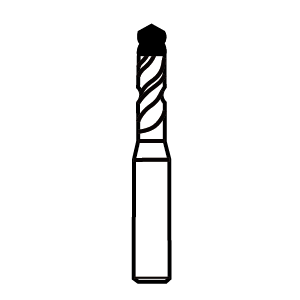
When drilling or milling aluminum bronze, you should use tools with only a few cutting edges, called flutes. How many flutes to machine aluminum bronze? You should pick tools with two or three flutes. This leaves big empty spaces for the tough, stringy chips to escape easily. Using too many flutes can cause the chips to get stuck and break your tool.
Speeds and Feeds Table
You need a good starting speed. You can run easy bronzes such as the C93200 very fast. However, when machining aluminum bronze, you would rather slow the cutting speed down a bit. But, keep the force of the cut strong. This makes sure the tool is always cutting fresh metal, not just scraping a tough layer.
Overcoming Issues in Machining Tougher Bronzes
In turn, you must fix the two main problems that tough bronzes create.
Controlling Work Hardening
Work hardening happens when the tool rubs instead of cuts, making the metal super hard in that spot. You must keep your tool sharp and keep pushing it forward strongly. Consequently, the tool always cuts under the newly hardened skin.
Chip Evacuation and BUE
Sticky bronze chips want to stay on the tool. Then, you should use high-pressure coolant. This is not just water; it is a powerful jet that washes away heat and shoots the chips out of the way. You would rather use a smooth coating on your tool to make it slippery, helping chips slide off.
Precision Clamping and Fixturing
Bronze grows when it gets hot. You must not clamp the piece too hard. Too much pressure can squeeze the metal, and when it heats up during machining bronze, it can warp and change shape. Finally, make sure to clamp just enough to hold it still.
Sourcing Bronze for Optimized Production
Finally, the smart way to save money starts before you even cut the metal.
Material Sourcing
You must choose between wrought or cast bronze stock. Wrought bronze is usually more even inside, making it cut more predictably. Cast bronze is cheaper for big, oddly shaped parts, but it might have tiny holes that make the tools wear faster. Consequently, buying better wrought material often saves money in the end because you cut faster and throw away less scrap.
Conclusion
You now have the simple steps to master CNC machining bronze. Use the easy-to-cut alloys, keep your tools sharp, and manage your chips well. Work with us to make sure your bronze material is perfect for the job every time.
FAQs
How to Machine Aluminum Bronze?
You must use sharp carbide tools with a positive rake angle. Use two or three flutes on your milling cutters and a strong jet of coolant to push the long, sticky chips away fast.
Is Aluminum Bronze Easy to Machine?
No, it is difficult. It is very strong and hard, and the chips are long and stringy, which can quickly dull your tools.
How to Machine Bronze Bushings?
You should use CNC turning. Use a positive rake tool to slice the material cleanly. You must use plenty of coolant to keep the bronze from getting too hot and changing size.
How Many Flutes to Machine Aluminum Bronze?
You should use two or three flutes on your end mills. This gives the chips the most room to escape, which stops them from getting stuck and breaking the tool.

 English
  Russian
  German
  Spanish
  French
  Portuguese