 Skip to content
CNC Milling vs CNC Drilling | What is the difference?
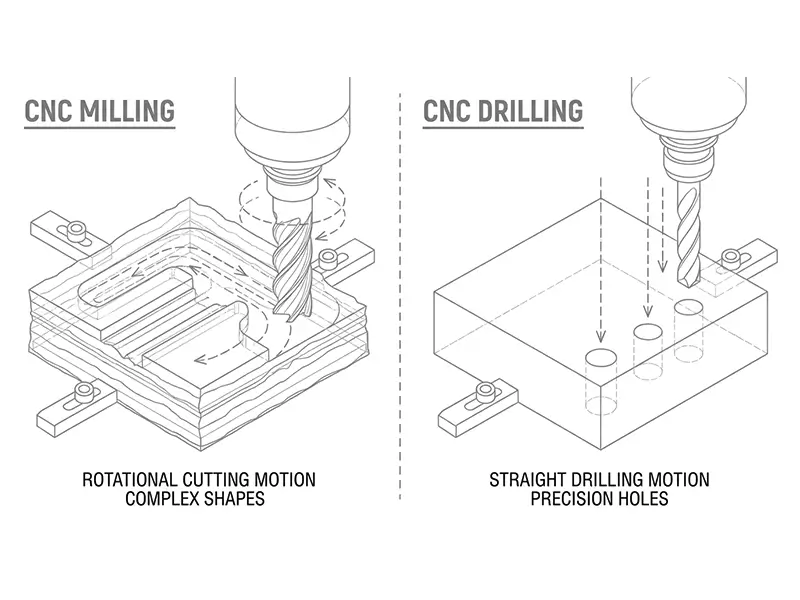
You need precise manufactured parts, but which CNC process is best in results you want? In CNC milling, a rotating cutter is used to shape, cut, and create complex surfaces. However, in CNC drilling, you make precise holes by moving a drill bit vertically into the material along a single axis.
In CNC milling and drilling, both processes remove material from workpieces. But their purpose is completely different.
What is CNC Milling?
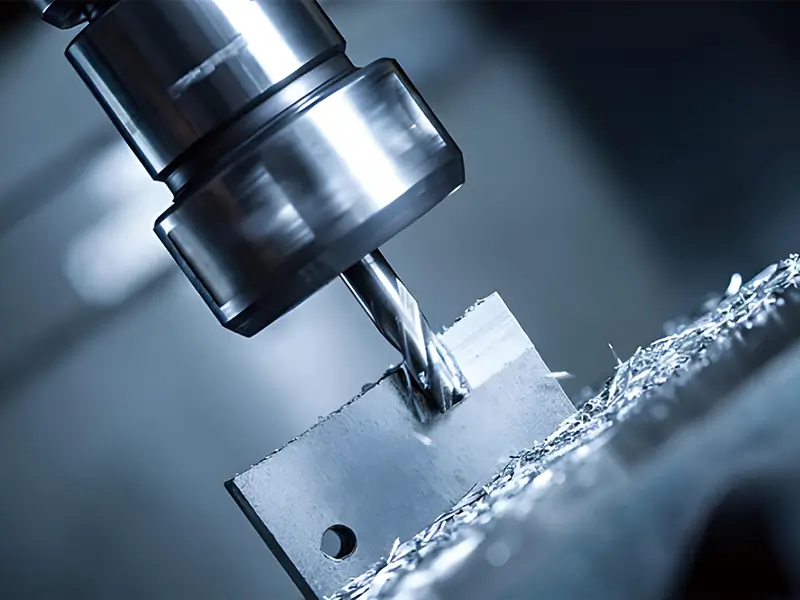
CNC milling uses rotating cutting tools that move across multiple axes. The purpose is to shape materials into complex forms. Your uploaded CAD design converts into G-code and M-code instructions. These codes control the machine’s movements. The cutting tool rotates at high speeds while traveling along X, Y, and Z axes simultaneously.
This multi-axis capability allows you to create complex features like slots, curves, contours, and three dimensional surfaces. The process removes material gradually through precise cuts. Subsequently, it produces parts with fine details and tight tolerances.
Furthermore, milling machines can also execute operations like cutting, engraving, and drilling.
What is CNC Drilling?
CNC drilling focuses exclusively on creating cylindrical holes with precise dimensions. The machine uses a rotating drill bit. It moves vertically along the Z axis to penetrate the workpiece. Your drill bit size determines the hole diameter. However, the programmed depth controls how far the bit advances into the material.
Unlike milling, drilling follows a straightforward single-axis movement pattern. The workpiece remains stationary while the drill bit rotates and plunges downward.
You can create various hole types using different drill bits. The common examples include:
- Straight holes
- Counterbore holes
- Countersink holes
- Tapped holes
- and reamed holes.
Major Differences Between CNC Milling and CNC Drilling
Working Process and Operation
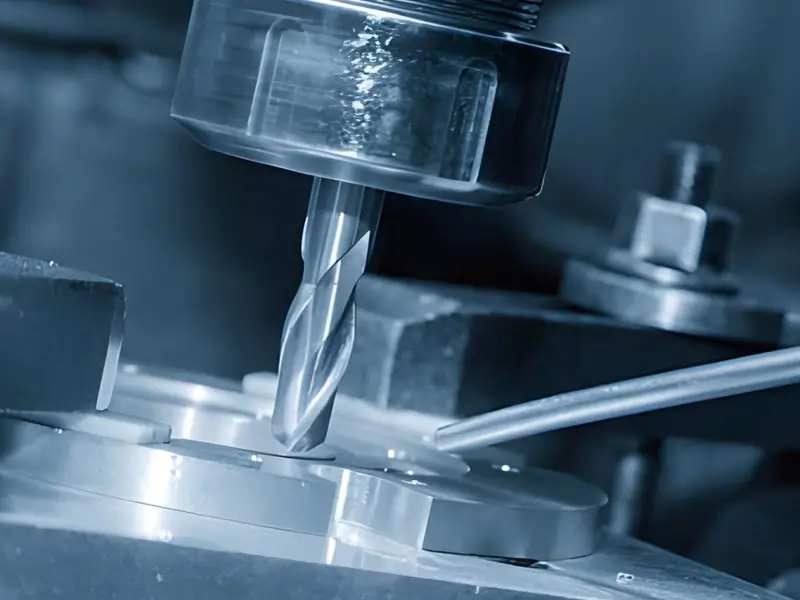
The basic difference is in how each machine removes material. Milling tools rotate and feed horizontally or vertically across the workpiece surface. You can carve material to create your desired shape. You can even choose between climb milling and conventional milling.
In contrast, drilling operates through vertical penetration only. The drill bit rotates while advancing straight down into the material. It removes material from a specific point to create holes. This linear approach makes drilling faster for hole creation. However, the capability is limited to a single function.
Tool Motion and Path
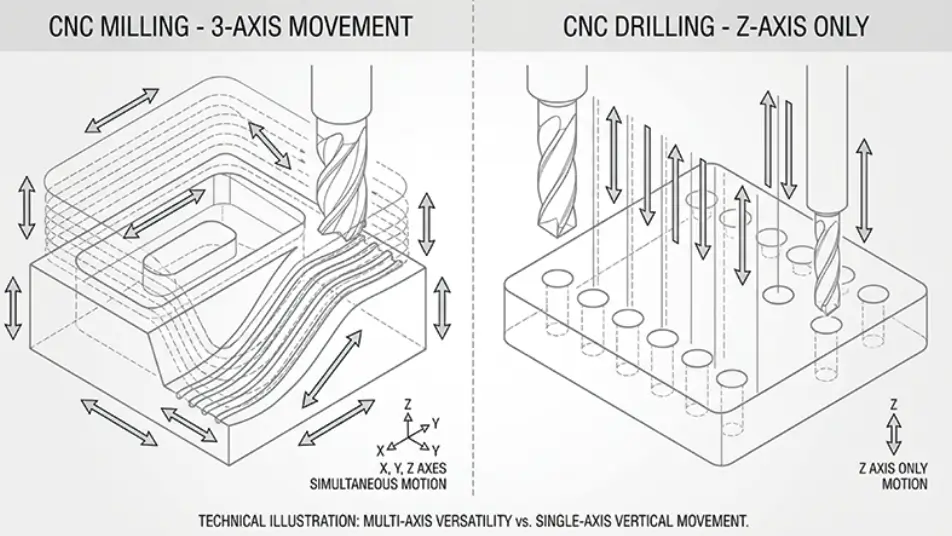
Your milling machine offers dynamic motion across three axes simultaneously. The cutting tool travels in multiple directions. These are forward, backward, left, right, up, and down. These directions enable a milling machine to make complex geometries and surface contours.
Drilling machines restrict movement to the Z axis. The drill bit moves straight down and retracts straight up.
Machine Setup
CNC milling also offers the highest level of precision, with a tolerance of ±0.01 mm. Such CNC milling precision is quite good in aerospace and medical device production.
Holes are well-precise through drilling. As a rule, it has tolerances of +-0.05 mm to +-0.1 mm. Although not as accurate as milling, drilling has remained the leading method for producing holes with uniform diameters and depths. Modern CNC drilling machines reduce human error and deliver consistent results at high production volumes.
Precision and Tolerances
CNC milling achieves exceptional precision with tolerances as tight as ±0.01 mm. This level of accuracy of CNC milling is very good for aerospace and medical device manufacturing.
Drilling gives good precision for hole dimensions. Generally, it achieves tolerances between ±0.05 mm and ±0.1 mm. While less precise than milling overall, drilling remains ahead at creating holes with consistent diameters and depths. Modern CNC drilling machines minimize human error and deliver repeatable results across large production runs.
Material Compatibility
Your milling machine handles an impressive range of materials. You can mill metals like steel, aluminum, titanium alloys, brass, copper, and Inconel. The process also works with plastics such as ABS, nylon, PEEK, and polycarbonate. Additionally, milling accommodates composites, wood, and even advanced ceramics.
Drilling works best with softer materials. You can drill holes in aluminum, brass, copper, mild steel, plastics, and wood without issues. However, drilling struggles with extremely hard materials like hardened steel, tool steel, and titanium alloys. The vertical force required to penetrate these materials can damage drill bits or produce poor results.
Surface Finish Quality
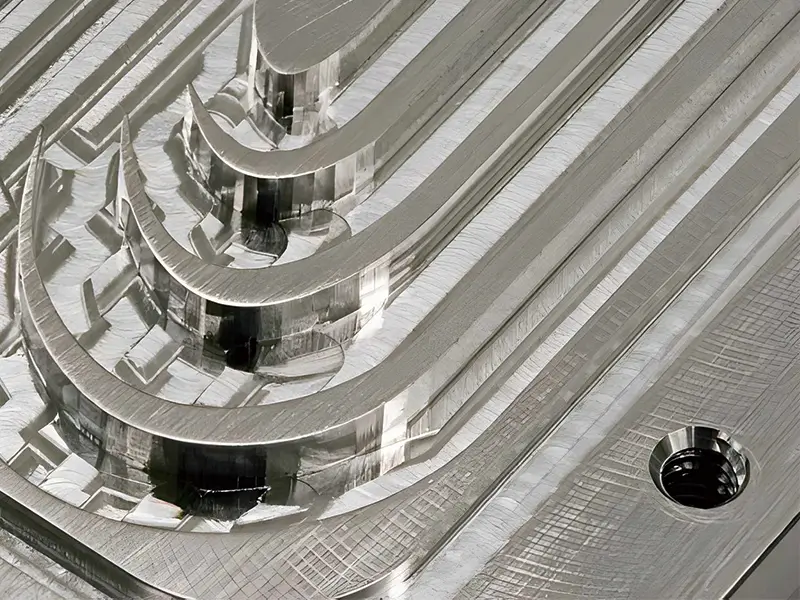
Milling produces superior surface finishes with roughness values as low as 1.6 micrometers. The multi-axis movement and precise tool control minimize tool marks and create smooth surfaces. Many milled parts require little to no post-processing, saving you time and money.
Drilling generally gives rougher surface finishes. For example, the Ra values around 3.48 micrometers. The continuous contact between drill bit edges and material creates more friction and heat. It affects finish quality.
Applications of CNC Milling and CNC Drilling
CNC Milling Applications
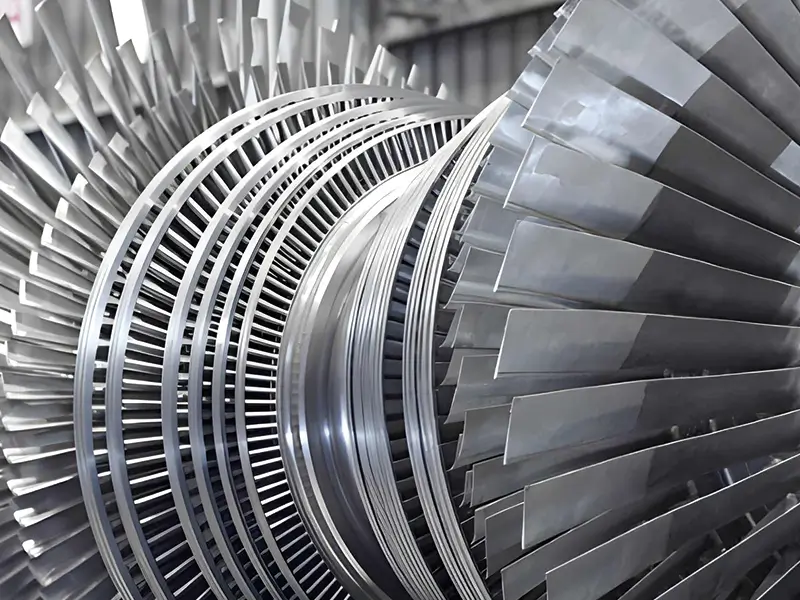
You will find milling in aerospace for producing turbine blades, engine parts, and structural parts requiring precise tolerances. Automotive manufacturers use milling to create engine blocks, transmission housings, and gearbox components. Medical device companies rely on milling for surgical instruments and implants. The process also serves prototyping needs across industries and produces molds and dies for manufacturing operations.
CNC Drilling Applications

Drilling dominates in electronics manufacturing, creating holes for component placement on circuit boards. Automotive and aerospace industries use drilling for fastener holes in assemblies and airframes. Metal fabrication shops depend on drilling for bolt holes, rivet holes, and fluid channels. The process also handles deep hole drilling in workpieces where access remains limited for other machining methods.
Cost and Lead Time Considerations
Milling operations are generally expensive because they are complex, require specialized tooling, and entail longer machining times. Final costs are affected by material complexity, required precision, and the number of features. Nevertheless, milling is worth the price because you require complicated components that would otherwise require many processes.
Drilling provides shorter turnaround times and lower per-part costs, particularly at large scale. The number of holes, their depths, and their diameters determine the price. Yet, the simplicity of the process makes it affordable. Drilling will give you the best value when you require thousands of the same holes.
How to Choose Between CNC Milling and CNC Drilling
Select milling when you need complex geometries, tight tolerances of ±0.02 mm or less, more than holes in your project, or work with hard materials. Milling is rational for low- to medium-volume production where the complexity of the parts justifies the increased cost.
Use select drilling when you require cylindrical holes, work with large volumes of production, where speed and cost-effectiveness are the main concerns, or where the design is simple. Drilling is used when consistent hole sizes are more important than producing various features.
Most projects benefit from a combination of the two processes. Complex shapes can be milled, and then holes can be drilled in place. This combination technique will maximize the strengths of each method while minimizing total production time and cost.
Conclusion
Milling and drilling play two different roles in CNC machining. Milling makes complex parts with good precision. However, CNC drilling gives you fast, and affordable hole creation. Match your project requirements to each process’s strengths. Complexity and precision means milling, while speed and simplicity favor drilling.
FAQs
What is the difference between CNC milling and drilling?
Milling incorporates multi axis movement. The purpose is to create complex shapes and contours. On the other hand, drilling uses single axis movement to quickly create simple cylindrical holes.
What are the disadvantages of CNC milling?
In CNC milling, the equipment costs are high. It also needs longer setup times. The machines require skilled operators and use more energy compared to simple drilling operations.
Can a CNC mill drill holes?
Yes, you can easily drill holes with a CNC milling machine. By incorporating a CNC mill you can perform many operations, including drilling, cutting, and engraving, often in a single setup.
Can a milling machine be used for drilling?
Yes, a milling machine is commonly used for drilling. You can program it to execute precise drilling operations. With a CNC milling machine, you can make both complex shaping and simple hole creation.

 English
  Russian
  German
  Spanish
  French
  Portuguese