



A Comprehensive Guide to the Types of Circular Saw Blades
Circular saw blades, popular for their exceptional power and versatility, are essential tools that can be used for countless projects, ranging from fine woodworking to heavy-duty construction. However, to get the best results from circular saw blades for your project, it is important to understand that not all blades are built the same way.
To make precision furniture, fabricate metal components, or cut structural materials, using the right blade is key to ensuring efficiency, safety, and a high-quality finish. Different types of circular saw blades are designed for specific materials, such as wood, metal, and plastic, and for applications such as masonry and metal fabrication.
In this guide, we will provide you with essential information that will be of great value to you, whether as a shop owner, an industrial technician, a procurement manager, a manufacturing professional, or just someone who wants to understand the nuances of the different types of circular saw blades.
Contents

What Is a Circular Saw Blade?
A circular saw blade is a disc-shaped cutting tool mounted on a compatible saw. Toothed blades cut with teeth around the circumference; the abrasive wheels and diamond rims also discussed here remove material by abrasion.
These blades allow for precise and rapid cuts, making them an integral part of the tool inventory in workshops and manufacturing plants. With the capacity to cut wood, aluminum, and more, circular saw blades drive most of the most popular power saws. Before purchasing a circular saw blade, it is important that you familiarize yourself with the different types available.
A suitable blade supports good cutting performance, but correct fit alone does not guarantee safety. Match the blade, machine, material, speed, guarding, and work support to the operation.
The Types of Circular Saw Blades
To be able to choose the most appropriate tool for any job, understanding the specific design and purpose of each blade type is an undeniable factor. In this section, we will take you through some of the more common types of circular saw blades.
1.Crosscut blades
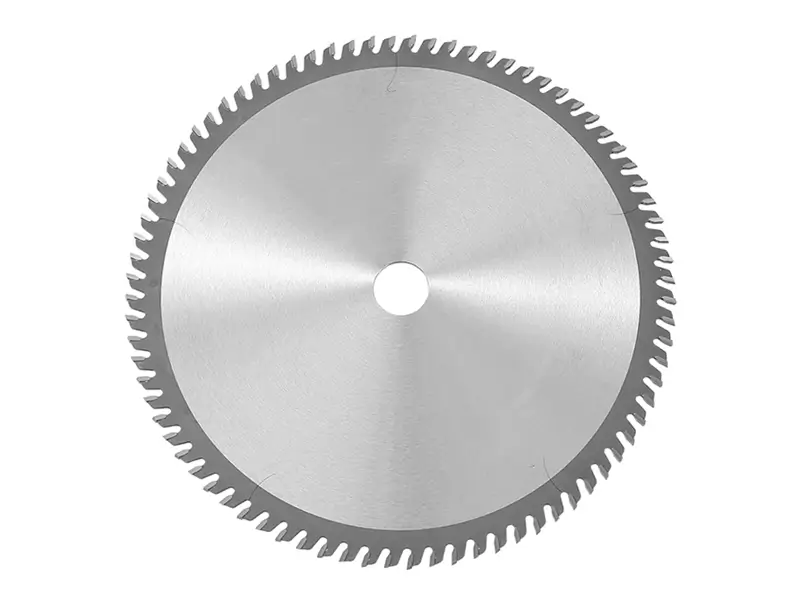
Crosscut blades are designed to cut across the grain of natural wood, for applications such as furniture, cabinetry, and finish work. Cutting across wood fibers can cause tear-out or splintering, so blade choice and work support matter.
Crosscut blades often use many teeth; 60 to 80 is an example range for some blade sizes, not a universal rule. An ATB (Alternate Top Bevel) grind alternates the top bevel between teeth to help sever fibers. Tooth geometry and count can reduce tear-out but do not eliminate it.
When considering Sundi Crosscut Saw Blades, check the specific blade’s material range, tooth geometry, dimensions, and machine compatibility. Finish depends on the wood, support, feed, and blade condition; chip-free results are not guaranteed on every cut.
2.Rip-cut blades
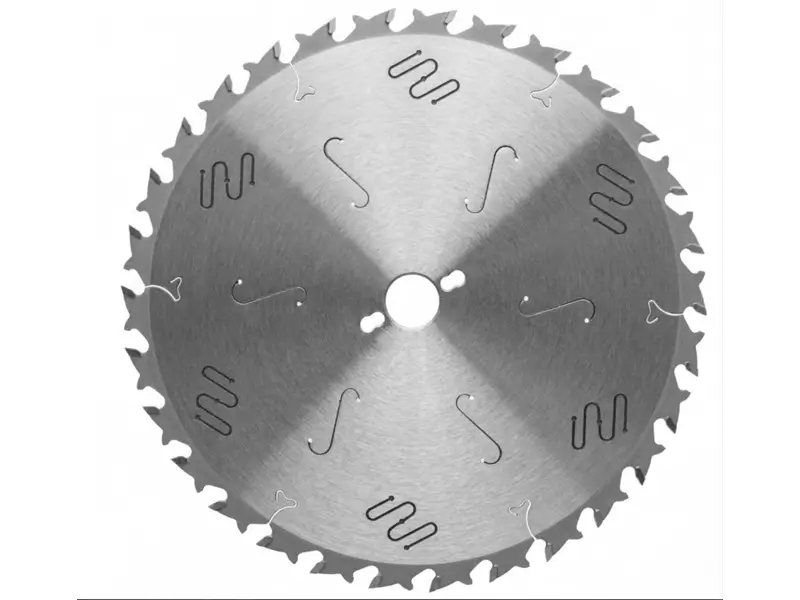
Unlike crosscut blades, rip saw blades are designed to cut along or with the grain of the wood. This ripping action is fundamentally different, as the goal is to quickly and efficiently remove large amounts of material.
Dedicated ripping blades commonly have fewer teeth and larger gullets for chip clearance. Counts such as 16 to 40 depend on blade diameter and application. Flat-top grind (FTG) is common, but it is not the only ripping geometry.
A dedicated ripping blade may leave more tear-out in crosscuts than a suitable crosscut blade. Follow the blade and saw’s permitted applications; tooth geometry alone does not explain every binding or kickback event. Correct alignment, work support, guarding, and feed remain necessary.
3.Abrasive Saw Blade
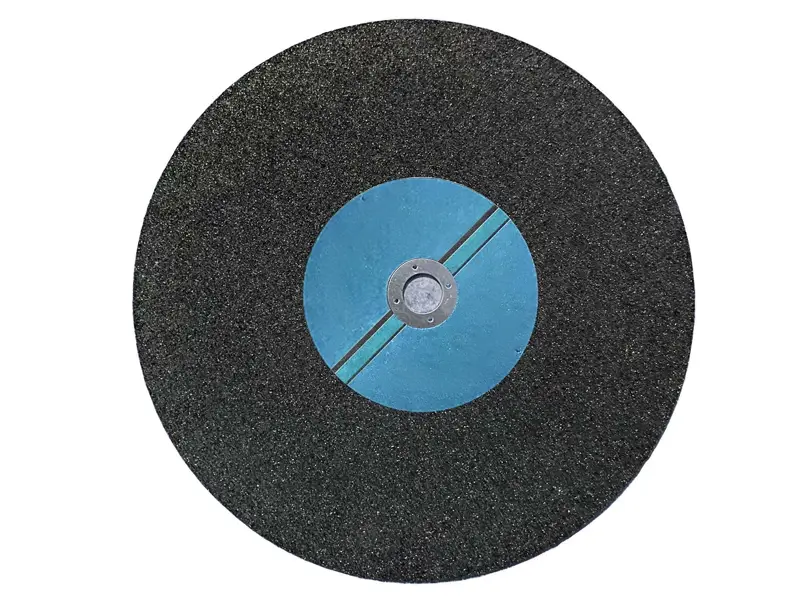
Unlike toothed blades, abrasive blades remove material with abrasive grains held in a bond. Common grain materials include silicon carbide and aluminum oxide. Use a rated cut-off wheel on a machine approved for that wheel and material; a general grinding wheel is not interchangeable with a cut-off wheel.
Different abrasive cut-off wheels serve ferrous metals or masonry materials. A wheel for steel is not automatically suitable for concrete, brick, stone, or asphalt. Choose the specified wheel and machine, and control the sparks, dust, and heat produced.
The cut of an abrasive blade is generally less precise than that of a carbide-tipped or cold-cut blade, and the blade diameter reduces with wear. They are best suited for rough cutting and demolition work where precision is not a priority.
4.Continuous-Rim Blades
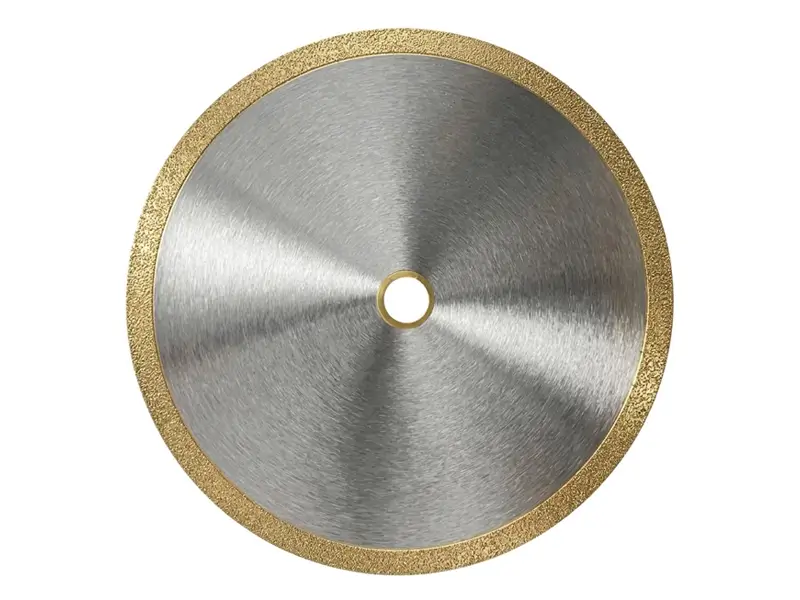
Continuous-rim blades are a special type of diamond blade designed to give you a cleaner, more precise cut when dealing with very hard and brittle materials. As you might have already guessed by its name, this type of circular saw blade offers a solid, continuous, and uninterrupted cutting edge.
The design of this blade makes it possible to significantly minimize chipping, producing an exceptionally smooth finish that is essential for aesthetic applications.
Continuous-rim diamond blades are available for tile, ceramic, porcelain, slate, and glass, but select a blade expressly rated for the particular material; a general tile blade is not automatically a glass-cutting blade.
A suitable continuous rim can reduce chipping on brittle materials. Correct support, feed, cooling, and blade condition still matter; the rim does not guarantee freedom from cracks or fractures.
5.Dado Blade
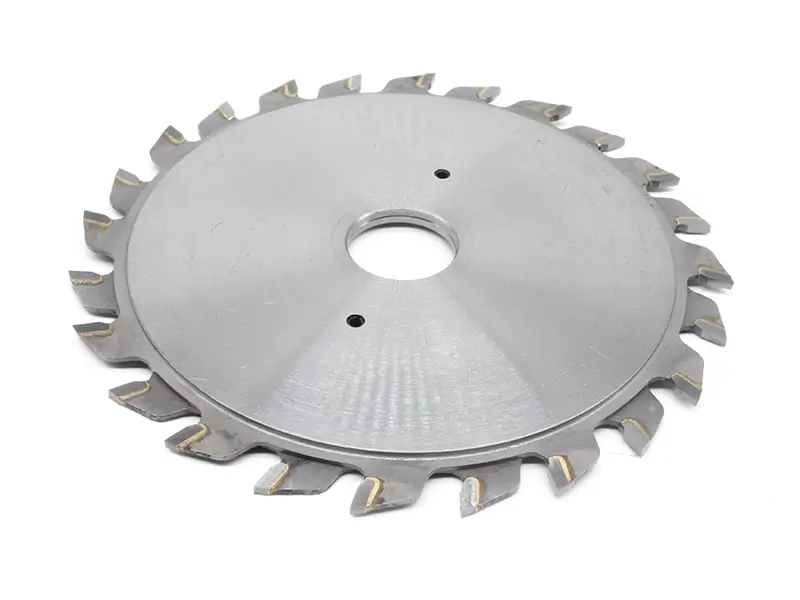
Dado blades remove material to form grooves, dadoes, and rabbets, usually without cutting through the workpiece. Use a set only on a saw that expressly permits it, with the specified arbor capacity, insert, guarding arrangement, and operating limits. Two designs are described below:
- Stacked Dado Set: This is the type preferred by professionals. It consists of two outer blades and several internal “chippers” of varying thickness. By combining different chippers between the outer blades, you can precisely control the width of the groove.
- Wobble Dado: Oscillating groove: This is a single adjustable blade that oscillates on an offset hub as it rotates to create a wide cut. While easier to set, it often produces a slightly curved bottom in the groove and is considered less precise than a layered groove set.
6.Grooving Saw Blades
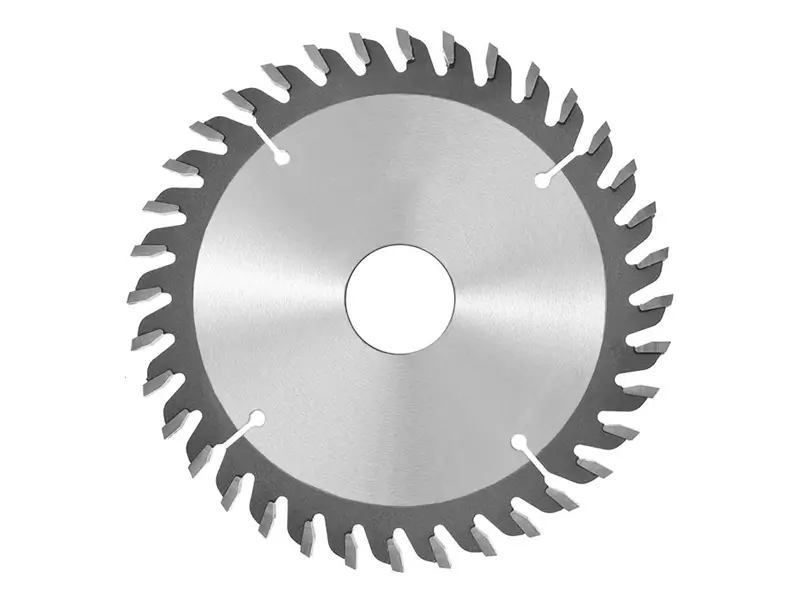
Unlike standard circular saw blades designed to cut completely through a material, grooving saw blades are engineered to cut a trench, slot, or channel (often referred to as a dado or groove) into the surface of the workpiece. They are highly specialized tools essential for joinery and complex milling tasks.
Best for: Creating precise grooves, trenches, rabbets, and slots in solid wood, MDF, particleboard, and composite panels. They are widely used in cabinetry, furniture manufacturing, and architectural millwork, often mounted on CNC machining centers, panel saws, or edgebanding machines.
Key Advantages:
Clean, Flat-Bottom Cuts: Suitable tooth geometry can produce a flat-bottomed groove, but finish and joint fit depend on material, tool condition, machine setup, and feed.
Adjustable Widths: Many industrial grooving cutters and stacked dado sets allow operators to precisely adjust the cutting width by adding or removing chippers and shims, offering exceptional flexibility for different joint sizes.
Material-Specific Options: Grooving blades are available with both TCT (Tungsten Carbide Tipped) for standard woodworking and PCD (Polycrystalline Diamond) tips for abrasive composites, ensuring you can match the tool to the specific wear demands of your production line.
7.Thin-Kerf Blade
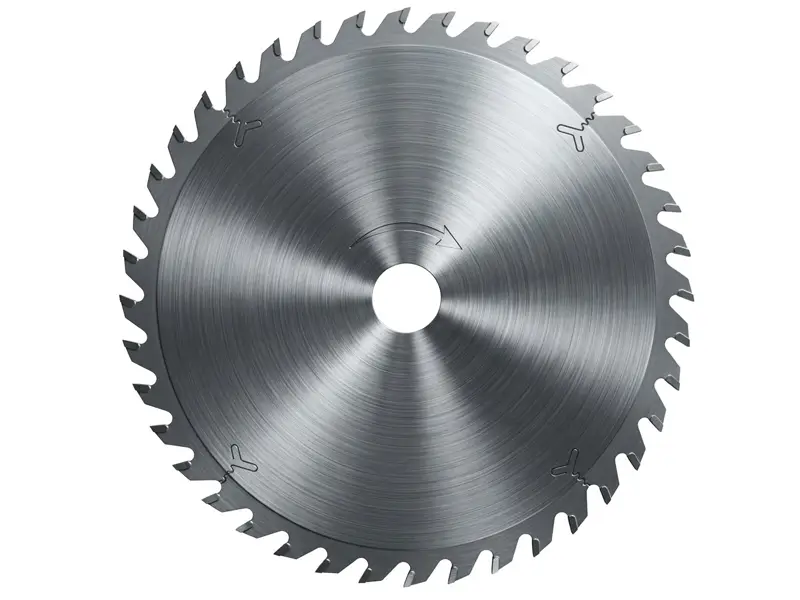
Kerf is the width of the cut. Full-kerf and thin-kerf dimensions vary with blade diameter and design; about 3 mm and 1.8 mm are examples, not universal definitions. Check the actual kerf and plate thickness against the saw and any riving knife or splitter.
A narrower kerf removes less material and can reduce cutting load under comparable conditions. Savings and required power still depend on the blade, material, and operation, and the blade must remain compatible with the saw’s safety components.
A thinner plate may be more susceptible to deflection, depending on its design and the cutting conditions. Thin-kerf blades are not inherently unsuitable for hardwood; select the specified blade for the machine, material, and feed.
8.Plywood blades
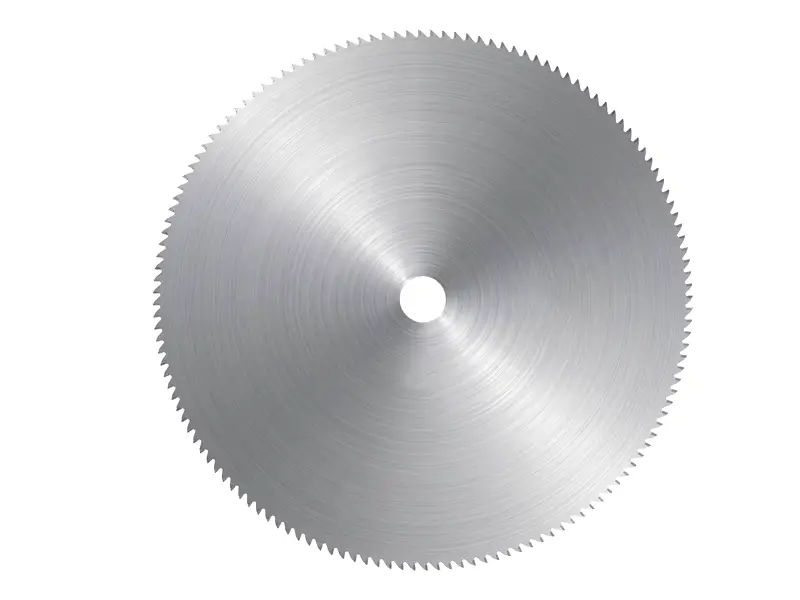
Blades for working with MDF, plywood, and other laminated sheets are selected to limit chipping. Plywood has cross-laminated veneers; MDF is made from bonded wood fibers and does not have plywood’s layered cross-grain structure. Tooth counts may exceed 40 or 100 depending on blade size and design.
ATB (Alternate Top Bevel) and Hi-ATB (High Alternate Top Bevel) geometries are used on some fine-cutting blades. Other grinds serve particular panels or laminates. Match the tooth count and grind to the sheet material, thickness, and machine.
This action helps to reduce chipping on both the top and bottom surfaces of the workpiece to a great extent. Plywood blades are crucial for making furniture, shelving, and other projects that involve delicate veneers.
9.Masonry Blade
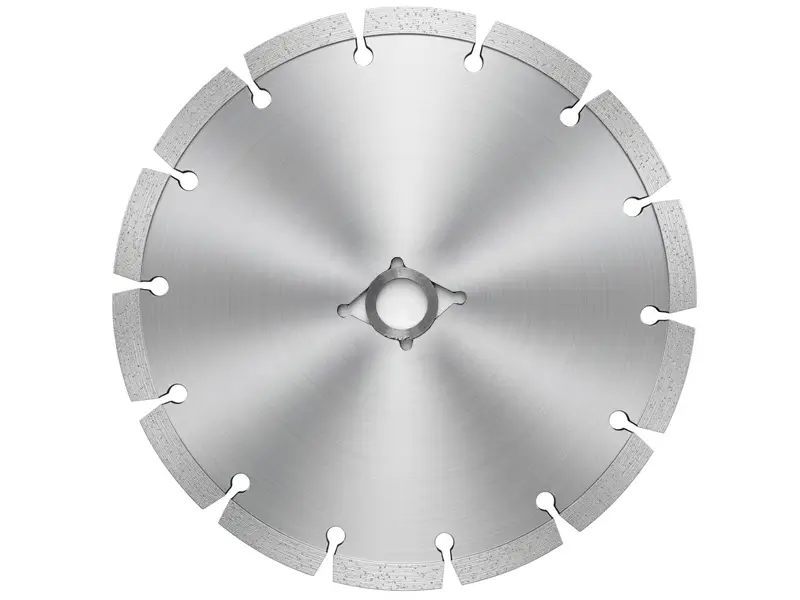
Masonry blades are a broad category of blades specifically designed for cutting hard, abrasive building materials. These include brick, stone, ceramic tile, concrete block, and other masonry products. These blades do not have traditional sharp teeth; instead, they are cut by abrasion and are reinforced with hard materials to withstand the harsh cutting conditions.
Masonry-cutting tools include bonded abrasive wheels and diamond blades. Diamond rims may be segmented, turbo, or continuous; rim shape alone does not determine whether wet or dry operation is allowed. Follow the specific blade and machine ratings.
Use the operating speed specified for the blade, machine, and material, and never exceed the blade’s maximum rated speed. Masonry blades are not generally defined as low-rpm tools. Wet cutting is appropriate only with a wet-rated blade and machine and the prescribed electrical and dust controls.
10.Cold Saw Blade
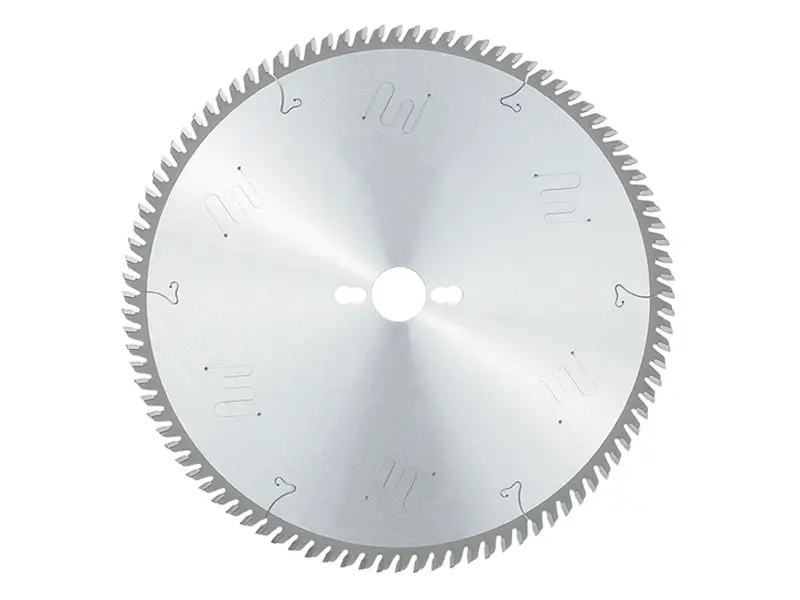
A toothed cold saw removes metal as chips rather than using an abrasive wheel. HSS and carbide systems use different suitable speed ranges. Cutting generates heat; the blade, feed, and specified cooling or lubrication can limit heat effects, but do not guarantee burr-free cuts or zero heat-affected material.
Cold-saw blades may be HSS or carbide-tipped, selected for the machine and metal. They are used for tube, pipe, and solid bar; surface finish and dimensional accuracy depend on the actual cutting conditions rather than blade material alone.
11.TCT Saw Blades (Tungsten Carbide Tipped)
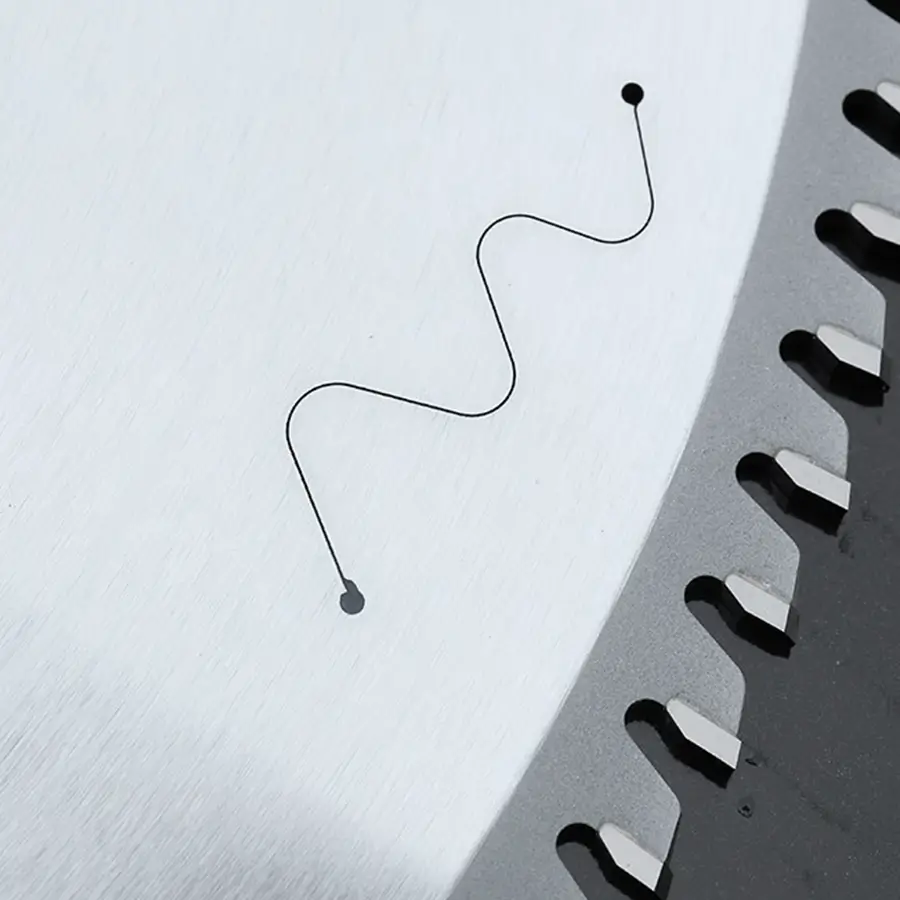
Tungsten Carbide Tipped (TCT) circular saw blades are the absolute workhorses of the woodworking and metalworking industries. These blades feature a tough steel body with ultra-hard tungsten carbide teeth brazed onto the tips, offering an exceptional balance of durability, performance, and cost-effectiveness.
Best for: A highly versatile choice for cutting solid hardwood, softwood, plywood, chipboard, and various plastics. With specific tooth geometries (like TCG – Triple Chip Grind), TCT blades are also excellent for cutting non-ferrous metals such as aluminum, brass, and copper.
Key Advantages: * Exceptional Versatility: Available in a wide range of tooth counts and configurations to suit almost any cutting task, from aggressive ripping to ultra-smooth crosscutting.
Wear Resistance: Carbide tips can retain an edge well in suitable applications, but life relative to HSS depends on the grade, material, machine, and cutting conditions.
Resharpenable: High-quality TCT blades can be resharpened multiple times by professional grinding services, making them a highly economical long-term tooling investment for most standard industrial applications.
12.PCD Saw Blades (Polycrystalline Diamond)
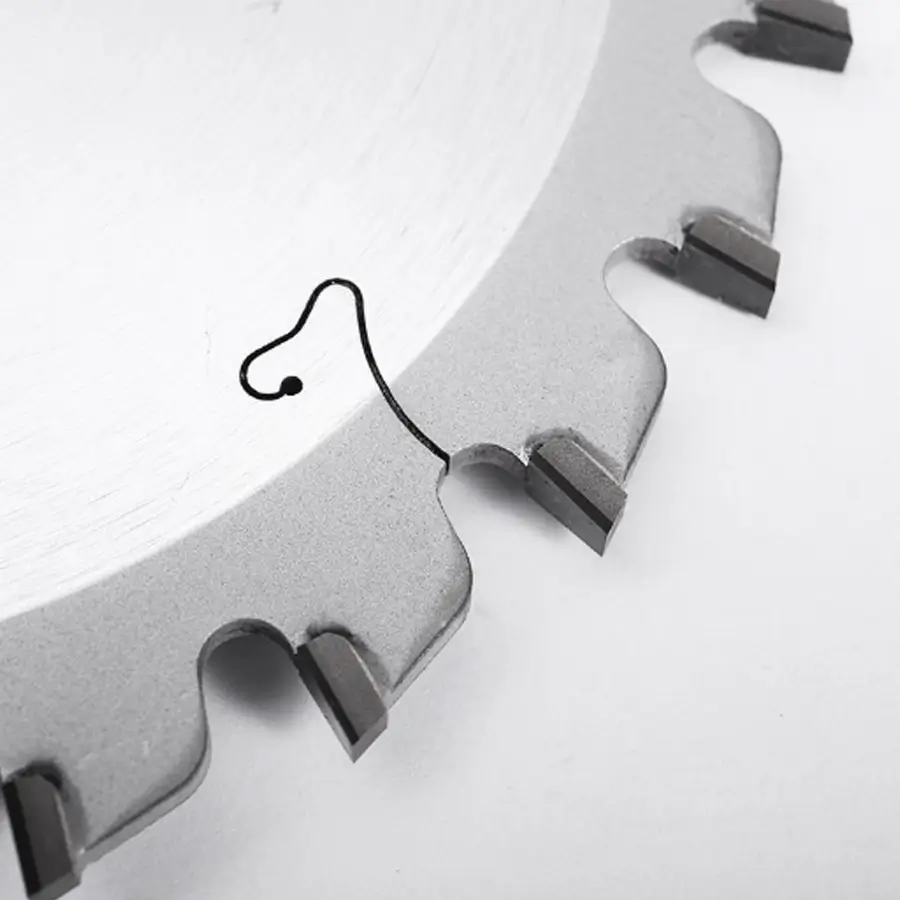
PCD (Polycrystalline Diamond) circular saw blades represent the pinnacle of cutting tool technology, engineered specifically for high-volume, demanding industrial applications. Unlike standard steel or carbide, the cutting tips of these blades are manufactured from synthetic diamond, making them exceptionally hard and wear-resistant.
Best for: Processing highly abrasive materials such as MDF, HDF, particleboard, composite materials (like carbon fiber and fiberglass), and non-ferrous metals including high-silicon aluminum alloys. They are an essential tooling choice for advanced CNC machining and automated production lines.
Key Advantages: PCD can offer long service life on suitable abrasive materials. A 30 to 50 times life claim requires a specified comparison and test conditions; it is not a universal ratio. Evaluate edge quality, reconditioning, tool-change downtime, and cost per acceptable part on the actual production job.
| Material Type | Best For | Longevity | Price Point |
| HSS | Compatible ferrous or non-ferrous metal cutting | Depends on grade and application | Compare equivalent specifications |
| TCT | Wood, steel, or aluminum with a blade and saw designed for that material | Depends on grade and application | Compare equivalent specifications |
| PCD | Composites, high-silicon aluminum, MDF | Potentially long life in suitable abrasive materials | Compare purchase, service, and operating costs |
13.Specialty Blades
Lastly, specialty blades. While there are common circular saw blades that are built to offer versatility, there is also a wide range of specialty blades designed for use with very specific materials or niche applications.
These types of blades are armed with unique tooth geometries, materials, and designs to provide clean, safe, and efficient cuts in materials that standard blades cannot handle well. When standard options fail to deliver the results that you desire, the typical best solution is to introduce a specially designed specialty blade to achieve a professional finish.
How to Choose the Right Saw Blade
Selecting the perfect blade for your project involves considering several key factors. Follow this guide to make an informed choice.
- Match the blade to the material: this is the most important rule. Using an unsuitable blade for the material can lead to poor results, damage to the workpiece, and dangerous operating conditions. Always check the blade packaging to verify its intended use.
- Consider the Type of Cut: are you cutting with or against the grain? Do you need a fine finish or just a quick, rough cut? Answering these questions will help you narrow down your choice between blades with a high or low tooth count.
- Ensure Tool Compatibility: Check the permitted blade diameter, bore, plate and kerf dimensions, speed rating, rotation direction, and guarding requirements. A thin kerf can reduce load in some applications, but must also match the saw and its riving knife or splitter.
- Check for the Tooth Count and Grind: Choose the count and tooth geometry for the material, thickness, feed, and machine. More teeth do not always give a better result. ATB, FTG, and TCG describe tooth grinds, not degrees of sharpness.
- Ensure to Invest in Premium Quality Blades: Select a well-made blade with specifications suited to the job. Solid carbide circular blades and TCT blades serve different designs and applications; neither material alone guarantees suitability for every hard or abrasive workpiece.
Get your high-quality blades from a reliable manufacturer like Sundi Precision Tools. Blades made from superior materials, such as high-grade carbide, are precisely engineered to ensure balance and sharpness.
Requirement | Recommended Blade |
Fast, long cuts with the grain (ripping) | Rip-Cut Blade (low tooth count, FTG grind) |
Precise, clean cuts in metal | Cold Saw Blade (HSS or TCT) |
Cutting plywood cleanly | Plywood Blade (very high tooth count) |
A clean crosscut in wood | Crosscut Blade (high tooth count, ATB grind) |
Cutting tiles or porcelain | Continuous-Rim (diamond blade) |
Cutting concrete, brick, or masonry | Abrasive Blade or Diamond Blade |
Creating grooves and joints | Dado blade set, only on a saw expressly approved for it |
Conclusion
A circular saw is only as effective as the blade it rotates; without the appropriate blade, it is as good as useless. By understanding the unique roles of the different types of circular saw blades, you can unlock the full potential of your tools. For projects where precision, efficiency, and safety are a priority for you, it is important that you invest in superior blades.
At Sundi Precision Tools, we offer an extensive range of high-performance carbide and TCT circular blades, including specialized crosscut blades that deliver cleaner cuts over the long term. By equipping your shop with Sundi blades, you make a lasting investment in the quality of your work and the productivity of your operations.
FAQs
What are the different types of circular saw blades?
One way to group toothed woodworking blades is into 4 categories: ripping, crosscutting, combination, and specialty. This article also groups blades by material, kerf, and rim design, so the categories overlap rather than forming one universal classification.
What type of circular saw is best?
There is no definite answer to this question, the best circular saw is largely dependent on what you need.
What's the best way to sharpen a circular saw blade?
Have a qualified sharpening service assess the blade’s construction and condition. TCT teeth require suitable precision grinding; PCD and abrasive diamond rims require different servicing methods. Do not assume every circular blade can be restored with a hand file.
Is it cheaper to sharpen or replace blades?
It depends on blade condition, remaining tooth material, sharpening cost, replacement price, and expected service life. A repairable quality blade may justify sharpening; a damaged or worn-out blade should be replaced according to the manufacturer’s guidance.