



Plunge Milling Strategy, Cutter Choice, and When to Use It
People search plunge milling because a side-cutting path is unstable, a cavity is awkward, or a shop wants to know whether plunging is a real roughing strategy or just a workaround. That means the article has to answer the process boundary first: what exact problem does plunge milling solve, and what problems does it not solve?
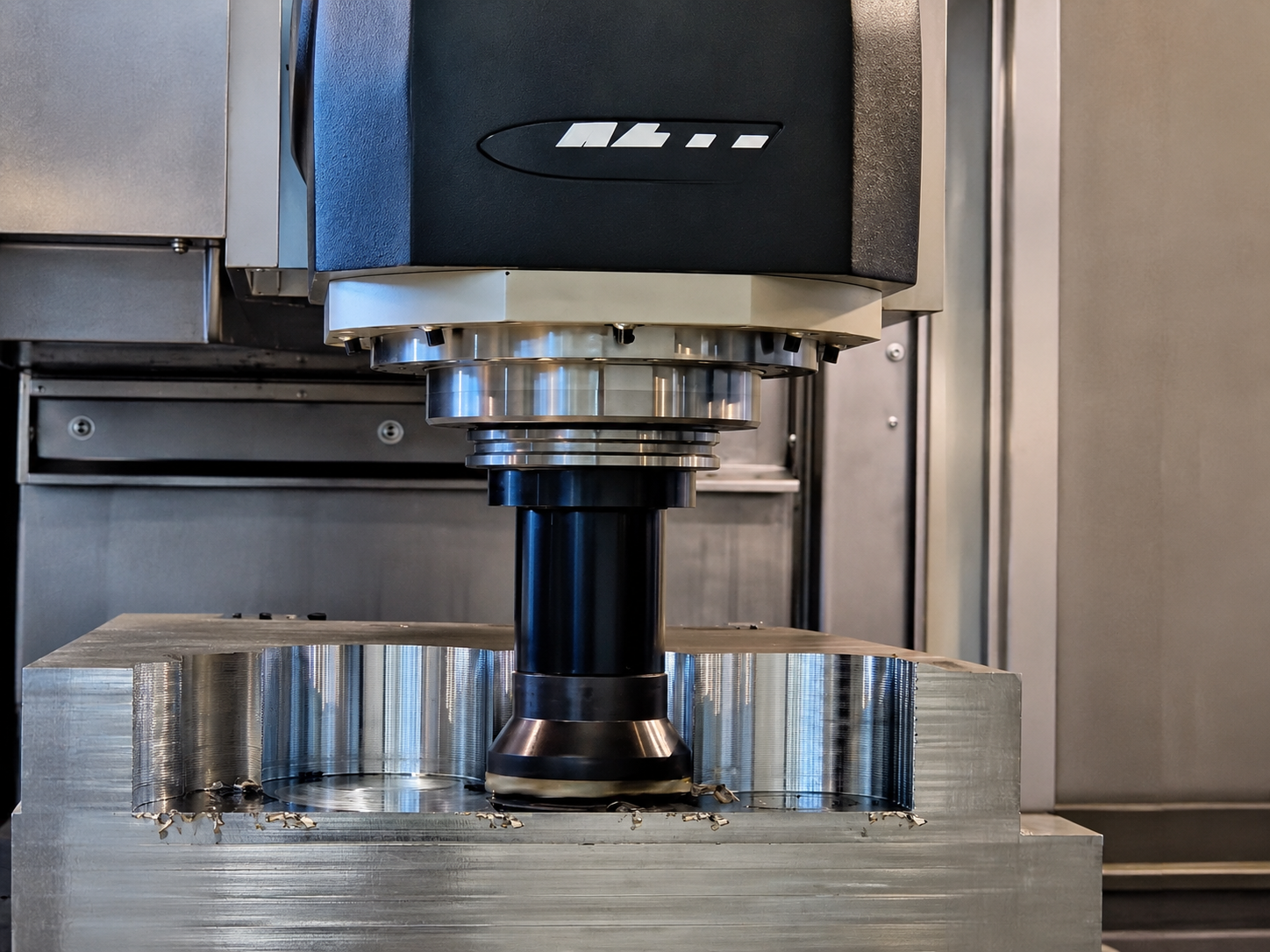
Plunge milling earns its place when radial load is the thing hurting the cut. It is not a magic replacement for every slot, ramp, or roughing path. The reader needs a clean decision line between "use plunging because the force direction helps here" and "fix the tool, the holder, or the toolpath instead of turning everything into a plunge cycle."
Quick answer: use plunge milling when radial force is the real limit, not when the whole process is simply wrong
Plunge milling changes the dominant force direction. That can help in deep cavities, awkward access conditions, or setups that hate long side-load exposure. But if the true problem is poor workholding, a bad tool, or chips with nowhere to go, plunge milling can still fail. For closed cavity work, compare the decision against a normal pocket milling strategy before changing the process.
| Process question | Plunge milling is the better answer when… | Another answer is often better when… |
|---|---|---|
| Deep cavity roughing | The cutter needs to remove stock without heavy radial engagement | A normal side-cutting path is already stable and efficient |
| Weak lateral rigidity | Chatter or deflection is being driven by side force | The setup is weak in every direction, not just laterally |
| Entry strategy | Direct entry and stepwise roughing simplify the job | Ramping or helical entry already solves access cleanly |
| Tool overload | Radial load is the dominant failure driver | Chip evacuation, holder quality, or wrong cutter geometry is the real problem |
What plunge milling is really doing
Instead of asking the tool to remove material mainly with a side-cutting motion, plunge milling shifts more of the cutting action into the axial direction. That changes how the tool and spindle feel the cut.
Lower side-load exposure
This is the practical reason people use the strategy. If side load is causing chatter, deflection, or poor tool life, a plunge-style approach may reduce the problem by changing force direction.
Roughing, not magic finishing
Plunge milling is usually a roughing or pre-finishing strategy. It often leaves material that must still be cleaned up by a follow-up pass. Readers should not confuse it with a final wall-finish method.
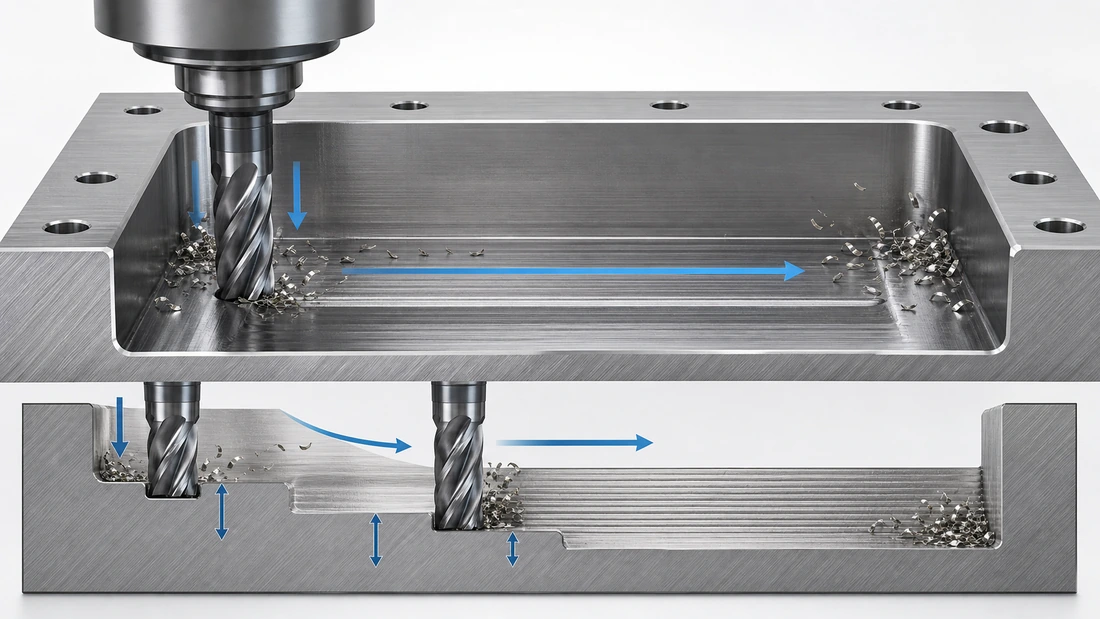
Plunge milling versus ramping, helical entry, and predrilling
Shops often ask about plunge milling when the real decision is between several entry or roughing styles.
Versus ramping
Ramping lets the tool enter progressively while moving laterally. It often works well when the cutter and material support the angle and chip evacuation remains clean. Plunge milling becomes more attractive when lateral entry or side load is the bigger concern.
Versus helical entry
Helical entry is often smoother and more controlled when the tool and material support it. It is especially attractive when a clean circular opening can be made and the machine can handle the interpolation well. This is why many helical-plunge discussions end with "check the tool maker first." The best angle depends on the cutter, material, and whether a pilot hole exists.
Versus predrilling
Predrilling often makes life easier. If the shop can predrill, it reduces entry abuse and can make the later toolpath more predictable. One of the most practical lessons from real plunge-milling discussion is that the best optimization is sometimes to avoid asking the end mill to enter solid material at all.
Tooling and setup for plunge milling
Plunge milling still needs the right cutter and stable setup.
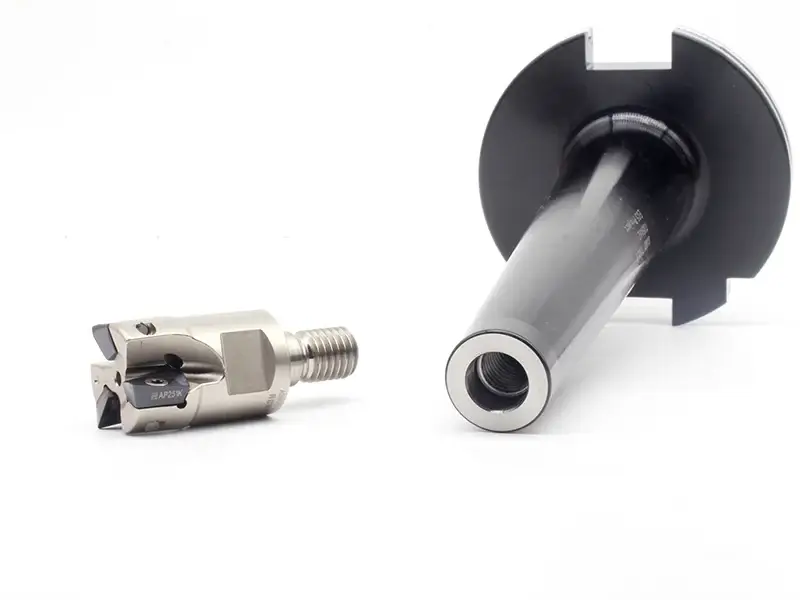
Carbide End Mills and tool design
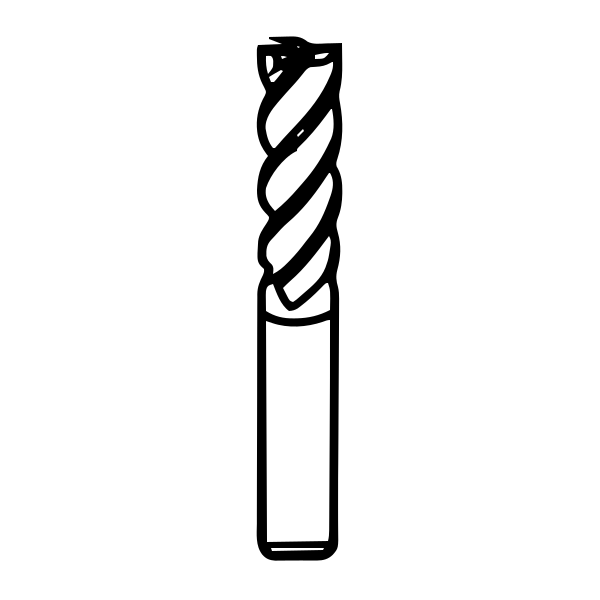
Carbide End Mills appear naturally in this conversation because plunge strategies still rely on tool strength, geometry, and predictable wear. But not every end mill wants to plunge aggressively. Tool center geometry, flute count, chip space, and manufacturer guidance all matter.
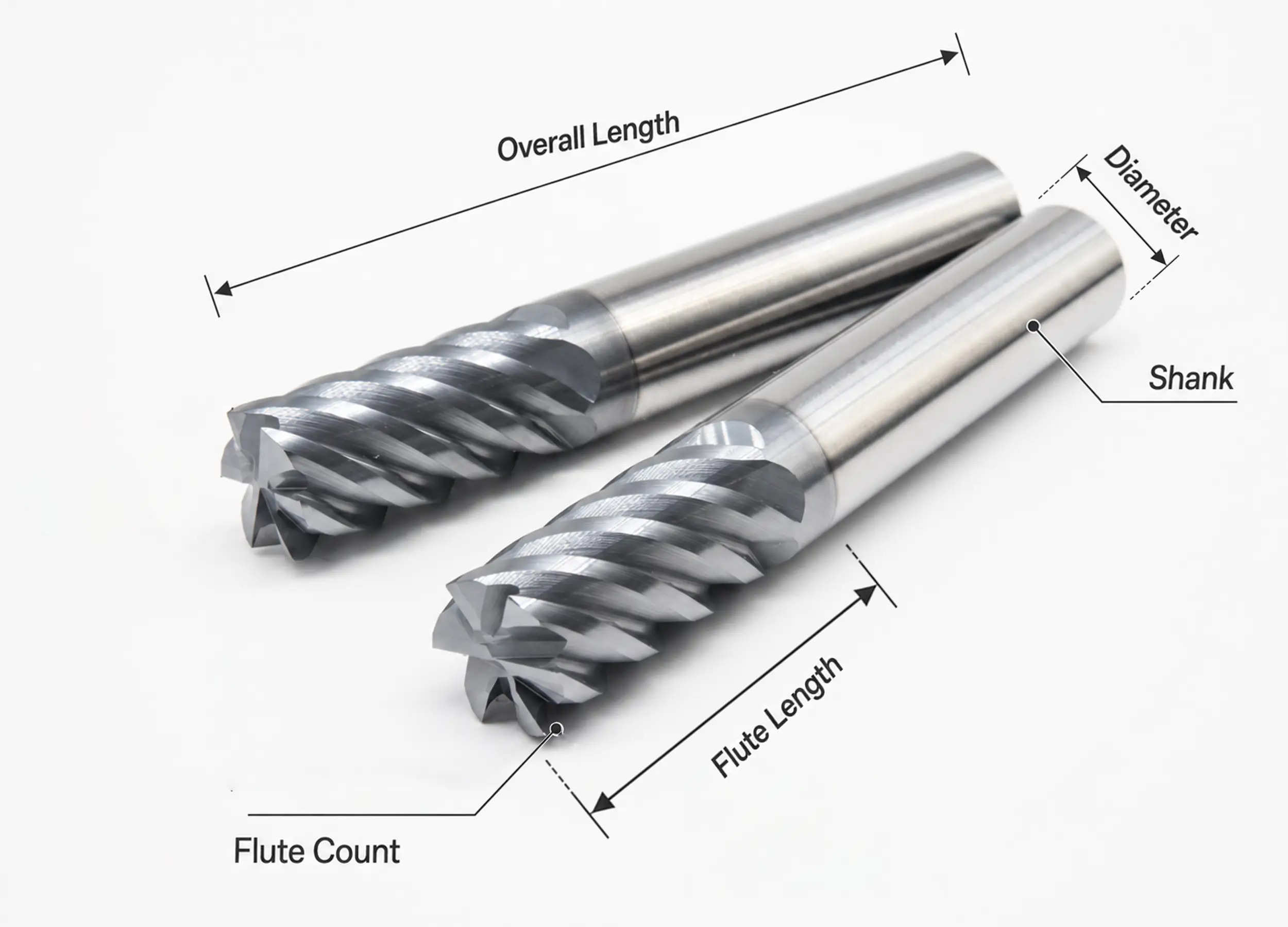
Chip evacuation is still a real limit
Even when side load improves, the process can still fail if chips pack in the pocket or under the tool. Blind or deep features need especially careful evacuation planning. If the chips do not leave, the plunge becomes recutting and heat.
Rigidity still decides the ceiling
Plunge milling can reduce one kind of load, but it does not remove the need for good fixturing, short stickout, and stable holders. A weak setup can still chatter or wander even in a plunge strategy.
Parameter logic: what actually changes
The most helpful way to talk about plunge parameters is not with fake universal numbers. It is with the variables that decide the numbers.
- Material changes how much entry aggression the process can tolerate.
- Tool design changes how well the center and flute space survive the motion.
- Predrilled versus solid entry changes the whole stress picture.
- Blind depth and chip evacuation change whether the strategy remains stable.
This is why one thread can mention shallow steel angles, steeper aluminum use, and strong preference for manufacturer data all in the same conversation without contradiction. The inputs really do change that much.
Common plunge milling mistakes
| Mistake | Why it causes trouble |
|---|---|
| Using plunge milling just because the tool sounds overloaded | The real problem may be wrong geometry or poor workholding |
| Ignoring chip evacuation | Packed chips destroy the benefits quickly |
| Treating any end mill like a plunge cutter | Center geometry and tool design still matter |
| Refusing to predrill when predrilling would simplify everything | The shop makes the hardest entry problem the cutter can face |
| Copying ramp or helical values blindly | Entry stress changes with tool, material, and hole condition |
Practical checklist before choosing plunge milling
- Is side load the real problem?
- Can predrilling solve the entry problem more cleanly?
- Does the tool design support the intended plunge behavior?
- Can the chips leave the pocket or cavity?
- Is the setup rigid enough to make the strategy worth testing?
- Will a later cleanup path still be needed?
Conclusion
Plunge milling is a useful strategy when the process needs to reduce side load, rough a deep feature more safely, or control entry stress differently from a standard side-cutting path. It is not the right answer to every roughing problem, and it works best when the shop also thinks clearly about chip evacuation, tool design, and whether predrilling or helical entry would be simpler.
When the decision is made well, plunge milling becomes a practical toolpath choice instead of a desperate workaround. That is the point where Carbide End Mills, machine rigidity, and process planning start working together instead of fighting each other.
FAQ
What is plunge milling used for?
It is used mainly for roughing situations where reducing side load or entering deep features more safely is valuable.
Is plunge milling better than ramping?
Not automatically. It is better when the process specifically benefits from the change in force direction or roughing style.
Should I predrill before plunge milling?
Often yes if it makes the entry cleaner and reduces cutter abuse.
Can any end mill plunge mill?
No. Tool design still matters, especially center cutting ability, flute space, and the overall geometry intended by the manufacturer.