



7 Key Insights into PCD and Diamond Inserts: Boosting Efficiency and Precision
Dive deep into the world of PCD inserts, turning inserts, diamond inserts, and more. Discover how these tools revolutionize aluminum turning and enhance manufacturing precision.
Introduction to PCD Inserts and Their Importance
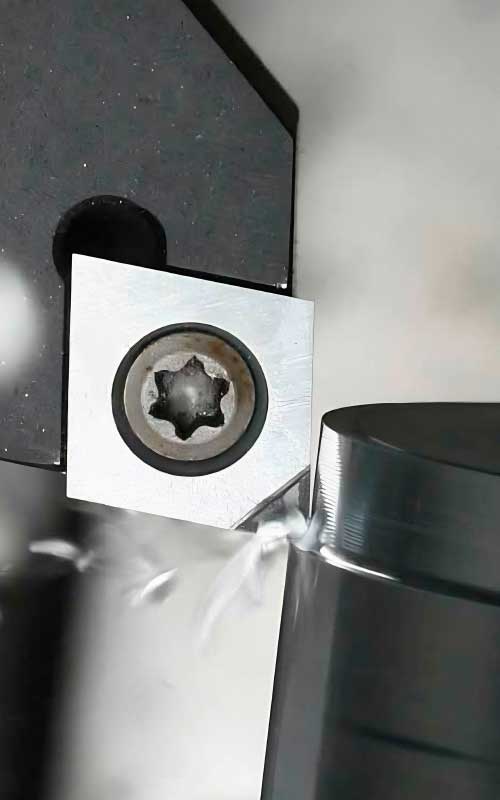
Polycrystalline Diamond (PCD) describes a cutting material, while diamond-shaped describes an insert’s rhombic outline. A diamond-shaped carbide insert is not necessarily a diamond cutting tool. Identify the cutting material, grade, geometry, and holder compatibility separately before comparing performance for aluminum or another work material.
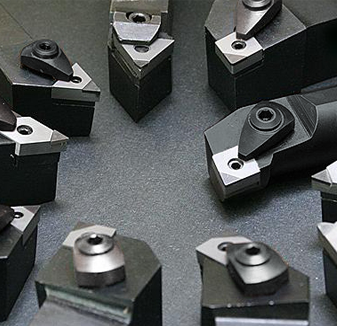
-What are PCD Inserts?
PCD inserts are manufactured using synthetic diamond particles sintered together with a metal matrix, typically cobalt, under high-pressure and high-temperature conditions. This process creates a highly durable and wear-resistant material ideal for cutting and machining a wide range of materials, including highly abrasive composites, aluminum, and non-ferrous metals.
-Benefits of Using PCD Inserts in Manufacturing
PCD inserts can offer useful wear resistance and consistent edge performance in suitable applications. Evaluate usable tool life, surface quality, cycle time, and cost per acceptable part for the actual process. Hardness and thermal conductivity alone do not guarantee higher productivity, reduced waste, or lower cost.
Exploring Types of Diamond Inserts
- Diamond Shaped Carbide Inserts
Diamond-shaped carbide inserts have a rhombic outline. Their suitability depends on the grade, nose geometry, chipbreaker, holder, and operation. The outline alone neither identifies a diamond cutting material nor guarantees good chip control.
- Turning Inserts for Aluminum
Turning inserts for aluminum should have a cutting material and geometry suited to the alloy and operation. Sharp edges and appropriate chip-control features can help manage adhesion and chip formation. Confirm surface quality and built-up-edge behavior under the intended cutting conditions rather than assuming that either carbide or PCD prevents adhesion.
Selecting the Right PCD and Diamond Inserts
- Factors to Consider When Choosing Inserts
Choosing the right insert involves considering several factors, including the material to be machined, the type of machining process, tool life expectations, and desired finish quality. Understanding these variables ensures the selection of the most appropriate insert for your specific needs.
- The Role of Turning Inserts Suppliers
Turning inserts suppliers play a crucial role in the supply chain, offering expert advice, ensuring product availability, and providing after-sales support. Their expertise can be invaluable in selecting the right inserts and optimizing your manufacturing processes.
Practical Applications of PCD and Diamond Inserts
- Evaluating PCD Insert Applications
To evaluate a proposed diamond tooling application, record the work material, insert grade, operation, cutting conditions, and acceptance criteria. Compare the candidate against a defined baseline using tool life, cycle time, and part-quality measurements. Treat an improvement as demonstrated only when these results are available.
- Optimizing Manufacturing Processes with Diamond Inserts
Assess diamond inserts within the complete process, including toolholding, cutting conditions, chip evacuation, and inspection. A controlled trial can establish whether a different insert reduces tool changes or improves quality enough to justify its cost. Do not assume that a material change alone improves productivity.
Maintenance and Care for PCD and Diamond Inserts
- Tips for Extending the Life of Your Inserts
Handle inserts to avoid edge damage and keep them separated and protected in storage. Before installation, inspect the cutting edge and clean the holder seat using the tool maker’s procedure. Use the specified clamping method. Ask the supplier whether a damaged or worn insert is suitable for reconditioning rather than attempting an unspecified repair.
- Troubleshooting Common Issues with Inserts
When finish, size, chip control, or tool life deteriorates, inspect edge wear or damage, adhered material, seating, and setup stability. Check the work material and cutting data before attributing the problem to the insert grade. Correct the identified cause and verify the result against the part requirements.
Future Trends in PCD and Diamond Insert Technology
- Innovations in Material Science
When evaluating a new insert grade or design, request its intended material range, application limits, and comparable test evidence. Check whether the claimed improvement concerns edge quality, wear, cycle time, or another measured result. A new product description alone does not establish better performance for your process.
- Sustainable Practices in Insert Manufacturing
Assess environmental claims using evidence relevant to the tool and production process, including usable life, rejected parts, energy or coolant use, and any available recovery or reconditioning route. Confirm the supplier’s actual service and its scope. Longer life alone is not proof of a lower overall environmental impact.
Conclusion
Select PCD or another diamond cutting material for a verified material-and-operation match. Keep insert shape separate from cutting material, confirm holder compatibility, and measure quality, usable life, and cost before adopting a change. Performance and environmental benefits should be supported by application-specific evidence.