










Cutting Tool Selection for 50 Material Entries
In modern manufacturing, choosing the right tool is key to ensuring product quality and productivity. However, even “industry veterans” are often at a loss when faced with a wide range of materials and machining requirements. To solve this problem, we’ve put together a guide to machining tools for 50 common materials.
01 Suitable cutting tools for different metal materials
-1. Aluminum alloys
Aluminum alloy is an alloy formed by taking aluminum as the main component and adding other elements (such as copper, magnesium, silicon, zinc, manganese, etc.). Due to its excellent performance, it is widely used in many fields such as aviation, automotive, construction, packaging and so on.
Material characteristics: lightweight, high strength, corrosion resistance, good processability, good electrical and thermal conductivity.
Tool options: sharp high-speed steel (HSS) tools or carbide cutting tools for suitable operations; PCD (polycrystalline diamond) tools or diamond-coated tools may suit abrasive aluminium alloys. PCD is a sintered cutting material, not another name for a diamond coating. Select the grade and geometry for the actual alloy and operation.
-2. Stainless steel
Stainless steel is a steel alloy containing not less than 10.5% chromium and is highly resistant to corrosion. It is widely used in construction, medical equipment, kitchen utensils and chemical equipment.
Material characteristics: corrosion resistance and mechanical properties depend on the stainless grade and condition. Machinability, work hardening, heat resistance, and weldability differ across austenitic, ferritic, martensitic, and duplex grades.
Tool options: carbide grades and chip-control geometries intended for the actual stainless group. Choose a qualified coating, such as a suitable PVD or CVD system, for the operation rather than assuming TiN or TiCN is always preferred.
-3. Titanium alloys
Titanium alloys are alloys composed of titanium and other elements (e.g., aluminum, vanadium) and are widely used in the aerospace, medical and chemical industries because of their high strength, light weight and excellent corrosion resistance.
Material characteristics: high strength, low density, corrosion resistance, high temperature resistance, low modulus of elasticity.
Tool options: sharp, tough carbide grades and geometries qualified for titanium. Control heat, adhesion, chip evacuation, and tool engagement. Ceramic tools are not a general-purpose recommendation for titanium; use only a specifically validated tool and process.
-4. Cemented carbide
Cemented carbide combines hard carbide particles with a metallic binder. WC-Co grades contain tungsten carbide and a cobalt-rich binder; other compositions also exist. The actual grade, binder, grain size, and sintered condition govern its machining response.
Material characteristics: high hardness, high strength, wear resistance, good heat resistance, strong resistance to deformation.
Tool options: qualified PCD (polycrystalline diamond) tooling may suit selected sintered-carbide operations; diamond grinding or EDM may be more appropriate for other features. Do not automatically substitute CBN (cubic boron nitride) tools. Confirm the carbide grade, binder content, and required accuracy.
-5. Brass
Brass is an alloy composed of copper and zinc and is widely used in electrical, plumbing and musical instrument manufacturing due to its excellent mechanical properties and corrosion resistance.
Material characteristics: good machinability, corrosion resistance, good electrical and thermal conductivity, resistance to wear.
Recommended tools: High-speed steel (HSS) or tungsten steel (carbide) cutting tools, which can be coated to improve wear resistance.
-6. Nickel-based alloys
Nickel-based alloys are high-performance alloys made of nickel with the addition of chromium, molybdenum and other elements, which have excellent high temperature and corrosion resistance, and are commonly used in aviation, aerospace and chemical fields.
Material characteristics: high strength, high temperature resistance, corrosion resistance, oxidation resistance, good thermal stability.
Tool options: carbide grades qualified for the particular nickel alloy, operation, and material condition. Selected ceramic grades can suit specific high-speed operations. Match the coating, geometry, coolant strategy, and cutting data to a validated application.
-7. Copper
Copper is a metal with excellent electrical and thermal conductivity, widely used in electrical, construction and heat exchangers.
Material characteristics: high electrical and thermal conductivity and useful corrosion resistance. Pure copper can be ductile and adhesive during cutting; machinability depends on composition and condition. Antimicrobial behavior does not determine cutting-tool selection.
Recommended tools: High-speed steel (HSS) or tungsten steel (carbide) cutting tools to ensure clean cutting.
-8. Cast iron
Cast iron is a kind of iron alloy with high carbon content, with excellent casting performance and vibration damping performance, widely used in machinery manufacturing, automobile and construction fields.
Material characteristics: high hardness, good casting properties, good vibration damping properties, wear resistance, brittleness.
Tool options: carbide, ceramic, or CBN grades qualified for the specific iron and operation. Grey, ductile, compacted-graphite, and white irons require different selection criteria; TiCN or an uncoated grade is not a universal choice.
-9. Superalloys
Superalloys are a class of materials with high-temperature strength and excellent oxidation resistance, widely used in the aerospace and energy industries.
Material characteristics: high-temperature strength, oxidation resistance, and creep resistance, with properties depending on the alloy and heat treatment.
Tool options: qualified carbide grades are common; selected ceramic grades can suit particular nickel-based superalloy operations. CBN is not a default for all superalloys. Choose by alloy, hardness, interruptions, and the tool maker’s application data.
-10. Heat-treated steel
Heat treatment changes steel structure and properties. Quenching and tempering are common routes, but annealed, hardened, and other conditions require different tooling. Identify the actual grade, treatment, and hardness before selecting a cutting tool.
Material characteristics: hardness, strength, ductility, and wear resistance depend on the steel grade and heat-treatment condition; annealing may reduce hardness rather than increase it.
Tool options: carbide for suitable conditions, or qualified CBN, ceramic, or grinding processes for harder finishing applications. Choose by actual hardness, cut type, and surface requirements rather than the label heat-treated alone.
-11. Aluminum-magnesium alloys
Aluminum-magnesium alloys are based on aluminum with magnesium added to improve strength and corrosion resistance, and are widely used in the aerospace and automotive industries.
Material characteristics: lightweight, high strength, corrosion resistance, good machinability.
Tool options: sharp HSS or carbide tooling for suitable aluminium-magnesium grades, with edge geometry and coating selected to limit adhesion. A TiCN coating is not an automatic requirement; check the tool maker’s aluminium-alloy recommendations.
-12. Magnesium alloys
Magnesium alloys are magnesium-based alloys with light weight and good mechanical properties, commonly used in aerospace and electronics.
Material characteristics: light weight, good machinability, good thermal conductivity, flammable.
Tool options: sharp HSS or carbide grades suitable for the actual magnesium alloy. Manage chips, heat, fluid compatibility, and fire risk using the material supplier’s machining guidance and the shop’s approved process.
-13. Zinc alloy
Zinc alloy is made from zinc with other elements (e.g. aluminum, copper) and is widely used for die-casting parts and decorations.
Material characteristics: easy casting, low melting point, good mechanical properties and corrosion resistance.
Recommended tools: High-speed steel (HSS) or tungsten steel (tungsten carbide) cutting tools to ensure cutting effect and surface quality.
-14. Pure titanium
Pure titanium has a wide range of applications in aerospace, medical and chemical fields due to its high strength, low density and good corrosion resistance.
Material characteristics: high strength, low density, corrosion resistance, good biocompatibility.
Tool options: carbide grades and sharp geometries intended for commercially pure titanium, with suitable heat and adhesion control. Do not treat ceramic tools as a generic substitute; qualify the exact tool and process.
-15. Nickel-titanium alloy (Nitinol)
Nitinol is an alloy with memory effect and superelasticity, widely used in medical devices and the aerospace field.
Material characteristics: memory effect, superelasticity, high corrosion resistance, good biocompatibility.
Recommended tools: Carbide cutting tools, high wear resistance, and high temperature performance are required.
-16. Magnesium-aluminum alloys
Here, magnesium-aluminium means magnesium-base alloys containing aluminium. This differs from aluminium-base alloys containing magnesium. Confirm the actual alloy designation rather than selecting tools from the informal name alone.
Material characteristics: low density and useful strength for lightweight components. Corrosion behavior depends on the grade and protection; fine chips and dust can present a fire risk.
Recommended tools: High-speed steel (HSS) or tungsten steel (carbide)cutting tools, taking into account the flammability of the material.
-17. Ultra-high hardness steel
Ultra-high hardness steel is specially treated to have extremely high hardness and wear resistance and is commonly used in mold and tool making.
Material Characteristics: Extremely high hardness, high strength, wear resistance, high temperature resistance.
Tool options: qualified CBN or ceramic grades for suitable hard-machining operations, or grinding where required. Actual hardness, interruptions, rigidity, and surface integrity determine the choice.
-18. Gold alloys
Gold alloy is made of gold mixed with other metal elements (such as silver, copper), widely used in jewelry, electronics and medical devices.
Material characteristics: excellent electrical and thermal conductivity, corrosion resistance, high ductility, oxidation resistance.
Recommended tools: High-speed steel (HSS) or tungsten steel (carbide) cutting tools to ensure precision and finish in the cutting process.
-19. Silver alloys
Silver alloys are made of silver mixed with other metal elements (such as copper and zinc) and are widely used in electrical contact parts, jewelry and coins.
Material characteristics: excellent electrical and thermal conductivity, corrosion resistance, high ductility.
Recommended tools: High-speed steel (HSS) or tungsten steel (carbide) tools, need to be sharp and durable.
-20. Chromium-molybdenum steel
Chromium-molybdenum steel is a high-strength low alloy steel containing chromium and molybdenum elements, which is widely used in pressure vessels, petrochemical equipment and mechanical components.
Material characteristics: strength and toughness vary with composition and heat treatment. Chromium-molybdenum steel is not automatically stainless or resistant to every corrosive environment.
Recommended tools: carbide cutting tools, suitable for high strength alloy steel processing.
-21. Tungsten steel
In this entry, tungsten steel is the informal name used for WC-based cemented carbide, overlapping the cemented-carbide entry above. It must not be confused with tungsten-alloyed tool steel. Obtain the actual material specification.
Material Characteristics: Extremely high hardness, wear resistance, high temperature resistance, and deformation resistance.
Tool options for WC-based cemented carbide: qualified PCD tooling, diamond grinding, or EDM, depending on the grade and feature. CBN is not a universal choice; tungsten-alloyed steel requires a separate selection based on its steel grade and hardness.
-22. Tungsten-cobalt alloys
For this entry, confirm whether tungsten-cobalt means WC-Co cemented carbide or another tungsten-containing alloy. WC-Co is a carbide-metal composite, not simply an alloy of elemental tungsten and cobalt.
Material characteristics: high strength, wear resistance, good heat resistance, and high impact resistance.
Tool options: if the material is sintered WC-Co, assess qualified diamond tooling, grinding, or EDM. Do not assume an ordinary tungsten-carbide cutter can machine every cemented-carbide grade. Verify the actual composition and condition first.
-23. Beryllium-copper alloys
Beryllium copper alloy consists of copper and beryllium, with excellent mechanical properties and electrical conductivity, widely used in the manufacture of springs, contact parts and tools.
Material characteristics: high strength, high hardness, good electrical and thermal conductivity, corrosion resistance, non-magnetic.
Tool options: HSS or carbide tooling selected for the copper-beryllium grade and condition. Machining can create hazardous beryllium-containing dust or mist; follow the supplier’s safety data and validated exposure-control procedures rather than treating it as ordinary copper.
-24. High-temperature alloys (Inconel)
Inconel is a trade name covering several nickel-based alloys, not one fixed composition or hardness. Identify the specific alloy and heat treatment; cutting behavior and tool choice can differ substantially.
Material characteristics: high strength, high temperature resistance, corrosion resistance, oxidation resistance, good thermal stability.
Tool options: carbide grades for the specified alloy, or qualified ceramic grades in suitable operations. Select coating, edge preparation, cutting data, and coolant strategy together; TiAlN is not a universal prescription.
-25. High-chrome cast iron
High chrome cast iron is a kind of cast iron containing high chromium element, with excellent wear resistance and corrosion resistance, commonly used in abrasive tools and wear-resistant parts.
Material characteristics: high hardness, high wear resistance, good corrosion resistance, oxidation resistance.
Recommended tools: Carbide cutting tools or CBN (Cubic Boron Nitride) tools for high hardness cast iron materials.
-26. High-manganese steel
High manganese steel is a kind of steel with high wear resistance and high impact strength, widely used in mining machinery and railroad equipment.
Material characteristics: high wear resistance, high strength, good impact resistance, wear hardening.
Recommended tools: carbide cutting tools, wear-resistant and high strength.
-27. Molybdenum alloys
Molybdenum alloys contain the element molybdenum, have high strength and high hardness, and are commonly used as structural materials in high-temperature and high-strength environments.
Material characteristics: high strength, high hardness, good high temperature resistance, corrosion resistance.
Recommended tools: Carbide cutting tools, suitable for high strength and high hardness alloy materials.
-28. Carbon steel
Carbon steels cover a range of carbon levels and conditions. Their strength, hardness, weldability, and machining response depend on the grade and processing history; use the material standard and certificate rather than a single broad composition range.
Material characteristics: cost, strength, ductility, and weldability vary with carbon level and heat treatment. Higher hardness or carbon content can change tool selection and welding suitability.
Recommended tools: High speed steel (HSS) or carbide cutting tools for common carbon steel machining.
-29. Low-alloy steel
Low-alloy steels are steels whose properties are enhanced by the addition of small amounts of alloying elements (e.g. chromium, nickel, molybdenum), and are widely used in mechanical engineering and structural engineering.
Material characteristics: strength, toughness, wear resistance, and machinability vary with alloy content and heat treatment; low-alloy steel is not always easy to machine.
Recommended tools: High-speed steel (HSS) or carbide cutting tools for general machining.
-30. High-strength steel
High-strength steels are heat-treated or alloying elements are added to obtain high strength and hardness, and are commonly used in the automotive industry and construction engineering.
Material characteristics: high strength, high hardness, wear resistance, good toughness.
Recommended tools: Carbide cutting tools, wear-resistant and high strength.
02 Suitable cutting tools for different non-metallic materials
-1. Plastics and composites
Plastics and composites are used in a wide variety of industrial applications, including automotive, aerospace and consumer products.
Material characteristics: density, mouldability, corrosion resistance, and electrical behavior depend on the polymer, reinforcement, and additives; plastics and composites are not universally electrically insulating.
Tool options: sharp HSS or carbide tools for suitable unfilled plastics; abrasive reinforced grades may favor carbide, PCD, or diamond-coated tooling. Match geometry to the reinforcement and operation to control burrs, delamination, heat, and deformation.
-2. Ultra-high molecular weight polyethylene (UHMW)
UHMW is an engineering plastic with extremely high abrasion resistance and impact resistance, commonly used in mechanical components and conveying systems.
Material characteristics: extremely high wear resistance, low coefficient of friction, high impact strength, chemical resistance, excellent impact resistance.
Tool options: very sharp HSS or carbide tools with suitable clearance. Support the material and control heat and clamping deformation to obtain the required dimensions.
-3. Glass fiber reinforced plastic (GFRP)
GFRP is a composite material used to enhance the mechanical properties of a plastic matrix by adding glass fibers to it, and is commonly used in the construction, automotive and marine industries.
Material characteristics: high strength, high modulus, light weight, corrosion resistance, good heat resistance.
Tool options: qualified PCD, diamond-coated, or carbide tooling for the reinforcement and operation. Control fibre breakout and delamination as well as abrasive wear; provide appropriate dust extraction.
-4. Polyvinyl chloride (PVC)
PVC is a general-purpose thermoplastic widely used in pipes, wire insulation and building materials.
Material characteristics: good chemical resistance, weather resistance, good electrical insulation, easy processing, low cost.
Recommended tool: High speed steel (HSS) tool, care should be taken to avoid overheating when cutting.
-5. Acrylonitrile-butadiene-styrene copolymer (ABS)
ABS is an engineering plastic with good comprehensive performance, commonly used in automotive parts, appliance shells and toys.
Material characteristics: high strength, good toughness, impact resistance, good heat resistance, easy molding and processing.
Recommended tools: High-speed steel (HSS) or tungsten steel (carbide) cutting tools to reduce heat and deformation.
-6. Polyoxymethylene (POM)
POM is an engineering plastic with excellent mechanical properties and wear resistance, commonly used in bearings, gears and automotive parts.
Material characteristics: high hardness, good wear resistance, good mechanical strength, good oil resistance.
Recommended tools: High speed steel (HSS) or tungsten steel (carbide) cutting tools to ensure smooth cutting.
-7. Polytetrafluoroethylene (PTFE)
PTFE is a low coefficient of friction and excellent chemical resistance plastic commonly used in seals, lubricants and high temperature applications.
Material characteristics: low coefficient of friction, corrosion resistance, good insulation and high temperature resistance.
Recommended tooling: High speed steel (HSS) or tungsten steel (carbide) cutting tools to prevent sticking and overheating.
-8. Polyetheretherketone (PEEK)
PEEK is an engineering plastic with very high heat and chemical resistance, commonly used in aerospace, medical and automotive applications.
Material characteristics: very high heat resistance, good chemical resistance, excellent mechanical properties.
Tool options: sharp carbide tooling for suitable PEEK grades; reinforced grades may require more wear-resistant tooling such as qualified PCD. Select by filler content, finish, and dimensions, and manage heat and distortion.
-9. Polyethylene (PE)
PE is a common plastic with good chemical resistance and low density, widely used in packaging, pipes and containers.
Material characteristics: low density, good chemical resistance, good electrical insulation, good abrasion resistance.
Recommended tools: High speed steel (HSS) or tungsten steel (carbide) cutting tools to prevent heat buildup and deformation.
-10. Polystyrene (PS)
PS is a common plastic with good transparency and electrical insulation, commonly used in packaging, electronic products and modeling.
Material characteristics: transparent, moderate hardness, good electrical insulation.
Recommended tools: High-speed steel (HSS) or tungsten steel (carbide) cutting tools, care should be taken to prevent heat buildup and material deformation.
03 Cutting tools for other materials
-1. Wood
Wood is a common building and manufacturing material with good workability and strength properties.
Material characteristics: good machinability, moderate strength, water absorption.
Recommended tools: HSS or tungsten carbide cutting tools for general machining of wood.
-2. Graphite
Graphite is a material with good electrical and thermal conductivity, often used to make electrodes and lubricating materials.
Material characteristics: low coefficient of friction, high electrical conductivity, high thermal conductivity.
Tool options: carbide, diamond-coated, or PCD tooling selected for the graphite grade and finish. Diamond-based tooling can reduce abrasive wear, not eliminate it. Control dust and edge breakout.
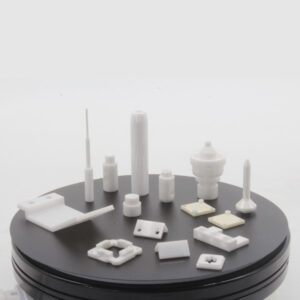
-3. Ceramics
Ceramics cover materials with very different structures and properties. Green, partially sintered, machinable, and fully sintered ceramics require different processes; identify the exact material and condition.
Material characteristics: hardness, brittleness, heat resistance, and electrical behavior depend on the ceramic. Not every ceramic is electrically insulating or conventionally machinable.
Tool options: suitable carbide tooling may machine some green or machinable ceramics. Fully sintered hard ceramics often need qualified diamond abrasive processes or specialist machining. Do not specify PCD or carbide universally.
-4. Quartz glass
Quartz glass has good optical properties and chemical stability, commonly used in optical devices and laboratory instruments.
Material characteristics: high hardness, high transparency, good chemical stability.
Tool options: qualified diamond grinding, drilling, or other glass-machining processes, with suitable support and cooling. PCD cutting tools are not a blanket recommendation, and diamond tooling does not by itself prevent fracture.
-5. Natural rubber
Natural rubber has good elasticity and abrasion resistance and is commonly used to make seals and rubber products.
Material characteristics: good elasticity, good abrasion resistance, good corrosion resistance.
Recommended tools: High speed steel tools to ensure sharpness and durability, suitable for natural rubber processing.
-6. Silicon
Silicon is a common semiconductor material with excellent electrical properties, commonly used in electronic devices and solar cells.
Material characteristics: silicon is a brittle semiconductor. Its electrical conductivity depends strongly on doping, temperature, and purity; it is not simply a highly conductive metal.
Tool options: qualified diamond abrasive, slicing, grinding, or specialist precision-cutting processes. Choose by crystal condition, feature, and allowable damage; PCD is not a universal recommendation for every silicon operation.
-7. Ultra-fine crystalline cemented carbide
Ultrafine-grained cemented carbide uses a fine carbide grain structure whose definition depends on the grade system. Ultrafine does not automatically mean nanoscale; confirm the published grain size and binder composition.
Material Characteristics: Extremely high hardness, good wear resistance, good high temperature resistance.
Tool options: qualified diamond machining or grinding, or EDM where suitable, selected for the actual carbide grade and feature. CBN or ceramic tooling is not a universal substitute for these processes.
-8. Cork
Cork is a lightweight natural material with good thermal insulation and elasticity, commonly used in construction and handicraft production.
Material characteristics: lightweight, soft, good sound absorption and heat insulation.
Recommended tool: High speed steel tool to ensure smooth and precise cutting.
-9. Fibre-reinforced plastic (FRP)
FRP means fibre-reinforced plastic and can use glass, carbon, or other fibres. Glass-fibre material is GFRP, already listed above; this broader entry overlaps that example rather than defining another unique material.
Material characteristics: strength, stiffness, corrosion resistance, and electrical behavior depend on the fibre, matrix, and construction. Glass-fibre and carbon-fibre composites must not be assumed to have the same electrical insulation properties.
Recommended tools: PCD (polycrystalline diamond) or carbide cutting tools to reduce wear and improve cutting efficiency.
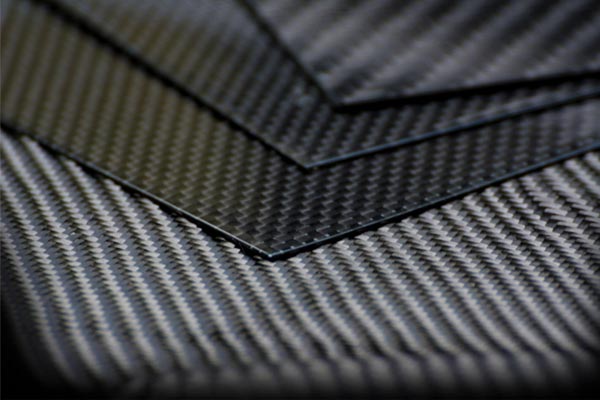
-10. Carbon fiber reinforced plastic (CFRP)
CFRP is a composite material with high strength and lightweight properties, commonly used in the aerospace and automotive industries.
Material characteristics: high strength, light weight, good heat resistance.
Recommended tools: PCD (polycrystalline diamond) or tungsten carbide cutting tools, wear-resistant and sharp, suitable for machining CFRP.
Conclusion
These 50 entries are a practical orientation list, not 50 mutually exclusive material classes or universal tooling prescriptions. Some entries overlap. Confirm material grade, condition, reinforcement, operation, tolerances, and tool-supplier data before production; validate quality and cost on the actual process.