










Chamfer Tool: Enhancing Precision and Efficiency in Machining
Chamfering is a fundamental machining technique that involves creating angled cuts or bevels along the edges of workpieces. It plays a pivotal role in various industries, from automotive to aerospace, by enhancing precision and efficiency. The chamfer tool, which includes variants like chamfer mill, chamfer end mill, and chamfer cutter, is a key player in achieving these impeccable results. In this article, we delve into the world of chamfer tools, their types, applications, and the advantages they bring to the machining process.
Introduction to Chamfer Tools
The chamfer tool, also known as the chamfer mill, chamfer end mill, or chamfer cutter, is an indispensable tool in machining to create beveled edges, angles, or grooves on a workpiece. The term “chamfer” refers to the beveled or angled surface that is formed at the intersection of two surfaces, typically at a 45-degree angle, although other angles are also possible. Chamfering serves multiple purposes, such as improving the aesthetics of a product, enhancing its functionality, and facilitating assembly.
Chamfer tools come in various shapes and sizes, each designed to cater to specific machining needs. They are commonly used in industries like metalworking, woodworking, plastics manufacturing, and even in the creation of electronic components. The primary goal of using chamfer tools is to remove sharp edges or corners, which can be uncomfortable to handle, prone to damage, or could potentially pose safety risks.
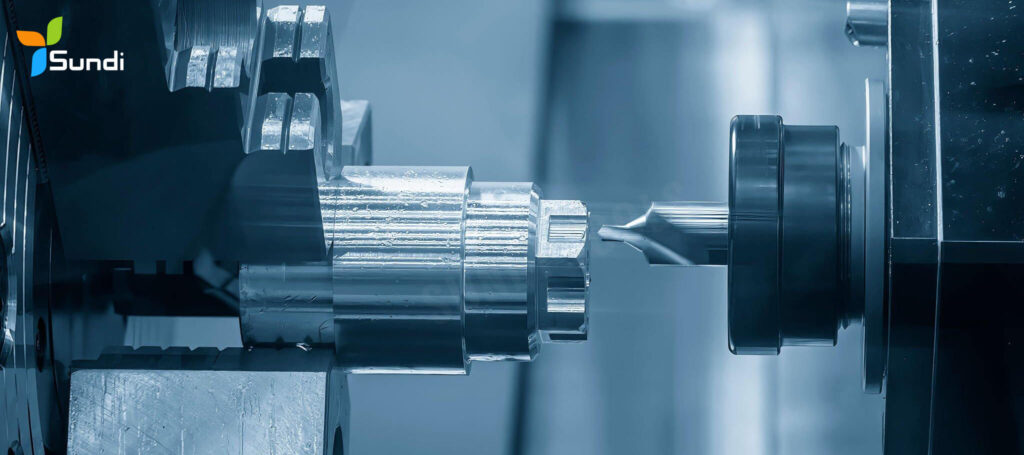
Key Benefits of Chamfer Tools:
Safety: By removing sharp edges, chamfering reduces the likelihood of accidental cuts or injuries during handling and assembly.
Improved Aesthetics: Chamfered edges give a polished and finished appearance to products, making them visually appealing.
Ease of Assembly: A correctly specified chamfer can provide a lead-in that helps mating parts engage during assembly. It does not replace alignment features or correct an unsuitable fit.
Enhanced Functionality: Chamfers can provide functional edge breaks or lead-ins where specified. Their effect on stress concentration and durability depends on the geometry and loading; a chamfer is not automatically a substitute for a specified fillet or radius.
Deburring: Chamfer tools are commonly used for deburring, which involves removing unwanted burrs and excess material from a workpiece.
Different Types of Chamfer Tools
Handheld Chamfer Tools: These are manually operated tools that can be easily held and controlled by the operator. They are often used for smaller projects and on-site tasks.
Machine-mounted Chamfer Tools: These tools are attached to machining equipment like lathes, mills, or routers, enabling precise and automated chamfering in mass production settings.
Indexable Chamfer Inserts: These inserts provide replaceable cutting edges in compatible cutter bodies. Indexing or replacing an insert does not by itself make the chamfer angle adjustable; use the angle and insert combinations specified for the tool.
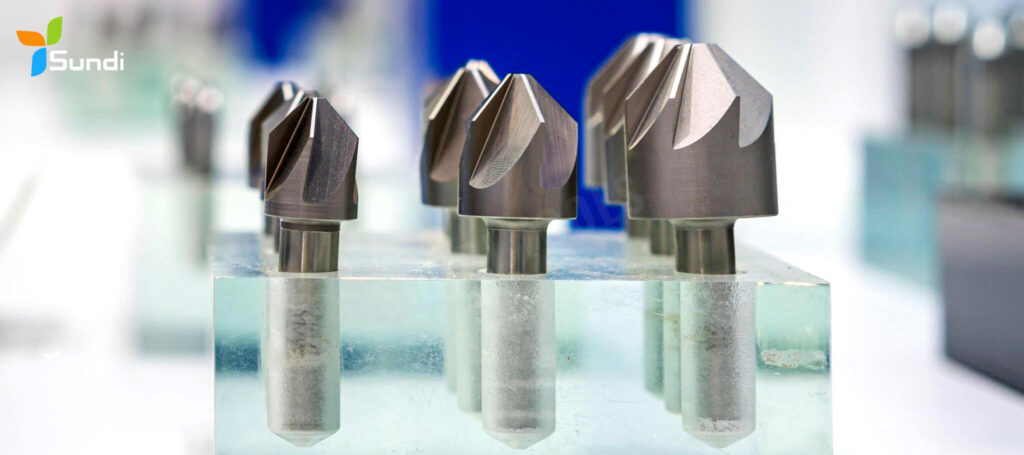
Countersinks: While not exclusively chamfering tools, countersinks are often used to create conical recesses that serve a chamfering function, especially when creating holes for fasteners.
How to choose the right chamfer cutter for your needs?
Selecting the appropriate chamfer cutter for your specific machining or manufacturing requirements is crucial to achieving accurate results and optimal efficiency. The diverse range of chamfer tools available allows you to tailor your choice to the material, workpiece size, and desired chamfer angle. Here are the key factors to consider when choosing the right chamfer tool:
- Material and Workpiece:
Different materials, such as metals, plastics, and wood, require specific cutting characteristics. Harder materials might demand a more robust and durable chamfer tool with suitable cutting edges. Consider the hardness, abrasiveness, and thermal conductivity of the material you are working with to ensure the tool’s compatibility.
- Chamfer Angle:
The chamfer angle must match the drawing and its reference surface. A 45-degree chamfer is common, but other angles may be specified. Check whether the tool catalog states an included angle or an angle per side, and use its geometry diagram to relate that value to the workpiece and setup. Only tools designed for angle adjustment can be adjusted within the manufacturer’s stated range.
- Cutting Speed and Feed Rate:
The cutting speed (surface speed of the tool) and feed rate (the rate at which the tool advances into the workpiece) are critical factors that impact tool life and cutting quality. Match these parameters with the capabilities of your chamfer tool and the material being machined.
- Tool Type:
Consider the type of chamfer tool that aligns with your machining process. Handheld tools are suitable for smaller projects and on-site tasks. Machine-mounted tools are ideal for precision and automation in mass production. Indexable chamfer inserts are versatile for CNC machining and offer replaceable cutting edges.
- Tool Material:
Chamfer tools may use substrates such as high-speed steel (HSS) or cemented carbide, with or without a coating. A coating is a surface treatment, not a separate substrate category. Select the substrate, coating, and edge geometry for the workpiece material and cutting conditions; carbide does not guarantee longer tool life in every setup.
- Tool Size and Geometry:
The tool’s size and geometry should match the dimensions of your workpiece and the depth of the chamfer you intend to create. Be mindful of factors like tool length, shank diameter, and cutting-edge geometry.
- Application:
Consider the specific application for which you need the Chamfer tool. Are you deburring, creating a beveled edge, or making a countersink hole for fasteners? Different applications might require different tool features and geometries.
- Cost and Quality:
Balancing cost and quality is essential. While high-quality tools might be more expensive initially, they often provide better performance, longer tool life, and more consistent results.
- Brand and Reputation:
Opt for reputable brands known for producing reliable and durable chamfer tools. Research reviews and seek recommendations from professionals in your industry.
- Customization Options:
Some manufacturers offer customized chamfer tools tailored to your specific needs. If your project demands unique chamfer dimensions or angles, inquire about customization options.
Proper Usage and Maintenance of Chamfer Tools
Proper Usage:
Choose the right tool for your project’s needs.
Secure the workpiece to prevent movement.
Set appropriate cutting parameters (speed, feed, depth).
Maintain a steady feed rate.
Position the tool correctly for the desired angle.
Use coolant or lubrication as needed.
Follow recommended cutting direction.
Wear appropriate safety gear.
Maintenance:
Clean the tool after use to remove debris.
Check for wear regularly (edges, body).
Sharpen or replace worn parts.
Store in a dry, clean place.
Handle with care to avoid damage.
Lubricate moving parts if required.
Follow calibration guidelines if needed.
Adhere to manufacturer’s recommendations.
FAQs
Q: How does chamfering improve safety?
A: Chamfering removes sharp edges that could lead to injuries, making workpieces safer to handle.
Q: Can I achieve various chamfer angles with one tool?
A: Only if the tool is designed to produce or adjust to the required angles. Many indexable chamfer tools have a fixed cutting angle. Replacing an insert alone does not guarantee a different angle; follow the manufacturer’s approved configurations and adjustment limits.
Q: Is chamfering applicable only to metal materials?
A: No, chamfering can be used on a wide range of materials, including plastics and composites.
Q: Can chamfering be automated?
A: Absolutely, CNC machines can be programmed to perform precise chamfering tasks.
Q: What’s the primary difference between chamfer mills and chamfer end mills?
A: These names overlap in manufacturers’ catalogs and do not define a universal difference in angle capability. A chamfer end mill is not necessarily limited to 45-degree chamfers. Compare the specified cutting angle, tip geometry, cutting-edge length, and permitted operations of the actual tools.
Q: Does chamfering affect the dimensional accuracy of the workpiece?
A: Yes. Chamfering removes material and changes the edge geometry. Control the chamfer angle and specified width or depth within the drawing tolerances, and check any effect on mating surfaces, sealing areas, or remaining wall thickness. A correct chamfer must meet the part requirements rather than simply have a minimal dimensional effect.
The chamfer tool, including chamfer mill, chamfer end mill, and chamfer cutter, is a pivotal component in the world of machining. Its ability to create precise beveled edges enhances safety, aesthetics, and functionality across various industries. By selecting the right tool, following proper usage guidelines, and embracing expert recommendations, you can harness the power of chamfering to achieve exceptional results in your machining projects.
Tagged tech news