


What’s the Difference Between Spiral and Helical Cutterheads?
Running a jointer or planer? Your cutterhead choice changes everything. You’ve got three types: straight knives, spiral cutters, and helical heads.
Now, spotting straight knives? Easy. But spiral vs. helical? They look crazy similar and even act alike at first glance. Most woodworkers struggle to tell them apart – and that confusion costs you time, money, and perfect finishes.
Here’s the truth: Knowing their differences means picking the right cutter for your projects. No guesswork. No wasted cash.
So let’s crack these two open. We’ll compare spiral and helical heads side-by-side – so you walk away knowing exactly which one belongs in your shop.
Contents

What Is a Spiral Cutterhead?
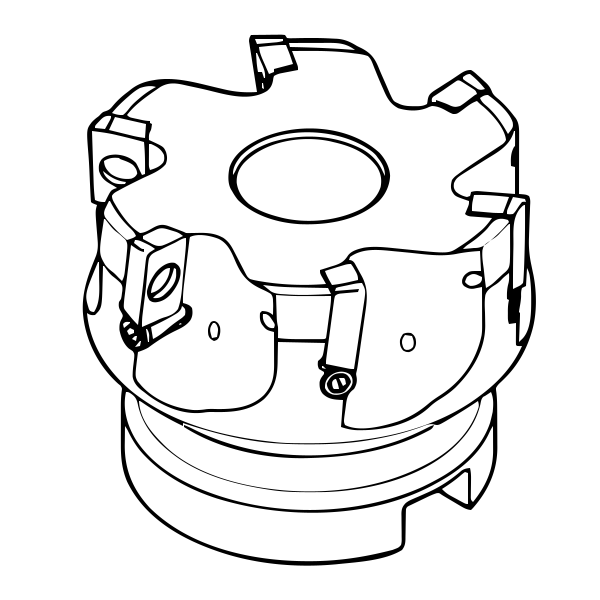
Picture a drum carrying small indexable inserts in staggered rows around its circumference. That is a common spiral cutterhead arrangement. Spiral and helical naming varies by supplier; compare the actual cutting-edge angle and insert geometry rather than the label alone.
Why woodworkers obsess over them:
Reduced tear-out may be possible on figured wood, but it is not eliminated in every setup.
A smooth finish is possible with suitable inserts, feed, depth of cut, and grain conditions.
Noise may be lower than with some straight-knife heads; measure the actual machine and extraction system.
Carbide inserts can provide useful wear resistance and indexable edges. They are not nearly as hard as diamond, and tool life and long-term cost depend on the grade, wood, cutting conditions, and replacement cost; a universal fivefold life claim is not justified.
Best for: Compare actual performance on your softer woods and hardwoods; wood hardness alone does not determine whether a spiral or helical head is preferable.
Pro tip: Trial figured wood with the intended feed and depth of cut; sanding or further finishing may still be needed.
What Is a Helical Cutterhead?
A common helical head uses indexable inserts in staggered rows with cutting edges skewed to produce a shearing cut. Spiral heads can also engage inserts progressively; they do not necessarily strike the wood with every insert at once. Check the actual design.
Why pros reach for helical:
Good surfaces on suitable hardwoods are possible; figured grain can still tear out.
Cutting noise may be reduced compared with some straight-knife heads, but the machine is not silent.
Vibration and chatter depend on the complete machine, cutter condition, feed, and workpiece support.
Secret weapon? Some square inserts provide four usable edges. Stop and isolate the machine before indexing; clean the seat and use the specified screw and torque. Edge count and change time depend on the product, so
neither zero downtime nor a universal 30-second change is assured.
Killer for:
Hardwoods and difficult grain where trials show a useful finish improvement
High-volume shops where blade changes cost $$$
Shops comparing measured noise levels; quieter cutting does not guarantee acceptable neighborhood noise
Pro tip: Test figured maple before production. Shearing geometry can help, but does not guarantee tear-out-free or finish-ready surfaces.
Key Differences Between Spiral and Helical

No Fluff. Just Which One Wins YOUR Job.
1. Cutter Alignment: The Angle Game
| Spiral | Helical |
|---|---|
| In this comparison: cutting edges not skewed for shear | In this comparison: cutting edges skewed for shear |
| Staggered inserts can engage progressively | Staggered inserts can engage progressively |
| Check the actual edge geometry | Skewed edges provide a shearing component |
Why it matters:
Skewed cutting edges can help reduce tear-out, but finish depends on the actual cutter geometry, wood, feed, and depth of cut. Supplier terminology is not a universal geometry standard.
2. Cost: Budget vs. Beast Mode
Spiral = Budget comparison
: Check the actual purchase price, machine fit, and approved materials;
plywood and other sheet goods are not automatically suitable for every jointer or planer.Helical = Investment comparison
: Compare actual costs
. Four-edge inserts also occur on spiral heads, so they are not a fourfold advantage unique to helical heads. Verify
finish and noise for the actual setup.
Real talk:
Compare measured finish, maintenance time, and total cost in your work; daily hardwood use does not guarantee payback.
3. Cutting Performance: Where They Dominate
| Task | Spiral | Helical |
|---|---|---|
| Softwoods (Pine, Cedar) | Verify finish with actual cutting conditions | Verify finish and cost for the application |
| Hardwoods (Oak, Maple) | Tear-out depends on grain and setup | Shearing may help; tear-out is still possible |
| Noise Level | Measure the complete machine and extraction system | May be quieter; measure actual noise |
| Deep/Heavy Cuts | Stay within machine and cutterhead limits | Stay within machine and cutterhead limits |
Pro Verdict:
Spiral: Consider a compatible head for your approved materials and budget; confirm finish and noise in use.
Helical: Consider shearing geometry for furniture-grade hardwoods and difficult grain, but verify the result rather than assuming it is unbeatable.
Why Helical Heads Cut Like Butter

The Shearing Magic & Carbide Secrets
The angled attack of suitable carbide knives can shear through wood fibers and help reduce tear-out. Surface finish and noise still depend on the machine, wood, feed, and depth of cut.
The real heroes? Those little carbide squares:
Made from a suitable tungsten carbide grade; carbide is not a form of diamond
Wear resistance depends on the grade and material being machined
Service life relative to HSS blades must be measured for the application
Four cutting edges on compatible four-sided inserts; check the specified insert
When one edge dulls:
Stop and isolate the machine before removing the insert
Clean the seat and index to an unused edge using the specified procedure
Refit with the specified screw and torque, and check the assembly before restarting.
Change time varies.
Which One Should You Choose?
Stop overthinking. Match the blade to YOUR work.
1. Budget Check: Wallet First
Spiral Head = Cost comparison
: Check compatible models and current
prices; a universal 30–50% saving is not established.Helical Head = Investment comparison
: Evaluate finish, noise, and total operating cost.
Four-edge inserts are not exclusive to helical designs and do not guarantee savings.
Choose a compatible head on measured performance and budget rather than assuming a head type guarantees perfection.
2. Wood Type: Compare Results on Your Material
| Material | Spiral Head | Helical Head |
|---|---|---|
| Pine/Cedar/Fir | Trial the intended feed and depth | Trial finish and assess cost |
| Oak/Maple/Walnut | Results depend on grain and setup | Shearing may improve finish |
| Exotics/Burls | Tear-out can occur; verify suitability | Tear-out can still occur; trial the actual wood |
Rule of thumb:
Trial the wood species and grain you actually use; hardness alone is not a sufficient selection rule.
3. Board Size Matters
Skinny/Small Pieces?
Follow the machine’s minimum stock dimensions and approved support methods. A cutterhead’s shear action
does not prevent small or thin stock from breaking or kicking back.Thick Slabs/Beams?
Confirm width, thickness, support, and permitted depth of cut. Neither cutterhead label guarantees freedom from deflection or the ability to take heavy cuts.
The Verdict:
Choose SPIRAL if:
A compatible model meets your finish,
noise, maintenance, and budget requirements for the approved materials.Choose HELICAL if:
Trials of the actual shearing design justify its cost for your hardwoods or difficult grain. Further finishing and noise control may still be needed.
Still stuck?
SUNDI’s blade gurus will match you to the right head → Contact us