










Overcoming Challenges with PCD Reamers: A Comprehensive Guide
Master the use of PCD reamer tools to boost manufacturing precision. Discover essential tips for overcoming common reaming challenges
Introduction to PCD Reaming
Polycrystalline Diamond (PCD) reamers can provide good wear resistance and hole finish in suitable materials. Accurate reaming also depends on the pre-machined hole, tool size, alignment, and cutting conditions. This guide discusses practical checks for hole-size variation and surface-quality problems without assuming that the cutting material alone guarantees the result.
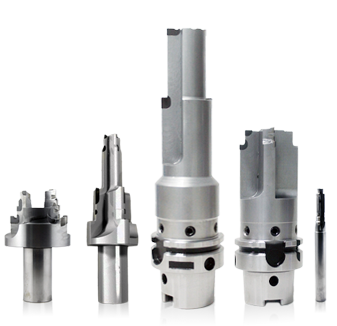
-What are PCD Reamers?
PCD reamers use diamond cutting edges to finish the size and surface of a pre-machined hole within the specified reaming allowance. They are available in different constructions and grades. Confirm material compatibility and the tool maker’s application limits before selecting a PCD reamer.
-The Significance of Reamer Tool in Manufacturing
Reaming plays a pivotal role in manufacturing, serving as a critical step in ensuring the dimensional accuracy and finish of holes. Its importance cannot be overstated, as it directly impacts the assembly quality and functional performance of the final product.
The Most Common Problems Encountered During Reaming Using PCD Reamer tool
-Material Compatibility Issues
Identifying Compatible Materials
Not all materials are suited for reaming with PCD tools. Understanding material properties and their interaction with PCD is essential for achieving optimal results.
-Solutions for Material Compatibility
- Confirm the cutting material first, then select the tool geometry and reaming parameters.
Geometry and parameter changes can improve a suitable process, but they do not make an unsuitable tool-workpiece material combination acceptable. If compatibility is uncertain, obtain an application recommendation or select a different cutting material before proceeding.
-Tool Wear and Maintenance
- Recognizing Wear Patterns
Separate tool condition from hole-quality symptoms. Inspect the cutting edges for wear, chipping, or adhered material. An oversized hole is not itself a wear pattern: check the tool diameter, runout, alignment, pre-hole, and cutting conditions. Burrs on the workpiece or deposits on the cutting edge also require diagnosis rather than being treated automatically as wear.
- Maintenance Best Practices
Inspect the tool and track hole size and finish against the acceptance limits. Dimensional drift can have several causes, so do not assume that wear always makes the hole smaller. Use the tool maker’s criteria for adjustment, replacement, or reconditioning; maintenance cannot guarantee a particular service life.
-Misalignment and Dimensional Inaccuracies
- Avoiding Misalignment
Check tool runout, holder condition, and alignment with the pre-machined hole. Setup errors or an unsuitable pre-hole can produce dimensional or form errors. Correct the underlying setup or pre-machining problem rather than assuming that reaming will restore the required hole position.
- Ensuring Dimensional Accuracy
Employing the right strategies and equipment can greatly enhance the dimensional accuracy of reamed holes.
-Surface Finish Concerns
- Achieving Superior Surface Finishes
Optimizing reaming parameters is key to achieving the desired surface finish, a critical aspect of manufacturing aesthetics and functionality. Incorrect reamer size, cutting speed, or coolant selection can adversely affect the surface quality.
Advanced Techniques for PCD Reaming
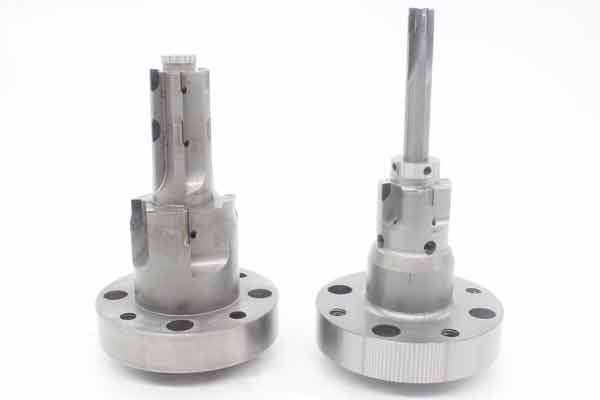
Evaluate changes to the tool design and process against measured hole size, form, finish, and usable tool life. If tool deflection or an unsuitable clearance geometry is suspected, consult the tool supplier before changing the design. Confirm any improvement in efficiency and results through a controlled trial.
Real-World Applications of PCD Reamers
PCD reamers tools are instrumental in industries where precision is paramount, such as aerospace and automotive, where they contribute to the manufacturing of critical components.
Conclusion: Maximizing Efficiency with PCD Reamers
In conclusion, mastering the use of reamer tool is a journey of understanding both the tools and the materials they interact with. By addressing the common problems outlined in this guide, manufacturers can significantly enhance their machining processes, achieving higher accuracy, better finishes, and ultimately, superior products. This includes recognizing and addressing the frequent challenges associated with hole diameter variations and surface roughness during the reaming process with PCD reamers.