










Welcome to our comprehensive guide to CNC cutting tools, the backbone of modern precision machining. In this article, we’ll explore the various classifications of CNC cutting tools, focusing on their characteristics, how to choose the perfect tool, and install it properly. Whether you are a seasoned professional or a novice machinist, this content is designed to provide valuable insights to improve your machining capabilities.
CNC Cutting Tool Classifications
Cutting tools used on Computer Numerical Control (CNC) machines perform different material-removal operations. They can be grouped by function, geometry, or cutting material; these categories overlap. Common examples include:
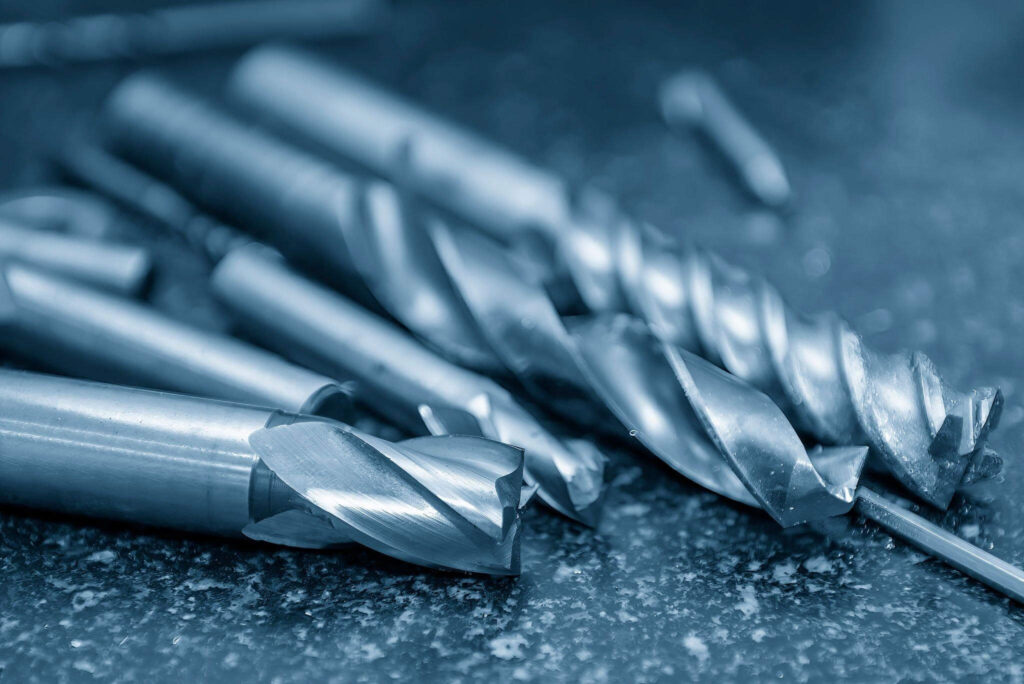
- End Mills: End mills are cylindrical cutting tools with cutting edges on the end and periphery. They are commonly used for milling operations to remove material from the workpiece.
- Drill Bits: Drill bits are used for creating holes in the workpiece. They come in various designs, such as twist drills and center drills, each suited for specific drilling applications.
- Turning Inserts: Turning inserts come in several shapes, including triangular, square, rhombic, and round. A compatible holder supports the insert during turning, typically while the workpiece rotates. Select the shape and geometry for access, edge strength, and the required operation.
- Reamers: Reamers are used to improve the accuracy and surface finish of drilled holes. They are commonly used in precision machining applications.
- Carbide Tools: Carbide describes a cutting material, not one tool construction. Tools may be solid carbide, carbide-tipped, or fitted with replaceable carbide inserts. Select the grade and geometry for the work material and operation; greater durability or suitability for every hard material is not guaranteed.
- Milling Inserts: Milling inserts are inserts with various cutting-edge geometries used in milling cutters to perform specific milling tasks, such as face milling, shoulder milling, and slot milling.
These are some of the common classifications of CNC cutting tools. Each type of tool is designed for specific machining tasks, and the selection of the right tool depends on the material being machined, the desired outcome, and the CNC machine’s capabilities.
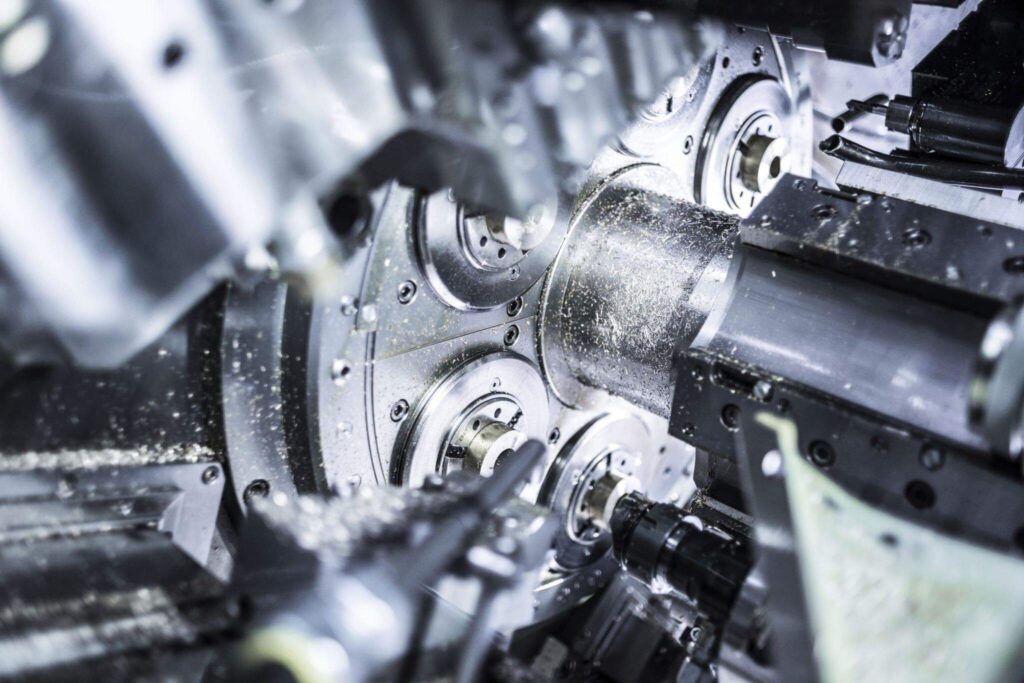
CNC Cutting Tools Characteristics
Compared with the tools used on ordinary machine tools, CNC tools have many different requirements, mainly with the following characteristics:
- Adequate rigidity, dimensional accuracy, resistance to vibration, and control of thermal deformation; compatible interfaces that support reliable tool changes;
- Long service life, stable and reliable cutting performance;
- The size of the tool is easy to adjust to reduce the time for tool change adjustment;
- The tool should be able to reliably break or roll chips to facilitate the removal of chips;
- Serialization and standardization to facilitate programming and tool management.
Mastering the Art of Tool Selection
Select tools and holders to suit machine capability, workpiece material, access, cutting conditions, and the required result. Use the shortest practical assembly that provides adequate reach and clearance, while meeting the holder’s clamping requirements. Verify the complete assembly rather than assuming a shorter holder alone guarantees rigidity.
- Understand the Material: Different materials require specific cutting tools. Metals, plastics, composites, and wood each have unique properties that impact tool selection. Consider factors such as hardness, abrasiveness, and heat resistance when choosing the appropriate tools.
- Choose Tool Geometry Wisely: The geometry of cutting tools significantly affects their performance. For example, selecting the right number of flutes in an end mill or the correct rake angle in a turning insert can impact chip evacuation, surface finish, and tool life.
- Cutting Speed and Feed Rate: Determine the appropriate cutting speed and feed rate for the material being machined. Optimal cutting parameters help maximize tool life and prevent premature wear.
- Tool Coatings: A suitable coating, such as TiN or TiAlN, can improve performance in its intended application. Effects on wear, friction, and heat depend on the coating, substrate, work material, and cutting conditions. Follow the supplier’s application guidance rather than assuming every coating improves lubricity or tool life.
- Rigidity and Stability: Ensure the CNC machine setup and tool holder provide adequate rigidity and stability during cutting operations. Vibration and chatter can lead to poor surface finish and tool damage.
- Tool Diameter and Length: Select the right tool diameter and length to match the machining requirements. Too small a diameter may lead to tool breakage, while too long a tool may cause deflection and accuracy issues.
- Consider the Cutting Path: For complex shapes and contours, using ball nose end mills or other specialized tools can help achieve precise results. Analyze the tool’s suitability for the cutting path required in the CNC program.
- Tool Material: HSS and cemented carbide are common cutting materials. Suitable carbide grades can provide high wear resistance, while HSS can offer useful toughness. Select the material and grade for the specific workpiece and operation rather than choosing on hardness alone.
- Tool Life and Cost: Evaluate the balance between tool life and tool cost. Sometimes, investing in more expensive, longer-lasting tools can be cost-effective in the long run.
- Test and Optimize: Perform test cuts and analyze the results to fine-tune your tool selection and cutting parameters. Continuous optimization will help you achieve better efficiency and accuracy.
- Stay Updated: Keep abreast of new cutting tool technologies and innovations. Manufacturers regularly introduce advanced tool designs and coatings that can improve machining performance.
Proper Installation for Peak Performance
How should a cutting tool and holder be assembled and loaded into the machine? Follow the instructions for the specific clamping system, machine interface, and tool-change arrangement, including the following checks:
- Use the shortest practical tool overhang that provides the required reach and clearance. Excessive overhang increases deflection and vibration risk. Maintain the holder’s required clamping length and check that the tool and holder clear the workpiece, fixtures, and machine throughout the programmed motion.
- Use the specified clamping procedure for the holder type. Where screws or nuts have a prescribed tightening torque, apply that value with suitable equipment; do not judge tightness by feel. Hydraulic, shrink-fit, collet, and other systems have different requirements, so follow the relevant manufacturer’s instructions.
- Assign tool positions and magazine pockets according to the machine’s rules, tool envelope, and machining sequence. Verify tool identity, offsets, and any adjacent-pocket restrictions; shorter tool-change time must not override these requirements.
- Check clearance for the complete tool and holder assembly during loading, tool changes, and programmed motion. Include adjacent tools, fixtures, and machine components, with particular attention to long drills, boring bars, and internal-thread tools.
Elevate your machining efficiency and precision with the right selection and installation of CNC cutting tools. Understanding the classifications, selection, and proper usage will empower you to achieve exceptional results in your machining endeavors. Maximize your productivity and stay ahead in the competitive manufacturing landscape. Are you ready to unleash the power of CNC cutting tools?
Tagged tech news