


Upcut vs. Downcut Router Bits: Choosing the Right One for Wood Projects
In woodworking, choosing the right router bit is very important for the quality of the cut and the efficiency of the work, and it can be difficult to pick the right tool for your job when there are so many options in woodworking. Here’s a question our Sundi engineers hear weekly: “What’s the real difference between up-cut and down-cut router bits?” Due to the difference in the direction of the cutting edge, the upcut router bit and the downcut router bit are each designed for a specific application to achieve different cutting results. Therefore we have written this article explaining the difference between up-cut and down-cut router bit to help you choose the right woodworking tool for you to get the perfect finish.
Contents

The Differences Between Up Cut and Down Cut Router Bits
Up Cut Spirals router bits

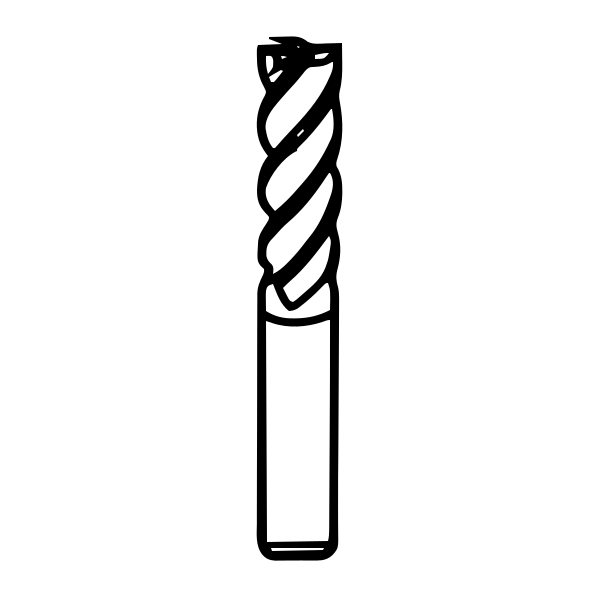
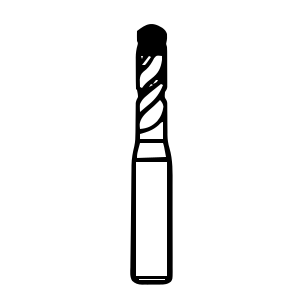
An up-cut spiral router bit directs chips toward the shank when used in its specified rotation. This can help clear chips from grooves and mortises. It tends to favor the lower edge in through-cuts, but a clean underside is not guaranteed; material, support, and tool condition still matter.
The upward cutting force can lift surface fibers or a poorly secured workpiece. Top-edge tear-out is a risk, particularly with veneers and layered stock. Check hold-down and edge quality rather than assuming that chip evacuation alone ensures a clean cut.
Down Cut Spirals router bits

Down-cut spiral bits direct chips away from the shank and apply downward cutting pressure. They can help protect the top face during routing or trimming of veneered and laminated panels. They are not polishing tools, and they do not guarantee a tear-out-free surface.
Down-cut tools need an adequate path for chips to escape. Chips can pack in a blind groove, increasing recutting and heat. Select feed, RPM, and pass depth from the specific tool’s guidance; a slower feed or frequent pauses are not universal requirements. Check evacuation carefully before choosing a down-cut tool for a deep cut.
Key Differences
Reading this, I believe you have a clear understanding of upcut and downcut router bits, then we list the differences between them in detail:
Chip Removal
Up-cut geometry moves chips toward the shank; down-cut geometry moves them toward the tip. Choose the direction that suits the cut and available clearance. Do not identify the tool solely from the apparent left-to-right slope in a photograph.
Material Handling
Both styles are available for different woods and other materials. Select a material-specific tool, then consider which face needs protection, how the part is held, and where the chips can escape. Chip-flow direction alone does not establish material compatibility.
Operation Scenarios
Up-cut tools are often useful where groove or mortise evacuation is important. Down-cut tools may suit top-face-sensitive trimming or shallow routing when chip clearance is adequate. These are selection considerations rather than exclusive uses.
Tool Longevity
Chip packing and recutting can increase heat and wear, but neither spiral direction guarantees a longer life. Compare tool condition under the intended material, feed, RPM, depth, and extraction conditions.
Which bit is right for your project?
The choice of up or down cut router bits depends on the needs of your project.
Consider an up-cut tool when chip evacuation is the priority, and a down-cut tool when protecting the top face is important and chips can escape. For laminated-panel through-cuts requiring clean edges on both faces, consider a Compression Router Bit with a geometry and cutting position matched to the panel thickness.

A conventional compression router bit has an up-cut section near the tip and a down-cut section nearer the shank. For a through-cut, position the transition within the panel so the lower face meets the up-cut section and the upper face meets the down-cut section. Check the specified up-cut length, panel thickness, and final tip position. A shallow pass that engages only the up-cut section cannot provide down-cut action at the top face. This geometry can reduce fraying or delamination, but tool condition, support, and cutting parameters still matter. Select the entry strategy and pass depth within the tool and machine limits.
We hope this side of the article can provide you with some reference suggestions. Be sure to check out our full range of carpentry router bits to make sure you have the right tool for the job.