



Introduction
When it comes to profile milling in various materials, selecting the right ball nose end mill is crucial for achieving precision and efficiency. From metalworking to woodworking, the choice of tool plays a significant role in determining the outcome of your project. In this article, we will explore ten essential tips that will empower you to make informed decisions when selecting a ball nose end mill for profile milling in different materials. So, let’s dive in and discover the secrets of successful machining.

Understanding the Importance of Ball Nose End Mills
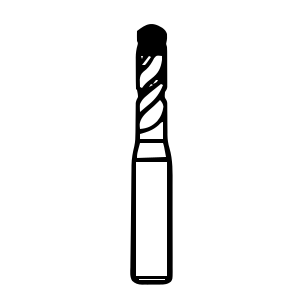
Before delving into the tips, let’s understand the importance of ball nose end mills in profile milling. These cutting tools are specifically designed to handle curved surfaces and intricate contours. Their rounded tip ensures smooth cutting and reduces the risk of chipping, making them ideal for producing complex shapes. Whether you’re working with metals, plastics, or wood, a well-chosen ball nose end mill can significantly impact the quality of your final product.
Tip 1: Material Compatibility Matters
The first and foremost consideration when choosing a ball nose end mill is compatibility with the material you are working with. Different materials have varying hardness levels and cutting properties, affecting tool wear and machining outcomes. For example, a high-speed steel (HSS) end mill may perform well on aluminum but wear out quickly on hardened steel. Research and select an end mill that suits the specific material you intend to machine to achieve optimal results.
Tip 2: Flute Count and Helix Angle
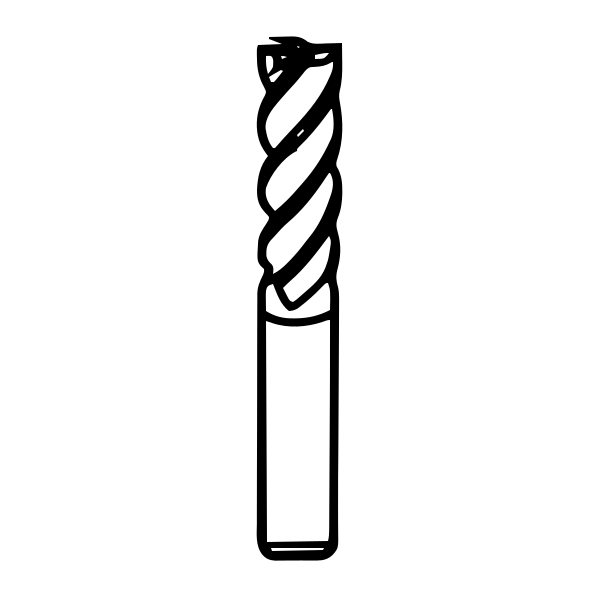
Choose flute count to balance chip space, tool strength, and the intended cut. For aluminum and other soft, gummy materials, fewer flutes generally leave more room for chip evacuation, especially in slots or heavier cuts. Higher flute counts can be useful in steel and in light-engagement finishing, provided chips can clear reliably. Do not select flute count from material hardness alone; consider engagement, feed per tooth, and the tool maker’s recommendations. Select helix geometry for the material and setup rather than assuming that a larger helix angle is always better.
Tip 3: Coating for Enhanced Performance
Choosing the right coating for your ball nose end mill can significantly enhance its performance and tool life. Coatings such as TiN, TiCN, TiAlN, and DLC provide increased hardness, lubricity, and heat resistance. These properties can help reduce friction and extend tool life, resulting in better performance and cost savings in the long run.
Tip 4: Diameter and Length
Selecting the appropriate diameter and length of the ball nose end mill is essential for precise profiling. Smaller diameters excel at detailed work, while larger ones are more suitable for roughing and material removal. Similarly, consider the length of the end mill, as longer tools may exhibit more deflection, affecting accuracy. Balance your requirements to find the optimal combination of diameter and length for your specific application.
Tip 5: Shank Type and Tool Holder
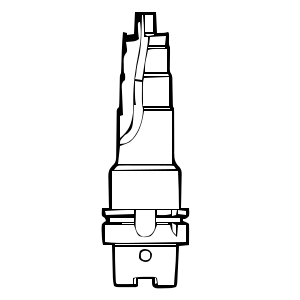
The shank type of the end mill and the corresponding tool holder play a crucial role in stability and rigidity during machining. Different shank types, such as straight shanks or tapered shanks, offer varying degrees of tool support. Additionally, consider using hydraulic or shrink-fit tool holders for improved gripping and vibration damping, leading to better surface finishes and dimensional accuracy.

Tip 6: Radial and Axial Rake Angles
For profile milling with a ball nose end mill, rake geometry influences cutting forces, chip formation, and edge strength. A positive cutting geometry can reduce cutting forces, but it does not by itself prevent chatter. Do not choose a negative radial rake solely because the material is prone to work hardening. Instead, use a geometry recommended by the tool maker for the material and operation, balancing a clean cutting action with sufficient edge strength. For ball nose profile milling, follow the application guidance for the specific cutter rather than applying a universal radial or axial rake-angle rule.
Tip 7: Speeds and Feeds
To achieve optimal performance and tool life, it’s essential to determine the right speeds and feeds for your ball nose end mill. Proper cutting speeds prevent overheating and tool wear, while suitable feed rates ensure efficient material removal. Consult the manufacturer’s recommendations and perform trial runs to find the ideal speeds and feeds for your specific application.
Tip 8: Consider Tool Runout
Tool runout, or the wobbling motion of the end mill during rotation, can negatively impact the precision of your milling operations. Ensure that your machine’s spindle, collet, and tool holder are properly aligned to minimize runout. This will help maintain accurate dimensional tolerances and a smooth surface finish on your machined parts.
Tip 9: Regular Tool Maintenance
Frequent tool maintenance is vital for extending the lifespan and performance of your ball nose end mill. Clean the tool regularly to remove chips and debris that may lead to premature wear. Additionally, inspect the tool for signs of damage or excessive wear, and replace it when necessary to ensure consistent and high-quality results.
Tip 10: Seek Expert Advice
If you are new to profile milling or uncertain about the best choice for your application, don’t hesitate to seek advice from experienced professionals or reputable suppliers. Their insights and expertise can prove invaluable in selecting the right ball nose end mill and optimizing your milling operations.

FAQs
**Q:** How can I determine the best end mill for a specific material?
**A:** Research the material’s hardness, cutting properties, and consult with tooling experts or manufacturers to recommend the most suitable end mill for your application.
**Q:** Are ball nose end mills suitable for roughing operations?
**A:** While ball nose end mills are more commonly used for finishing and profiling, they can be used for light roughing operations in softer materials.
**Q:** Can I use the same end mill for different materials?
**A:** It is recommended to use different end mills for different materials to ensure optimal performance and avoid premature wear.
**Q:** What is the significance of tool coatings?
**A:** Tool coatings provide enhanced hardness, lubricity, and heat resistance, leading to improved performance and longer tool life.
**Q:** Can I use a ball nose end mill on a manual milling machine?
**A:** Yes, you can use a ball nose end mill on a manual milling machine, but CNC machines offer better precision and efficiency.
**Q:** How often should I perform maintenance on my end mills?
**A:** Regularly clean and inspect your end mills after each use and replace them when signs of excessive wear or damage are evident.

Conclusion
Choosing the right ball nose end mill for profile milling in different materials is a critical factor in achieving successful machining results. Consider the material compatibility, flute count, coating, diameter, shank type, and rake angles to optimize your milling performance. Proper speeds and feeds, tool maintenance, and seeking expert advice are equally crucial for consistent and high-quality machining outcomes. By implementing these ten tips, you can elevate your machining capabilities and ensure precision in all your milling projects.