





5 Reasons Why CNC Machining is a Top Career Choice in 2026
The manufacturing industry is one of the constantly growing industries. There is a strong demand for skilled professionals in this field. Among these in-demand roles, CNC machining stands out as a reliable career path.
In this article, we will explore the career trajectory of CNC machining, including its job prospects, pay range, and growth opportunities in 2026.
Contents
Overview of CNC Machining
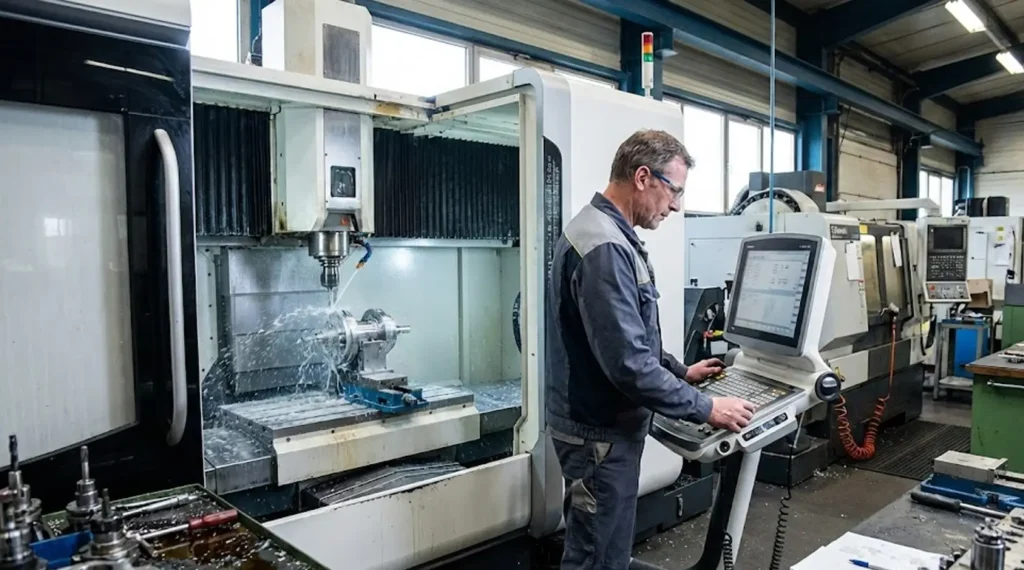
CNC machining (Computer Numerical Control) is a manufacturing process that has been used for several decades. In CNC, pre-programmed softwares are used to control machine tools to produce precise parts. It is an automated process with extreme accuracy.
CNC router machines can work with versatile materials, including:
- CNC Metal
- CNC Plastic
- CNC Wood.
They are used to make components for diverse industries, including aerospace and medical. It is safe to say that CNC is the backbone of manufacutring industry, supporting a wide range of sectors.

Common Career Paths in CNC Machining
The field of CNC machining offers several career options. There is a lot of room to grow in this field. You can start at an entry-level position and work your way up to technical or management roles. This industry requires people with a different skill set. This flexibility provides opportunities to people with different levels of experience.
Some common jobs associated with CNC machining are:
- CNC Machine Operators: These individuals operate CNC machines, monitor the machines during production, and perform basic machine adjustments. Most people start their careers in CNC machining as operators.
- CNC Machinists: CNC machinists perform more complicated setups and interpret technical engineering drawings. They also solve problems with the CNC machines and manufacturing process. This requires more experience than machine operation.
- CNC Programmers: CNC programmers create the programming code that tells the CNC machines how to perform various machining tasks. The pay for this position is typically higher than that of machine operators, and it may allow for some work-from-home opportunities.
- Quality Inspectors: Quality inspectors examine completed machined parts to ensure that the parts do not have any defects and meet the required specifications.
- Process Engineers: Process engineers develop and implement methods of improving the efficiency of manufacturing processes while reducing waste.
5 Reasons Why CNC Machining is a Top Career Choice in 2026

High Demand
The manufacturing industry is continuously growing, and that is not changing any time soon. With this growth, the job opportunities are also increasing. The global CNC machine market is projected to reach around $129 billion by 2026, indicating a substantial increase in demand.
What is the reason for this increased demand? Several industries, such as aircraft, automotive, medical device, and defence, all rely heavily on CNC Machining to produce their finished goods. The quarter of the current workforce has reached or is near retirement. This will result in a greater number of job openings.
Job Stability
CNC machining provides solid job stability. Despite advancements in automation, the CNC Machining industry relies heavily on skilled workers with the ability to program, operate, and maintain CNC equipment. The demand will not dry up because CNC is vital for various industrial sectors.
High Paying
CNC machining jobs pay pretty well, especially considering the fact that you don’t need a 4-year degree to get started. The mid-range pay for a CNC Machinist is between $27 to $32 per hour, which equates to a yearly salary of approximately $57,600 to $66,862.
It also depends on the geographic area and work history. As you gain experience and move into specialized roles, the pay goes up.
Low Barrier to Entry
The fact that there is no college degree required to start in CNC Machining is an advantage to many. Many people enter the field of CNC Machining through either Technical Colleges, Community Colleges, and/or using Apprenticeship Programs, usually lasting from a few months to two years in duration.
Career Advancement
There are clear pathways of advancement within the industry of CNC Machining. One may begin as an operator and continue to progress into different CNC machinist roles. Eventually, becoming a CNC Programmer.
In addition to career advancement, there exists a plethora of management opportunities within CNC Machining. Many people who are experienced CNC machinists transition to CNC production managers & CNC factory managers, controlling and overseeing projects. The skills gained through CNC Machining are transferable; you are not tuck in one specific job.
Conclusion
With high demand, CNC machining will remain a good career choice in 2026, providing good wages and opportunities for professional development. CNC machining also provides multiple points of entry and career advancement options that do not require a 4-year degree.
FAQs
Is CNC machining a good career?
A career in CNC Machining is an excellent option with job secuirty high earning potential. There is currently a great demand for CNC Machinists and offers opportunities for growth in the industry. You don’t even need to complete four years of university education before beginning work.
How much do CNC machinists earn?
CNC machinists make anywhere from $57,600 to $66,862 per year. With more experience will come higher wages, and machinists moving into programming and specialized jobs can earn over $70,000 annually. It also varies with geographic location.
What qualifications do I need to be a CNC machinist?
You may enter this field with only a high school diploma and receive technical training. Most employers will offer an apprenticeship program or provide on-the-job training that includes both practical application and classroom instruction.
Will AI replace CNC programmers?
Artificial intelligence (AI) will be beneficial to CNC programmers but will not replace them completely. Machines cannot perform the critical thinking and skilled experience necessary to develop solutions for complex manufacturing problems.
How to start a career in CNC?
Start by locating technical colleges and community colleges that offer CNC Training Programs. Then, gain work experience by searching for potential apprenticeships or entry-level operator positions. Once hired, the employer will provide you with training while you earn an income.