










Choosing the Right Tool: Bull Nose End Mill vs Ball Nose
The results of CNC machining vary greatly depending on the type of tools you use. There are a lot of intricacies involved in the selection of the tools. Two commonly used end mills are bull nose and ball nose end mills. This article discusses the major differences between them and how to choose the correct one based on your requirements.
Contents
Understanding the Bull Nose And Ball Nose End Mill
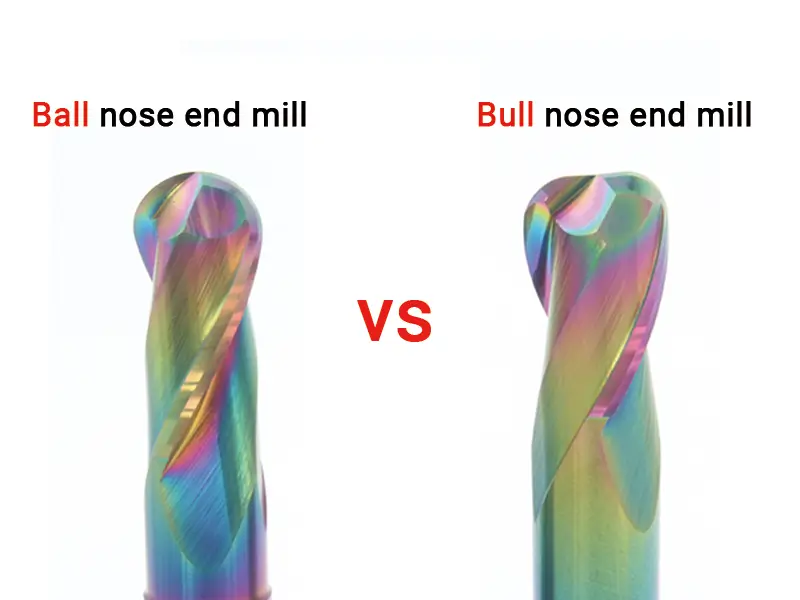
Before we dive into the specific details of both tools and how they differ, let’s briefly understand both tools. The main use of both tools is the same, that is cutting the metal in CNC machining. However, despite this, there are some major differences between them. These tools directly impact the surface finish and overall result quality.
Bull Nose End Mill
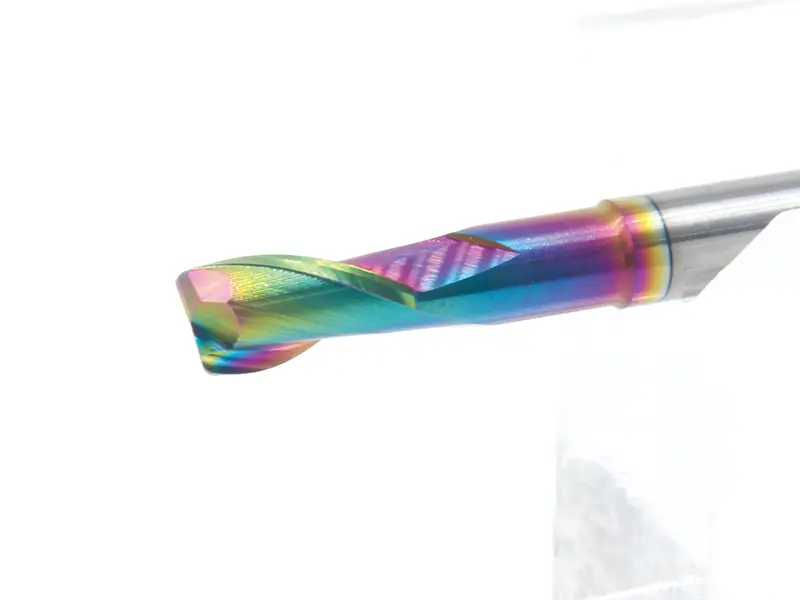
Bull nose end mills have a flat bottom with rounded corners. Also known as Corner Radius end mill. This design features the combination of flat and ball end mills. It’s basically a hybrid tool. It is used for creating flat surfaces with rounded corners.
Ball Nose End Mill
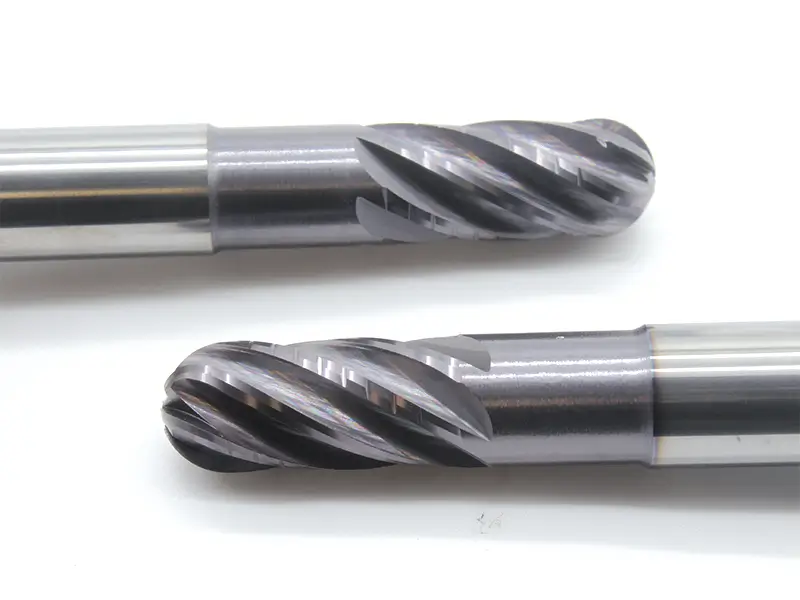
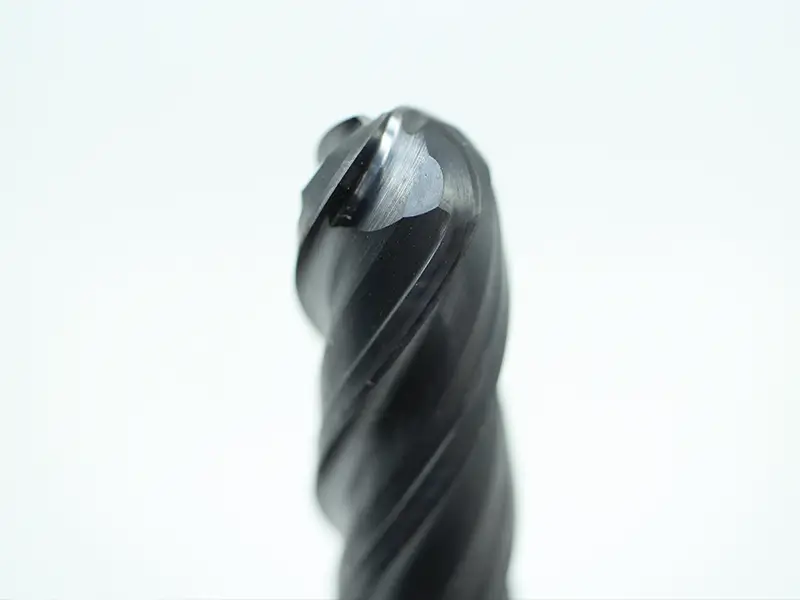
A ball nose end mill has a rounded tip. The shape of the ball nose allows it to cut smoothly along the curved surfaces. It is used for creating 3D and contoured surfaces.
Bull Nose End Mill vs Ball Nose: Key Differences
Tool Geometry
- Bull Nose End Mill: The name of the bull nose comes from its rounded corners. A bull nose, or corner-radius, end mill combines a flat end profile with a radius at each outer corner. The corner radius is smaller than half the cutter diameter. The remaining flat span depends on the selected diameter and corner radius; there is no fixed percentage that defines all bull nose cutters. Check the specific tool drawing for dimensions and tolerances.
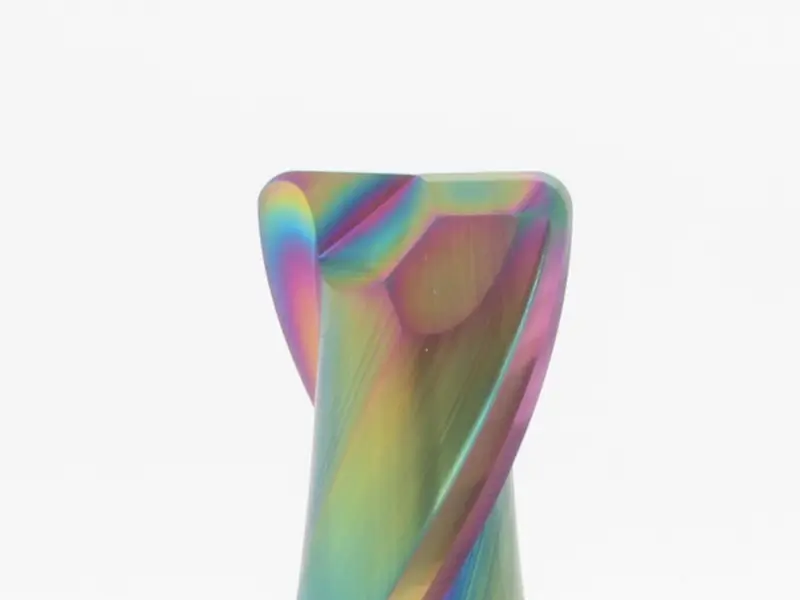
- Ball Nose End Mill: A conventional ball nose end mill has a hemispherical end profile without a flat bottom. The engaged part of the cutting edge changes with the surface, toolpath, and tool orientation; cutting is not necessarily confined to the center tip.
Surface Finish
- Bull Nose End Mill: A bull nose end mill can machine flat areas and radiused transitions when its corner radius matches the required feature. A rounded transition is different from a straight chamfer. For a specified chamfer angle, choose a suitable chamfer cutter or a toolpath designed to produce that feature. Finish still depends on the setup and cutting conditions.
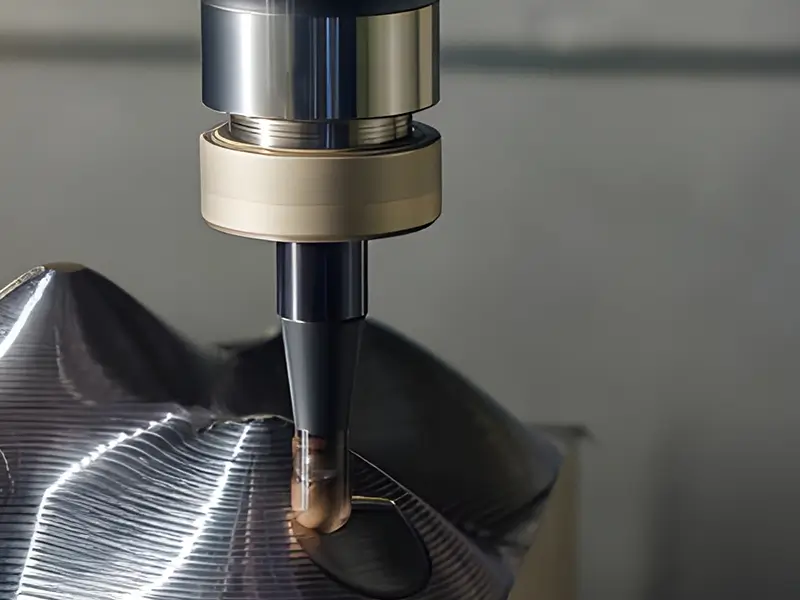
- Ball Nose End Mill: A ball nose end mill is commonly used to finish curved and three-dimensional surfaces. Adjacent passes can leave scallops, so select the stepover and toolpath to meet the required finish. The ball profile alone does not guarantee a mark-free surface or make it the only possible tool for every curved feature.
Applications
- Bull Nose End Mill: A Bull nose end mill is used for pocketing, grooving, and slotting operations. If your project requires slots that don’t have sharp edges, then use bull nose end mills. In general milling operations like cutting and finishing, bull nose end mill is widely utilized.
- Ball Nose End Mill: Ball nose end mills are commonly used for three-dimensional contouring in mold and die work and for curved features such as turbine blades. Select the cutter size and toolpath to suit the surface geometry and access requirements.
Material Compatibility
- Bull Nose End Mill: Bull nose end mills are available in designs for different work materials. A corner radius can strengthen the outer corner compared with a sharp square corner, but a flat end does not by itself establish material compatibility or wear resistance. Select the grade, coating, and cutting geometry for the material and operation.
- Ball Nose End Mill: Ball nose end mills are available for aluminum, steels, and other materials, including hardened-steel applications with appropriately designed tools. Match the specific cutter to the material rather than selecting from the ball shape alone. For plastics and composites, use material-specific tooling and process guidance; a rounded tip does not guarantee freedom from cracking or other damage.
Chip Removal
- Bull Nose End Mill: For bull nose end mills, chip evacuation depends on flute space, cutting engagement, feed, and coolant or air delivery. The flat end profile alone does not guarantee large chips or efficient evacuation. Select a cutter and cutting conditions that allow chips to leave the cut without packing or recutting.
- Ball Nose End Mill: For ball nose end mills, evaluate chip evacuation at the actual contact region and along the programmed toolpath. Do not assume that the ball profile always produces finer chips or poorer evacuation. Use the specific tool maker’s cutting data and check for chip recutting in the application.
Cost And Tool Life
- Bull Nose End Mill:Compare purchase price and usable tool life for specific cutters under comparable conditions. Diameter, grade, coating, tolerances, and application requirements all matter. The bull nose profile alone is not sufficient to claim a lower cost or a longer life than a ball nose tool.
- Ball Nose End Mill: Ball nose tool life depends on the actual contact region and cutting conditions. Cutting speed approaches zero at the center, which can make center contact unfavorable. Where the part geometry and machine allow it, suitable tool orientation can move cutting away from the center. This does not mean that all cutting force acts at the tip or that every ball nose cutter has a shorter life or a higher cost.
Choosing the Right Tool For Your Project
When deciding between a bull nose end mill and a ball nose end mill, you should consider the shape, detail, and finish. Both tools have specialized functions in CNC machining. Your choice between them can greatly affect your machining speed and surface finish.
When to Select a Bull Nose End Mill:
If you are machining flat surfaces with corners that need to be rounded off, consider a bull nose end mill. Bull nose end mills are sturdy and perfect for the removal of cast material, and for roughing or semi-finishing of large surfaces. Bull nose end mills are great for surfaces related to molds and cavities.
When to Select a Ball Nose End Mill:
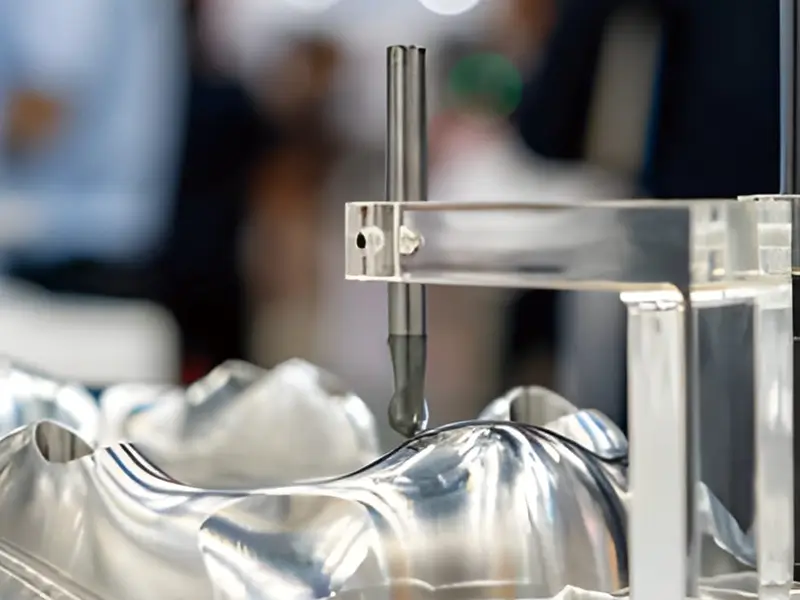
If you are machining three-dimensional surfaces or have complex contours to achieve, then the ball nose end mill is a better choice. Ball nose end mills create finer surface finishes and work better on detailed shapes, dies, or sculpted surfaces.
Conclusion
The choice of end mill determines the outcome of your work. Selecting the best tool will help you create a clean and precise product. The bull nose end mill is great for flat, strong surfaces. For smooth curves and detail, ball nose end mills are ideal.