





Technical Articles
CBN vs Carbide for Hard Turning: Compare Cost per Accepted Part
Purchasing sees the CBN quote next to a carbide insert and kills the trial before it starts, or the shop runs both tools at one speed and CBN "loses." Insert price is the wrong number, and a same-speed test is the wrong experiment. What decides the case is cost per accepted part on your actual hard-turning route. By the end of this article you'll know how to set up a fair trial, build the cost math, and tell when CBN pays off and when carbide should stay.
Contents
A fair test doesn't mean the same cutting speed
Lock the part requirement: workpiece material and hardness, geometry, stock allowance, interruption pattern, dimensional tolerance and required surface finish. Then give each tool material a suitable grade and edge preparation, running inside its own validated cutting window.
Run carbide at a CBN speed and you've built an overload test. Run both at a carbide speed and you hide the cycle-time gain that made CBN worth considering in the first place. Either way, the trial is wasted.
The same logic applies to continuous versus interrupted cuts. A grade chosen for wear resistance in a stable continuous cut can't be judged by the same yardstick as a grade chosen to survive repeated re-entry. Record the actual grade, edge preparation and application, not just "CBN" or "carbide."
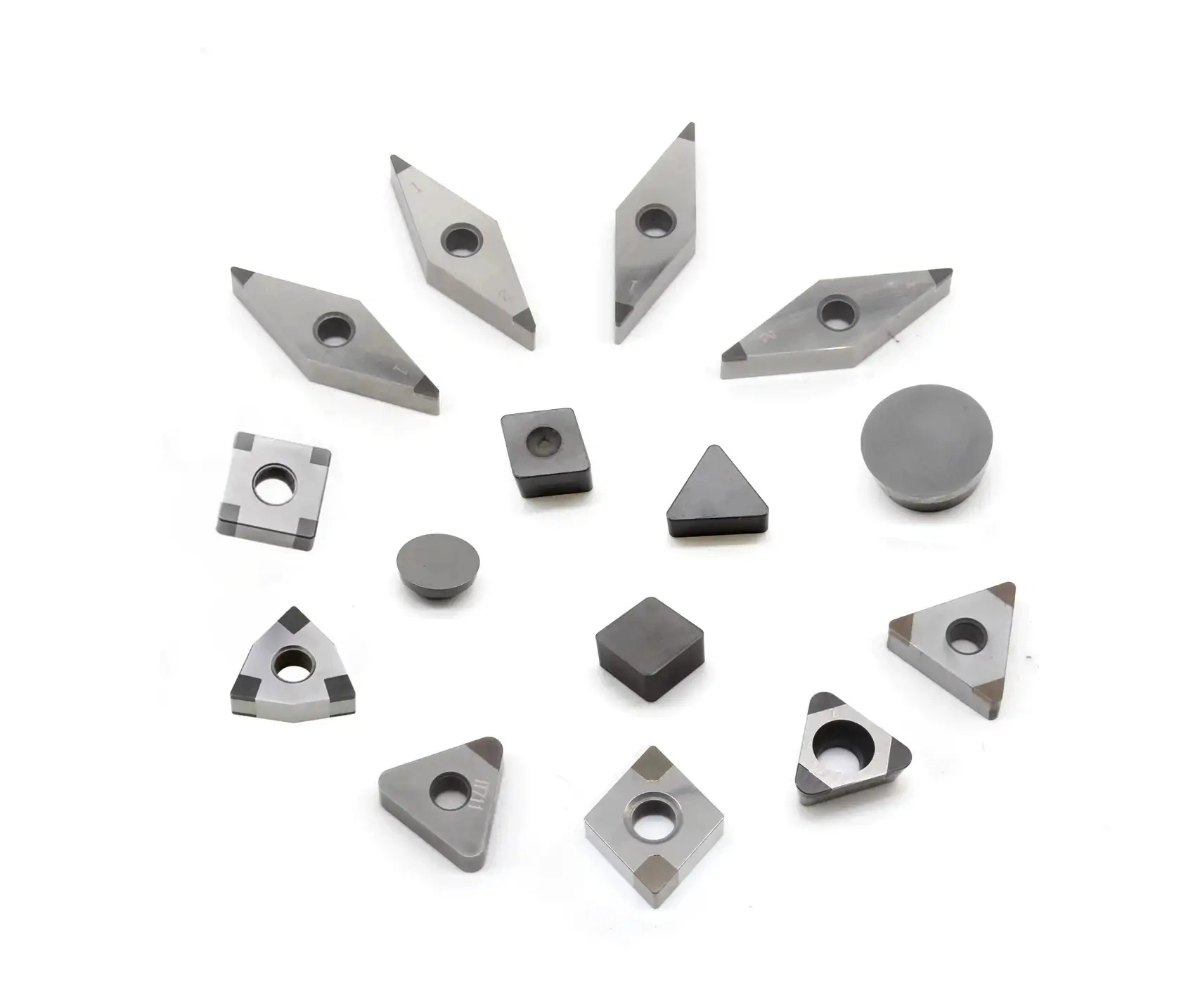
Once those conditions are known, the CBN turning-insert range is a starting point for the product discussion. Confirm the specific grade, edge preparation and application separately. A range page is a catalog, not proof of a cost advantage or a qualification for interrupted cutting.
Hold both routes to the same finished-part acceptance. An edge that's still physically intact after size or surface finish has drifted out of spec has already hit its usable life limit.
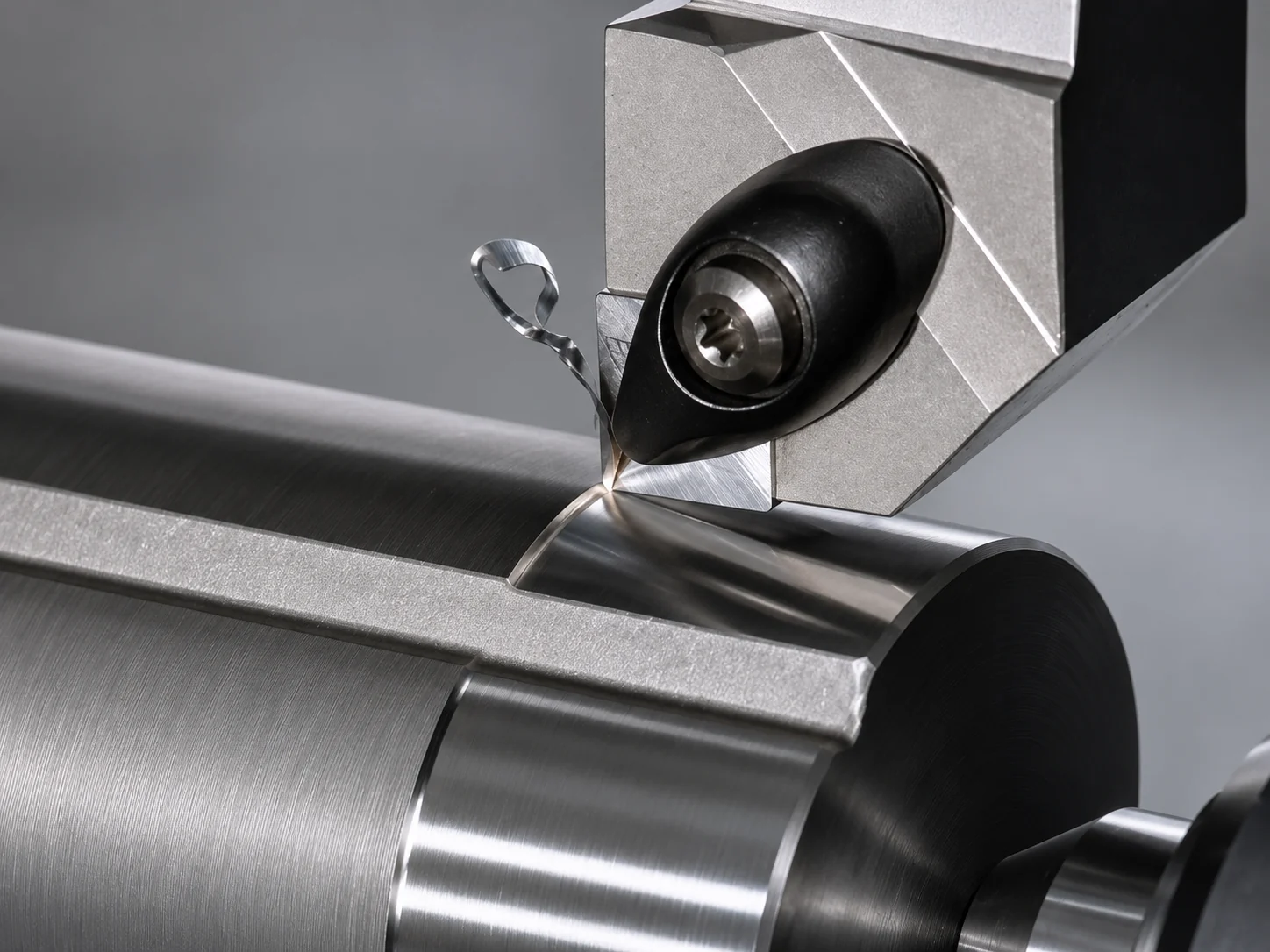
Measure accepted output, not just minutes of edge life
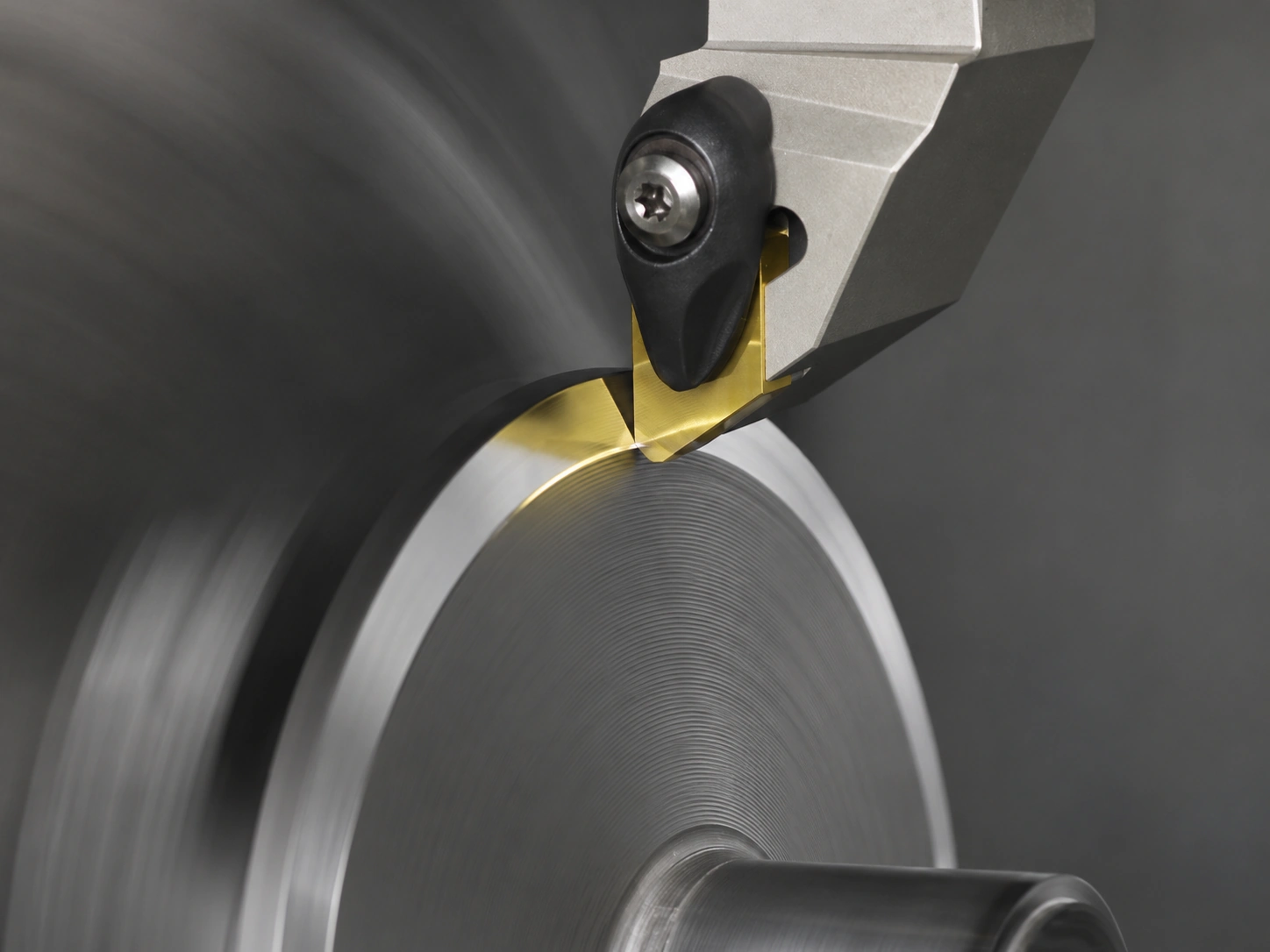
Two edges can show similar cutting life and still produce very different numbers of accepted parts per hour. The faster route can free up machine time; the slower route can burn cheaper tooling. Measure both effects.
Keep one comparison record per route:
| Record | Why it matters |
|---|---|
| Material, hardness, cut continuity, tool grade and edge preparation | Defines what application was actually tested |
| Cutting time per part and accepted parts per usable edge | Separates the cycle-time benefit from the edge-life benefit |
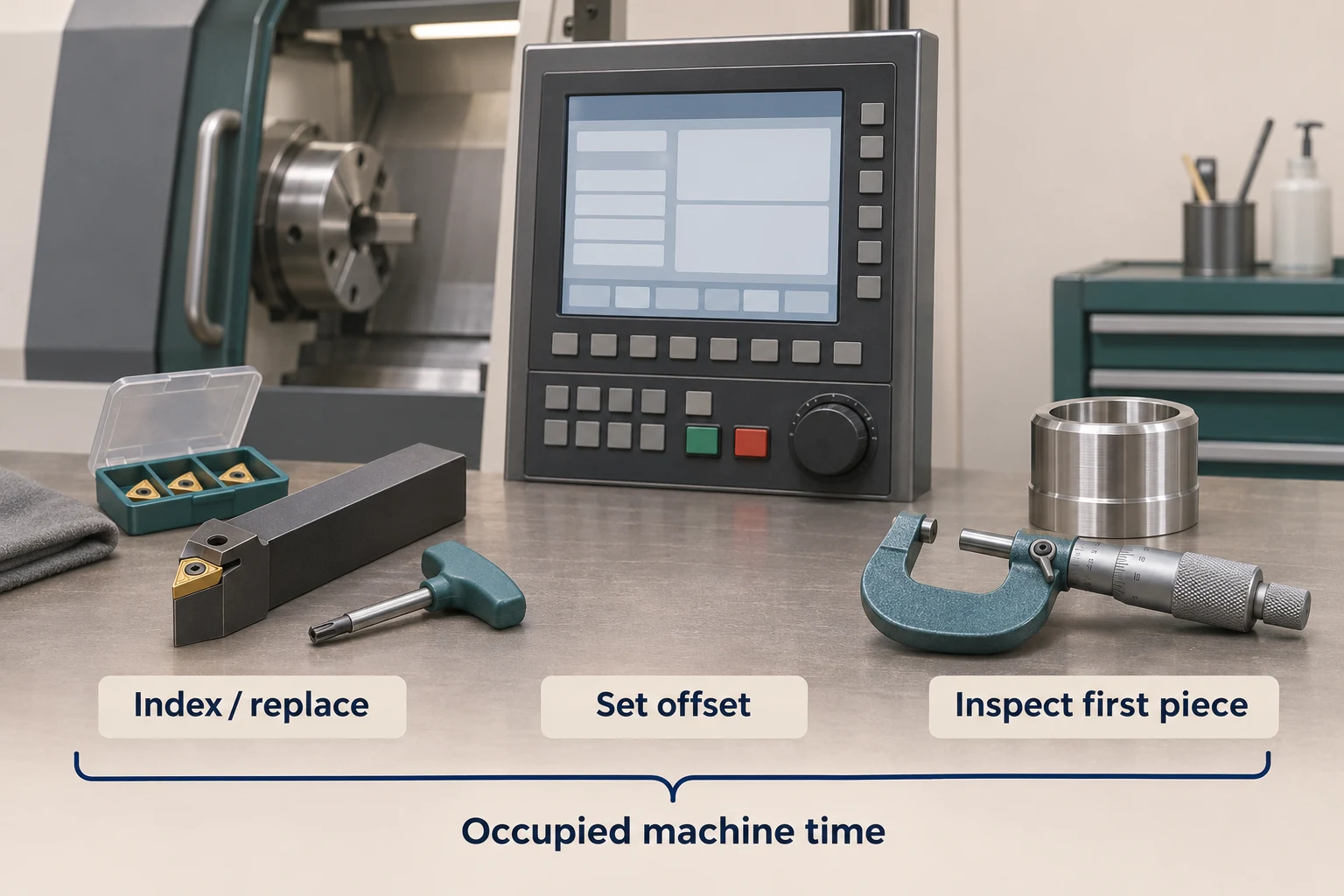
| Indexing/replacement, offset and first-piece inspection time | Captures the production interruption around every tool change |
| Edge failures, rejected parts and rework | Keeps a fast but unstable route from looking economical |
| Actual usable edges and consumed tool cost | Stops you from counting every theoretical insert corner as fully available |
Define the wear or quality endpoint before the trial starts. Inspect at intervals short enough to catch the moment you reach it, instead of finding the limit through a broken edge and a scrapped part.
Put both routes inside one cost boundary
A transparent, operation-level comparison looks like this:
Cost per accepted part = (T + R × M + L) / N
Where:
Tis the tooling cost consumed during the comparison period.Ris the agreed machine-and-labor rate in currency per minute.Mis occupied process time in minutes, under the same accounting boundary for both routes.Lis additional loss cost not already included in tooling or occupied time.Nis the number of accepted parts.
Put the same categories of cutting, tool-change, inspection and process-related downtime into M for both routes. If rework time is already in M, don't charge it again in L. Lost material or the value already built into a scrapped part can go in L, depending on your shop's costing method. Keep the boundary visible so neither route gets a hidden advantage.
Count consumed tooling honestly. An edge with life left at the end of a short test isn't fully consumed, but a few good cuts won't tell you how much life remains, either. Extend the test or report the uncertainty. Don't invent a precise lifetime from a short run.
Keep capacity value separate from cost savings, then make the call
A saved minute is worth different things on a bottleneck machine and on an underloaded one. On a constrained route, shorter accepted cycles can unlock more saleable output. On a machine with idle capacity, the same time cut may add no revenue and reduce no fixed cash cost.
Evaluate the capacity opportunity on its own. Never count the same saved minutes once as a full machine-rate saving and again as full additional profit without reconciling the assumptions.
For repeat production, confirm the result across enough representative edges and parts to expose tool changes and early failures. For a small batch, include the qualification effort and the risk of changing a process that already works.
Here's where the line falls:
High volume on a bottleneck machine: CBN earns its premium when it passes the quality gate and the measured cost per accepted part, or the released bottleneck capacity, covers the price difference.
Small batch where carbide already holds quality and delivery: stay with carbide. The lower purchase cost and simpler qualification make it the right call.
Keeping carbide is a valid outcome. Switching to CBN is a valid outcome. The right decision is the one your actual hard-turning route supports with measured data, not a blanket claim about which insert material always wins.