



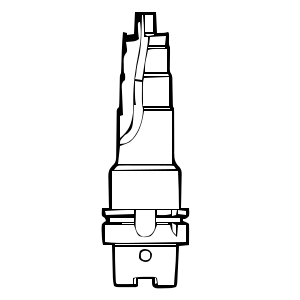


When it comes to precision cutting in various applications, Cubic Boron Nitride (CBN) cutters are among the most effective tools available. However, selecting the right CBN cutter for your specific application is crucial to achieving optimal results. In this comprehensive guide, we will walk you through the key factors to consider when choosing a CBN cutter to ensure that it perfectly suits your needs.
Understanding Cubic Boron Nitride (CBN) Cutters
Cubic boron nitride (CBN) is a very hard cutting material used in selected demanding machining applications. Suitable PCBN grades are widely used for hard part turning, but hardness alone does not establish compatibility with every difficult-to-machine alloy. Check the tool maker’s recommended work materials and operating conditions for the specific grade.
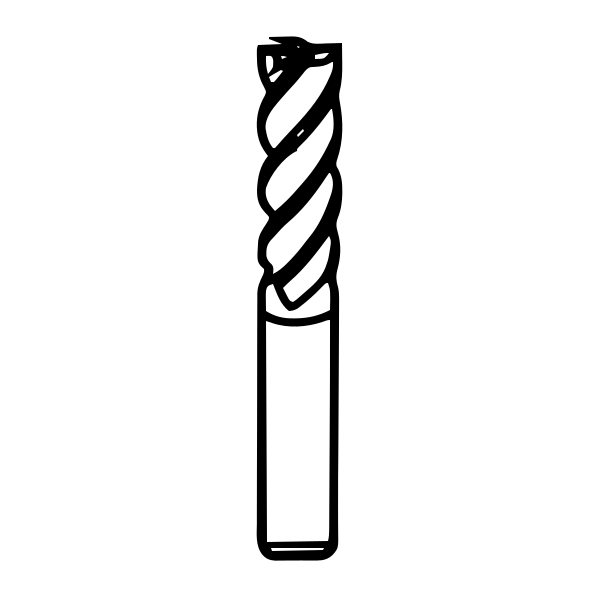
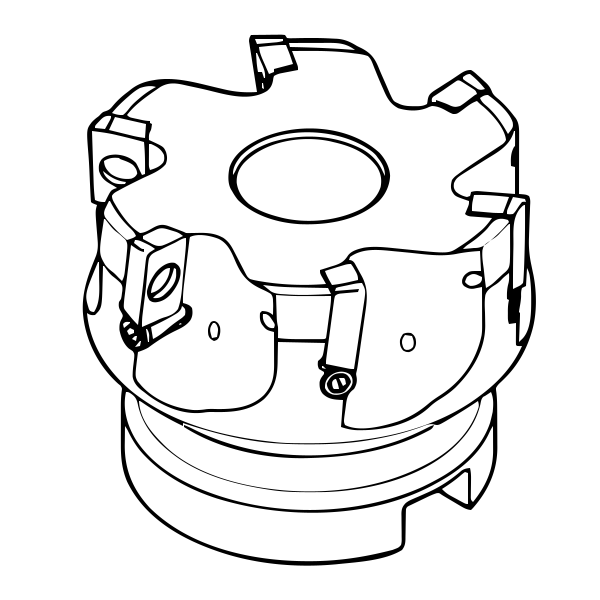
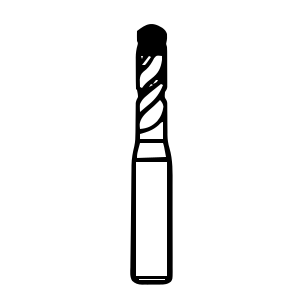
CBN cutters are available in various forms, including inserts, solid end mills, and brazed tools, among others. Each form has its own set of advantages and is suitable for specific applications. By choosing the right form of CBN cutter, you can significantly enhance the productivity and quality of your machining processes.
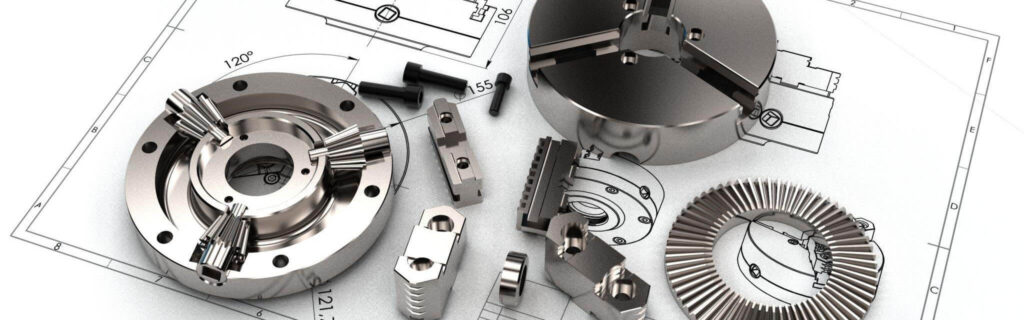
Factors to Consider When Selecting a CBN Cutter
- **Material Compatibility:**
Start with the work material, hardness, and cutting conditions. For hardened steel, select a CBN grade and edge preparation appropriate to the operation, including whether the cut is continuous or interrupted. Both coated and uncoated CBN inserts are available; a coating is not a universal requirement.
- **Cutting Speed and Feed Rate:**
The cutting speed and feed rate are critical parameters that directly impact the performance of a CBN cutter. To achieve the best results, you must choose a cutter that can handle the cutting speed and feed rate required for your application. It is essential to match these parameters with the capabilities of the CBN cutter to ensure efficient material removal and surface finish.
- **Cutter Geometry and Type:**
CBN cutters come in various geometries and types, such as single-point, multi-point, round inserts, and square inserts, among others. The choice of cutter geometry and type depends on factors like the complexity of your machining operation, the desired surface finish, and the material hardness. Understanding the specific requirements of your application will help you make the right choice.
- **Coolant and Lubrication:**
Some CBN hard-turning operations are performed dry; others use coolant for application-specific reasons. Follow the grade and operation recommendations rather than assuming coolant is always necessary. When coolant is specified, use the recommended delivery consistently and consider thermal cycling, chip control, and part quality.
- **Machine Compatibility:**
It is vital to ensure that the selected CBN cutter is compatible with your machining equipment. Check the cutter dimensions, mounting options, and tool holder specifications to ensure a seamless fit into your machinery.
- **Surface Finish Requirements:**
For a specified surface finish, match the grade, edge preparation, nose geometry, and cutting data to the application. Coated or uncoated tools may be suitable. Verify roughness, dimensional accuracy, and surface integrity before deciding that a secondary finishing operation can be removed.

Applications and Benefits of CBN Cutters
CBN cutters find applications in various industries, such as aerospace, automotive, energy, and medical, where high precision and durability are paramount. Some of the key benefits of using CBN cutters include:
- **High Hardness:** Appropriate CBN grades can machine hardened work materials, but consistent performance and usable tool life depend on grade selection and cutting conditions.
- **Improved Productivity:** By choosing the right CBN cutter, you can increase machining speeds and feed rates, leading to higher productivity and reduced cycle times.
- **Superior Surface Finish:** CBN cutters can achieve excellent surface finishes, reducing the need for additional finishing processes and saving time and costs.
- **Cost-Effectiveness:** Compare tool cost, usable edges, cycle time, tool-change time, and rejected parts for the actual process. Longer life or higher productivity can offset the purchase price, but savings are not guaranteed.
- **Versatility:** CBN grades and tool designs serve different applications. Confirm suitability for the particular material and operation rather than treating all CBN tools as interchangeable.
Conclusion
Choosing the right CBN cutter is crucial for achieving exceptional results in your machining applications. By considering factors like material compatibility, cutting speed, cutter geometry, coolant, and machine compatibility, you can select the perfect CBN cutter for your specific needs. Remember to prioritize the requirements of your application and aim for a cutter that enhances productivity, surface finish, and overall efficiency.
Use supplier recommendations and a controlled machining trial to confirm the selected CBN tool. Base the investment decision on measured part quality, usable tool life, and cost per acceptable part.
If you want to learn more information about the CBN cutter pls visit here