










To Master Thread Milling: Solving Common Issues with Precision
Thread milling, an intricate machining process, stands as a testament to precision engineering. It involves the creation of threads through a helical cutting path, which grants a unique advantage over conventional threading methods. Yet, the journey toward mastering thread milling isn’t devoid of obstacles. This in-depth guide delves into the complexities of thread milling, offering insights into achieving exacting results and navigating through potential setbacks.
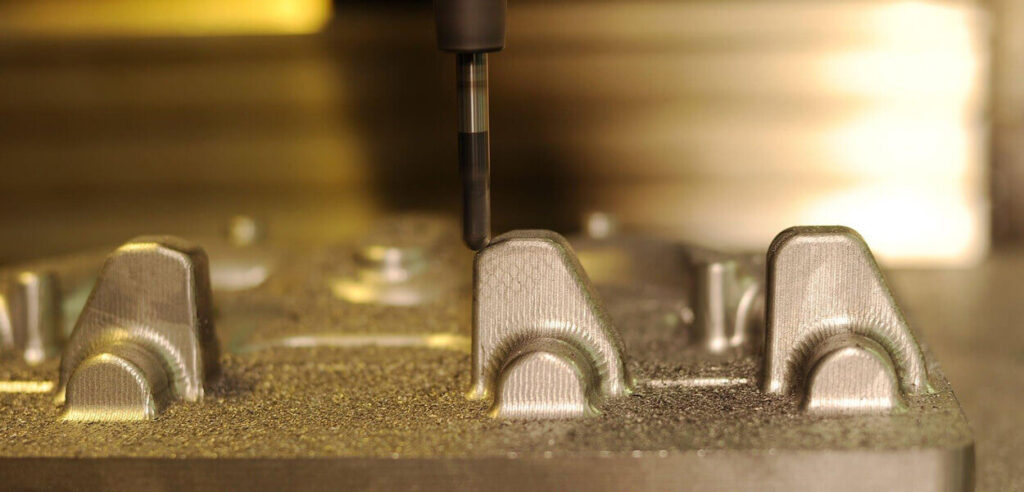
Thread Milling Basics
Thread milling is a machining process used to create threads on a workpiece. It involves using a cutting tool, typically with multiple cutting edges, to generate the desired thread pattern. This process is commonly used in manufacturing industries for producing threads on various components, such as screws, bolts, and other threaded parts.
Tooling: Thread milling employs a specialized tool called a thread mill. This tool resembles an end mill but is designed with multiple cutting edges along its circumference. These cutting edges are responsible for removing material and forming the thread profile.
Setup: To perform thread milling, the workpiece is securely fixed in place using clamps, vises, or other appropriate methods. The tool is then aligned with the workpiece at the desired thread starting point.
Axis Movement: In conventional CNC thread milling, the cutter rotates about its own axis while its center follows a circular path coordinated with axial movement. This helical interpolation generates the thread lead; for a single-start thread, one circuit advances by one pitch. Axial movement alone does not generate the helix. A stationary cutting tool cutting a rotating workpiece describes thread turning rather than this milling process.
Feed and Speed: Select feed rate and rotational speed (RPM) from the tool supplier’s data for the material, tool diameter, engagement, and thread geometry. Distinguish cutting-edge feed from programmed tool-center feed when applying circular interpolation corrections. Coordinate axial travel with the required thread lead; spindle RPM alone does not set thread pitch.
What Is The Importance of Precision
Precision in thread milling means meeting the specified thread size, form, lead, location, and fit requirements. These influence assembly and performance, but accurate threads alone do not guarantee sealing, connection strength, or uniform stress distribution. Inspect the relevant dimensions and functional requirements using an appropriate thread inspection method.
Common Issues in Thread Milling
Chip Formation and Disposal:
Problem: Improper chip formation can lead to tool jamming, poor surface finish, and tool wear.
Solution: Check chip formation, available flute space, and clearance in the prepared hole. Use suitable cutting parameters and coolant or air delivery as recommended for the tool and material. Peck drilling is a hole-making cycle, not a general remedy for chip evacuation during the thread-milling path.
Tool Breakage:
Problem: Tools can break due to excessive feed, incorrect tool engagement, or material hardness.
Solution: Check tool suitability, runout, overhang, hole preparation, and radial engagement. Set cutting speed and feed per tooth for the actual material and tool. Reduce engagement or use additional passes when recommended; do not simply lower feed for every harder material, since insufficient chip thickness can cause rubbing.
Material Adhesion During Cutting and Thread Galling:
Problem: Material adhering to the cutting edge can form built-up edge and damage the machined thread surface. This is distinct from galling between mating threads during assembly or service, where sliding contact can cause adhesive damage and seizure.
Solution: For cutting-edge adhesion, review cutting speed, edge condition, tool geometry, coating, and suitable lubrication. For galling of assembled threads, assess the mating materials, surface condition, lubrication, and assembly requirements. Changing a material or assembly lubricant must remain consistent with the component specification.
Poor Thread Finish:
Problem: Inadequate surface finish can result from improper tool geometry, worn tools, or incorrect feeds and speeds.
Solution: Choose appropriate tool geometries, replace worn tools, and adjust feeds and speeds for optimal finish.
Thread Inaccuracy:
Problem: Threads that are out of tolerance can occur due to tool wear, incorrect programming, or machine inaccuracies.
Solution: Regularly inspect and replace worn tools, validate programming, and ensure machine calibration.
Vibrations and Chatter:
Problem: Vibrations during thread machining can lead to poor surface finish, reduced tool life, and inaccuracies.
Solution: Stabilize workpiece setup, use vibration-damping tool holders, and adjust cutting parameters to minimize chatter.
Workpiece Material Variability:
Problem: Inconsistent material hardness can lead to uneven cutting, affecting thread quality.
Solution: Use tools designed for varying material hardness, ensure proper material selection, and monitor tool wear.
Tool Wear:
Problem: Premature tool wear can result from high cutting temperatures, abrasive materials, or inadequate tool coatings.
Solution: Optimize cooling strategies, use wear-resistant coatings, and adjust cutting parameters to reduce wear.
Tool Runout and Thread-Axis Location:
Problem: Cutter runout is variation in the rotating cutting edges relative to the spindle axis and can cause uneven tooth loading or size errors. Thread-axis location is a separate requirement measured relative to the specified datums; it need not coincide with the overall workpiece axis. The term thread runout can also refer to the incomplete thread transition at the end, so identify the actual defect before troubleshooting.
Solution: For cutter runout, inspect and clean the tool and holder interfaces, check clamping, and measure runout appropriately. For thread-axis location errors, check workholding, datums, work offsets, and the programmed center. For an incomplete end thread, check tool clearance, programmed travel, and the specified full-thread length.
Thread Profile Depth and Full-Thread Length:
Problem: Radial thread profile depth and axial full-thread length are different dimensions. Deflection, wear, or incorrect radial compensation can affect thread size and profile; incorrect axial travel, tool reach, or bottom clearance can limit the full-thread length.
Solution: Identify which dimension is out of tolerance. Verify the tool profile, diameter compensation, engagement, and measured thread size for radial errors. Verify axial coordinates, usable cutting length, and bottom clearance for full-thread length errors. Use adequate tool support and the shortest practical overhang.
Regular tool maintenance, comprehensive training, and diligent monitoring of machining processes are key to addressing these common problems in thread machining effectively. Always adapt solutions to suit your specific circumstances for optimal results.
FAQs - Frequently Asked Questions
Q: Can thread milling replace traditional tapping methods?
A: Thread milling can replace tapping in suitable applications, but it is not inherently more accurate. Compare achievable thread quality, material compatibility, access, machine capability, cycle time, and cost. Both processes can meet tight tolerances when correctly selected and controlled.
Q: What types of threads can be created through milling?
A: Thread milling’s versatility extends to producing metric, unified, and customized threads.
Q: How can I prevent chip clogging during thread milling?
A: Employing effective chip evacuation techniques and strategic coolant strategies is key to averting chip clogging.
Q: Is thread milling suitable for high-volume production?
A: It can suit either small or large production runs. Evaluate cycle time, tool life, inspection results, flexibility, and total cost against tapping or other suitable processes. Precision requirements alone do not determine the appropriate production volume.
Q: Can I thread mill both internal and external threads?
A: Yes, with a cutter geometry, size, clearance, and program suitable for the specified internal or external thread. Do not assume that every thread mill is approved for both applications.
Q: What advantages do specialized thread mills offer?
A: Specialized thread mills, engineered for specific applications, provide optimized geometries that translate into enhanced results.
Conclusion
Mastering thread milling requires precision, adaptability, and strategic problem-solving. Get ready to elevate your machining capabilities and achieve exceptional results! Visit our website now to dive into the world of precision thread milling excellence.
Tagged tech news