



What Are Micro Drill Bits Used For: Complete Guide
Micro drill bits help make tiny holes. These small tools help you create precise openings in various materials. Many people use them for hobby work and professional tasks. The bits can drill holes smaller than a human hair. You can work with different materials using these specialized tools.
Contents
Micro Drill Bits and Their Sizes
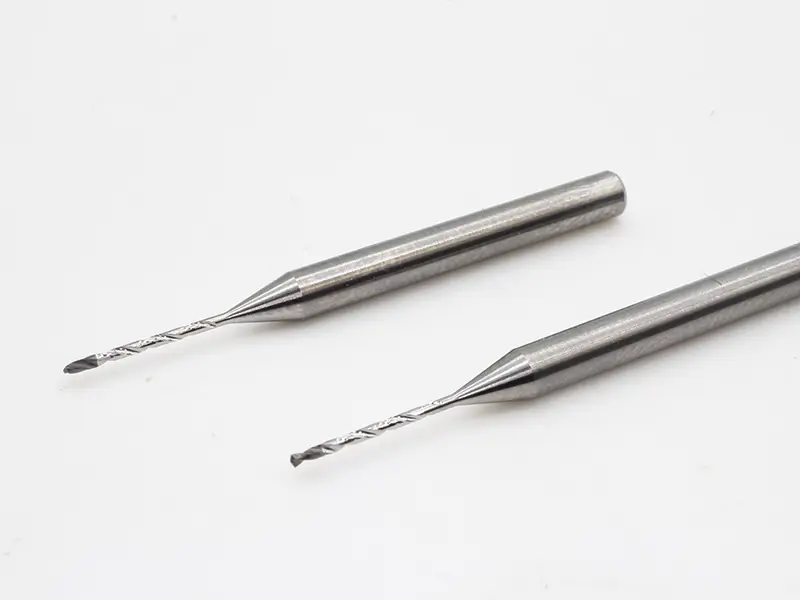
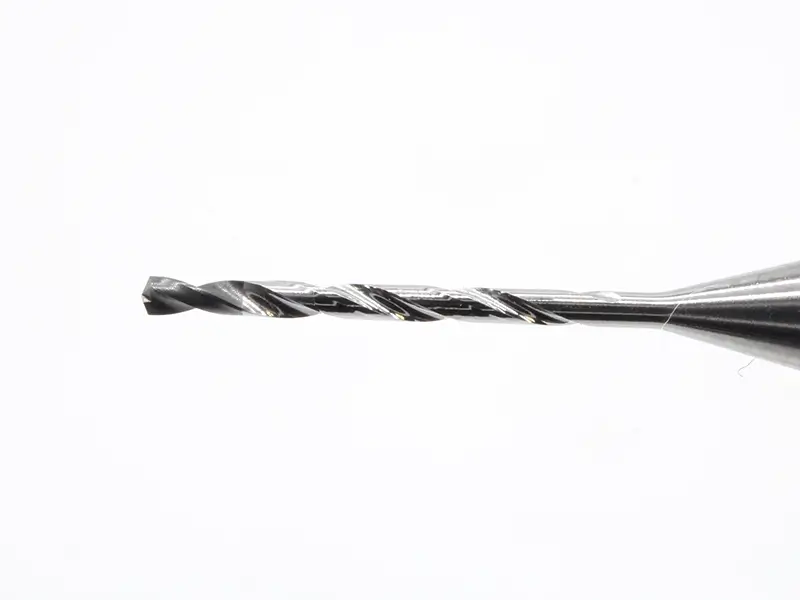
Micro drill bits produce very small holes, but the term does not have a single universal size boundary. The original examples of 0.1 mm to 3 mm, with some tools at 0.05 mm, should not be treated as one standard range. Flutes provide space for chip removal.
Some drills use number sizes, while others use metric or fractional dimensions. Within the number-size system, a higher number indicates a smaller diameter; #80 is 0.0135 inches and is smaller than #60. Confirm the actual diameter rather than relying on the label alone.
Micro Drill Bits Applications
PCB Circuit Board Drilling
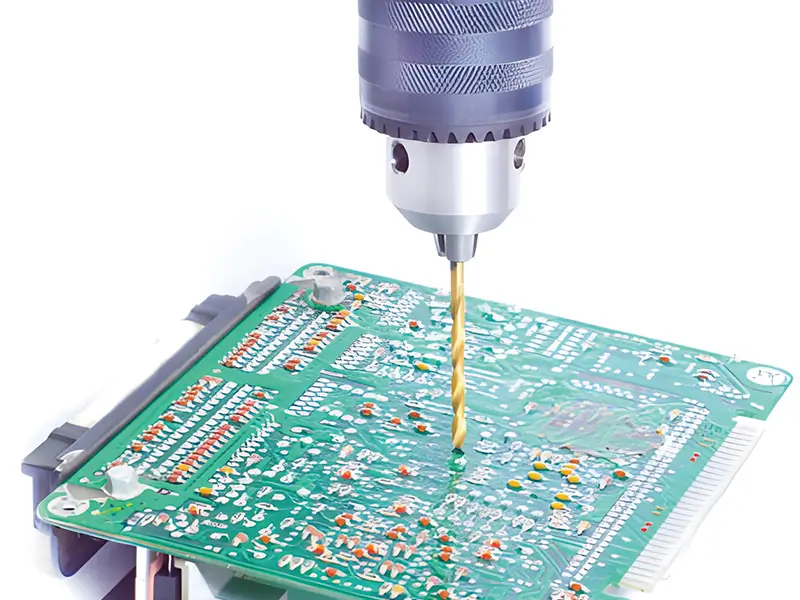
Micro drills are used for printed circuit board holes in copper-clad boards and reinforced laminates. The original 0.3 mm to 1.2 mm examples are not a universal PCB drilling range; hole and tooling specifications depend on the board design.
Carbide micro drills are commonly used in PCB production, but tool life depends on the laminate, hole size, stack, and process. The original 80,000 to 150,000 RPM range is not a universal recommendation, and lower speed alone does not establish overheating or breakage.
Jewelry Making and Metal Craft

Jewelry and metal craft may use small holes for wires, fittings, and decorative features. Match the tool and hole size to the material and required fit.
Support small parts securely and select tooling appropriate to the metal or other material. Control alignment and chip removal; PCB spindle-speed ranges should not be copied into jewelry work.
Aerospace and Industrial Manufacturing
Micro drill bits are applied to turbine blades to create cooling holes for aerospace companies. These bits will prove to be crucial towards making fuel line passages. Sensors and other monitoring devices require an array of holes of specific sizes in aircraft parts. The holes should be precise since the safety is based on the correct air flow and fuel supply.
Small holes are drilled in medical equipment and scientific instruments by industrial manufacturers. You require micro drill bits for making precise openings in the surgical tools. Miniature holes are needed in the laboratory equipment to carry fluids.
Watchmaking and Clock Repair
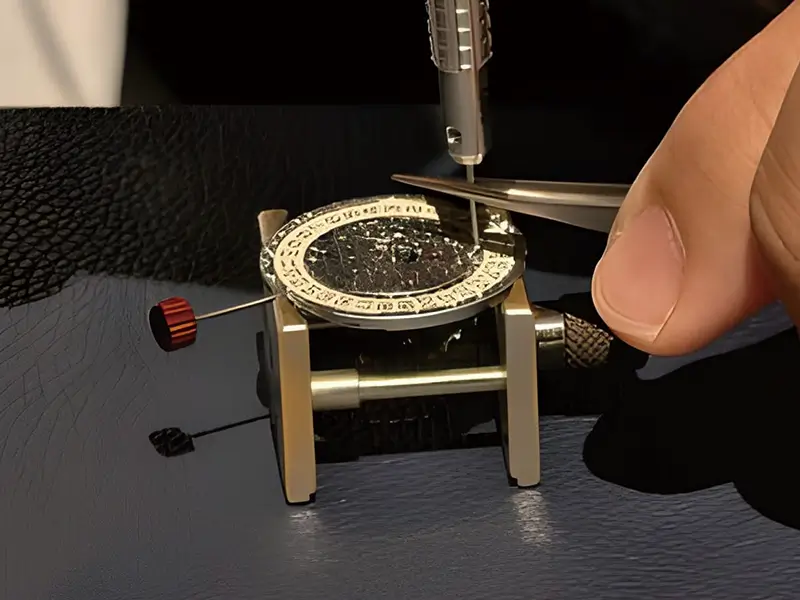
Watchmakers rely on micro drill bits in fixing and making timepieces. You will pierce holes in pivots and gear shafts. The job is very delicate due to the minute sizes of watch parts. The bits of 0.5mm to 1.5mm are commonly used in watch repair shops.
Clock repair may require small, accurately located holes. A pin vise can suit selected hand operations, while other work requires a guided spindle and suitable fixtures. Neither method guarantees freedom from tool or component damage.
Carbide vs HSS Micro Drill Bit Materials

Carbide micro drills can offer wear resistance in suitable materials and rigid setups. Select the geometry for the application; fiberglass, stainless steel, and ceramics do not share one universal drill choice. A life of thousands of holes is not guaranteed.
HSS micro drills can offer toughness and economy in appropriate applications, including some metals. They are not restricted to wood, plastics, or occasional hobby work. Compare actual tool design and cutting requirements.
PCD Micro Drills
For selected abrasive non-ferrous materials or composites, compare qualified carbide drills with a suitable PCD micro drill. Material compatibility, geometry, and setup determine the choice; greater workpiece hardness alone does not make PCD the correct option.
PCD contains diamond and provides high wear resistance, but hardness is not the same as toughness. It can chip and should not be described as the toughest tool available or a universal solution for hard materials.

Different Kinds of PCD Drills
Diamond drills have several constructions. The following descriptions are broad examples, not a complete classification of PCD tools. Confirm the cutting material and construction with the supplier.
Solid Diamond Tip Drills
A diamond cutting head must be joined and supported using an engineered tool construction; it should not be described simply as glued to a metal stick. Suitability for aluminium or a particular ceramic depends on the actual tool and material.
Diamond-Tipped Drills
A tool may carry diamond cutting segments rather than an all-diamond head; one broad description is Diamond Tipped Drill. Construction and minimum size vary. Suitability for a layered material depends on every layer and the tool design, not merely using less diamond.
Proper Speed Settings for Micro Drilling Work
Spindle speed must be derived from the selected tool’s cutting-speed guidance and diameter, within the machine’s limits. The original 65,000 to 350,000 RPM range is not a universal micro-drilling setting. Low RPM alone does not determine heat generation or failure.
Check spindle speed, runout, feed control, and workholding together. Many ordinary power drills are unsuitable for precision micro-drilling, but not every micro drill requires the same high-speed equipment. Suitable options may include specialised spindles or CNC machines.
Set feed according to the specific tool, material, and hole depth. Both overload and rubbing can cause problems; light hand pressure is not a substitute for controlled feed.
Tool Holding Options and Equipment Needed
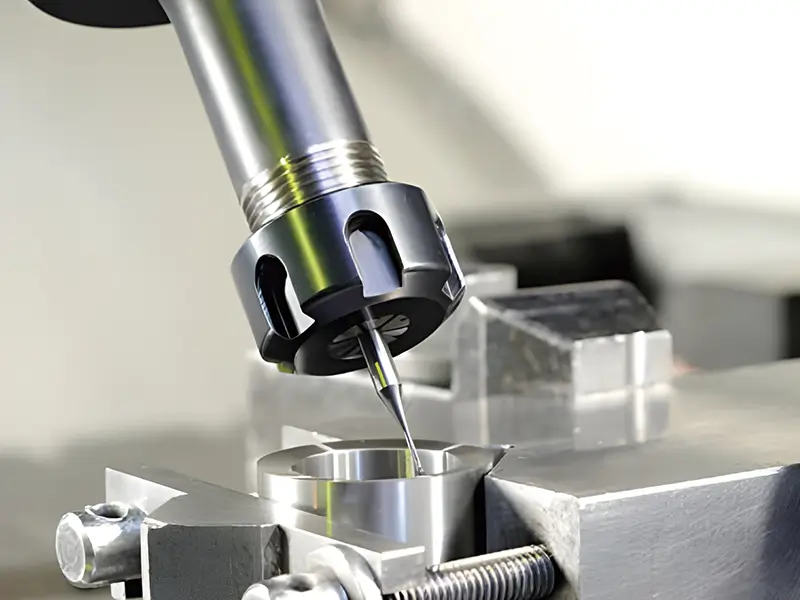
A pin vise may suit selected manual tasks with compatible drills and materials. Verify its gripping range and alignment; the original 0.1 mm to 3 mm range is not universal and hand drilling is not suitable for every micro tool.
Use a holder matched to the actual shank and runout requirements. Reduced shanks may be 3 mm or 1/8 inch, among other sizes; these two dimensions are not interchangeable. Do not assume every micro drill uses either size.
Common Materials You Can Drill With Micro Bits
Select geometry and cutting conditions suited to the wood product, including MDF. Feed, chip removal, support, and speed all affect burning and grabbing; reducing speed alone does not ensure a clean hole.
Plastics require tooling and cutting conditions matched to the polymer. Control chip removal and heat, and use a compatible cooling strategy where appropriate. Simply working slowly does not guarantee freedom from melting or grabbing.
Proper Storage and Organization Methods
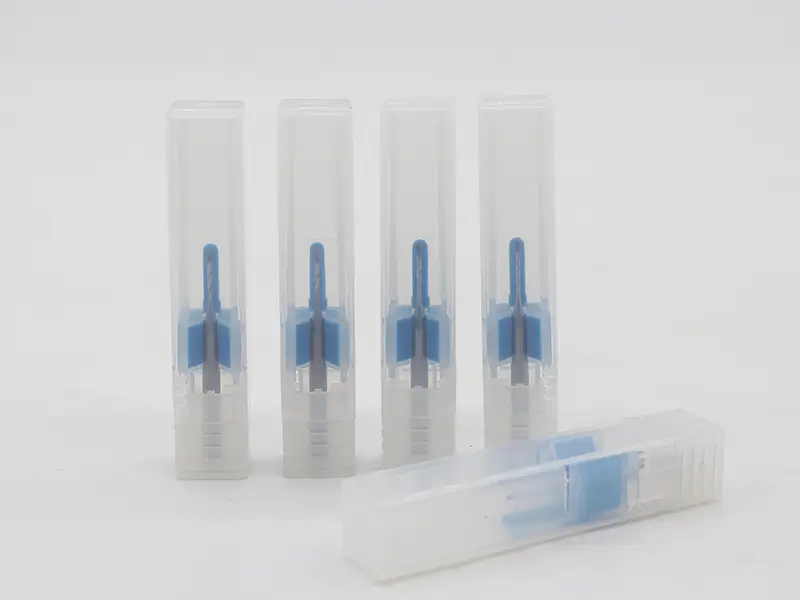
You need to store micro drill bits carefully to prevent damage. Small plastic cases with labeled compartments work well. You can see each size at a glance. Index card systems help you track which sizes you have.
Keep bits away from moisture to prevent rust. You should store them in a dry location. Some people use silica gel packets in storage cases. Oil coating protects bits during long-term storage.
Safety Precautions When Using Micro Drill Bits
Use appropriate impact-rated eye protection and, when required, a face shield in addition to eye protection. Broken tools and chips can be projected from the work. An ordinary face mask does not replace impact protection; control dust separately according to the material.
Secure the workpiece with suitable clamps, vises, or dedicated holders. Do not hold small parts by hand during powered drilling. Follow the machine’s guarding and safe operating procedures.
Extending Micro Drill Bit Service Life

Follow the selected micro drill’s entry, feed, and chip-clearance instructions. Some tools require a defined pilot and controlled entry sequence. Periodic withdrawal is not universally beneficial, and full cutting speed before every entry is not a universal rule.
Choose fluid type and delivery according to the tool, material, and machine requirements. Some operations are designed for dry cutting. Do not reach toward rotating tooling to apply lubricant, and do not assume water or oil is suitable for every application.
Choosing the Right Bit Size for Your Project
Select the drill bit diameter from the required finished-hole size and process allowance. For electronics, consider the specified finished hole, including any plating allowance; lead diameter alone does not define the drilling diameter.
Use measurement equipment suitable for the hole diameter and tolerance. Ordinary calipers cannot reliably measure every micro hole. Follow the specified inspection method and drawing requirements.
Where to Buy Quality Micro Drill Bits
Speciality tool suppliers carry extensive micro bit selections. You can contact us to make a purchase. We offer both carbide micro drill bits and PCD micro drill bits.
You can read reviews before purchasing. Sets offer better value than individual bits for beginners. Professional users often buy bits in bulk for production work.