



Cómo interpretar las dimensiones de una fresa para no elegir una herramienta incorrecta
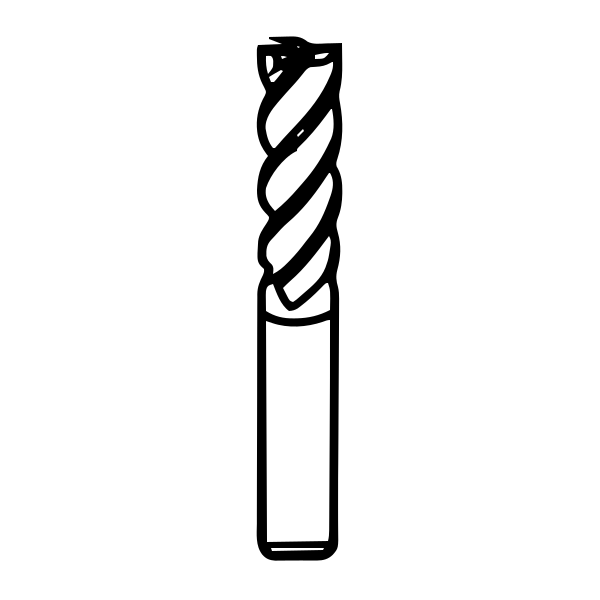
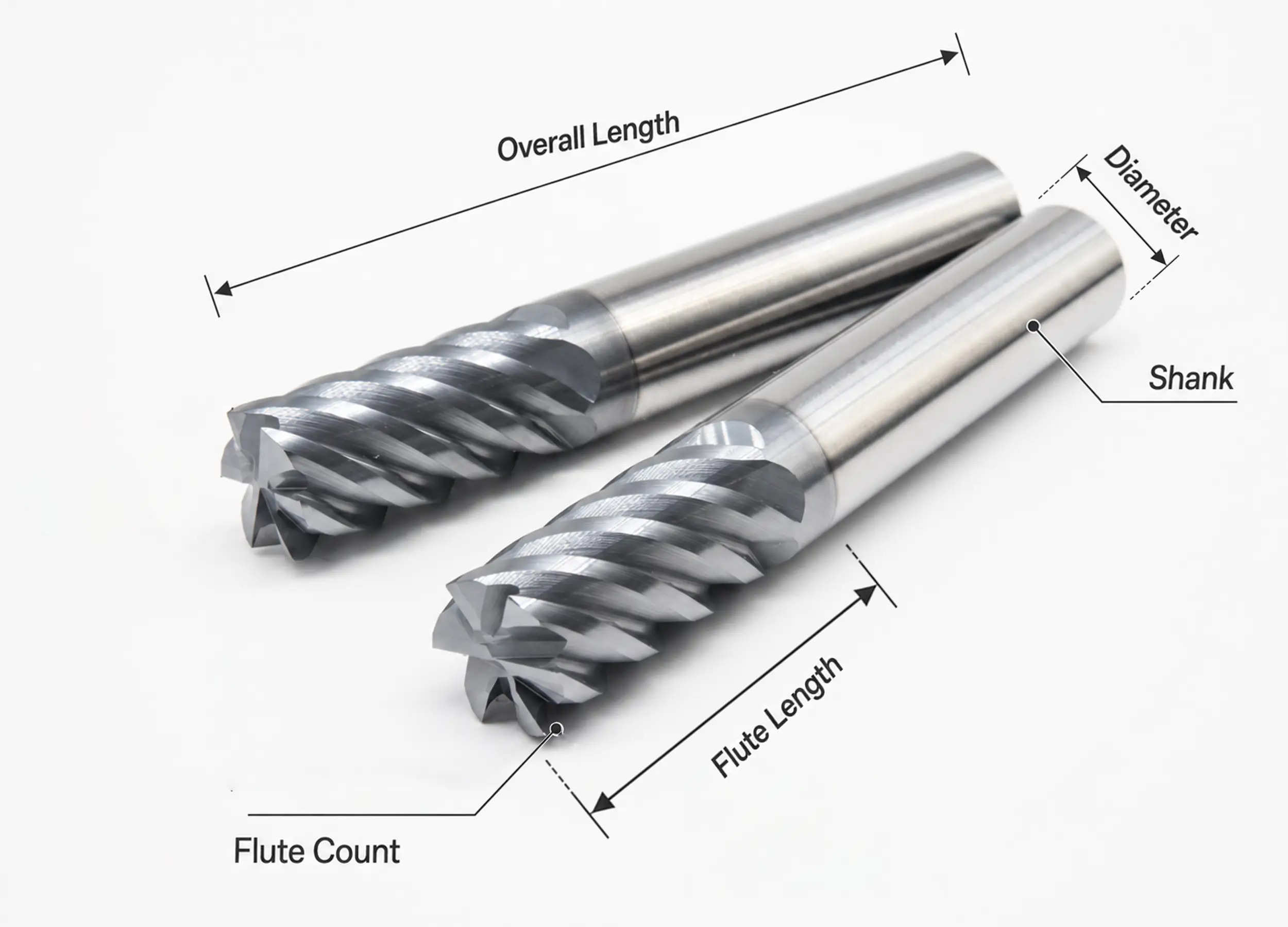
Una fresa de mango puede parecer sencilla en un catálogo: diámetro, longitud de corte, longitud total, mango y labios. El error es leer esos números como etiquetas y no como factores de comportamiento. Cada dimensión cambia el alcance, la flexión, las formas mecanizables y el riesgo del montaje.
Empezar por las dimensiones del catálogo
Las medidas importantes suelen aparecer juntas. Léalas como un conjunto relacionado, no como datos aislados.
Diámetro
El diámetro influye en tamaño, acceso a esquinas, carga y rango de velocidad. Uno mayor es más resistente, pero puede no caber en radios interiores o ranuras estrechas. Uno menor alcanza detalles finos, pero flexiona más.
Longitud de corte
La longitud de corte corresponde a la parte cortante. Indica la profundidad lateral posible, pero no que deba sumergirse toda esa longitud en cada operación.
Una longitud de corte grande aumenta el alcance y también la parte flexible. Esto importa en paredes profundas y elementos delgados.
Longitud total
La longitud total va de extremo a extremo. Sugiere alcance posible, pero el riesgo real depende del voladizo fuera del portaherramientas.
Una gran longitud total no garantiza estabilidad. Puede permitir más voladizo y, por tanto, más flexión.
Diámetro del mango
El mango debe encajar correctamente. Una combinación inadecuada de mango, portaherramientas y máquina causa descentramiento o mal agarre. Su rigidez también influye en que el filo siga la trayectoria.
Número de labios
El número de labios influye en espacio para viruta, capacidad de avance y acabado. Más labios pueden suavizar el corte en ciertos materiales, pero dejan menos espacio. Menos labios facilitan evacuación, especialmente en materiales blandos o cortes profundos.
Use la tabla como ayuda de lectura, no como sustituto de evaluar el montaje.
| Aspecto | En qué influye | Error habitual |
|---|---|---|
| Diámetro | Tamaño, resistencia, carga, RPM | Elegir demasiado grande para la esquina o pequeño para la rigidez |
| Longitud de corte | Profundidad de corte lateral | Considerar toda la longitud de corte como profundidad segura |
| Longitud total | Alcance posible | Ignorar el voladizo real desde el portaherramientas |
| Diámetro del mango | Compatibilidad con el portaherramientas y rigidez | Comprar un mango que el portaherramientas no puede sujetar adecuadamente |
| Número de labios | Evacuación de viruta y acabado | Elegir según el acabado esperado sin considerar el material |
Cómo las dimensiones cambian el corte
El diámetro modifica el acceso a las formas y la carga
El diámetro es tanto una limitación geométrica como una decisión sobre las fuerzas de corte. Si la fresa es demasiado grande, no puede producir la forma. Si es demasiado pequeña, puede vibrar, flexionarse o tardar demasiado.
En cajeras estrechas, esquinas interiores y ranuras pequeñas, la herramienta debe caber en la forma. Para un fresado más exigente, la herramienta también debe ser lo bastante resistente para soportar la carga.
La longitud de corte no equivale al alcance seguro
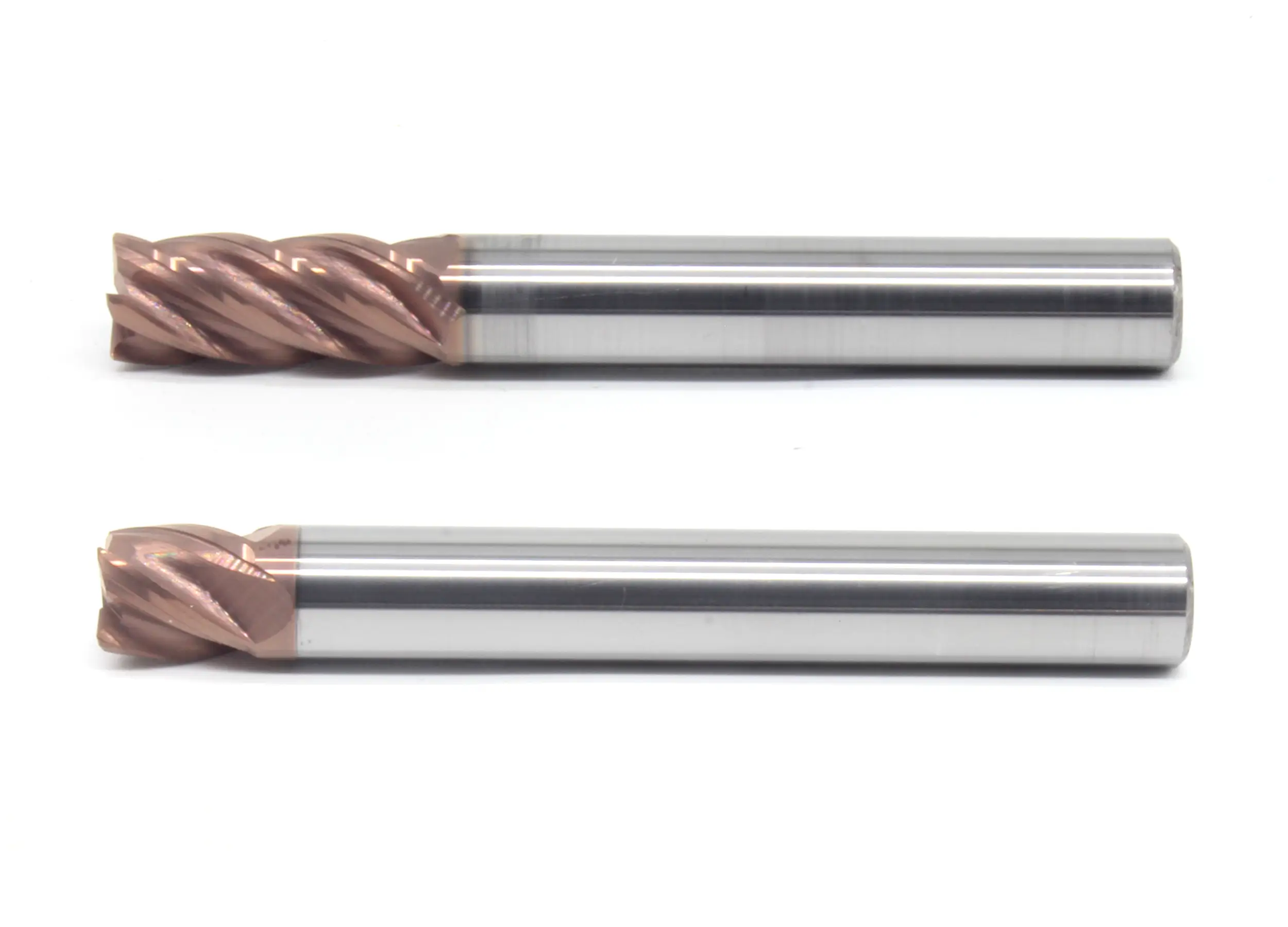
Una longitud de corte grande permite que el filo trabaje en una pared más profunda. No elimina la necesidad de rigidez. Si la operación solo requiere poca profundidad axial, una herramienta con longitud de corte menor puede ser más resistente y estable.
La pregunta práctica no es «¿Llega el filo?», sino «¿Puede la herramienta cortar con ese alcance sin flexionarse, vibrar ni dejar un mal acabado?»
El mango y su ajuste en el portaherramientas afectan a la rigidez
Incluso una buena herramienta rinde mal si el montaje es débil. El descentramiento, una sujeción deficiente, un voladizo excesivo y la longitud sin apoyo hacen que el filo se comporte de forma distinta a la descripción del catálogo.
Voladizo, alcance y flexión
El voladizo es la longitud expuesta desde el portaherramientas hasta el extremo cortante. A menudo es la dimensión poco visible que determina si la fresa elegida funciona.
Un voladizo mayor aumenta el efecto de palanca. Puede provocar vibraciones, paredes cónicas, mal acabado o rotura de la herramienta. Cuando se necesita alcance, elija la herramienta más corta y el menor voladizo que permitan librar físicamente la pieza. Si resulta inevitable una herramienta de largo alcance, reduzca la carga de corte y prevea una ventana de proceso más estrecha.
La longitud de corte, la longitud total y el voladizo deben considerarse conjuntamente. Una longitud total grande con voladizo innecesario puede hacer que una herramienta aparentemente rígida se comporte como una flexible.
Dimensiones y parámetros del proceso están relacionados
Las dimensiones están ligadas a avances y velocidades. Un diámetro menor suele modificar las RPM, el avance por diente y el contacto radial admisible. Una longitud de corte o un voladizo mayores pueden exigir cortes más ligeros. Más labios modifican el espacio para viruta y el cálculo del avance.
Por eso, elegir primero las dimensiones y después los avances puede causar problemas. Ambas decisiones deben tomarse conjuntamente.
Errores habituales de selección
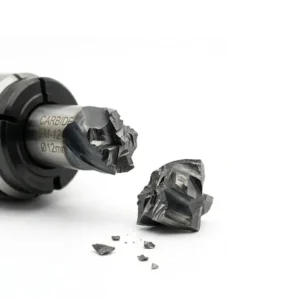
Un error es elegir la mayor longitud de corte disponible «por si acaso». Puede reducir la rigidez sin aportar ventajas. Otro es elegir un diámetro pequeño porque cabe en la forma, sin comprobar si la herramienta soporta la profundidad y el material.
Un tercer error es considerar la longitud total como longitud de corte útil. Solo ayuda si el portaherramientas y el montaje pueden soportar el voladizo necesario. De lo contrario, aumenta el riesgo.
Proceso práctico para elegir dimensiones
Empiece por la geometría: ancho de ranura, esquina de cajera, altura de pared y profundidad necesaria. Elija un diámetro que quepa y tenga resistencia suficiente. Después elija la menor longitud de corte capaz de mecanizar la pared requerida. Compruebe luego la longitud total y la holgura del portaherramientas.
Por último, compruebe la rigidez. Si el montaje exige mucho voladizo, reduzca la carga o elija otra geometría de fresa. Si el corte requiere gran alcance y buen acabado, planifique la operación considerando la flexión en vez de suponer que las dimensiones del catálogo resuelven el problema.
Ejemplo: leer una ficha sin comprar alcance excesivo
Suponga que dos herramientas tienen el mismo diámetro, pero una posee longitudes de corte y total mucho mayores. La larga puede parecer más versátil, pero no es automáticamente mejor. Si la pieza solo necesita cortes poco profundos, la de menor longitud de corte suele ser más rígida.
Use la herramienta más larga solo cuando la geometría lo exija. De lo contrario, la longitud adicional puede favorecer vibraciones, conicidad de paredes y mal acabado. Es una de las formas más habituales en que la elección dimensional genera un problema antes de empezar a cortar.
Qué enviar al proveedor para pedir ayuda
En vez de pedir solo «una dimensión de fresa», indique el tamaño de la forma, material, profundidad de corte, alcance requerido, tipo de portaherramientas y si prima el acabado o la eliminación de material. El proveedor puede recomendar mejor cuando las dimensiones se relacionan con el trabajo.
Para una cajera profunda o pared alta, incluya el voladizo necesario y la altura de pared. Para ranuras o esquinas pequeñas, indique el radio interior mínimo. Esos datos importan más que una petición genérica de una fresa estándar.
Comprobación rápida antes de comprar
Antes de pedir, confirme tres cosas: el diámetro cabe en la geometría, la longitud de corte alcanza solo lo necesario y el mango queda sujeto rígidamente. Si falla alguna, la herramienta puede tener el «tamaño» correcto sobre el papel y seguir siendo inadecuada para el trabajo.
Preguntas frecuentes
¿La longitud de corte es igual a la profundidad de corte?
No. La longitud de corte es la longitud del filo, pero la profundidad segura depende del material, diámetro, voladizo, rigidez y grado de contacto durante el corte.
¿Una fresa más larga ofrece mayor alcance?
Ofrece un alcance posible mayor, pero puede reducir la rigidez. Use solo la longitud que necesita el montaje.
¿Qué dimensión de la fresa debo comprobar primero?
Empiece por el diámetro, que determina el acceso a la geometría. Después compruebe conjuntamente longitud de corte, voladizo, mango y número de labios.