



Ferrous vs. Non-Ferrous Metals: Complete Guide for Beginners
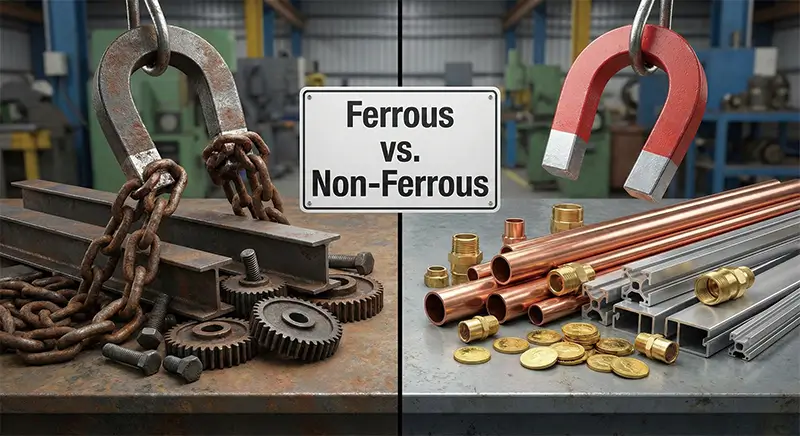
Ferrous metals are iron-based. Non-ferrous metals are based on other metals, although their alloys may contain iron as an addition or impurity. The classification alone does not determine strength, corrosion resistance, or magnetic behavior.
Examples of ferrous metals are:
- Steel
- Stainless Steel
- Cast Iron
- and Wrought Iron.
Examples of Non-Ferrous Metals:
- Aluminum
- Copper
- Brass/Bronze
- Gold, silver, and platinum
- Titanium
This distinction matters because the last thing you want to do is select the wrong metal for your project. Your choice affects durability, performance, and cost throughout the entire service life.
Contents
What Are Ferrous Metals?
Iron is the base metal in ferrous materials. Do not use a single percentage threshold to infer mechanical or magnetic properties; alloy composition, microstructure, and condition matter.
Originally, the word “ferrous” comes from the Latin word “ferrum,” which means iron. This is why you write the chemical symbol for iron as Fe instead of I. You will see this Latin root used in every science and metallurgy book you read.
Important Properties of Ferrous Metals
Many steels are strongly magnetic, but some iron-based alloys, including common austenitic stainless steels, may respond weakly to a magnet. A magnet test alone cannot identify an alloy.
Ferrous materials include grades used in structures and machinery. Strength and durability depend on the specified grade, condition, design, and environment.
Density and corrosion behavior are alloy-specific. Some non-ferrous metals are denser than steel. Rust susceptibility cannot be explained simply by high carbon content.
Common Types of Ferrous Metals
Carbon Steel
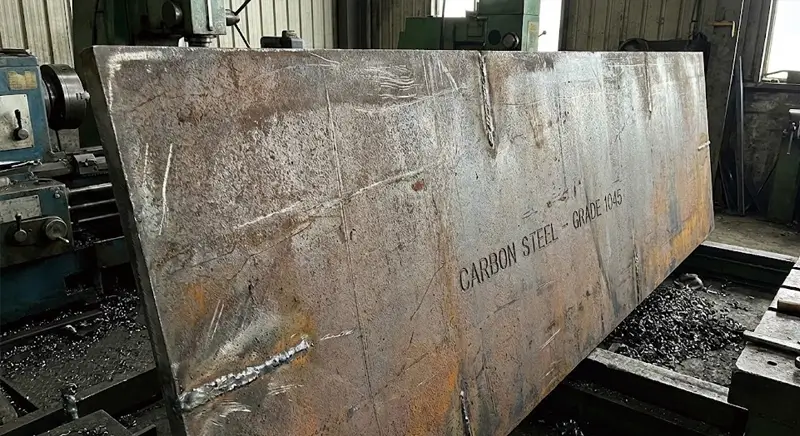
Mild steels commonly have low carbon contents, with 0.05-0.25% serving as an approximate range rather than a universal specification. Check the actual grade for welding, forming, machining, and structural requirements.
Carbon and microstructure can increase steel strength relative to pure iron. Carbon does not act as glue between atoms; properties depend on composition and processing.
Carbon steel may need corrosion protection in moist service. Select coatings or other protection for the environment rather than treating any oil or paint as universally sufficient.
Alloy Steel 4140, 4130, 4340
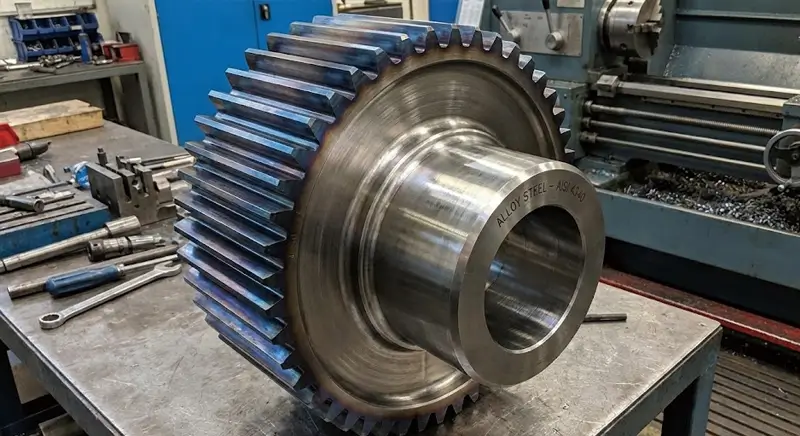
Alloying elements such as chromium, nickel, and manganese adjust steel properties. Select a qualified grade and heat treatment for the application; an alloy-steel label does not establish suitability for a jet engine.
Grade 4140 contains chromium and molybdenum, with a nominal carbon content around 0.40%. It is used for components such as shafts and gears when the specified condition meets the design requirements.
Grade 4130 has lower nominal carbon than 4140. Its weldability and structural suitability depend on section size, condition, and a qualified welding procedure.
Grade 4340 is a nickel-chromium-molybdenum steel whose properties depend on heat treatment. Is 4340 better than 4140? Compare the required strength, toughness, size, and processing rather than assuming universal superiority.
Stainless Steel 304, 316
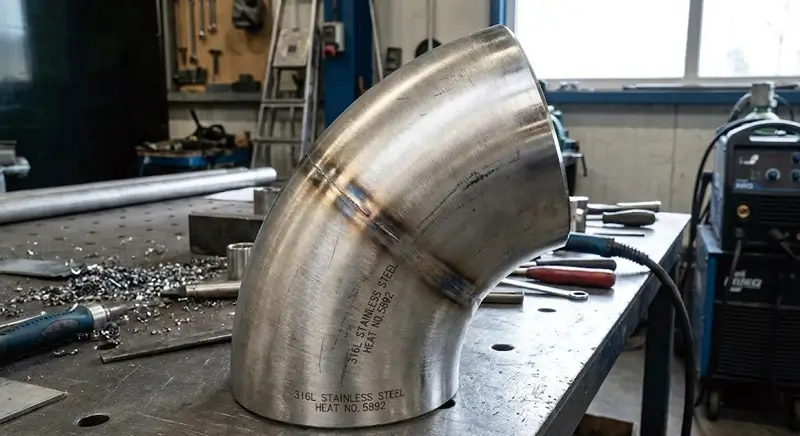
You must understand that stainless steel is not just regular iron. To make it “stainless,” you must add Chromium.
Stainless steels contain at least 10.5% chromium. Their passive surface film can reform under suitable conditions, but contamination and aggressive environments can still cause corrosion.
Grade 304
Grade 304 contains:
- 18% Chromium
- 8% Nickel
Grade 304 is used in many kitchen and general-purpose applications. Check the service chemicals, temperature, surface condition, and fabrication requirements instead of assuming trouble-free performance.
Grade 316
Grade 316 contains molybdenum and can provide better resistance to certain localized corrosion mechanisms than Grade 304. Marine, chemical, and medical applications require the correct specification and service assessment.
Grade 316 is not immune to chloride attack, and Grade 304 may suit some less aggressive conditions. Select for concentration, temperature, crevices, and surface condition; acid resistance is also medium-specific.
Cast Iron
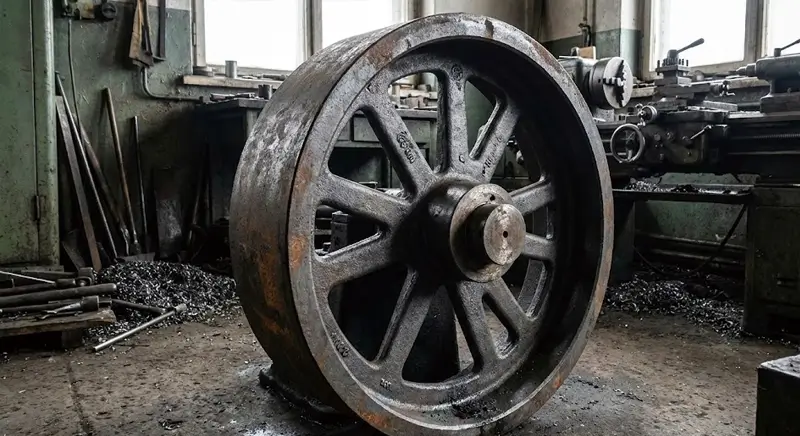
Cast irons commonly contain about 2-4% carbon, but properties differ between gray, ductile, and other types. Graphite form and matrix condition matter; not all cast irons have the same brittleness.
Gray cast iron contains graphite flakes that give good damping properties. You will find this material in engine blocks, machine tool bases, and manhole covers.
Ductile iron offers improved ductility through special treatment. You achieve properties closer to steel while maintaining castability. This material serves in pipes, automotive parts, and wind turbine parts.
Wrought Iron

Meanwhile, wrought iron contains very little carbon, often less than 0.08%. You work with nearly pure iron mixed with fibrous slag inclusions.
Fibrous slag can give wrought iron a grain-like fracture appearance and directional properties. Do not assume better fatigue resistance than every steel; assess condition, defects, and loading.
Tool Steel
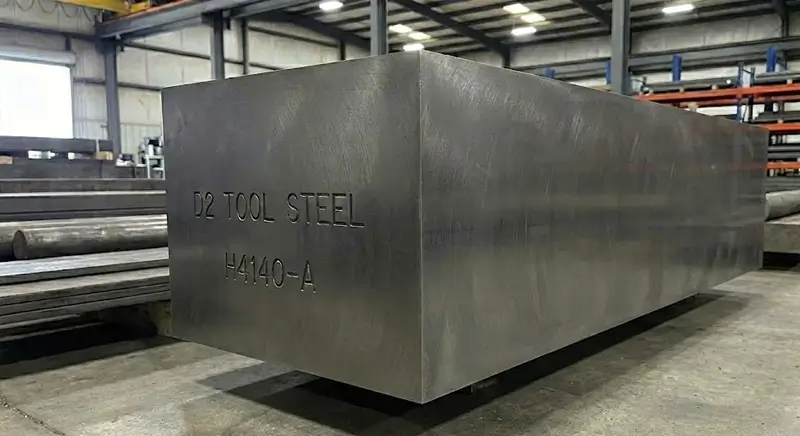
Some tool-steel grades can exceed 60 HRC after suitable heat treatment. The selected hardness must be balanced with toughness and application requirements; this is not a property of every tool steel.
Tool steels include grades selected for different hardening methods and applications. Cost, distortion, and cracking risk depend on grade, geometry, and the heat-treatment process.
High-speed steel grades use different alloy combinations to retain hardness at elevated cutting temperatures. Not every grade contains the same amounts of tungsten, molybdenum, chromium, and vanadium.
What Are Non-Ferrous Metals?
Non-ferrous materials are based on a metal other than iron. Some contain deliberate iron additions or residual iron, so a fixed less-than-1% rule is not a universal definition.
Copper use and bronze production developed at different times in different regions. Archaeological period names should not be treated as one worldwide transition date.
Important Properties of Non-Ferrous Metals
Corrosion resistance varies widely among non-ferrous alloys and environments. Select an appropriate grade and surface protection for outdoor or marine service.
Non-ferrous does not mean non-magnetic: nickel and cobalt are familiar exceptions. Verify magnetic properties where electronic or instrument applications require them.
Aluminium is much less dense than steel, but copper, lead, and several other non-ferrous metals are not lightweight alternatives. Compare the actual alloy density.
Common Types of Non-Ferrous Metals
Aluminum and Aluminum Alloys
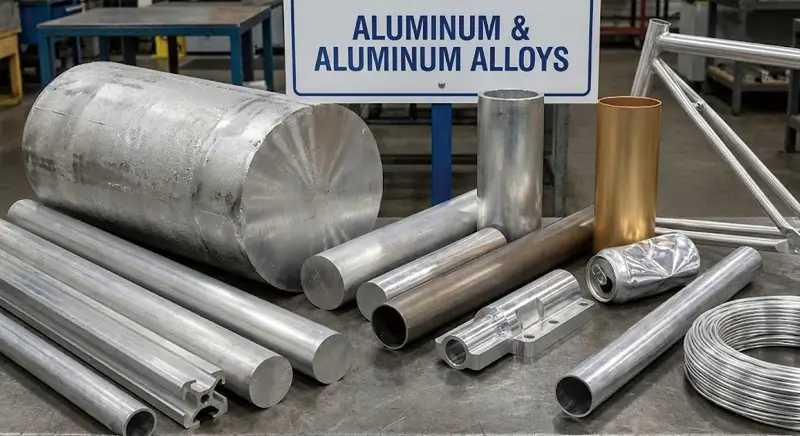
To begin, aluminum represents the most widely used non-ferrous metal today. Pure aluminum is soft, but you strengthen it dramatically through alloying.
Grade 6061 contains magnesium and silicon. You achieve good weldability, formability, and moderate strength. After that, you can extrude 6061 into complex profiles.
Grade 7075 is a zinc-containing high-strength aluminium alloy. Strength, corrosion resistance, and formability depend on temper and product specification.
Aluminium forms a surface oxide film, but it can still corrode. Suitable anodizing may improve protection; choose the treatment for the alloy and exposure.
Copper and Copper-Based Alloys
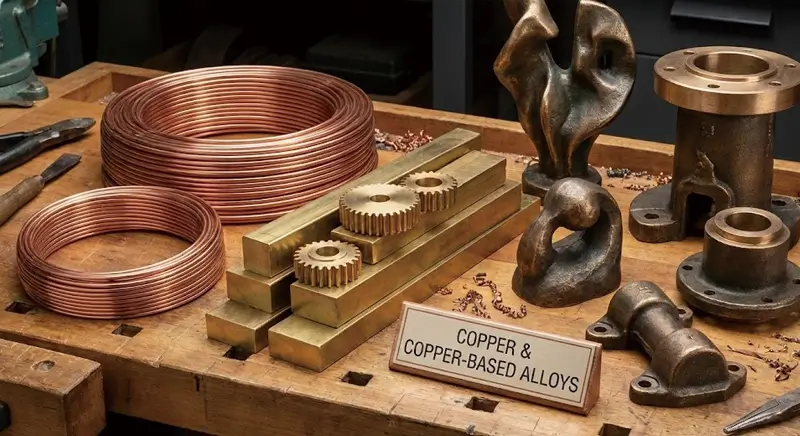
Copper has high electrical conductivity. The 100% IACS reference does not mean every pure-copper product or copper alloy has exactly that conductivity; condition and temperature matter.
Copper often has a reddish appearance and can develop a patina in atmospheric exposure. Surface color alone is not reliable alloy identification, and corrosion performance depends on the environment.
You will find copper highly ductile and malleable. The material accepts forming, bending, and drawing operations readily.
Brass
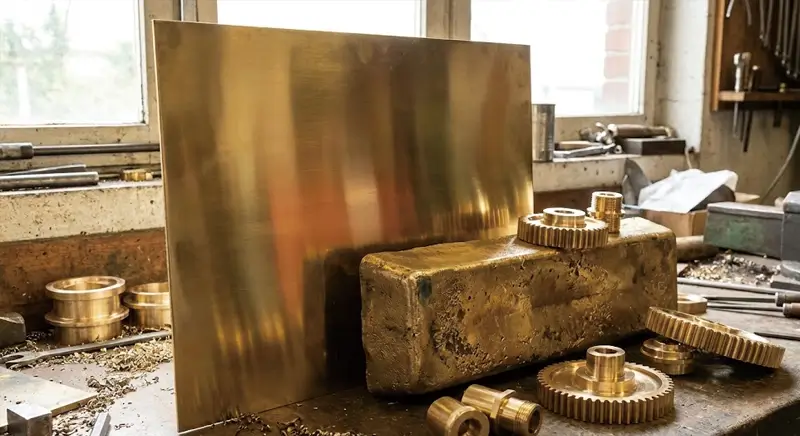
Brasses are copper-zinc alloys with varied compositions. The ranges 60-70% copper and 30-40% zinc describe some common compositions, not the entire family.
The addition of zinc is very smart because it increases the strength of the metal and reduces the cost compared to using pure copper.
Some brass grades machine readily, but machinability and surface finish depend on composition, condition, tooling, and cutting data.
Bronze
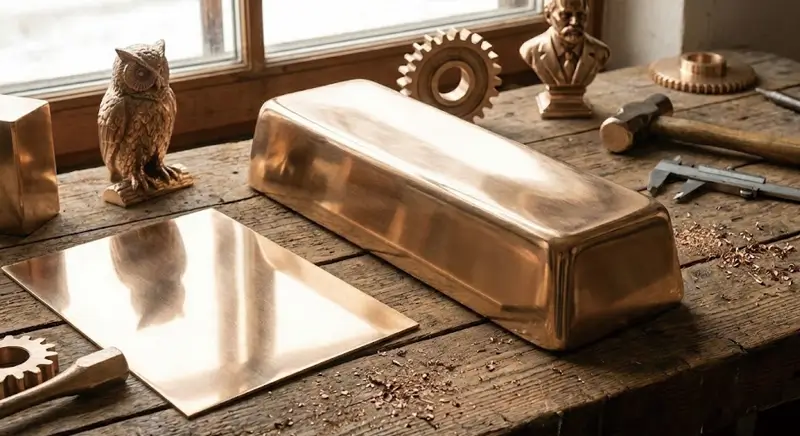
Is bronze the same as brass? No: brass is a copper-zinc family, while bronze includes tin bronzes and other copper-alloy families. Compare actual grades rather than assuming every bronze is harder or more corrosion-resistant.
Lead
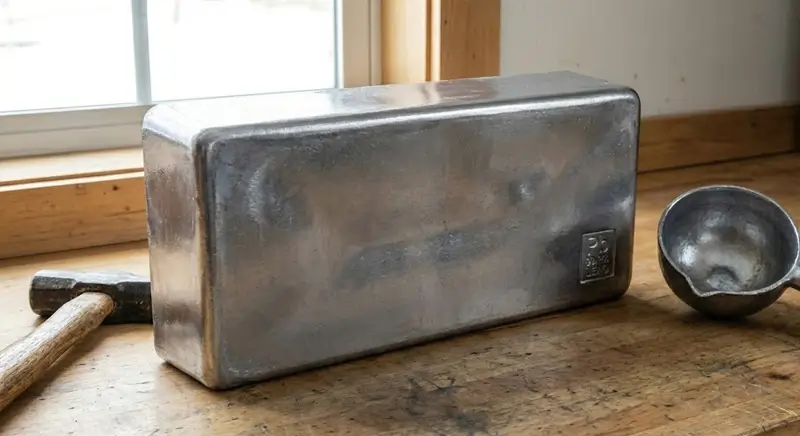
Lead is a very different kind of metal. It is very soft. It is also very dense and heavy, with a very low melting point.
Lead density makes it useful in some radiation-shielding designs. Required thickness and effectiveness depend on radiation energy and the complete shielding system.
Lead melts at just 621°F. Because of this, you can easily cast lead into molds using just basic equipment. It is much easier to melt than steel or copper.
Zinc
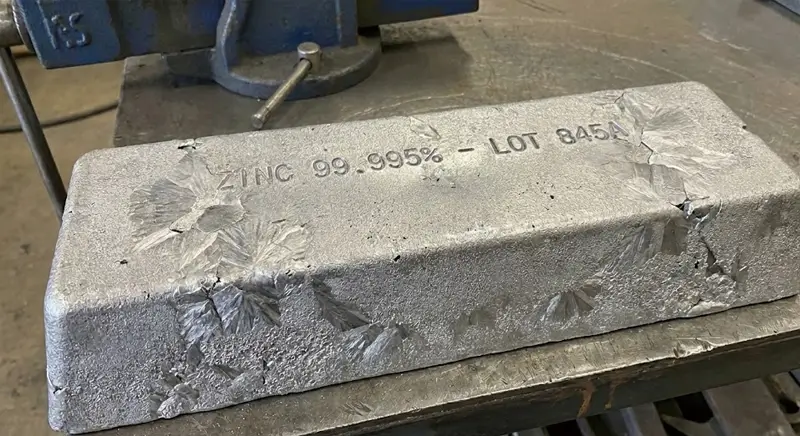
Zinc works primarily as a protective coating. We dip steel into a bath of liquid zinc. The zinc sticks to the steel to prevent rust
Zinc has a low melting point of around 787°F. Consequently, zinc die-casting is used to produce complex shapes like carburetors or small toys very economically.
Tin
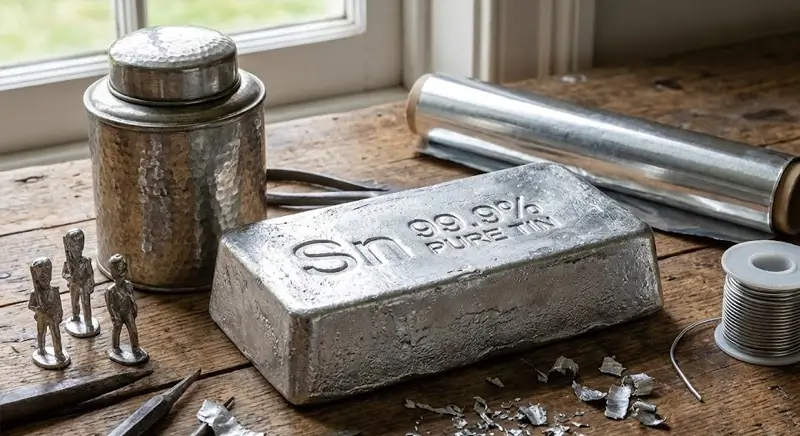
Tin is used in selected coating and alloy applications. Material suitability must be established for the actual composition and intended service.
Tin-coated steel is used in food packaging. Coating integrity, internal lacquer where specified, food chemistry, and applicable packaging requirements determine suitability.
Titanium
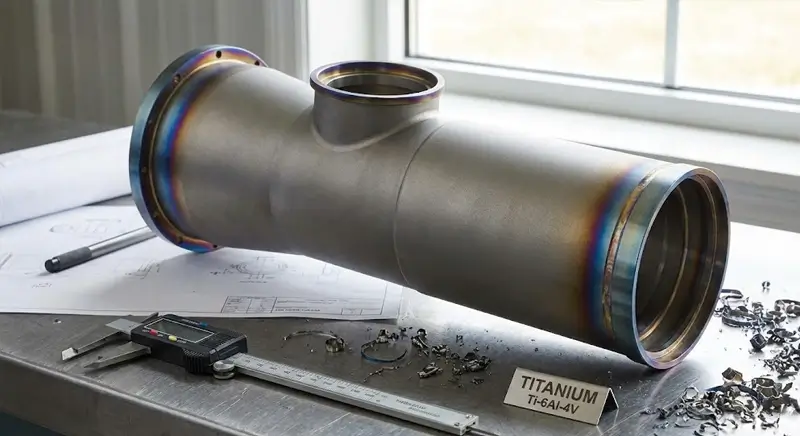
Titanium and its alloys offer useful combinations of strength, density, and corrosion resistance for selected engineering applications.
Titanium forms a protective oxide film. Its resistance is environment-dependent and is not universally better than that of every stainless steel.
However, Titanium costs significantly more than steel or aluminum. The material is very difficult to extract from the earth and very hard to machine in the shop.
Nickel
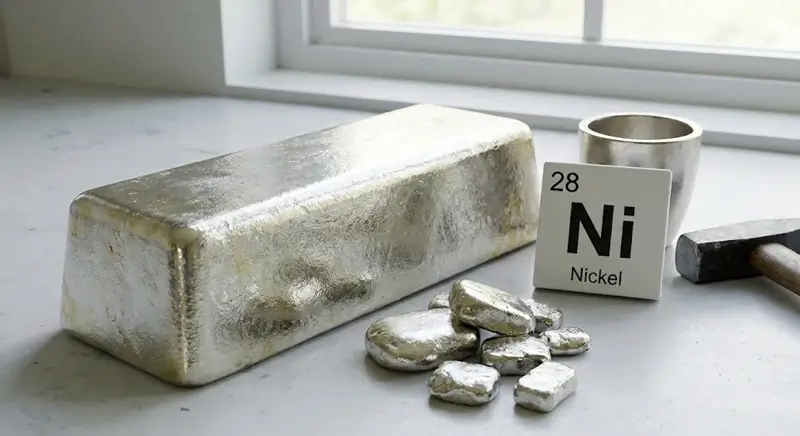
Nickel is used as a base metal and alloying element. It contributes to many stainless and corrosion-resistant alloys, but chromium is central to stainless-steel passivity; performance depends on the full composition.
Nickel alloys include grades for demanding temperature and corrosion service. Inconel is a family with varied compositions; select the specified alloy rather than treating the name as one material. Nickel coatings also require suitable design and application.
Gold, Silver, Platinum
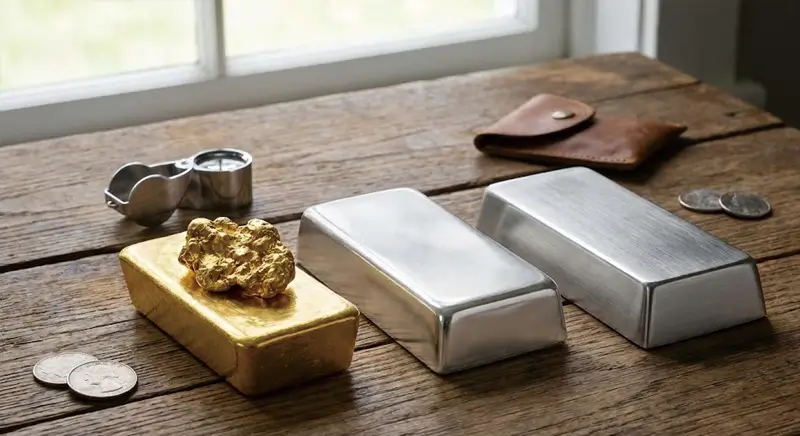
Gold is valued for corrosion resistance in selected jewelry and electronic applications. The behavior of gold alloys and plated components depends on composition and coating quality.
Silver has very high electrical and thermal conductivity. Contact performance also depends on surface condition, wear, temperature, and design.
Platinum is used in catalytic, laboratory, and selected medical applications. Evaluate the required specification and current cost; it is not always more expensive than gold.
Manufacturing Ferrous and Non Ferrous Metals
CNC Machining
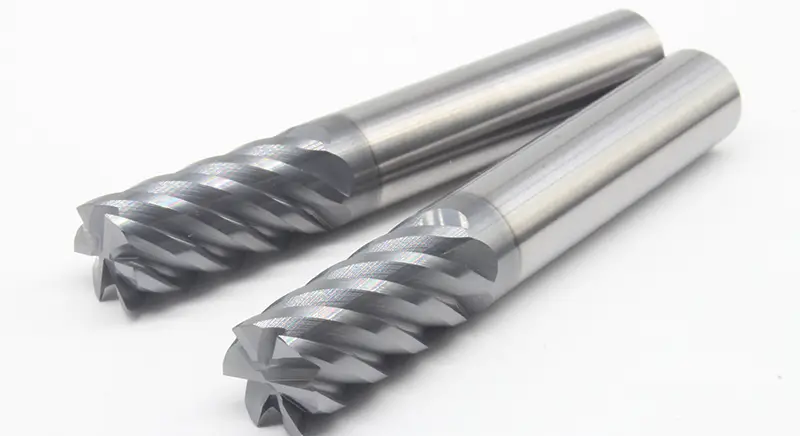
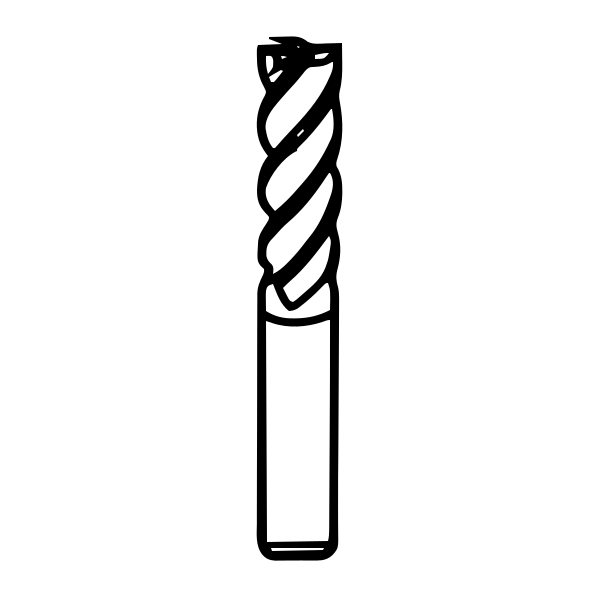
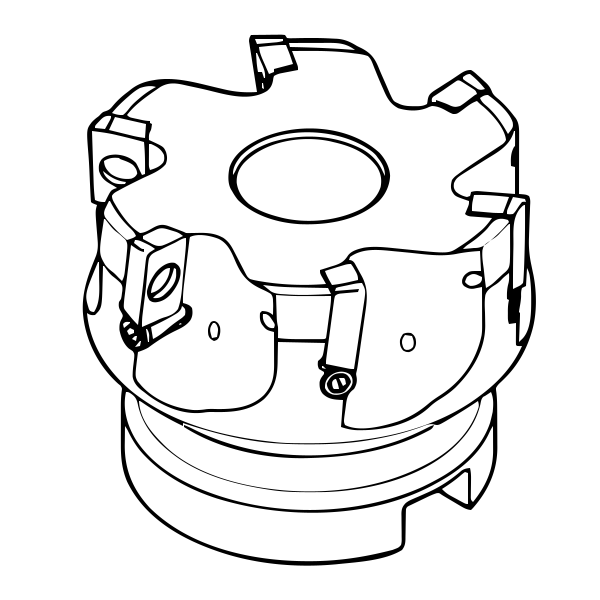
Machinability depends on alloy, condition, and operation, not only the ferrous classification. Options include suitable carbide cutting tools such as a carbide endmill and carbide drill bits; other tool materials may also be appropriate.
Free-cutting leaded brasses can offer good machinability, but no grade is best for every operation. Check composition restrictions and qualify cutting data for the component.
Aluminium alloys differ in machinability. Match tool material, edge geometry, and lubrication to the alloy, including its abrasive constituents and tendency to adhere.
Diamond tools, including PCD end mills, PCD drills, and PCD reamers, can suit selected non-ferrous applications. Compatibility, geometry, and economics must be checked for the actual material and operation.
Welding

Next, steel welding is a well-understood process. You select from numerous methods including stick, MIG, TIG, and flux-cored arc welding. The material accepts these processes readily with appropriate techniques.
For aluminium welding, select a qualified process, cleaning method, shielding, and filler for the alloy and joint. TIG and MIG are common choices, but no fixed heat-input comparison applies to every steel and aluminium joint.
Stainless steel welding needs attention to avoid chromium depletion. You risk sensitization and reduced corrosion resistance without proper techniques. Special filler materials and heat control maintain properties in the weld zone.
Forming and Shaping
Meanwhile, mild steel accepts cold forming for moderate bend radii. You can stamp, roll, and brake-form steel sheets. The material work-hardens during forming, increasing strength in bent areas.
Aluminium formability depends on alloy and temper. Compare 3003, 5052, and 7075 in their specified conditions; severe bending does not justify unqualified heating or guarantee freedom from cracking.
Copper and brass grades differ in cold-forming behavior. Select temper, bend radius, and intermediate treatment for the deformation required; high ductility does not rule out cracking.
Conclusion
Choose the actual alloy and condition for strength, corrosion, mass, manufacturing, and cost requirements. Ferrous and non-ferrous are broad categories, not complete selection rules, and appearance alone cannot identify every metal.
FAQs
1. What are some examples of non-ferrous metals?
- Aluminium
- Copper
- Lead
- Nickel
- tin, titanium and zinc
2. Difference between ferrous and non ferrous metals in tabular form
Feature | Ferrous Metals | Non-Ferrous Metals |
Primary Composition | Iron-based materials. | Based on other metals; iron may be present. |
Magnetism | Many are magnetic; alloy and condition matter. | Not universally non-magnetic. |
Corrosion Resistance | Varies; stainless and protected grades differ. | Varies with alloy and environment. |
Weight | Compare the actual alloy density. | Includes both light and dense metals. |
Tensile Strength | Depends on grade and condition. | Depends on grade and condition. |
Conductivity | Depends on alloy and temperature. | High in some metals; not universal. |
Cost | Depends on grade, form, and market. | Depends on grade, form, and market. |
3: How to tell if metal is Ferrous or not?
The following observations can help screen an unknown metal, but none replaces a material certificate or appropriate composition testing. Use a suitable, controlled identification method.
- The Magnet Test. It is the quickest method
- Visual Inspection
- The Spark Test
- Weight and Sound