










Precision Bronze Machining: Complete Guide
CNC bronze machining removes material using controlled turning, milling, drilling, or related operations. In turning the workpiece commonly rotates; in milling the cutter rotates. Bronze alloy, condition, geometry, and service requirements determine tooling and process choices.
Contents
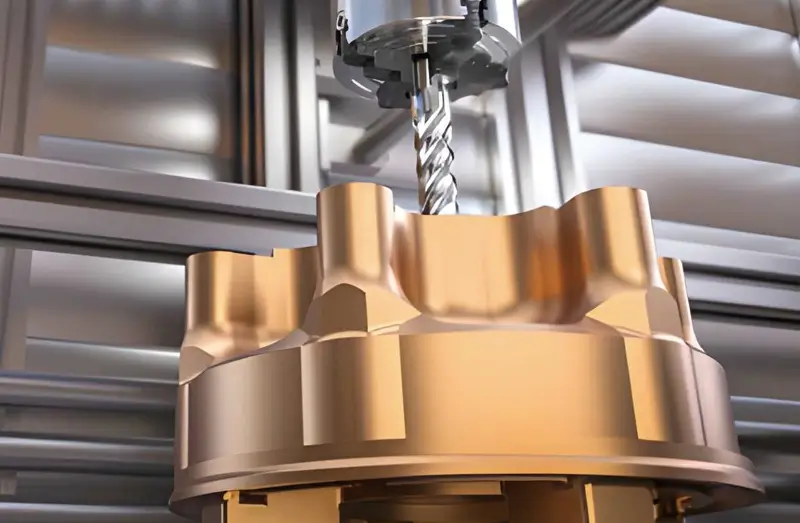
Choose the Right Bronze Alloy
First, you need to know that bronze machining changes with the type of bronze. Different bronze types need different tools and speeds.
Free Machining Alloys
Some leaded bronzes machine readily because dispersed lead assists chip formation and reduces friction. Lead is soft, not sharp. Select an alloy that meets the component’s service and applicable material requirements rather than adding lead solely to improve cutting.
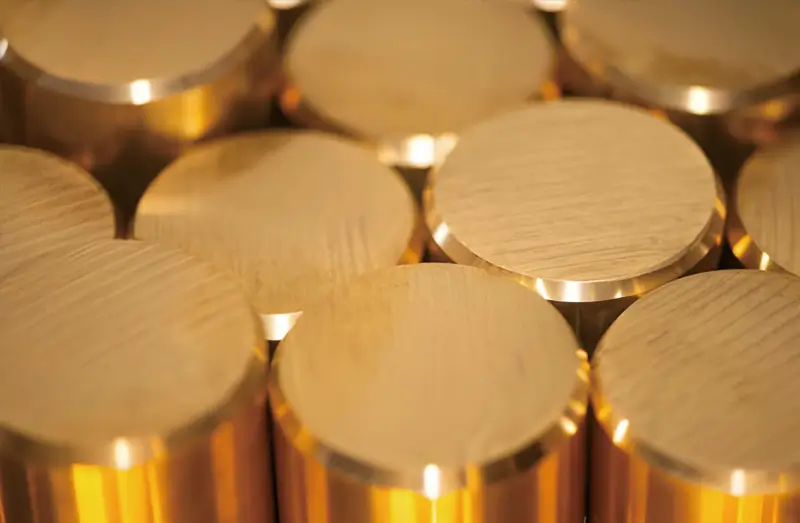
Aluminum Bronze Machinability
Aluminum bronze such as C95400 can be more demanding to machine than free-machining leaded bronze. Alloy composition, hardness, condition, and tool geometry affect wear and chip shape; the absence of lead alone does not mean every chip will be long, sticky, or stringy.
Specialty Bronzes
Phosphor bronzes are used in springs and electrical components, but machinability varies with grade and condition. Use suitable cutting tools and alloy-specific speed and feed data rather than assuming higher speed always improves chip removal.
Important CNC Machining Techniques for Bronze Alloys
Then, you should use the right machine steps to cut the bronze without problems.
CNC Turning
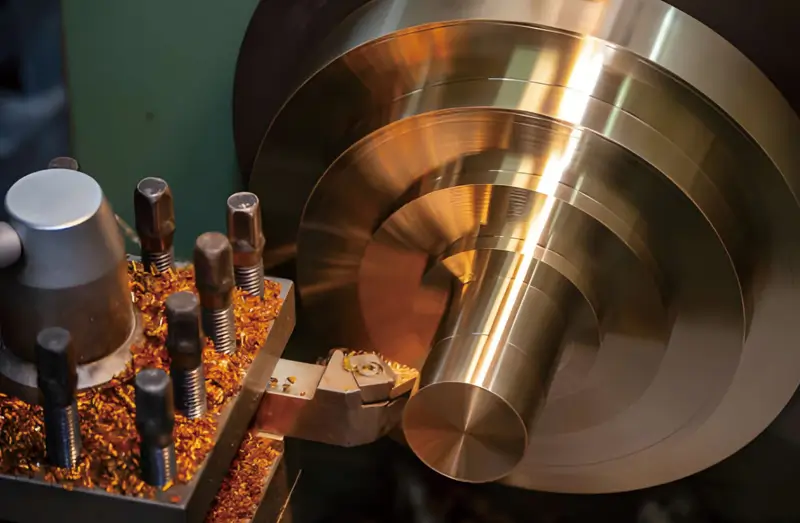
For bronze bushings and other rotational parts, select rake geometry, tool material, and cutting data for the actual alloy and operation. PCD inserts may suit selected copper-alloy applications, but are not a universal choice. Control workholding and temperature, and inspect the finished dimensions.
CNC Milling
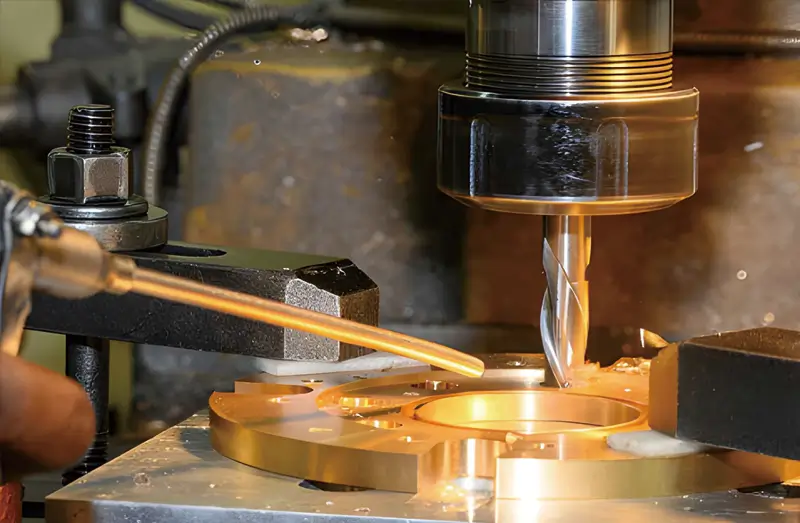
In bronze milling, provide chip clearance and avoid recutting. PCD milling cutters or carbide milling cutters may suit particular alloys and conditions, but coating and tool-material suitability must be confirmed for the application; neither automatically guarantees surface finish.
Precision with Machined Bronze
Use a rigid, correctly supported setup with enough clamping force to resist cutting loads without distorting the part. Chatter can damage finish, but roughness itself is not the definition of work hardening. Tool condition, process control, and inspection remain necessary.
Optimize Tooling and Cutting Parameters
You can make your tools last longer and speed up production by changing a few simple things.
Tool Geometry and Material
Many bronze applications use tools made of carbide. Select grade, rake angle, edge preparation, and coating for the alloy and operation. Positive rake can reduce forces in suitable conditions but is not a universal requirement for every bronze cut.
Flute Count Strategy
Cutting edges and their chip channels are commonly called flutes. Two- or three-flute end mills can provide useful chip space, but flute count depends on alloy, engagement, tool geometry, and operation. Drill design must be selected separately; this end-mill guideline is not a drilling rule.
Selecting Speeds and Feeds
Use tool-supplier cutting data for the specified bronze grade and condition. C93200 and aluminum bronzes can require different settings. Maintain a suitable chip load and avoid rubbing; a strong cutting force is not a substitute for a validated feed.
Overcoming Issues in Machining Tougher Bronzes
In turn, you must fix the two main problems that tough bronzes create.
Controlling Work Hardening
Work hardening is an increase in hardness caused by plastic deformation and varies by alloy and condition. Avoid prolonged rubbing and dwell, and select a suitable chip load. Cutting under a work-hardened surface requires an appropriate tool and allowance, not simply pushing harder.
Chip Evacuation and BUE
Use cooling or lubrication and chip-removal methods appropriate to the alloy, tool, and machine. High-pressure coolant is one option, not a universal requirement. A suitable coating on your tool can help with wear or adhesion, but must be selected for the actual application.
Precision Clamping and Fixturing
Support the part and apply enough clamping force to resist machining loads without unacceptable distortion. Account for thermal expansion and check dimensions under the specified inspection conditions; simply reducing clamping force can leave the part insecure.
Sourcing Bronze for Optimized Production
Finally, the smart way to save money starts before you even cut the metal.
Material Sourcing
Select wrought or cast bronze for the required alloy, product form, geometry, and service properties. Quality cast stock can be well suited to machining. Compare certification, soundness, allowance, availability, and total cost rather than assuming wrought material always machines better or saves money.
Conclusion
Successful CNC bronze machining starts with the alloy required by the part, followed by suitable tools, chip control, workholding, and inspection. Machinability is one selection factor; an easy-cutting alloy is not automatically suitable for every service condition.
FAQs
How to Machine Aluminum Bronze?
Use tools and cutting data qualified for the aluminum-bronze grade and operation. Select rake geometry, flute count, engagement, and cooling as a system; two or three flutes and a strong coolant jet are not universal requirements.
Is Aluminum Bronze Easy to Machine?
Aluminum bronze can be more demanding than free-machining leaded grades, but difficulty and chip form vary with alloy, condition, and process. Use grade-specific machining guidance rather than assuming all aluminum bronze produces long, stringy chips.
How to Machine Bronze Bushings?
CNC turning is suitable for many bronze bushings. Choose tool geometry and cooling for the alloy, support the part without distortion, and account for temperature when measuring the required fit.
How Many Flutes to Machine Aluminum Bronze?
Two- or three-flute end mills can provide useful chip clearance in some applications. Select flute count together with tool diameter, engagement, reach, alloy, and chip-removal capability; no flute count guarantees freedom from clogging or breakage.