


Reamer Material Selection: Carbide, Cermet, Ceramic or CBN?
When a reamed hole loses size or surface finish, changing to a harder cutting material can seem like the obvious next step. Start one step earlier: identify the workpiece material and the way the present tool is failing. A material change that addresses abrasive wear may do little for a hole affected by unstable allowance, runout or chip damage.
Workpiece material comes before cutting-material selection. Carbide is a useful starting point across many jobs. Consider cermet, ceramic or CBN when a specific wear or finishing problem gives you a reason to move beyond that baseline—not simply because another material is harder.
Start with the workpiece and the hole that is going wrong
“Steel” or “cast iron” is not a complete material specification. Record the grade, heat-treatment condition and hardness where relevant. For powder-metallurgy components, identify the material grade rather than assuming that every iron-based part will behave the same way.
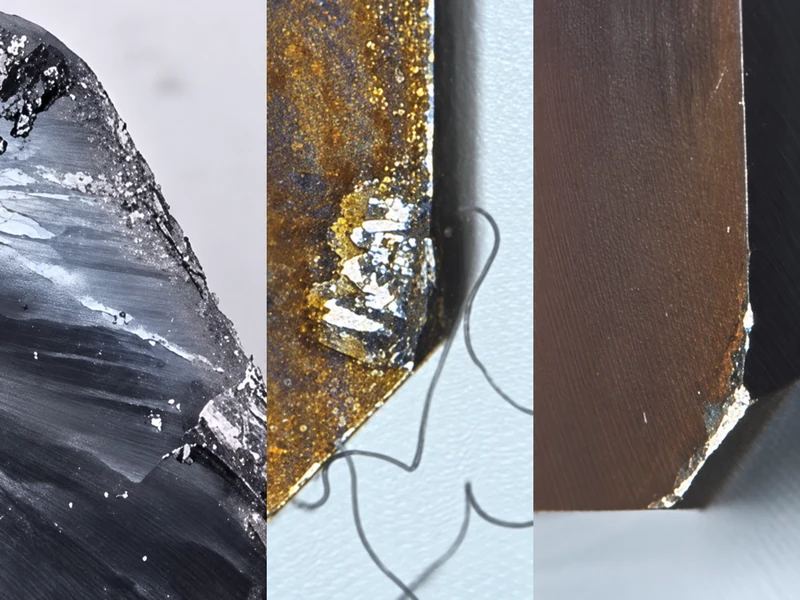
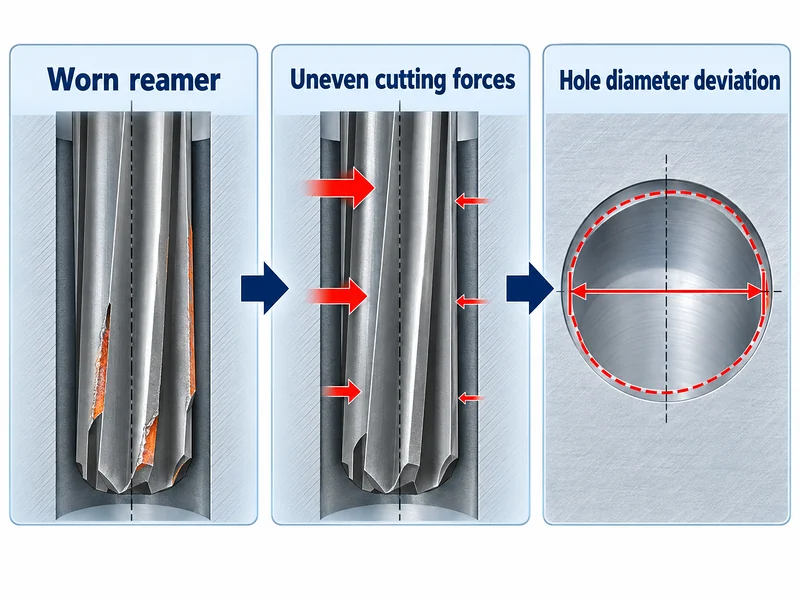
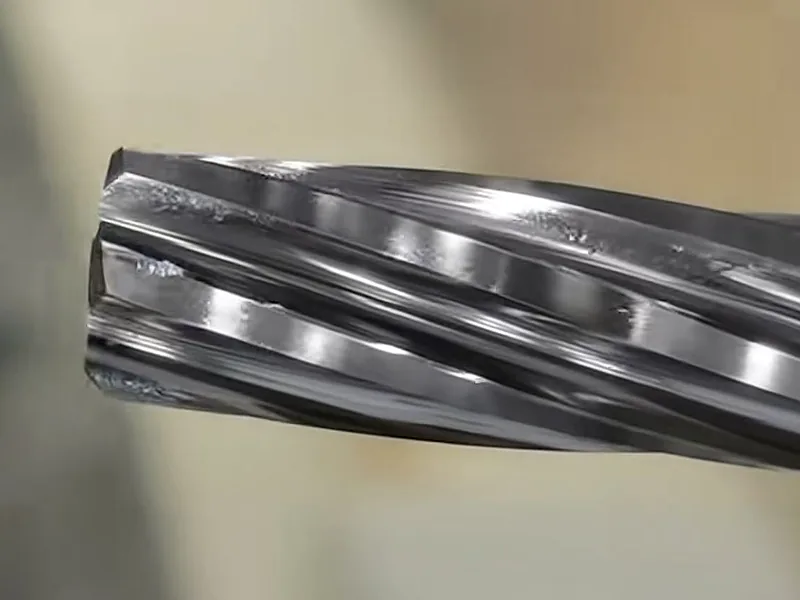
Then describe the actual limit of the current process. Is diameter drifting as the tool wears? Is material adhering to the cutting edge? Does the edge chip early? Or is the surface being scratched even though the edge still appears serviceable?
These observations lead to different investigations. An edge that wears steadily gives you a different starting point from an edge that breaks on entry. Before blaming the cutting material, check the prepared hole, remaining stock, tool condition and setup. Our guide to reaming surface-finish problems deals with those process checks.
A useful request to a tool supplier therefore contains both halves: “This is the material and hole specification” and “This is what prevents the present process from meeting it.”
Establish what the carbide reamer can already do
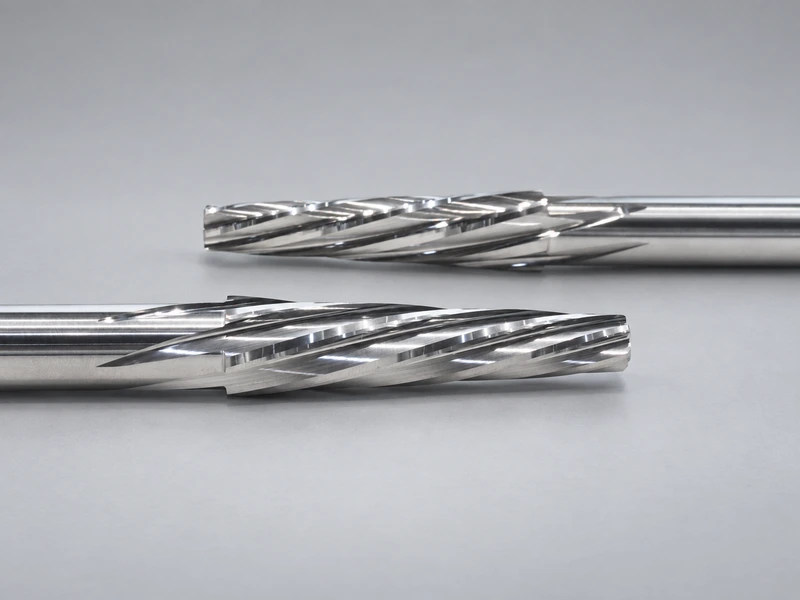
Carbide is not a single grade. A different substrate, coating or edge preparation may change the result without requiring a move to an entirely different cutting-material family. This is why “we tried a carbide reamer” leaves too much unanswered.
Keep a record of the existing tool specification and its usable life. Include the diameter and finish at the beginning of a run and near the point where the hole becomes unacceptable. If the original tool never produced a good first hole, establish whether the geometry and process are suitable before treating tool life as the main problem.
For a stable job that already meets the drawing, a more specialized material needs to justify itself through consistent quality, useful life or production cost. Hardness by itself is not a purchasing argument.
.webp)
Cermet and ceramic are different decisions
Cermet: investigate the grade and the application
Cermet reaming grades are available for steel and cast-iron applications. For those workpieces, cermet can belong on the shortlist when the existing tool falls short of the required wear life or finish. Select a grade and reamer geometry suited to the job; changing the material name alone does not establish an improvement.
Ask which problem the proposed change is meant to address, and what operating conditions the recommendation assumes. Keep that answer beside the trial results.
Ceramic: do not transfer a turning result straight into a hole
Ceramic and cermet should not be used as interchangeable names. Ceramic cutting materials include different compositions, with different limits. A successful hard-turning application is not sufficient evidence for choosing a ceramic reamer.
For reaming, ask for a tool design and application recommendation that match the material, bore and cutting conditions. If those are unavailable, the claim that a ceramic tool “handles higher hardness” has not yet become a workable process.
Compare wear resistance, toughness, chemical compatibility and thermal behavior together. A material that resists wear but chips under the actual cutting conditions will not solve the production problem. Hardness is one selection factor, not a ranking of finished-hole capability.
Where CBN enters the discussion: a valve-guide example
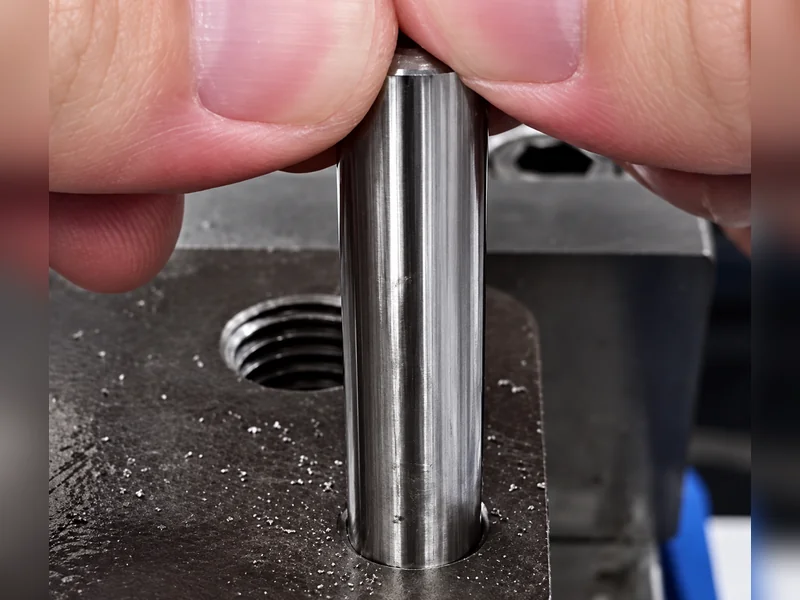
One application we have encountered used a CBN reamer for an iron-based powder-metallurgy valve guide with a bore roughly 6–8 mm in diameter. It worked well on certain material grades. This is a limited application observation, not a quantified tool-life comparison or a recommendation for every iron-based valve guide.
The material grade is the important distinction. “Valve guide” names the component but does not fully describe its machining behavior. An iron-based grade and a copper-based grade can lead to different cutting-material choices, even where the finished components perform similar duties.
If you are considering CBN, bring the exact material specification and current failure pattern to the discussion. Ask for the proposed CBN grade, edge geometry, allowance and operating conditions. A quotation for the material name alone leaves the central engineering work unfinished.
This example also prevents a misleading conclusion: CBN reamers do exist. How often a shop encounters them is not a reliable rule for deciding where they belong.
Keep PCD in the comparison when the workpiece is nonferrous
For aluminum, copper and other suitable nonferrous applications, PCD may belong on the shortlist. That does not make it the next universal step above carbide. Its compatibility with the workpiece must come first; a recommendation for an aluminum bore cannot simply be transferred to a ferrous component.
If your decision is still between the more familiar HSS, carbide and PCD options, begin with our general reamer-material comparison. The specialist options discussed here are most useful when you can state what the existing choice is failing to achieve.
Make the material trial answer a specific question
Write the acceptance conditions before testing: diameter tolerance, surface requirement and any relevant form or position limits from the drawing. Record the workpiece batch, prepared-hole condition, allowance, holder, coolant and cutting data.
Where practical, change one factor at a time. If the new cutting material also requires a different geometry or cutting speed, record that change. You are then comparing two process packages, not proving that material alone caused the result.
Measure more than the first good hole. Follow quality through the trial and inspect the edge when performance changes. Record why the tool was removed: wear, chipping, size drift or surface rejection. The choice becomes defensible when a specified tool repeatedly meets the hole requirements at an acceptable cost. Until then, “carbide,” “cermet,” “ceramic” and “CBN” remain candidates rather than answers.
Explore our carbide reamer range and PCD reamer range for the relevant tool families. For application-specific geometry, see our customized carbide reamers and discuss the material and bore requirements with our team.