



Cobalt vs Carbide Drill Bits for Stainless and Hardened Steel
This topic goes wrong when it becomes a material beauty contest. Readers do not search cobalt vs carbide drill bits because they need a museum tour of hardness values. They search because stainless work hardened, a carbide drill chipped, a hand-fed setup wandered, or somebody was told that carbide is always the upgrade. The real decision is job fit, not prestige.
So the article needs to start from the boundary. Cobalt and carbide are not two versions of the same promise. Cobalt is usually more forgiving when the setup is less rigid or the feed is less controlled. Carbide can be dramatically better when the machine, holder, and material justify it, but it punishes hesitation, flex, and poor alignment much faster.
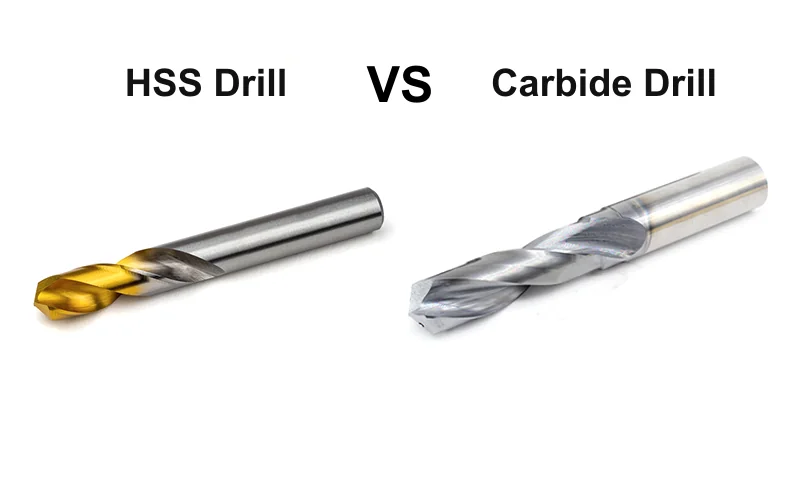
Quick answer: choose cobalt for more forgiving drilling, choose carbide when the setup can fully support it
If the setup is flexible, the feed is inconsistent, or the job is closer to manual drilling than production drilling, cobalt often gives a safer starting point. If the machine is rigid, the runout is controlled, and the material or production target justifies more aggressive cutting, carbide can outperform it decisively.
That makes this a boundary article, not a winner-takes-all article.
| Drilling condition | Better starting choice | Why |
|---|---|---|
| Hand drilling, portable work, or uncertain alignment | Cobalt | It tolerates less-than-perfect feed and alignment better |
| Stainless where work hardening is already causing trouble | Often cobalt first unless the setup is very stable | The setup mistake usually kills carbide faster than the material does |
| Hardened steel on a rigid machine with controlled runout | Carbide | The machine can support the speed and edge behavior carbide needs |
| Thin material or awkward entry | Cobalt more often | Brittleness hurts carbide when entry is unstable |
| Repetitive production with strong fixturing and coolant control | Carbide | The environment can actually pay back carbide's higher ceiling |
What makes cobalt and carbide different in practice
Cobalt is about heat resistance and forgiveness
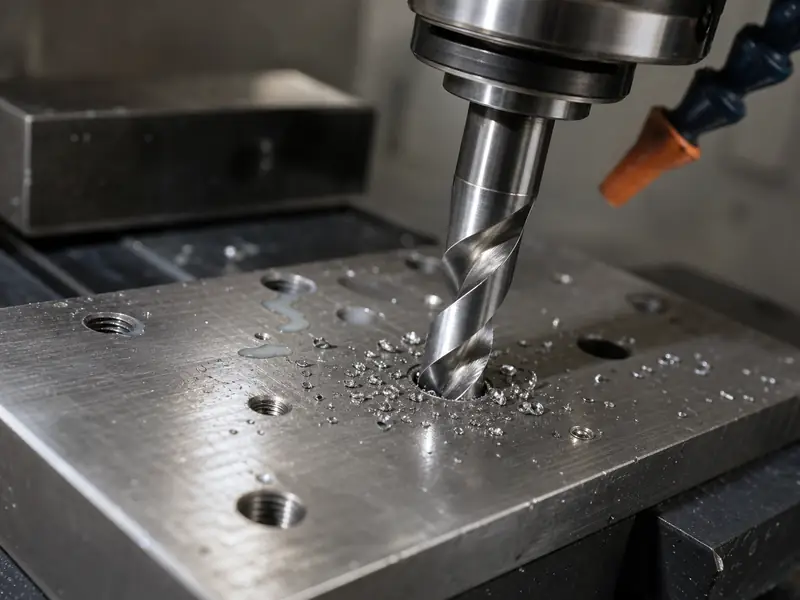
Cobalt drills are still steel-based tools, but they handle heat better than ordinary HSS and stay useful in many stainless and general shop applications. For the broader baseline between steel-based and carbide tooling, see this guide to HSS and carbide drill bits. The practical advantage is not only hardness. It is that cobalt often survives less-than-perfect setups better than carbide does. If the spindle is not extremely rigid or the operator has to drill in a more manual situation, cobalt often gives the shop a wider process window.
Carbide is about stiffness, wear resistance, and higher potential
Carbide Drill Bits can run faster and hold an edge longer in the right conditions. It is stiffer than cobalt, which helps when the setup is accurate and the machine is capable. That is why carbide dominates many production CNC drilling applications.
The catch is brittleness. Carbide does not like hesitation, flex, poor support, or significant runout. It often fails less like a warning and more like a punishment. If the bit rubs instead of cutting, or if the material work hardens ahead of the edge, the carbide tool may dull or chip surprisingly fast.
Why stainless drilling confuses so many people
Stainless is one of the easiest places to misunderstand the cobalt-vs-carbide decision because the real problem is often work hardening rather than raw tool hardness. If the whole job is stainless-focused, this drill bits for stainless steel guide covers the wider selection problem.
Work hardening changes the hole after the first mistake
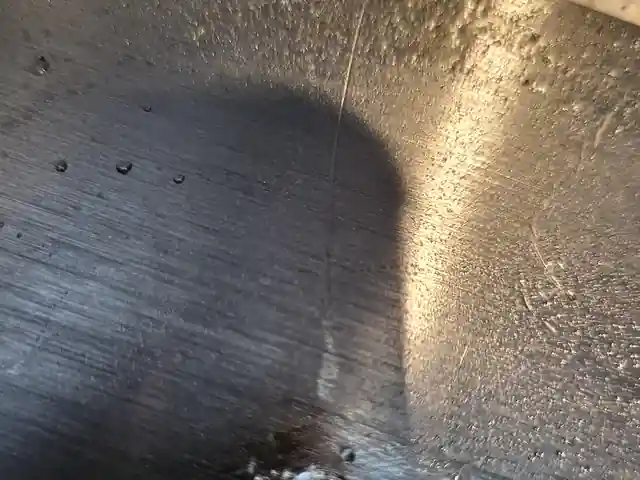
If the bit skates, rubs, or spins without forming a proper chip, the stainless can harden at the surface. Once that happens, the next attempt feels like the metal suddenly turned evil. Shops then blame the drill material alone, even though the drilling method already damaged the process window.
This is why so many real drilling questions sound the same: "I bought better bits. Why are they still dying?" The answer is often that the setup, backing support, speed, pressure, and lubrication were wrong before the new bit ever had a chance.
Thin stainless needs support
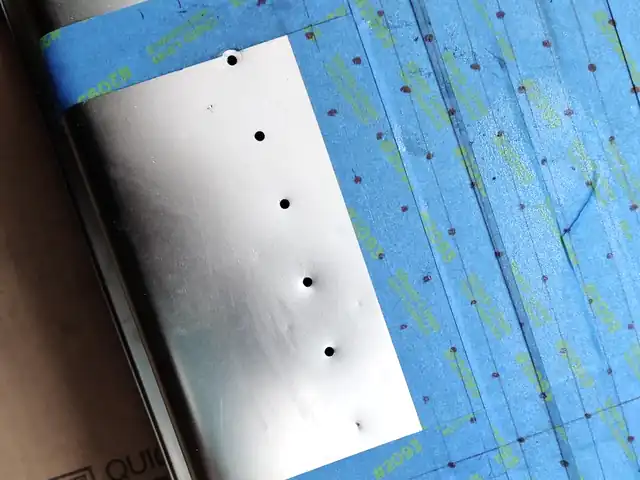
Thin stainless sinks, sheet, or formed parts are especially tricky because the material can flex away from the bit. If the part dimples instead of presenting firm resistance, the bit rubs, heat rises, and the surface hardens. Strong backing support is part of the tooling decision.
In those conditions, cobalt often makes more sense as the first answer because it gives the operator a bit more process forgiveness.
Hardened steel changes the comparison
When the material truly moves into a drill bits for hardened steel discussion, carbide becomes more attractive. A cobalt drill may no longer be hard or wear resistant enough to do the job productively, which is where solid carbide drill bits for hardened steel become a more realistic selection. But even here, carbide is not a magic word.
Carbide needs rigidity and control
If the part is hard but the setup is poor, carbide still loses. The bit may chip, walk, or fail from edge shock. The shop still needs stable fixturing, low runout, and feed that keeps the tool cutting.
Hardness alone does not decide the tool
A reader asking about drilling hardened steel should not get one-line advice. The material hardness, depth, hole size, machine type, and whether the process is one-off or production all affect the decision. Carbide becomes more likely as the material hardens and the setup improves. But that is a process rule, not a marketing slogan.
Geometry and process often matter more than tool label
The article becomes more useful when it stops pretending that "cobalt" and "carbide" are whole answers by themselves.
Point style and sharpness matter
A split point, self-centering geometry, and a sharp edge can change drilling behavior dramatically. Stainless does not care that a bit sounds premium if the point geometry is wrong for the application.
Feed pressure matters
Especially in stainless, the bit has to cut. If the feed is timid, the edge rubs and heat builds. This is one of the most common reasons people dull carbide drills in sheet metal even when they slowed the RPM the way the internet told them to.
Lubrication matters differently by material
Cutting oil or another suitable drilling lubricant can help reduce friction and heat. But lubrication does not replace pressure or support. It helps a correct process; it rarely saves a bad one.
Common drilling scenarios and the better choice
| Scenario | Better first choice | Main reason |
|---|---|---|
| Stainless sink, sheet, or formed panel | Cobalt | Better process forgiveness and less brittle failure if support and feed are imperfect |
| Rigid CNC drilling in production steel | Carbide | Higher speed, wear resistance, and repeatability if runout is controlled |
| Unknown shop drill press with mixed materials | Cobalt | Broader tolerance for real-world variation |
| Hardened tool steel on a proven CNC process | Carbide | Stronger fit for hard material and production conditions |
| Thin material where walking is the main problem | Often cobalt or step strategy first | Control and support matter more than elite material label |
Why carbide drills chip or dull so fast in real shops
Carbide failures often look mysterious because the bit is supposed to be premium. The most common reasons are not mysterious at all.
- The setup flexes.
- Runout loads one side of the point.
- The feed is too timid and the tool rubs.
- The material work hardens before the bit gets through.
- The part is unsupported.
- The operator stops and restarts in a way that shocks the edge.
That is why carbide has such a split reputation. In a rigid CNC process it can feel unbeatable. In a wandering handheld setup, it can feel fragile and expensive.
Practical checklist before changing drill material
Before switching from cobalt to carbide or the other way around, check these first:
- Is the material actually hardened, or just tough and work-hardening?
- Is the part supported well enough to keep the bit cutting?
- Is spindle runout under control?
- Is the point geometry right for the job?
- Is the feed creating chips, not rubbing?
- Is the machine rigid enough to justify carbide?
If the answer to several of those is no, changing drill material alone may not fix the problem.
Conclusion
Cobalt vs carbide drill bits is really a process-fit question. Cobalt is often the better answer when the setup is less forgiving, especially in stainless and mixed real-world work. Carbide becomes the stronger answer when the machine, holder, feed control, and material justify its stiffness and wear resistance.
The quickest way to waste money is to treat bit material like a shortcut around setup quality. The better approach is to read the process first, then choose the drill. When that happens, carbide drills stop being mythical upgrade items and become what they really are: one tool option inside a disciplined drilling process.
FAQ
Are carbide drill bits better than cobalt?
Not universally. Carbide is better in the right rigid, repeatable process. Cobalt is often better in more forgiving or less stable drilling conditions.
Which is better for stainless steel?
Often cobalt as the first answer, especially in thin or awkward setups. Carbide can work very well in rigid CNC processes, but stainless work hardening punishes poor drilling technique quickly.
Which is better for hardened steel?
Carbide is usually more realistic once the material is truly hard, provided the setup is rigid and controlled.
Why do carbide drills dull so fast?
Common causes include rubbing, poor support, runout, interrupted feed, and work hardening of the part before the bit gets through.
Does slowing the drill always help stainless?
No. Low speed without enough feed can still rub and work harden the material. Speed, pressure, geometry, and support all have to work together.