




High Speed Machining Guide for Speeds, Toolpaths, and Common HSM Mistakes
High speed machining gets used too loosely. Sometimes it means high spindle RPM. Sometimes it means adaptive roughing. Sometimes it means a whole process style with tighter expectations for toolholder quality, chip evacuation, and machine rigidity. That confusion is exactly why the keyword needs a cleaner article DNA than "HSM is machining, but faster."
The useful opening is this: HSM is only real when speed, engagement, and setup discipline change together. A machine can show high RPM and still be doing ordinary, badly balanced cutting. On the other hand, a disciplined process with Carbide End Mills, a stable holder, and controlled engagement can remove stock quickly and finish well without the cut turning into a vibration contest. That is the line the article should keep drawing.
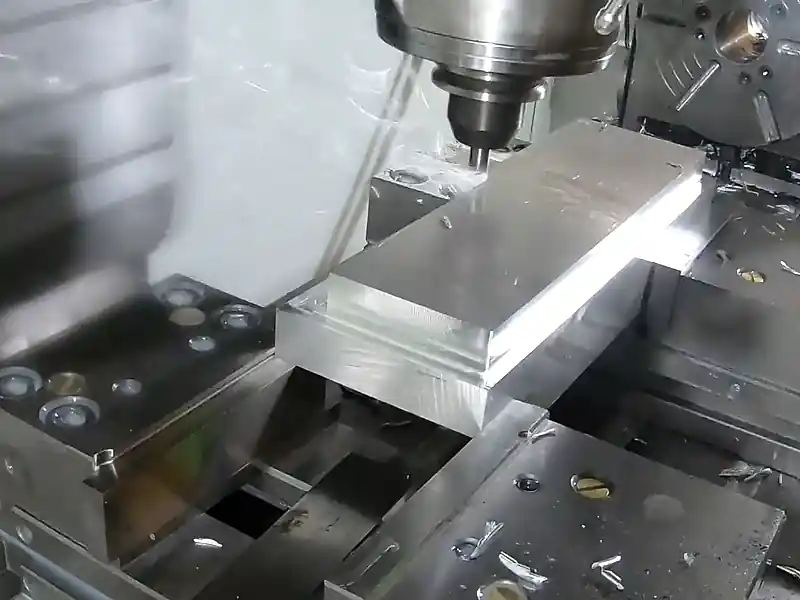
Quick answer: HSM is a process style, not a spindle-speed brag number
If the process did not change its engagement logic, feed logic, holder expectations, and chip-control discipline, it is probably not true high speed machining. It is just a fast spindle trying to carry an ordinary cut.
Good HSM usually has four visible traits:
1. the setup is rigid enough that speed does not immediately amplify runout and chatter; 2. the toolpath keeps engagement controlled instead of burying the cutter like a conventional slot; 3. chip load stays real at high RPM so the tool keeps cutting rather than rubbing; 4. chip evacuation stays clean enough that heat and recutting do not sabotage the speed advantage.
| If the process looks like this | HSM judgment |
|---|---|
| High RPM, weak holder, long stickout, and buried engagement | Fast numbers, poor HSM |
| Controlled engagement, short tool, clean chip evacuation, and stable sound | Real HSM behavior |
| Excellent aluminum results copied directly into a tougher material | HSM label is probably outrunning the setup |
| Adaptive toolpath with no chip-load discipline | CAM style without HSM discipline |
Why aluminum is the usual high-speed machining proving ground
Aluminum is where many shops first see HSM make sense. It allows high cutting speeds, clears chips well when the setup is right, and shows the difference between a healthy cut and a bad one very clearly.
Aluminum rewards speed when chip evacuation stays clean
A high-speed aluminum cut can look almost easy: bright chips, loud but stable cutting, high feed, and a smooth finish. But that result depends on keeping the edge cutting instead of smearing and recutting. Aluminum is forgiving compared with tougher materials, but it still punishes bad chip evacuation and weak holders.
This is why aluminum often becomes the first material where a shop pushes HSM seriously. It provides enough upside to justify the effort and enough visual feedback to show whether the process is under control.
HSM in steel and harder materials is less forgiving
As material difficulty rises, the process window narrows. Heat, torque, tool life, and rigidity become more limiting. A setup that looks comfortable in aluminum may become unstable in tougher material even at lower surface speeds. That does not mean HSM belongs only to aluminum. It means the reader should not copy aluminum success straight into another material family.
What actually changes in high speed machining
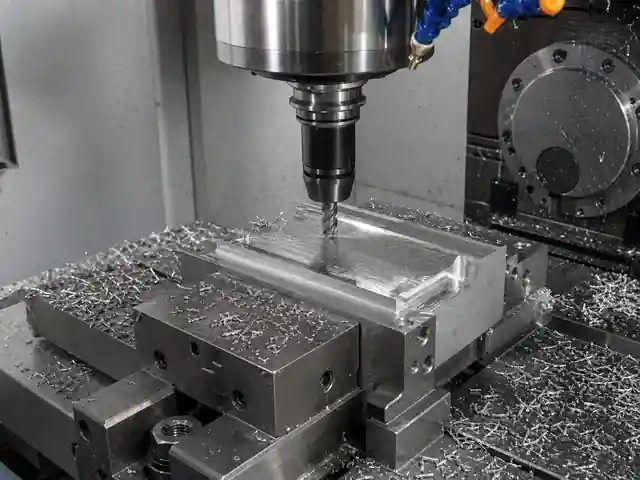
When a shop moves into HSM, several variables stop behaving like background noise.
Toolholder condition and runout matter more
At ordinary production speeds, small holder problems may hide for a while. At HSM, runout starts showing up faster as uneven flute loading, finish inconsistency, noise, or premature failure. If one flute cuts more than the others, the process loses the very balance HSM depends on.
This is why "high speed machining tool holder runout" is not a side note. It is a core process issue. The shop does not need a philosophical discussion about runout. It needs to know whether the holder, spindle, and assembly are good enough to keep the edge load even.
Chip load has to stay real at high RPM
High RPM without enough feed turns into rubbing. The tool sounds busy but does not cut a proper chip. That creates heat, edge buildup, and false confidence because the spindle load may still look low. Good HSM feeds the tool enough to keep the edge working.
This is where carbide milling cutters dominate the conversation. They are stiff, wear resistant, and appropriate for the higher surface speeds many HSM processes rely on. But a good tool still needs the right chip thickness to work.
Toolpath style becomes part of the tooling decision
Conventional slotting, adaptive milling, peel-style roughing, helical entry, and high-feed passes do not load the tool the same way. In HSM, toolpath style is not a programming detail after the fact. It is part of the process design.
That is why some HSM articles drift into MRR and HEM territory so quickly. Once engagement changes, the shop has to think about chip thinning, stepdown, radial width, and machine load together.
When HSM is the right choice
High speed machining earns its keep when the process benefits from faster, smoother material removal without losing control.
Rigid machines, short tools, and predictable workholding
HSM works best when the machine can hold the tool and part still enough to let the edge work. A rigid VMC with short tool stickout and repeatable workholding can often use HSM far more effectively than a flexible setup trying to imitate it.
Aluminum roughing and finishing with good evacuation
This is the most common sweet spot. The machine can push feed, the chips leave, and the process gains cycle-time benefit without immediately collapsing into chatter or built-up edge.
Repetitive production where process time matters
HSM is also attractive when reducing roughing time or improving finish consistency materially changes part cost. In these cases, the setup work pays back because the process runs often enough to justify tuning.
When HSM is the wrong label or the wrong process
Not every fast spindle cut should be sold as HSM.
When the holder and stickout are weak
A long-reach tool, poor collet condition, or weak holder can make high-speed numbers meaningless. The cut will tell the truth quickly through vibration, uneven wear, or broken tools.
When the machine lacks the spindle behavior to support the cut
Some machines can reach high RPM but do not hold torque, damping, or stiffness well enough where the process wants to live. A machine can be fast on paper and still be poor at HSM in practice.
When the toolpath traps chips instead of controlling engagement
High speed machining is not a license to bury the cutter. If the cut packs chips into corners or slots, more RPM often makes the failure show up faster instead of solving it.
Tooling choices in HSM
The tool has to fit the process window.
Carbide End Mills are the normal baseline
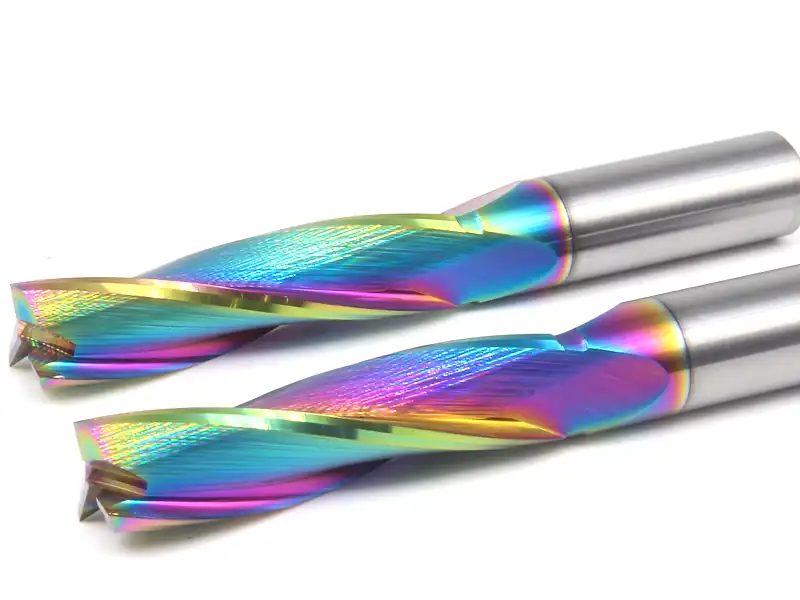
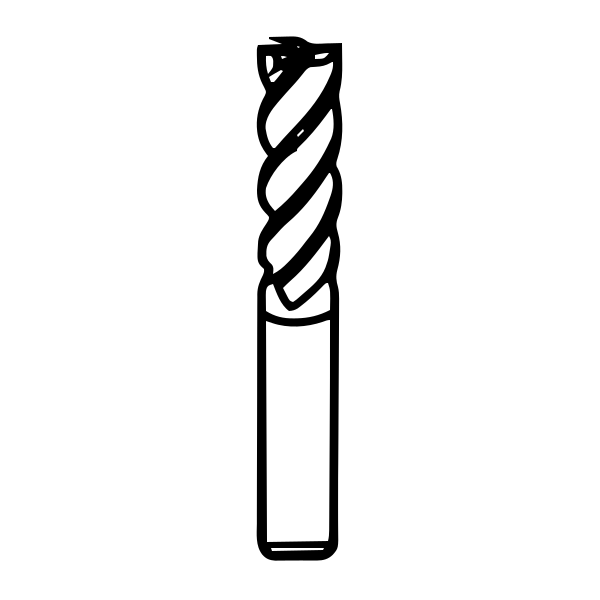
For most HSM milling, Carbide End Mills are the practical default because they combine stiffness, wear resistance, and geometry choices that fit high-speed work. The important detail is not only the carbide substrate. It is flute count, edge sharpness, helix, coating, and how much stickout the job really needs.
Where a pcd end mill makes sense
A pcd end mill belongs in more specialized high-volume or abrasive nonferrous environments. In the right aluminum or nonferrous production context, a PCD end mill can hold edge quality and finish stability for a long time. It is not the general-purpose answer for every HSM question, but it is a legitimate part of the tooling ladder.
Where a pcd drill enters the picture
A pcd drill becomes relevant when the high-speed process extends into specialized nonferrous or abrasive composite-style holemaking, where edge life and hole consistency justify the tooling cost. Its value comes from material fit and production economics, not from the HSM label alone.
What usually fails first in HSM
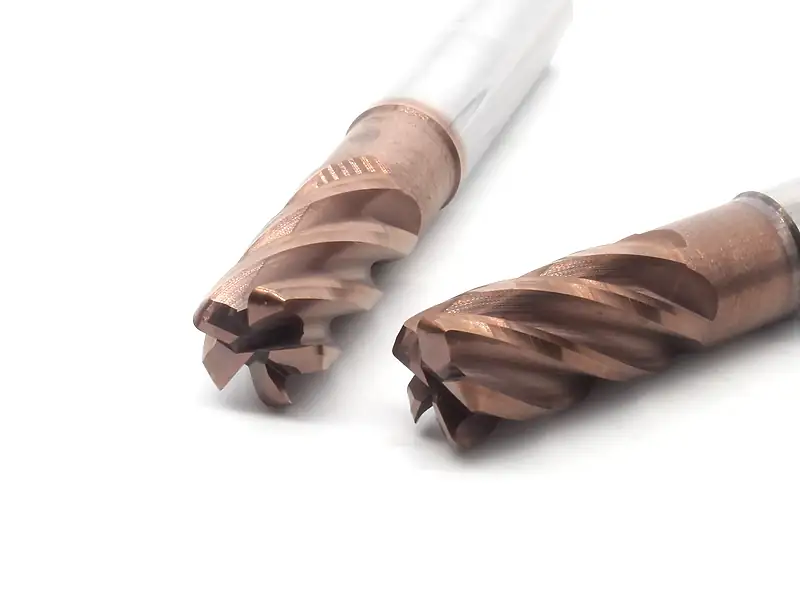
The weak link in HSM is often not the spindle speed number. It is whatever part of the system is not ready for the higher sensitivity.
| Failure signal | What it often means |
|---|---|
| Sudden chatter at the same tool location | Stickout, holder, or part support problem |
| Finish gets worse at higher RPM | Rubbing, runout, or thermal/chip-control issue |
| Tool life collapses unexpectedly | Uneven flute load, poor evacuation, or bad engagement assumptions |
| Spindle load looks fine but the part smears | Feed is too low for the speed, chips are recutting, or aluminum is welding to the edge |
| Machine sounds violent only in corners | Toolpath engagement spikes, not necessarily tool grade failure |
This is why a dramatic HSM video should be treated like a demonstration of possibility, not a recipe. The settings are not enough. The setup context is the real lesson.
Practical HSM checklist before pushing speed
- Confirm holder condition and runout.
- Keep tool stickout as short as the feature allows.
- Check whether the machine really supports the desired spindle range and load.
- Match toolpath style to the cut instead of using a slot like an adaptive path.
- Make sure chip load stays real at the chosen RPM.
- Watch the chips and sound, not just spindle percentage.
- Let aluminum success teach principles, not false confidence for harder materials.
Conclusion
High speed machining works when the process is designed for speed, not when speed is pasted onto a conventional setup. The real change is that engagement, runout, holder rigidity, chip load, and evacuation become more sensitive and more important. That is why HSM can be excellent in aluminum and still disappointing in a weak setup with the same RPM number on the screen.
If the shop treats HSM as a system choice instead of a speed brag, the payoff is real: better cycle time, better finish, and better process stability. If it treats HSM as "turn the spindle up and hope," the failure modes arrive quickly.
FAQ
What is high speed machining?
High speed machining is a process style that combines higher cutting speed with toolpaths, engagement control, tooling, and rigidity that let the edge work productively at that speed.
Is HSM only for aluminum?
No, but aluminum is where many shops first use it successfully because the process window is wider and the payoff is easier to see.
Why does runout matter so much in HSM?
Because high-speed cutting amplifies uneven flute loading. Small holder or spindle errors show up faster in tool life and finish.
Does HSM automatically mean high MRR?
Not automatically. It often supports higher productive MRR, but only when the process stays stable.
Are Carbide End Mills enough for all HSM work?
They are the normal baseline for milling, but the right geometry, holder, and setup still matter. In specialized nonferrous production, a pcd end mill or even a pcd drill may make more sense.