










Replaceable Tip Drills vs. Indexable Insert Drills: What’s the Difference?
Choosing the right drill can significantly impact machining efficiency, surface finish, and tool life. Replaceable tip drills and indexable insert drills are two of the most common solutions in modern CNC operations—but they serve different needs. In this guide, we’ll explore their structures, advantages, and ideal applications. We’ll also introduce solid carbide drills for high-precision jobs, helping you make an informed choice based on performance, cost, and productivity.
Contents
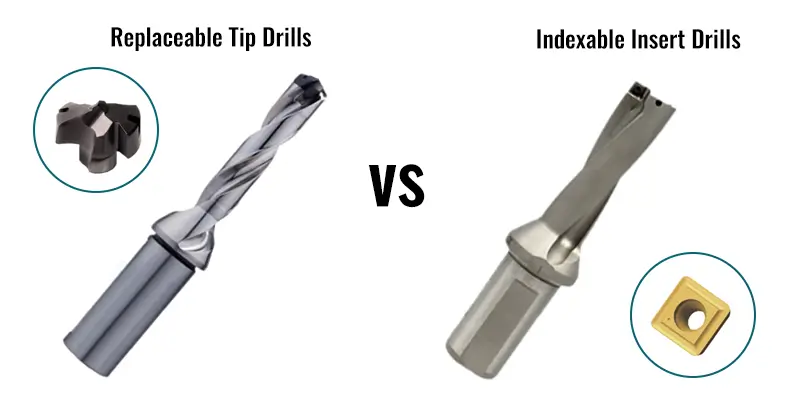
What Is an Indexable Insert Drill?
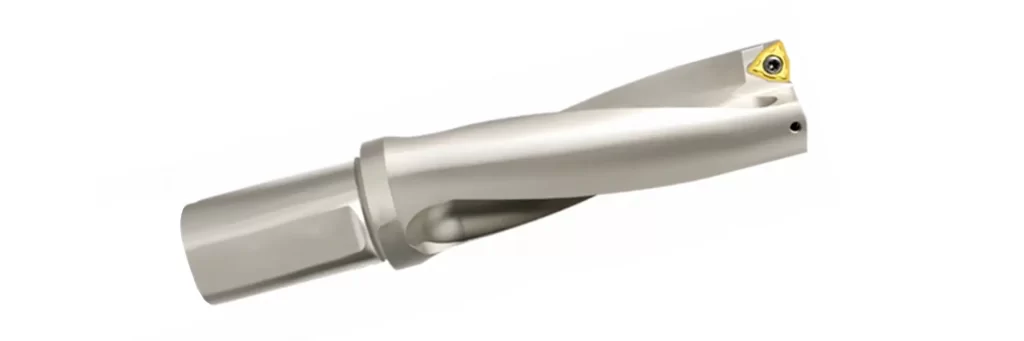
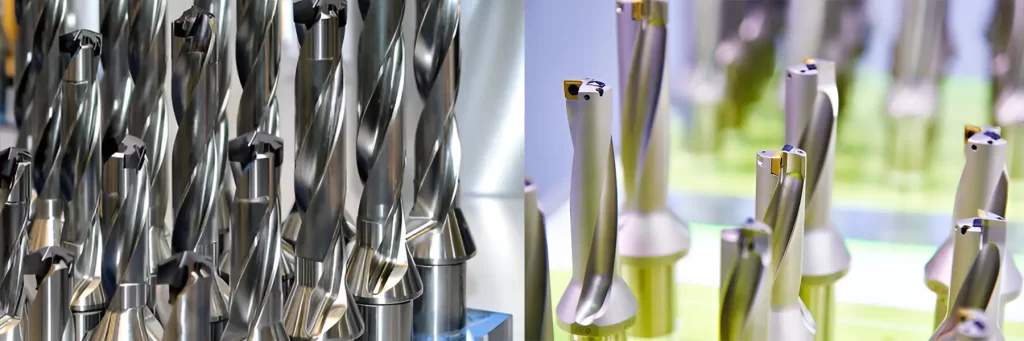
Indexable insert drills commonly use a body fitted with replaceable carbide inserts, often with different center and peripheral cutting roles. Construction and insert count depend on the product. Available cutting edges can be indexed or replaced as specified without replacing a serviceable body. CBN inserts intended for turning must not be assumed compatible with a drill body. The workshop term U drill is sometimes used, but does not define every indexable drill design.
Indexable drills can be productive options for suitable hole sizes and materials, including selected cast irons and steels. Compare the specific drill’s diameter and depth range, cutting data, machine requirements, and cost per acceptable hole instead of assuming it is always the fastest or cheapest choice.
Potential applications, subject to the drill’s specified range:
Large-diameter hole drilling
High-volume rough machining
Automotive and heavy industrial work
Cast iron, stainless steel, structural steel
Potential benefits to verify in the application:
Productive material removal when cutting data, power, and chip evacuation are appropriate.
Potentially economical use of replaceable cutting edges; calculate actual cost per acceptable hole.
Replaceable inserts, with clean seats and the specified screws and tightening procedure.
Use the specified coolant pressure and flow for chip evacuation. Guard the breakthrough area because some indexable drilling operations can eject a disc.
Consider if:
Your holes are oversized or out-of-tolerance — check for runout or insert misalignment
You’re seeing premature tool wear — improper feed/speed or poor coolant flow may be the issue
If hole accuracy is critical, compare the specific tool’s demonstrated capability with the drawing and plan a finishing operation where required. No blanket tolerance limit applies to all indexable drills.
What Is a Replaceable Tip Drill?
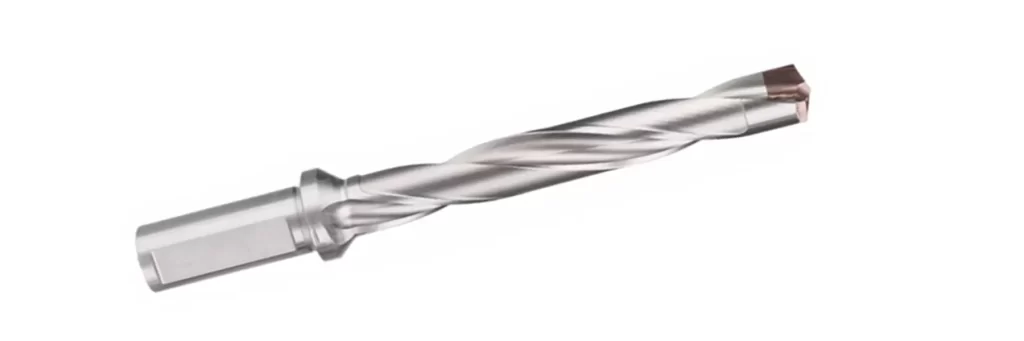
Replaceable-tip drills typically combine a reusable body with a replaceable cutting head. Select only heads approved for that body and diameter range; geometry and grade may vary with the material and application.
A suitable replaceable-tip drill can be an option when balancing hole quality and tooling cost. First diagnose poor finish or burrs, including wear, runout, support, cutting data, and chip evacuation; changing drill type alone does not guarantee an improvement.
Potential applications, within the selected product’s range:
Medium to small hole sizes
General machining across various materials
Shops running aluminum, steel, or nickel alloys
Batch production with frequent material changes
Potential benefits and requirements:
Hole quality depends on the specific drill, head, and setup; compare measured capability rather than assuming every replaceable-tip drill is more accurate than every indexable drill.
Reusing a serviceable body can affect tooling cost; compare complete cost per acceptable hole with solid carbide and other alternatives.
A worn head can be replaced using the specified procedure. Regrinding or reconditioning options, where available, depend on the manufacturer.
Check power, torque, thrust, and rigidity requirements for the diameter and cutting data; replaceable-tip construction does not inherently suit a low-power machine.
Surface finish must be confirmed for the actual material, head geometry, and process.
Consider if:
For recurring surface-finish problems, identify the cause and trial a suitable head and process rather than assuming this drill type will solve them.
For different materials, verify approved heads and cutting data; changing heads does not by itself guarantee shorter setup time.
You need to reduce downtime and control tooling inventory
What About Solid Carbide Drills?
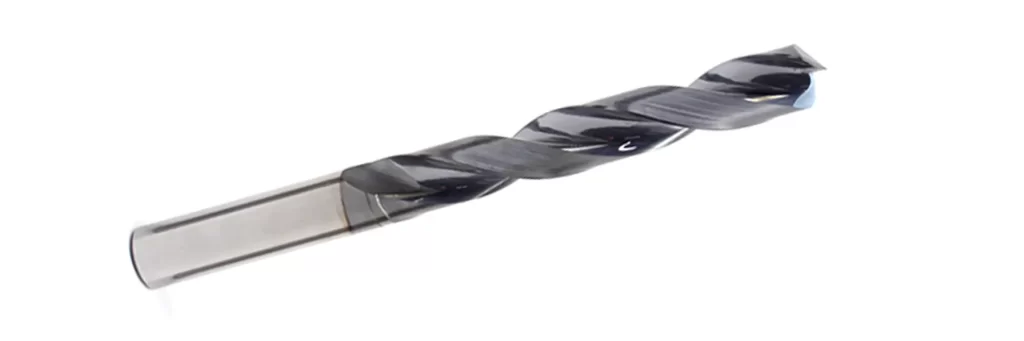
Solid carbide drills have a cutting body made from cemented carbide. Suitable designs provide stiffness and wear resistance for a range of hole sizes and quality requirements. Select the grade, geometry, length, and cutting data for the application.
For oversized holes, deflection, or depth errors, first check runout, alignment, tool wear, programming, and workholding. A suitable solid carbide drill may be a candidate, but does not automatically correct these problems or eliminate subsequent finishing.
Potential applications, subject to the selected design:
High-precision holemaking
Small-diameter holes
Aerospace, mold, and medical applications
Where surface finish and hole size matter most
Potential benefits and requirements:
Can achieve demanding hole-quality requirements in a qualified process.
Evaluate the actual tolerance capability; some specifications still require reaming or boring.
Use the specified cutting speed within the limits of the tool, holder, machine, and workpiece.
Use a grade and geometry approved for the particular material, with suitable chip evacuation and cooling.
Consider if:
You’re breaking tools often — check feed/speed, cooling, or machine runout
Your setup isn’t stable — solid carbide drills are less forgiving
Consider purchase and reconditioning cost. Severe breakage may require replacement, while suitable worn tools may be reconditioned under the supplier’s criteria.
Quick Comparison
| Drill Type | Application considerations | Potential benefit / verification |
|---|---|---|
| Indexable insert drill | Hole diameter and depth within the specific drill range | Replaceable edges; verify productivity, quality, and total cost |
| Replaceable Tip | Approved head and body combination for the material and hole | Reusable body; verify head-change procedure and hole capability |
| Solid Carbide | Suitable grade and geometry for the diameter, material, and setup | Stiff cutting body; verify tolerance and finish in the actual process |
Final Thoughts
For low productivity, assess the hole size, material, machine capacity, and chip evacuation. An indexable drill may be a candidate within its approved range, but compare alternatives using measured results.
For poor finish or burrs, diagnose the cause before trialing a replaceable-tip or solid carbide drill with suitable geometry and cutting data.
For oversized or misplaced holes, check alignment, runout, tool condition, workholding, and programming. Switching to solid carbide alone does not ensure correct size or position.
Breaking tools or wearing out fast? Recheck your speeds, coolant, and alignment—or consider a more stable drill type.
Each drill style suits particular applications. Contact Sundi Tools to discuss the hole requirements and confirm available tooling options.