


CNC Milling vs CNC Drilling | What is the difference?
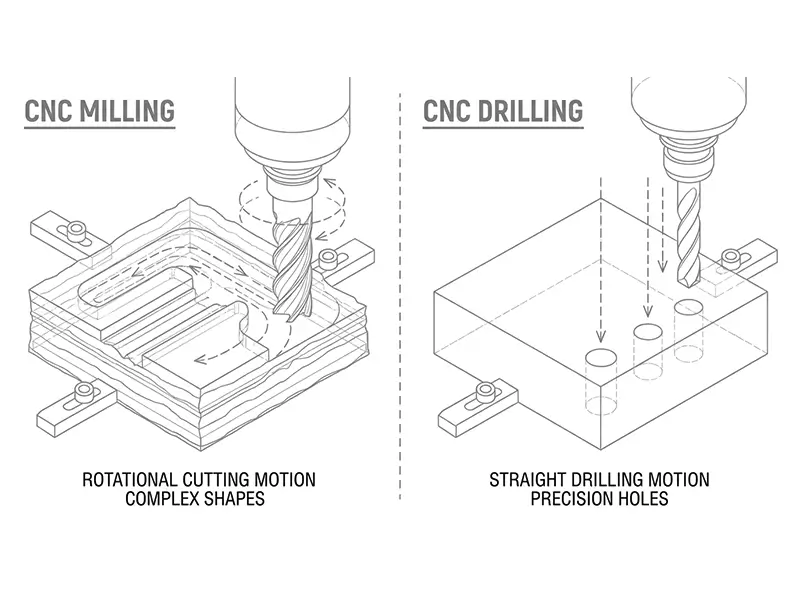
CNC milling shapes features with a rotating cutter following a programmed path. CNC drilling normally creates a cylindrical hole by feeding a drill along its axis. That axis may be vertical, horizontal, or inclined, depending on machine orientation.
In CNC milling and drilling, both processes remove material from workpieces. But their purpose is completely different.
Contents
What is CNC Milling?
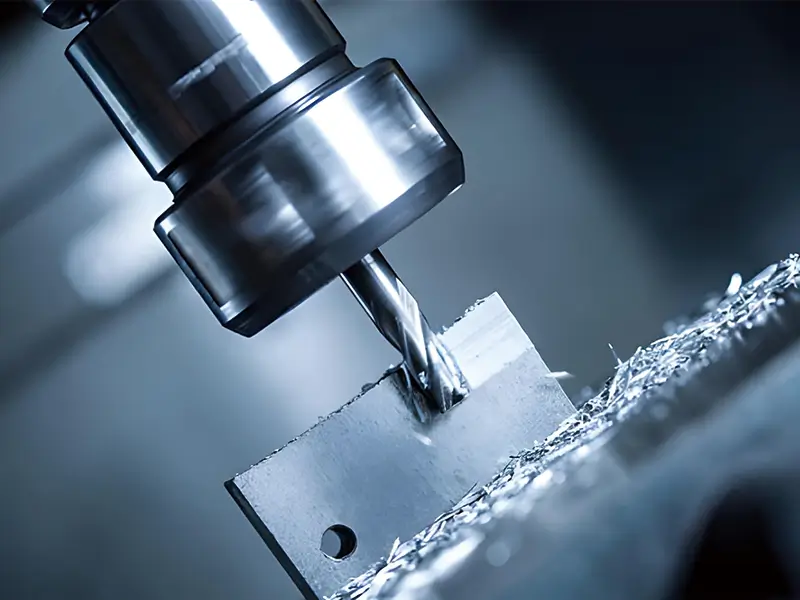
CNC milling uses rotating cutting tools and controlled relative motion between tool and workpiece. CAM programming and a machine-specific postprocessor commonly turn CAD-based toolpaths into NC instructions. Not every milling cut uses simultaneous movement along all three axes.
This multi-axis capability allows you to create complex features like slots, curves, contours, and three dimensional surfaces. The process removes material gradually through precise cuts. Subsequently, it produces parts with fine details and tight tolerances.
Furthermore, milling machines can also execute operations like cutting, engraving, and drilling.
What is CNC Drilling?
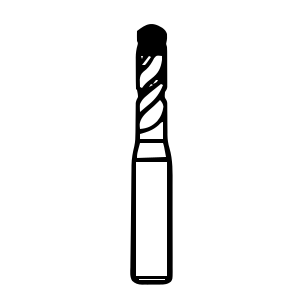
CNC drilling normally creates a cylindrical hole using relative rotation and axial feed of a drill bit. Nominal tool diameter influences hole size, while runout, wear, material, and cutting conditions affect the actual result. Programmed depth must account for the tool point and datum.
The cutting feed is primarily along the drill axis. The machine may reposition or orient the tool between holes, and some setups rotate the workpiece rather than the drill.
A drilling setup may also perform related holemaking operations with the appropriate tools. Tapping, reaming, counterboring, and countersinking are distinct operations, not hole types all produced by an ordinary drill bit.
- Straight holes
- Counterbore holes
- Countersink holes
- Tapped holes
- and reamed holes.
Major Differences Between CNC Milling and CNC Drilling
Working Process and Operation
The basic difference is in how each machine removes material. Milling tools rotate and feed horizontally or vertically across the workpiece surface. You can carve material to create your desired shape. You can even choose between climb milling and conventional milling.
Drilling feeds along the tool axis, which need not be vertical. It is often efficient for holes matching an available drill size. Additional holemaking operations may be required for the specified form, tolerance, or finish.
Tool Motion and Path

Milling machines provide controlled relative movement along their available axes. Simultaneous multi-axis motion is useful for complex contours, but many milling operations use simpler paths.
Drilling uses axial cutting feed, while CNC positioning axes locate or orient successive holes. Machine travel is not universally restricted to the Z axis.
Machine Setup
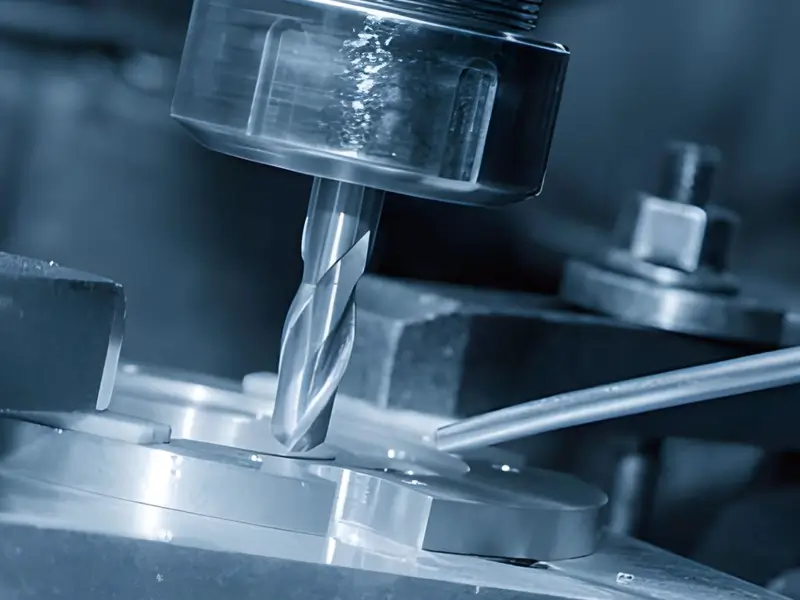
Milling setup requires suitable workholding, tool reach, runout control, and alignment to the workpiece datum. Rigidity and access must match the selected cutting paths.
Drilling setup requires accurate hole positioning, suitable support and entry conditions, and effective chip evacuation. Verify tool length, point allowance, and coolant delivery for the required depth.
Precision and Tolerances
Milling tolerance depends on feature geometry, machine condition, tooling, material, temperature, and inspection. The original ±0.01 mm figure is not a universal guarantee; confirm capability for the specified feature.
Drilling accuracy likewise depends on the tool and application. The original ±0.05 to ±0.1 mm range is not a universal rule or proof that drilling is always less accurate. Reaming, boring, or other finishing may be needed for the required hole specification.
Material Compatibility
Your milling machine handles an impressive range of materials. You can mill metals like steel, aluminum, titanium alloys, brass, copper, and Inconel. The process also works with plastics such as ABS, nylon, PEEK, and polycarbonate. Additionally, milling accommodates composites, wood, and even advanced ceramics.
Suitable tools can drill holes in steels, titanium alloys, nonferrous metals, plastics, and other materials. Hardened materials require tools rated for their hardness and application. Difficulty cannot be predicted from a simple soft-versus-hard distinction.
Surface Finish Quality
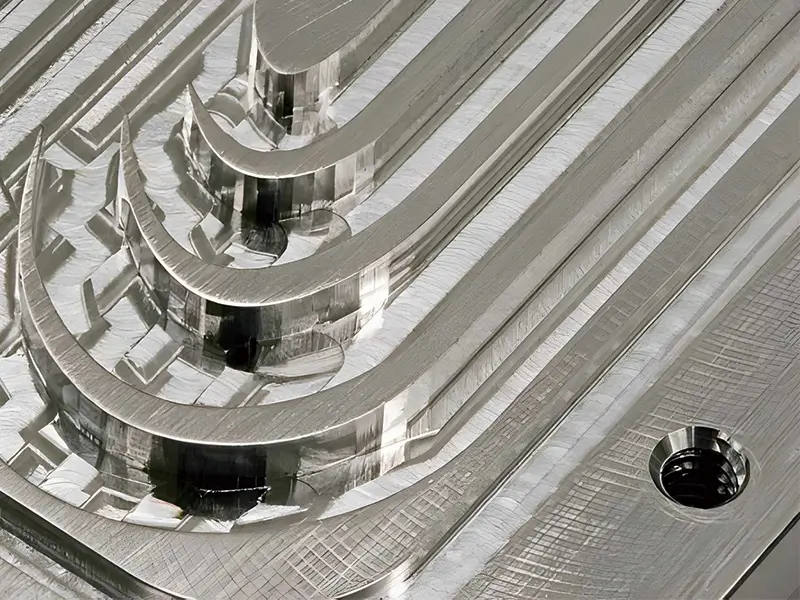
Milling surface finish depends on cutter geometry, runout, toolpath, feed, material, and rigidity. The original 1.6 micrometre figure is not a guaranteed minimum or universal result; confirm the specified roughness parameter and inspection method.
Drilled-hole finish depends on tool geometry, wear, chip control, cooling, and material. The original Ra 3.48 micrometre value has no stated test conditions and should not be treated as a general drilling benchmark.
Applications of CNC Milling and CNC Drilling
CNC Milling Applications
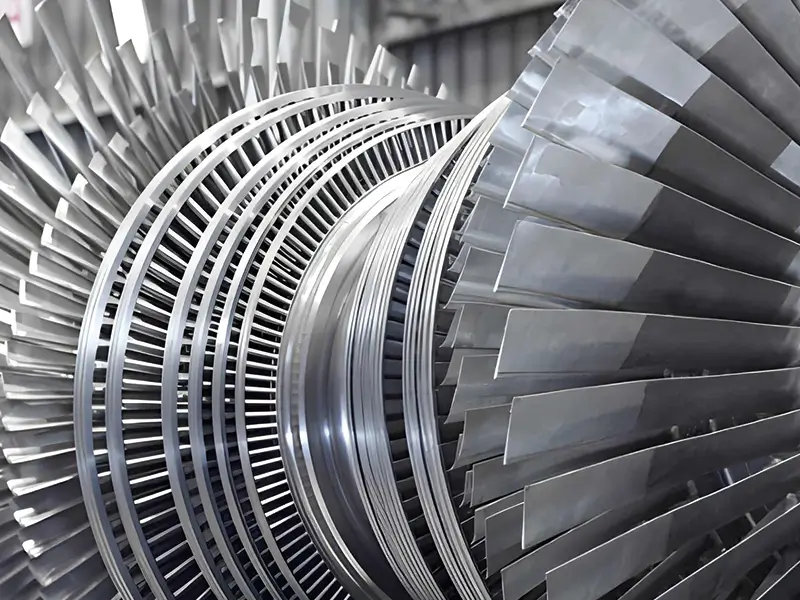
You will find milling in aerospace for producing turbine blades, engine parts, and structural parts requiring precise tolerances. Automotive manufacturers use milling to create engine blocks, transmission housings, and gearbox components. Medical device companies rely on milling for surgical instruments and implants. The process also serves prototyping needs across industries and produces molds and dies for manufacturing operations.
CNC Drilling Applications

Drilling dominates in electronics manufacturing, creating holes for component placement on circuit boards. Automotive and aerospace industries use drilling for fastener holes in assemblies and airframes. Metal fabrication shops depend on drilling for bolt holes, rivet holes, and fluid channels. The process also handles deep hole drilling in workpieces where access remains limited for other machining methods.
Cost and Lead Time Considerations
Milling operations are generally expensive because they are complex, require specialized tooling, and entail longer machining times. Final costs are affected by material complexity, required precision, and the number of features. Nevertheless, milling is worth the price because you require complicated components that would otherwise require many processes.
Drilling can be economical for repeated holes, but depth, material, quality requirements, finishing, and tool life affect cost and turnaround. It does not always provide the lowest cost or shortest lead time.
How to Choose Between CNC Milling and CNC Drilling
Choose milling for features and toolpaths that suit the design. A tolerance such as ±0.02 mm alone does not determine the process, and hard materials or production volume do not automatically make milling the correct choice.
Choose drilling when its holemaking capability suits the diameter, depth, material, tolerance, finish, and production requirements. Assess any subsequent finishing and inspection as part of the process.
Most projects benefit from a combination of the two processes. Complex shapes can be milled, and then holes can be drilled in place. This combination technique will maximize the strengths of each method while minimizing total production time and cost.
Conclusion
Milling and drilling play two different roles in CNC machining. Milling makes complex parts with good precision. However, CNC drilling gives you fast, and affordable hole creation. Match your project requirements to each process’s strengths. Complexity and precision means milling, while speed and simplicity favor drilling.
FAQs
What is the difference between CNC milling and drilling?
Milling uses a rotating cutter with programmed relative feed to produce a range of features. Drilling normally creates cylindrical holes by axial feed; its orientation and positioning capability depend on the machine.
What are the disadvantages of CNC milling?
In CNC milling, the equipment costs are high. It also needs longer setup times. The machines require skilled operators and use more energy compared to simple drilling operations.
Can a CNC mill drill holes?
Yes, you can easily drill holes with a CNC milling machine. By incorporating a CNC mill you can perform many operations, including drilling, cutting, and engraving, often in a single setup.
Can a milling machine be used for drilling?
Yes, a milling machine is commonly used for drilling. You can program it to execute precise drilling operations. With a CNC milling machine, you can make both complex shaping and simple hole creation.